Get a Callback
We'll find it for you 💌
Obsessed with this piece? A Mia store expert will call you to help find it nearby.
You're all set!
A Mia store expert will call you shortly to help you find this piece at your nearest store.
Expect a call within 24 hoursDiscover similar or identical jewellery by uploading a picture.
Discover similar or identical jewellery by uploading a picture.
})
The file size should not exceed 5 MB
File size exceeds the limit























 Blogs & Articles
- Home
- Blogs & Articles
- How-are-Jewellery-Making-Charges-Applicable-in-India
25 Mar 2026

by Mia
25 Mar 2026
Read:
4 Mins
Spread the Fashion Love!


Be the first to see
Explore Mia’s latest jewellery collection, crafted to feel precious, every day!
The catalogue has been sent to you via email!
Be the first to see
Explore Mia’s latest jewellery collection, crafted to feel precious, every day!
The catalogue has been sent to you via email!
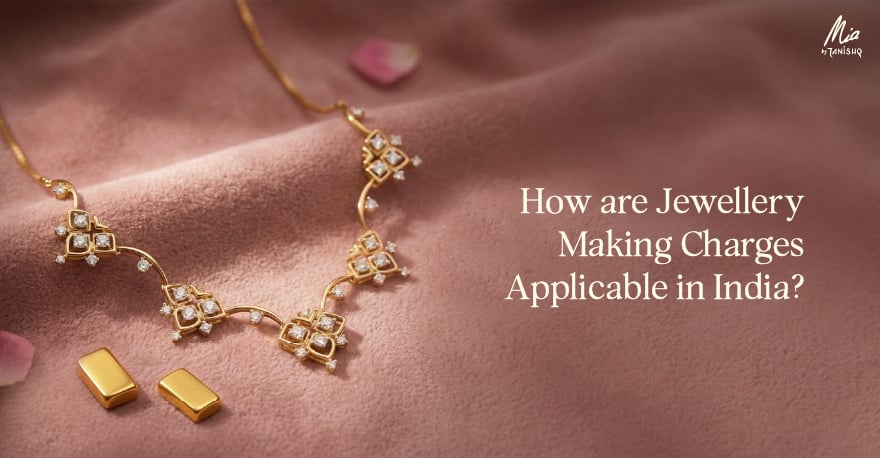

How are Jewellery Making Charges Applicable in India?
Jewellery making charges in India typically range from 5% to 25% of the gold's value. These charges cover labour that goes into bringing the intricacies of your striking, wish-listed jewellery designs to life. Further, the category accounts for gold wastage fees, the time taken to mould raw materials into an aesthetic reality and the masterful craftsmanship involved.
The gold jewellery making charges are calculated as a percentage of the gold price or as a fixed amount per gram. Further, a 3% GST is applicable on the total resulting amount.
Read ahead to find out everything you need to know about jewellery making charges in India and how you can save some bucks on them!
What are Jewellery Making Charges & Their Components?
Gold jewellery making charges are applied by jewellers to account for the labour, skill and craftsmanship that went into transforming abstract gold into finished jewellery. Such charges are separate from the real gold price and can greatly impact the final price tag of your chosen jewellery.
Here are the various components of jewellery-making charges that are taken into account:
Labour Fees: This involves the toil that goes into designing, shaping and finishing the jewellery piece.
Design Complexity: The intricacy of the designs combined with complex patterns demands more time and skill, making charges take the same into consideration.
Overhead Costs: This segment includes machinery, polishing as well as maintenance costs of the jewellery pieces.
What Are the Types of Jewellery Making Charges?
The common types of jewellery making charges include the percentage-based charges, where a fixed percentage (like 10-25%) of the total gold price is considered. A fixed/per gram charge, a flat fee per gram of gold (say ₹500/gram).
Finally, wastage charges apply, which cover the cost of gold lost during crafting, generally 5-7% for simple pieces and up to 10%+ for designer pieces.
What are the Factors Affecting Jewellery Making Charges in India?
Jewellery making charges in India are impacted by several factors, including the jewellery type, design complexity, craftsmanship and the jeweller's brand reputation. The more intricate the pattern, the higher the making charge.
1. Jewellery Design Intricacy
Complex and intricately carved jewellery designs require more time, which increases the gold and diamond jewellery-making charges. Specific patterns with engravings or unique shapes come with higher fees as they require more skill and focus.
2. Expertise and Brand Reputation
Premium brands with a reputation for providing high-quality products often charge more, reflecting fees for craftsmanship and reliable service. The experience level and skill of artisans play a huge role in boosting the making charges.
3. Jewellery Type
Minimally-crafted pieces of smaller jewellery items like rings or earrings are typically associated with lower making charges. Larger pieces like elaborate necklaces and heavy pendants cost more owing to the additional hours of labour required and the overall design complexity.
So, stock up on your daily essentials by choosing timeless and lightweight jewellery. Elevate your everyday vibe with dazzling glimmer with us, at Mia!
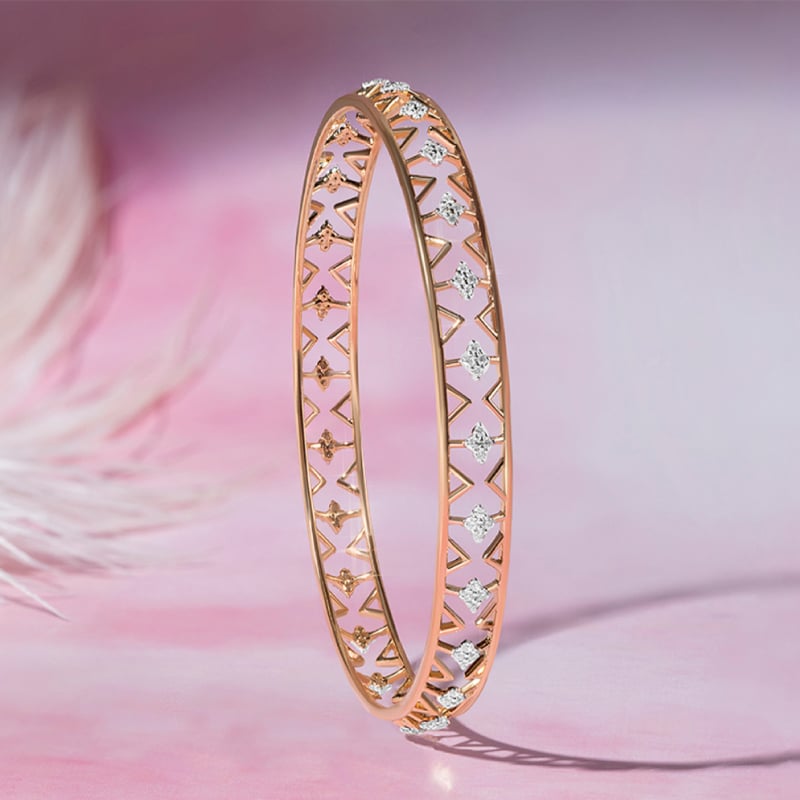
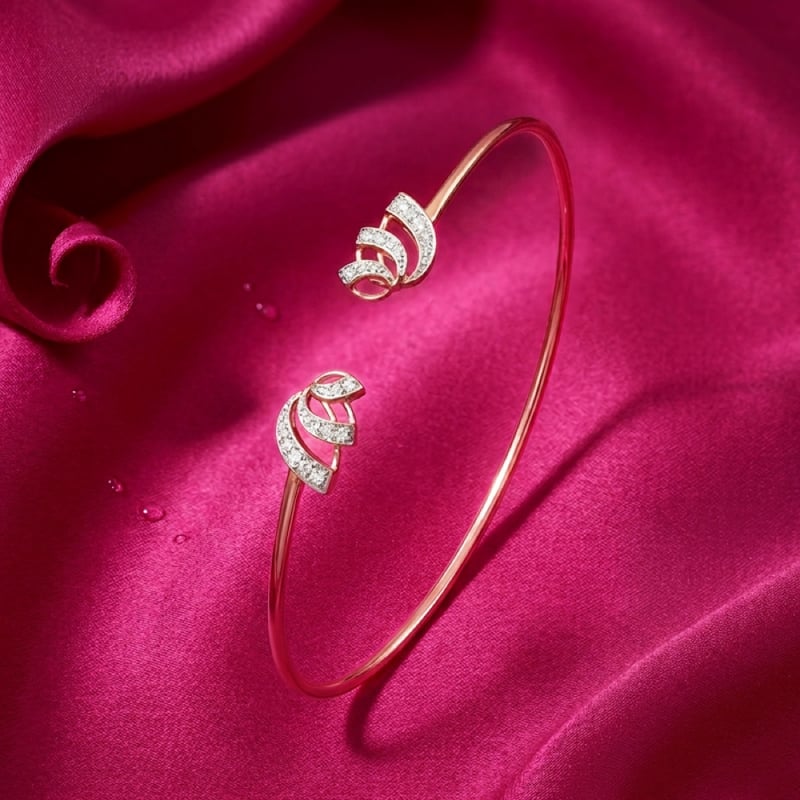
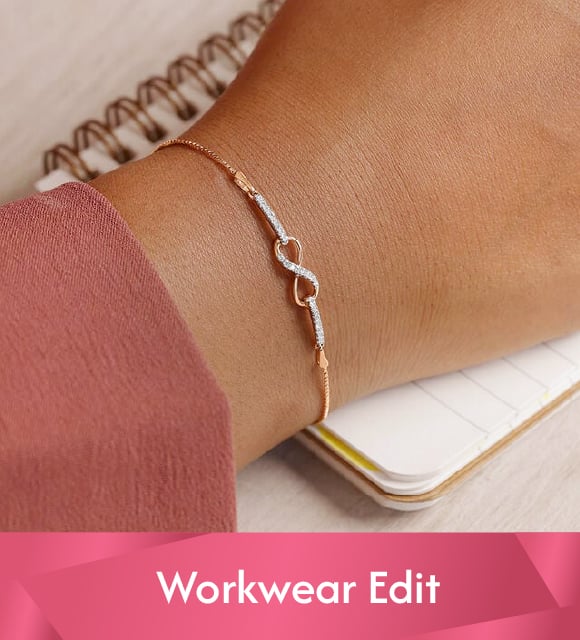
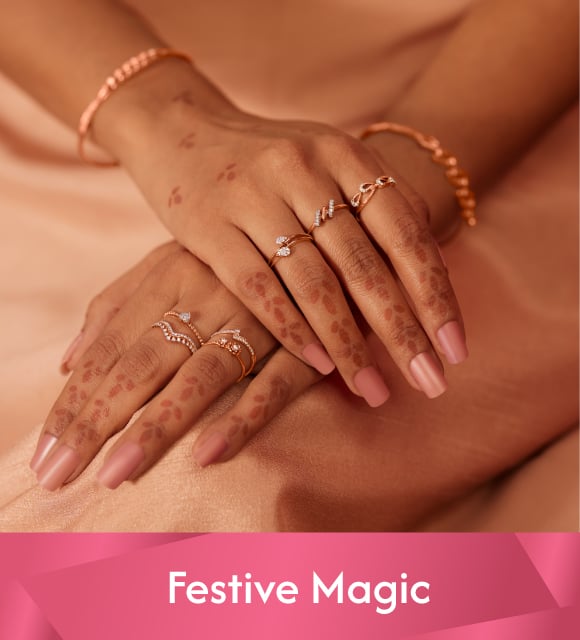
Rose Gold: For the Romantic at Heart
Rose gold brings a soft warmth to jewellery, with its gentle blush tones and
modern sensibility. It feels expressive yet understated, making it a favourite for those who enjoy
adding a personal touch to their style. Known for its contemporary appeal, rose gold pairs beautifully
with both Western and Indo-western outfits, blending seamlessly into everyday wardrobes. It has a
youthful, feminine quality that feels fresh without being fleeting.
A Mia tip : If your style is playful, expressive, and a little
unconventional, rose gold mirrors your personality perfectly.
Which Gold Colour Is Best for You? A Simple Guide
If you’re still weighing your options, our jewellery experts suggest starting with
a few practical questions. The idea isn’t to follow rules, but to understand what naturally fits your
lifestyle and personal style. Here are a few.
Do you prefer classic or contemporary styles?
Classic styles often lean towards yellow gold, while contemporary aesthetics are well-suited to white or rose gold. Quartz scratches easily compared to diamonds.
Is this jewellery meant for daily wear or special occasions?
White gold jewellery
works beautifully for everyday wear, while yellow and rose gold are often chosen for occasions or
statement pieces.
Do you gravitate towards understated elegance or romantic warmth?
If you prefer
clean elegance, white gold may feel right. If warmth and softness resonate more, rose gold could be your
match.
White Gold vs Yellow Gold vs Rose Gold: Pros and Cons
While all three are crafted from real gold, white gold, yellow gold, and rose
gold, each have their own strengths and trade-offs. A quick look at their pros and cons helps clarify
what truly works for your lifestyle.
Expert Insight: What Mia Jewellery Designers Recommend
Our designers believe the best jewellery choice is one that feels natural the
moment you wear it. It should fit easily into your daily routine, feel comfortable on the skin, and
reflect your personality rather than a passing trend. This philosophy is why jewellery crafted in 9 KT,
14 KT, and 18 KT gold continues to resonate with women looking for balance between beauty, wearability,
and everyday practicality, while staying rooted in Tanishq’s legacy of trust and craftsmanship.
Making the Right Gold Choice for Everyday Wear
Jewellery is deeply personal. Whether you’re drawn to the warmth of yellow gold,
the refined elegance of white gold, or the soft romance of rose gold, the right choice is the one that
makes you feel confident, comfortable, and effortlessly yourself. When jewellery moves with you, fits
into your life, and becomes part of your everyday moments, making you feel truly precious, every
day.
| Type | What it Means | Example/What it Consists of |
|---|---|---|
| Fixed Fees Per Gram | Calculated per gram of gold; this rate stays consistent regardless of the complexity or type of jewellery design |
Weight of Gold: 5 grams Fixed making charge: ₹300 per gram Therefore, total making charge: 5 × 300 = ₹1,500 |
| Percentage-Based Charges | This percentage shall vary as per the complexity of the jewellery design as well as the gold purity level. |
Price of Gold: ₹5,500 per gram Weight of Gold: 8 grams Total Value of Gold = 8 grams × ₹5,500/gram = ₹44,000 Applicable Making Charge: 15% of ₹44,000 = ₹6,600 Total Cost of Jewellery = Total Gold Value + Making Charges = ₹44,000 + ₹6,600 = ₹50,600 |
Frequently Asked Questions
1. Which gold colour is best for daily wear?
White gold is often preferred for daily wear because of its modern look,
durability, and ability to complement everyday outfits effortlessly.
2. Is rose gold real gold?
Yes. Rose gold is real gold alloyed with copper to create its signature blush
tone.
3. Does yellow gold suit Indian skin tones?
Yellow gold is especially flattering on warm and neutral skin tones and remains a
timeless choice for Indian complexions.
4. Can I wear mixed gold jewellery together?
Absolutely. Mixing gold colours is a modern styling choice and adds depth and
personality to your look.
Stories you might also like




×