Get a Callback
We'll find it for you 💌
Obsessed with this piece? A Mia store expert will call you to help find it nearby.
You're all set!
A Mia store expert will call you shortly to help you find this piece at your nearest store.
Expect a call within 24 hoursDiscover similar or identical jewellery by uploading a picture.
Discover similar or identical jewellery by uploading a picture.
})
The file size should not exceed 5 MB
File size exceeds the limit




















 Blogs & Articles
- Home
- Blogs & Articles
- opal-stone-history-and-significance
21 Apr 2026

by Mia
21 Apr 2026
Read:
4 Mins
Spread the Fashion Love!


Be the first to see
Explore Mia’s latest jewellery collection, crafted to feel precious, every day!
The catalogue has been sent to you via email!
Be the first to see
Explore Mia’s latest jewellery collection, crafted to feel precious, every day!
The catalogue has been sent to you via email!
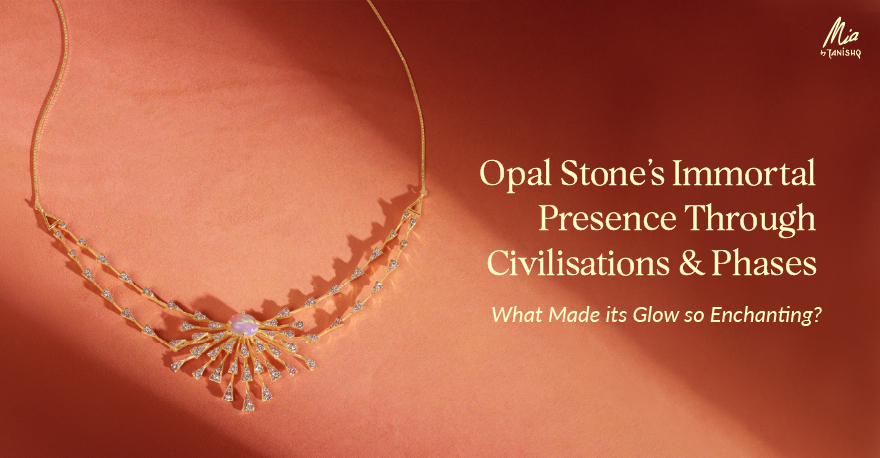

Opal Stone’s Immortal Presence Through Civilisations & Phases: What Made its Glow so Enchanting?
With the opal stone set to become the trendiest gemstone for the summer of 2026, its legendary presence through history becomes all the more intriguing.
Opals are compared to majestic visuals, from volcanoes and galaxies to fireworks and heavenly flashes of light. They’ve left behind trails of admirers through the ages. These admirers have even bestowed opal gems with poetic endearments like the ‘Light of the World’, ‘Pandora’, and even the ‘Empress’.
So, what makes their glow so enchanting that suitors from various timelines have come together to sing praises? Let’s find out!
What Makes the Opal Stone’s Immortal Presence Inevitable & So Irresistible?
Opal stones have maintained an immortal, albeit changing, aura through civilisations. They’re revered for the iconic, kaleidoscopic play of colour and unique ability to combine all the hues of other precious gems in one.
Throughout history, the opal stone’s status has shifted. These stones have gone from serving as a symbol of hope and divine fortune to becoming a frightening omen. Finally, they were able to turn things around again, transforming into a treasured modern gemstone.
Take a look at the timeline of the journey that the opal gemstone has been on over decades and phases:
1. The Queen of Ancient Rome
In ancient Rome, people referred to the opal stone as the ‘queen of gems.’ They highly prized the gemstone owing to its powerful healing properties in the context of physical and spiritual wellness. Opals were also associated with hope, purity, and positive fortune, often considered as a talisman of passion and affection. It was viewed as the amalgamation of all the good things that other precious gemstones had to offer.
Opals were in demand among the Roman elite. They were adorned in jewellery forms like rings and necklaces to represent prestige and power.
2. A Curveball Thrown by the 19th Century Curse
The reputation of the opal stones took a hit in the 19th century. Their popularity dropped severely with Sir Walter Scott's 1829 novel ‘Anne of Geierstein,’ where a fictional opal lost its fire upon touching holy water, leading to its owner's death.
The fictional tale ended up sparking several European superstitions, which resulted in a crash in the opal sales percentage.
However, royal patronage helped a great deal in overcoming this phase. Queen Victoria restored the opals' reputation to a considerable degree by adorning them fearlessly herself and even gifting them to her daughters.
3. The Rainbow Serpent’s Present to Australian Aboriginals
Aboriginal Australians also upheld opals as blessed. As per tales, the Rainbow Serpent travelled through Australia, birthing picturesque landscapes. Whichever area it touched on the earth, opals formed there, to forever preserve the essence of the rainbow's hues.
Opal gemstones establish a connection between the earth and the sky. During this phase of their existence as well, the stones were revered as powerful spiritual tools across traditional ceremonies in Australia.
4. Warrior of Truth & Protection in European Folklore
Opal gems were called ‘virtue stones’ as per Germanic traditions, for they revealed lies and protected souls against looming deception. In Slavic cultures, opals were used as protective amulets by pregnant women and children.
Even as recently as the early 20th century, a superstition existed among Russians and Slav that established that seeing an opal among other goods was a sign. It meant one shouldn’t proceed to buy anything further, as the stone embodied the ‘evil eye’.
5. The Current State of Opals
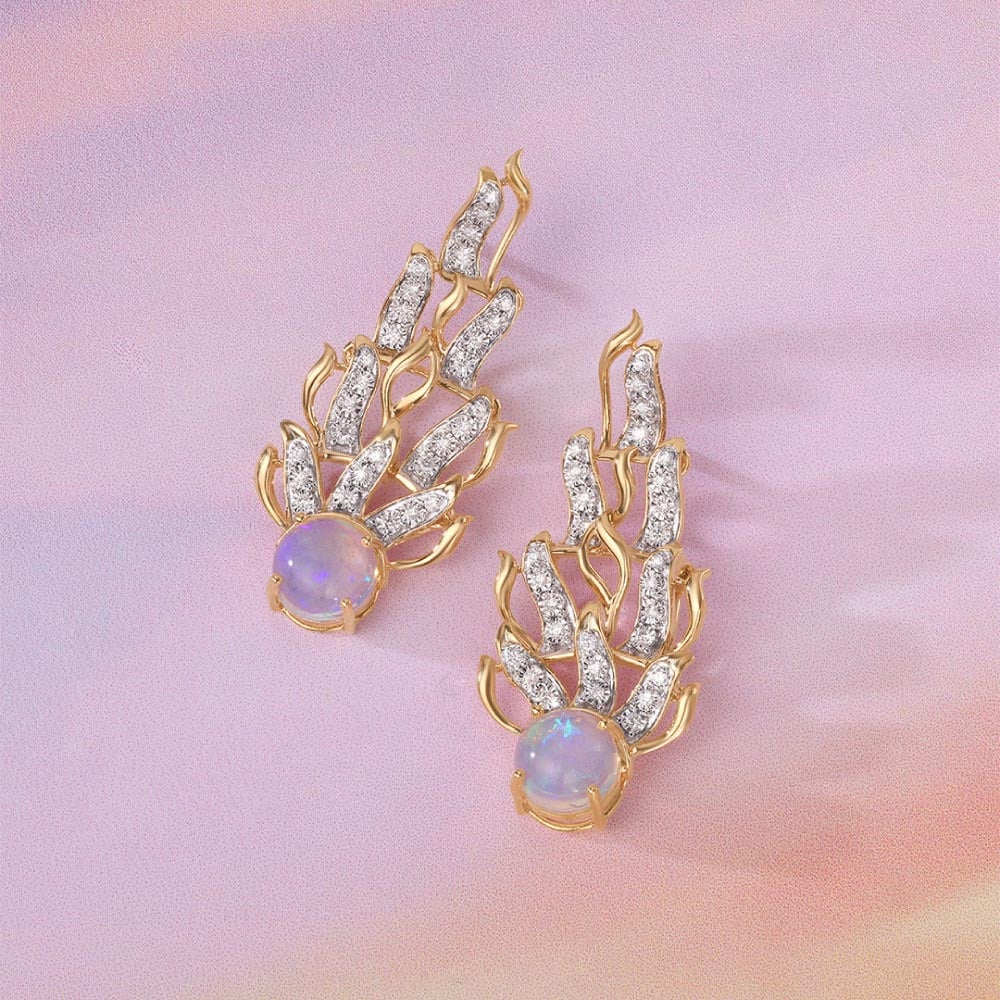
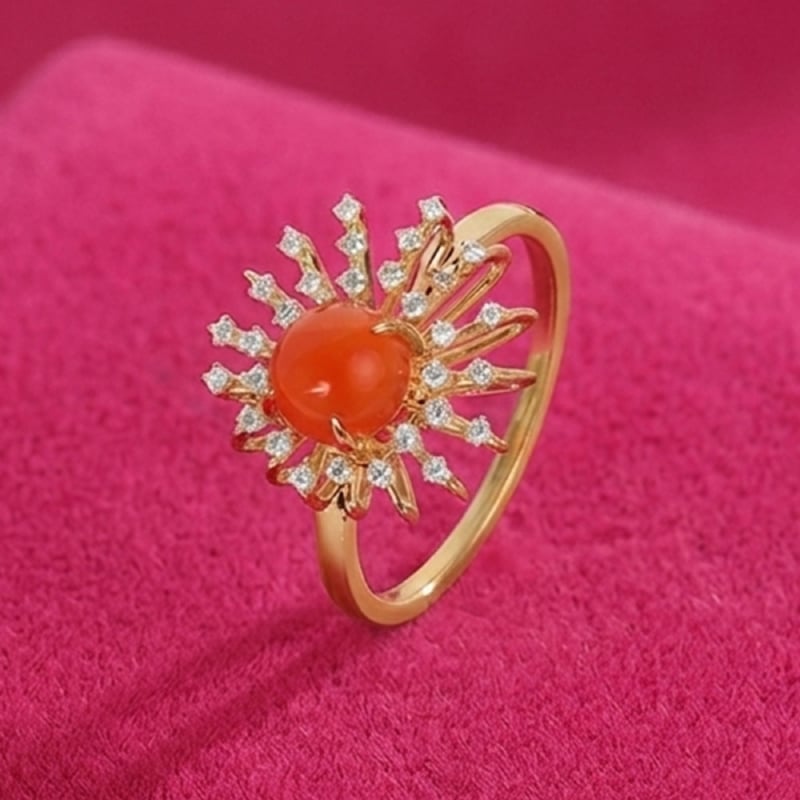
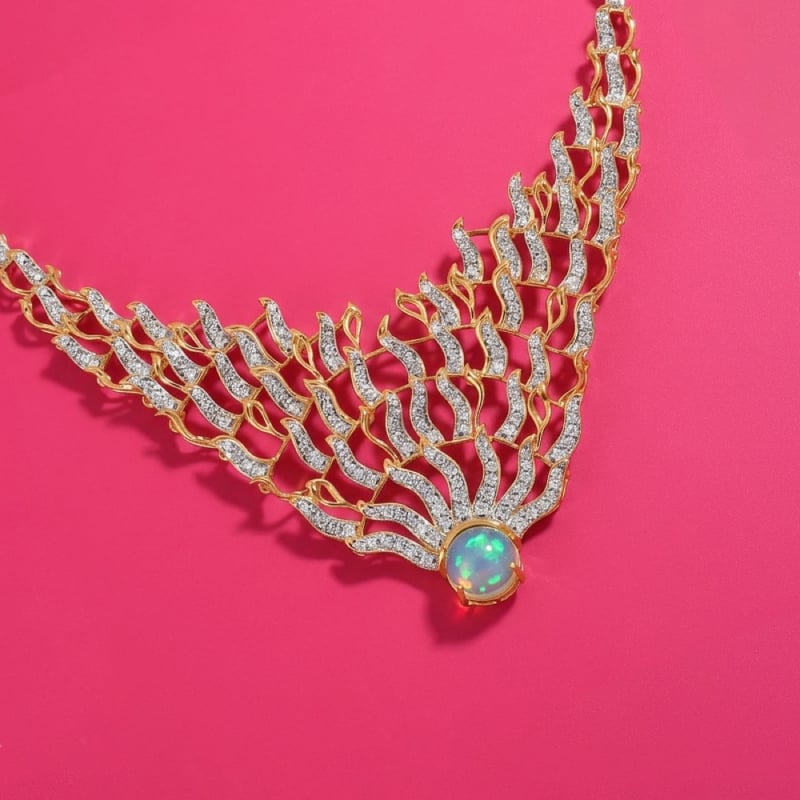
Ethiopian opals are being popularly used in the making of modern, everyday jewellery. They are especially gaining an audience with a marked affinity for modern vanity with features across necklaces, earrings, and rings. Perfectly suited to the summer palette, the opal's translucent and iridescent beauty makes it an iconic pick for brighter days.
Owing to how Ethiopian opals are more affordable compared to Australian alternatives, they’re preferred over the latter. At the same time, their honeycombed intricacies are particularly captivating, often transparent in appearance.
Known and loved for being hydrophane, they are prized for their unique, intense show of fiery patterns (observable in volcanic nodules).
Modern fashionistas are wearing opal jewellery not only to elevate their outfits but also to enhance their creative prowess and polish manifestation skills. The stones are associated with heart-centred healing and balancing emotions.
While the focus does revolve around unique fashion statements, the Gen-Zs long to approach styling with intent. Meaningful jewellery picks drive the generation to be more themselves; express without needing to be loud. Such gemstone picks perfectly convey the notions with associated underlying connotations.
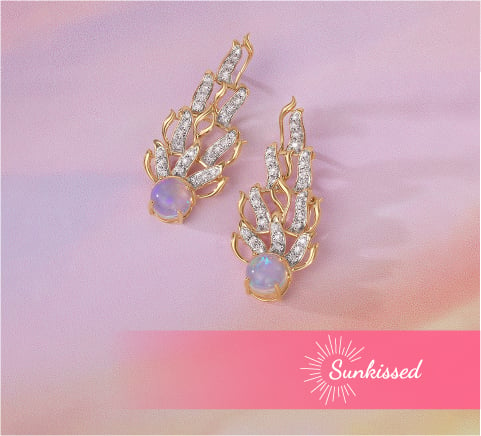
With us, at Mia by Tanishq, explore an innovative range of opal jewellery as a part of our spring-summer launch. Let your opal jewellery speak to you in terms of style and sentiment!
Final Word
Retaining its dazzling presence through generations, opal stones have rightfully earned their positions as ‘classic gemstones’. These gems are representative of all the notions that drive you to take your style and wellness journey in 2026 seriously.
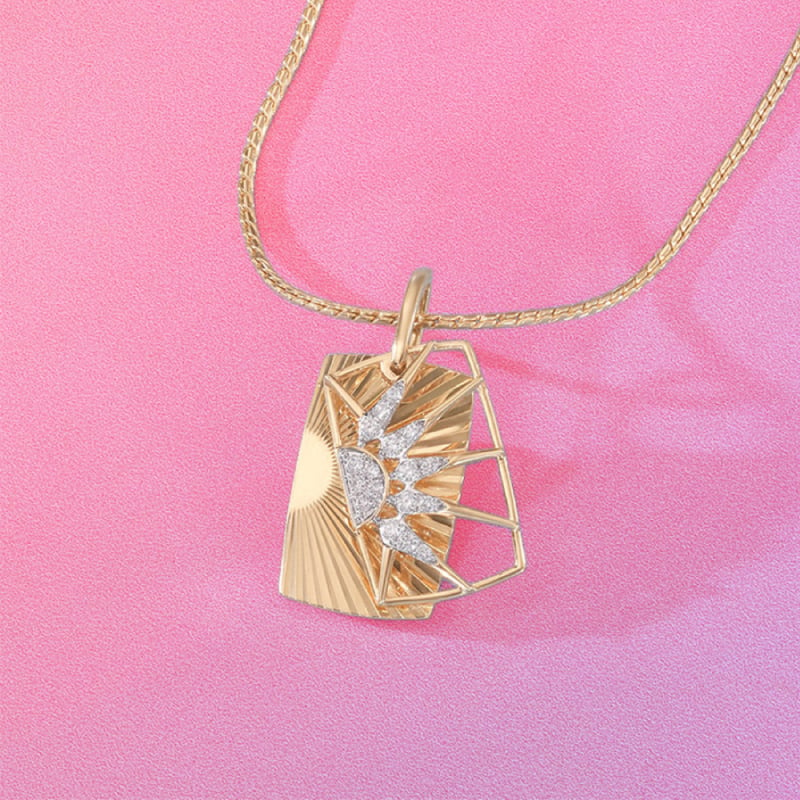
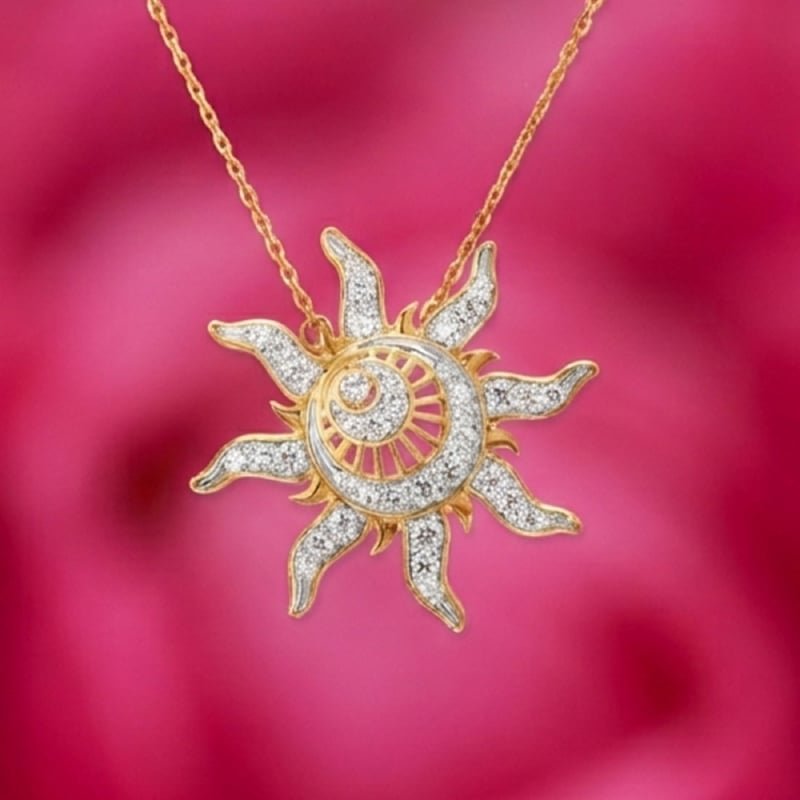
Choose a striking sun-inspired opal centre necklace, dramatic drop earrings, or whatever else calls to your glisten-yearning soul.
Make this summer all about rediscovering your unique shine, honouring your passions, and standing out without shy flinches. Tap into your summer goddess era by choosing ‘you’, and everything that brings you closer to the goal of authentically ‘doing you’!
Frequently Asked Questions
1. Are opals still considered to be unlucky?
No, opals are no longer considered to be unlucky. Baseless historical superstitions linked them to poor luck, a false belief particularly popularised by 19th-century literature and competitor diamond dealers. Currently, opals are rightfully celebrated as symbols of good fortune, hope and creativity.
2. Why are opals the October birthstones?
Opals are known as October birthstones owing to how their kaleidoscopic ‘play-of-colour’ mirrors the changing colours of autumn foliage. The American National Retail Jewellers Association officially designated this stone as the October birthstone in 1912, symbolising hope and inner radiance.
3. Can I pair opal jewellery with workwear?
Yes, you can pair your opal jewellery with workwear neutrals like white, beige, navy blue, or black bases. Their whimsical luminance shall serve as contrast to the structured fit of your office wear, emphasising your one-of-a-kind eye for style.
Stories you might also like




×