Get a Callback
We'll find it for you 💌
Obsessed with this piece? A Mia store expert will call you to help find it nearby.
You're all set!
A Mia store expert will call you shortly to help you find this piece at your nearest store.
Expect a call within 24 hoursDiscover similar or identical jewellery by uploading a picture.
Discover similar or identical jewellery by uploading a picture.
})
The file size should not exceed 5 MB
File size exceeds the limit

































 Blogs & Articles
- Home
- Blogs & Articles
- gold-jewellery-wastage-charges
23 Mar 2026

by Mia
23 Mar 2026
Read:
4 Mins
Spread the Fashion Love!


Be the first to see
Explore Mia’s latest jewellery collection, crafted to feel precious, every day!
The catalogue has been sent to you via email!
Be the first to see
Explore Mia’s latest jewellery collection, crafted to feel precious, every day!
The catalogue has been sent to you via email!
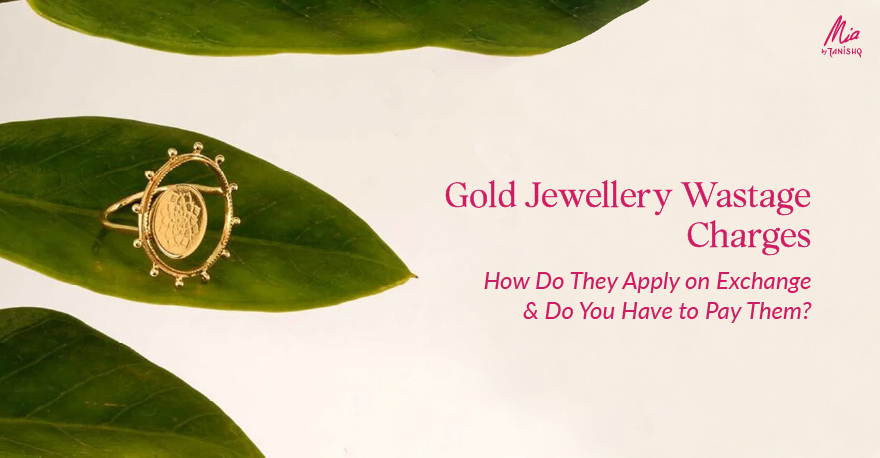

Gold Jewellery Wastage Charges: How Do They Apply on Exchange & Do You Have to Pay Them?
Wastage charges on gold jewellery exchange are typically categorised under ‘making charges’ or referred to as ‘craftsmanship fees’. These costs cover the price of gold lost at the time of melting, cutting or polishing.
The wastage fees typically range from 5% to 7% of the total gold weight. It's worth noting that the wastage fees shall be higher for more intricate patterns compared to minimalist, sleek designs.
Read on to find out all about the applicability of exchange gold jewellery wastage charges in India and whether or not you have to pay them separately.
Application & Buyers’ Obligations: What is Wastage in Gold Jewellery?
Did you know that the gold aesthetic that appeals to your senses so deeply now has been on a journey of its own? Yes, that’s indeed the case. And, it’s the buyers’ right to learn about the process of making their gold jewellery. It’s where the concept of wastage charges comes in.
When the gold jewellery pieces are crafted, craftsmen melt, cut and shape the precious metal to meet your standards for a modern, aesthetic vision. These procedures inevitably lead to gold waste as the perfect wearable art pieces are brought to life as masterful, long-lasting gleams.
Traditionally, jewellers kept a margin for the gold wastage amount, charged to buyers at a percentage that was included in the final product price.
Modern machine-made jewellery, too, has a wastage percentage to account for and a charge component in addition. Yet, they are comparatively more efficient with jewellery production, resulting in minimised gold wastage otherwise occurring from crafting designer jewels.
How Can I Minimise the Amount I Pay as Gold Exchange Wastage Fees?
If you’re looking for ways to minimise the gold jewellery wastage charges per gram, you’ll be required to strategically approach the shopping mission. You’ll have to pick certain types of designs & pre-plan the timing of your exchange.
Here are some tips on preparing for your gold exchange that’ll help you ideally save some bucks on wastage charges:
1. Opt for Minimalist Jewellery During the Exchange
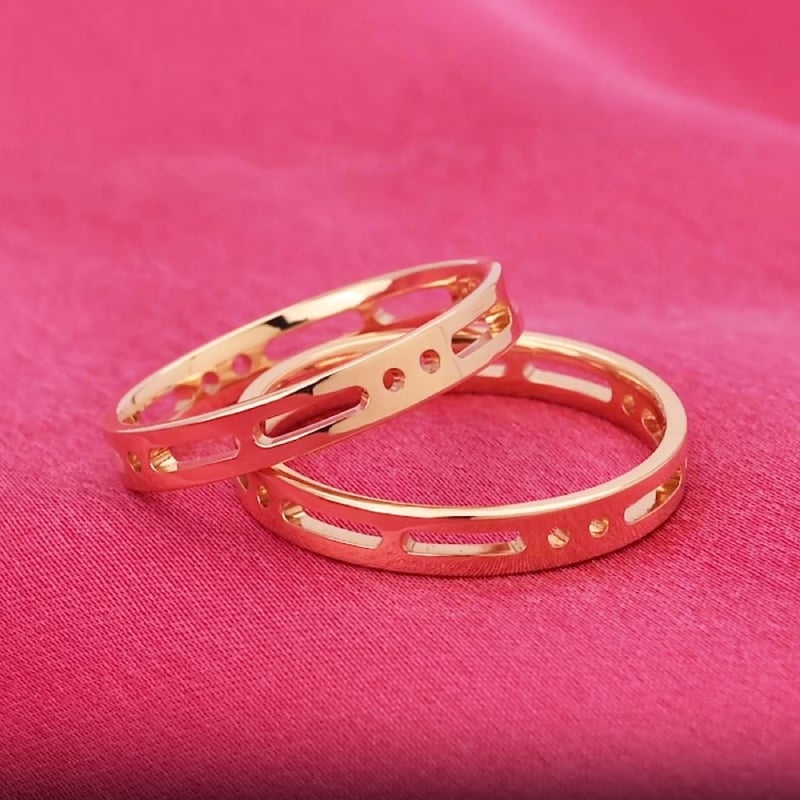
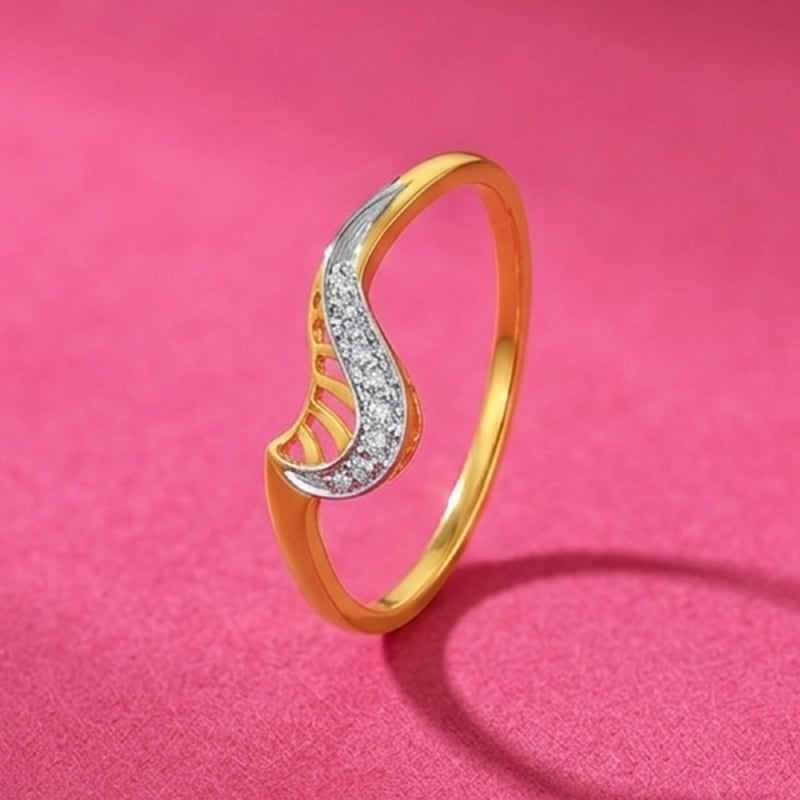
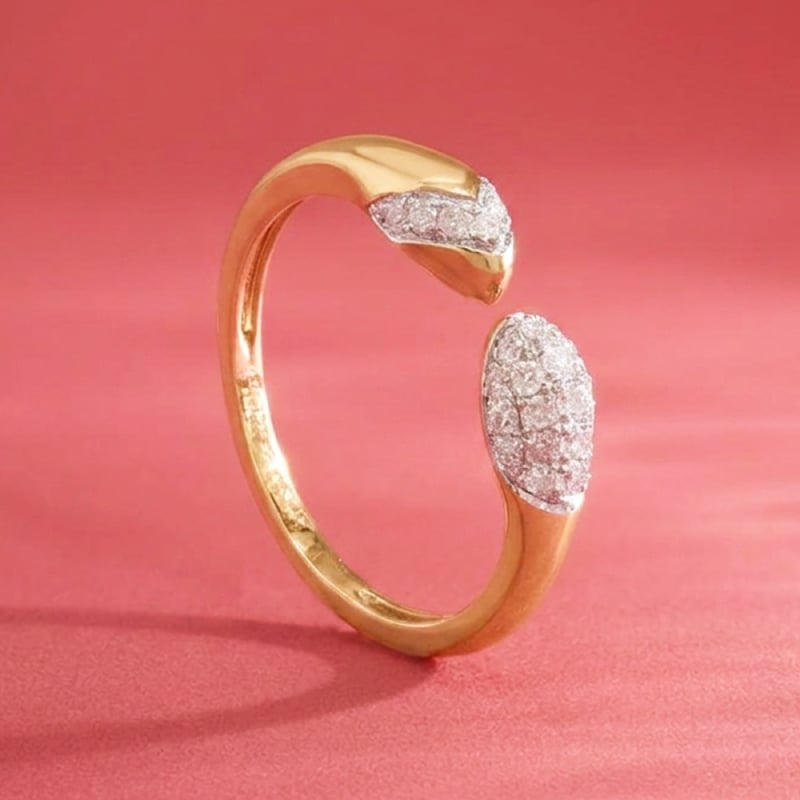
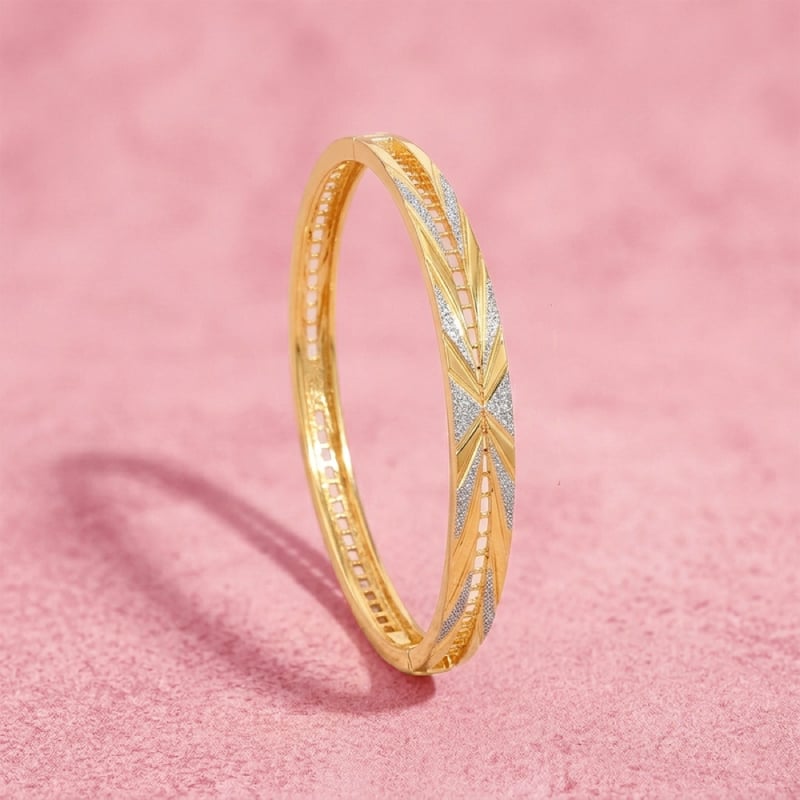
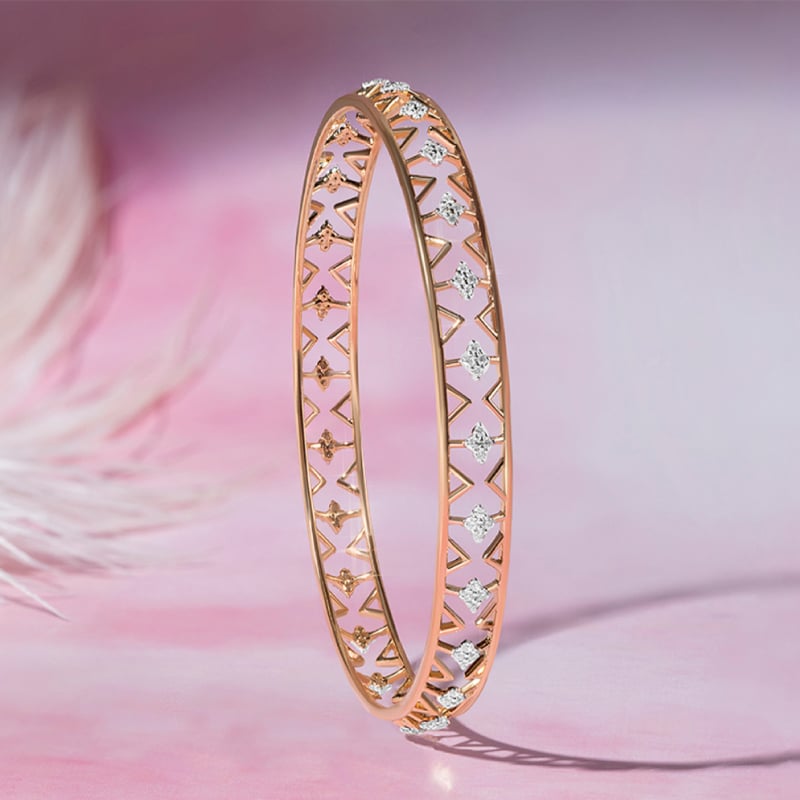
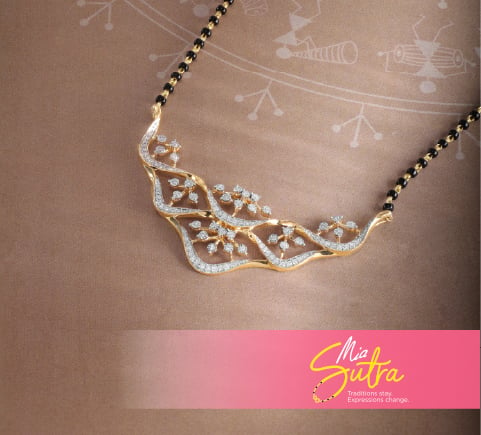
Intricate or antique jewellery typically necessitates extensive filing, cutting and polishing. This leads to higher wastage fees in most cases. Simple designs, on the other hand, like plain bangles and classic chains, are associated with significantly lower wastage.
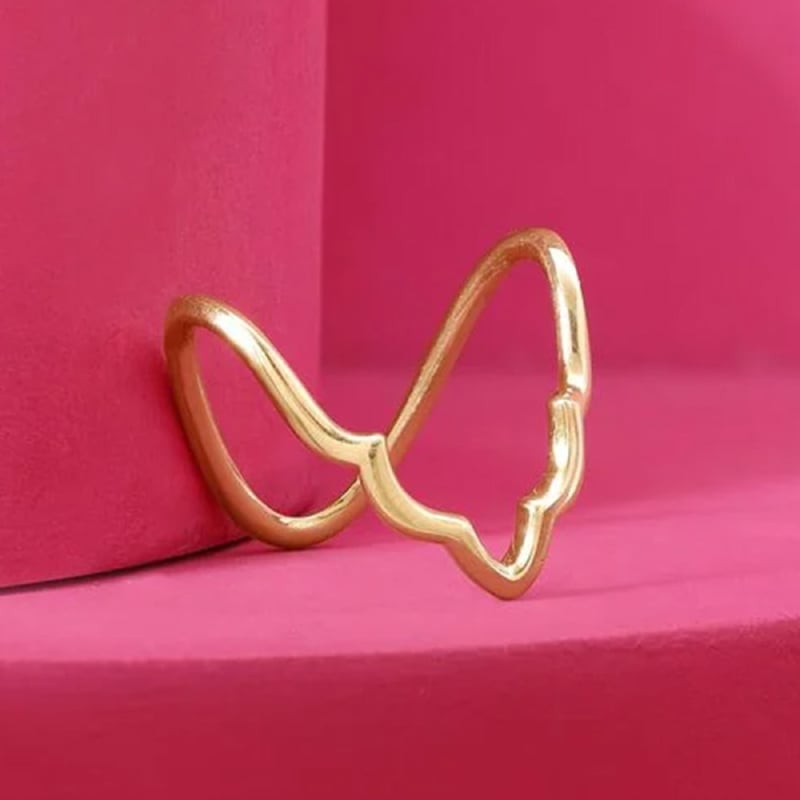
So, invest in minimalist jewellery that doesn't just provide high value for the buck, but is also incredibly versatile. They are perfect if you're looking for everyday appropriate jewellery for the office, campus, or to show up dazzling at spontaneous get-togethers.
2. Choose a Platform Offering Transparent Making Charges
When buying gold jewellery, it’s important to opt for a platform that offers transparent and reasonable making charges, including wastage fees. A clear breakdown of the gold price will help you make an informed choice.
Over here, at Mia by Tanishq, we offer stylish and versatile jewellery with some of the lowest making charges in the market. So, find your muse without worrying about the logistics. We’ve got your back with the latest styles and trends of 2026!
3. Plan Your Exchange During Sale
Make the most of the festive season offers on gold jewellery, where discounts on making charges often apply. Especially, during Indian festivals like Akshaya Tritiya, Dhanteras or certain ‘end of season’ times, special promotions with low/zero making/wastage charges pop up!
4. Opt for Gold Coins for Investment
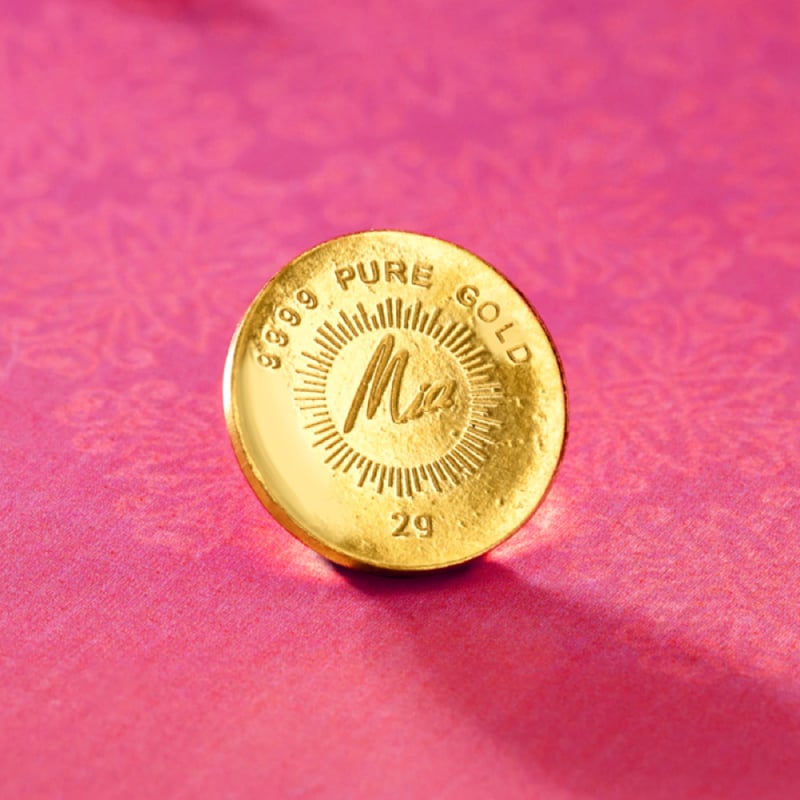
Are you shopping for gold solely to meet your investment goals? Then you can consider investing in gold coins instead of jewellery, as they are associated with negligible wastage charges.
With us, at Mia by Tanishq, you can opt for rare designs of gold coins to add to your collection. Later, you can also repurpose them as charms on jewellery to personalise your stacks!
How does the Calculation for Wastage Charges Works?
Here’s the formula used to calculate the wastage percentage of your gold product:
Wastage Percentage = (Initial Gold Weight − Final Jewellery Weight) ÷ Initial Weight of Gold × 100
Next, consider the formula used to calculate the final price of your gold item:
(Gold Rate x Weight) + Wastage Charges + Making Charges + GST (3%) = Final Price
Note: Find out whether the jeweller is charging a percentage of the total value of your gold product or a flat fee for each gram. A flat fee may be occasionally cheaper if you’re eyeing heavy jewellery pieces.
Final Word on Gold Jewellery Exchange Wastage Charges in India
Having a clear understanding of the gold jewellery wastage charges and how to calculate them allows buyers to avoid extra costs. Thus, one can protect oneself from cases of overpayment and gain long-term value.
It’s exactly what we prioritise here, at Mia by Tanishq! Explore gold jewellery that becomes not just an emotionally appealing adornment but a financially sound statement of style!
Frequently Asked Questions
1. Does gold purity impact wastage?
Gold purity considerably affects wastage, as softer gold is more difficult to manage at the time of jewellery crafting. Higher purity gold, like 22KT, bends easily, causing more loss in comparison to lower purity durable alloys.
2. Do wastage and making charges for gold jewellery add to the overall resale worth?
Gold wastage and making charges don’t add to the resale value, as buyers only pay for the actual gold weight and purity. Manufacturing losses will not be refunded. So, gold jewellery associated with higher charges is likely to yield lower returns at the time of resale.
3. What’s the difference between wastage and making charges for gold jewellery?
Gold-making charges consist of the labour costs that go into crafting jewellery. On the other hand, wastage charges cover the inevitable loss of gold during the manufacturing process. Making charges account for the craftsmanship and design; wastage compensates the value of the material that is lost in the process.
Stories you might also like




×