Get a Callback
We'll find it for you 💌
Obsessed with this piece? A Mia store expert will call you to help find it nearby.
You're all set!
A Mia store expert will call you shortly to help you find this piece at your nearest store.
Expect a call within 24 hoursDiscover similar or identical jewellery by uploading a picture.
Discover similar or identical jewellery by uploading a picture.
})
The file size should not exceed 5 MB
File size exceeds the limit




















 Blogs & Articles
- Home
- Blogs & Articles
- Diamond Price Trends & Cost Breakdown in India
25 Feb 2026

by Mia
25 Feb 2026
Read:
4 Mins
Spread the Fashion Love!


Be the first to see
Explore Mia’s latest jewellery collection, crafted to feel precious, every day!
The catalogue has been sent to you via email!
Be the first to see
Explore Mia’s latest jewellery collection, crafted to feel precious, every day!
The catalogue has been sent to you via email!
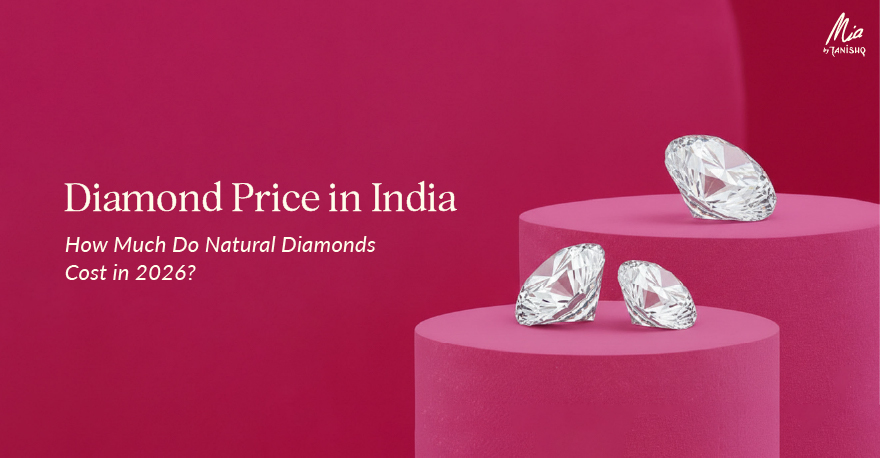

Diamond Price in India: How Much Do Natural Diamonds Cost in 2026?
As per the early 2026 industry insights and market trends, natural diamond prices in India are set to achieve stability by mid-2026. This essentially follows up on a period of volatility in 2024-2025.
The market is not witnessing that high-growth, price-surging 2021-2022 situation currently, but natural diamonds are expected to maintain their value proposition. This is going to be the case especially in the higher-end, certified categories.
This blog shall dig deeper into the factors affecting the diamond price, the impact on consumers and more.
What Are the Diamond Cost Trends in India?
Natural diamond costs are expected to bottom out in early 2026, achieving stability by the middle of the year. This will be a result of the supply-demand equilibrium, which is set to improve in the second half of the year.
Natural diamonds are expected to hold onto a price premium for high-clarity, exceptional-quality and larger stones, owing to their inherent rarity factor.
What is the Natural Diamond Price in India 2026?
Having an idea about the natural diamond prices in India 2026 can help you potentially avoid overspending. You can instead get your hands on a certified, high-quality diamond jewellery which aligns with the reason for your purchase.
Here's a quick look at the current market pricing trends:
Small Diamonds (ranging between 0.30 ct & 0.50 ct) Price: ₹40,000 - ₹1,20,000; these stones are perfect for small engagement rings or minimalistic jewellery.
1-carat Diamonds Price: ₹1.5 lakh - ₹7 lakh and above; they are the most in-demand gem sizes for engagement or wedding rings.
High-quality Diamonds (1.5 ct & beyond) Price: ₹₹7 lakh - ₹15 lakh & above; such diamonds are bigger, colourless and flawless, preferred by luxury enthusiasts.
How Does the Natural Diamond Price in India Vary Based on Jewellery Type?
The diamond price in India can greatly vary depending on the jewellery type you opt for. For example, you may be looking at solitaire rings, halo rings, diamond pendants, diamond nose pins, diamond earrings, etc. The price is bound to be different across the categories.
Here's an overall idea about the price ranges you'll be looking at for these diamond jewellery categories:
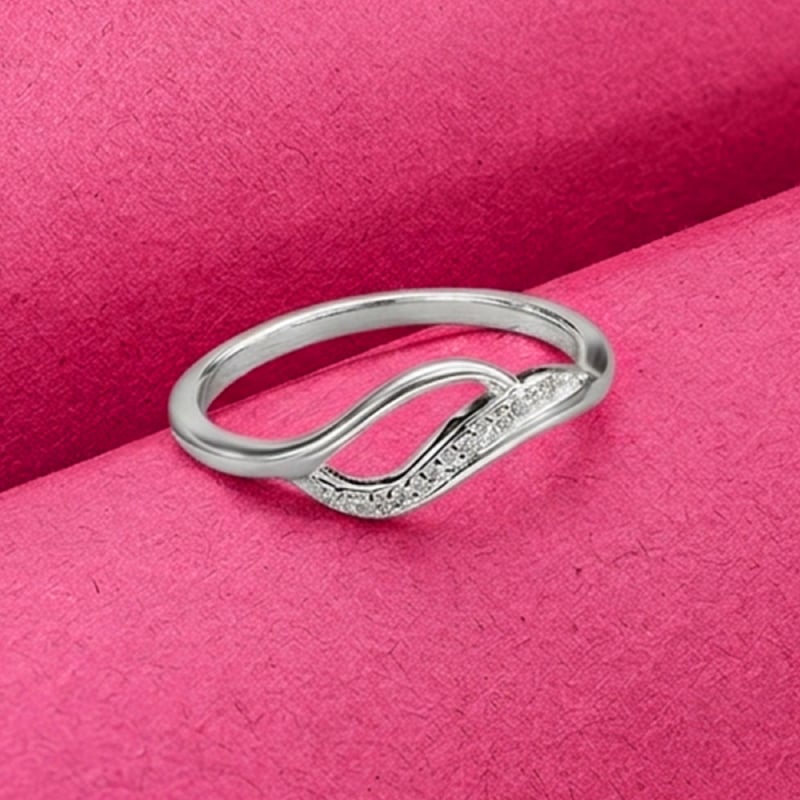
1. Solitaire Rings: ₹55,000 - ₹1,50,000; perfect for proposals or creating minimalistic stacks featuring trendy designs.
2. Halo Rings: ₹15,000 - ₹70,000; popularly opted for in the form of engagement rings or statement jewellery.
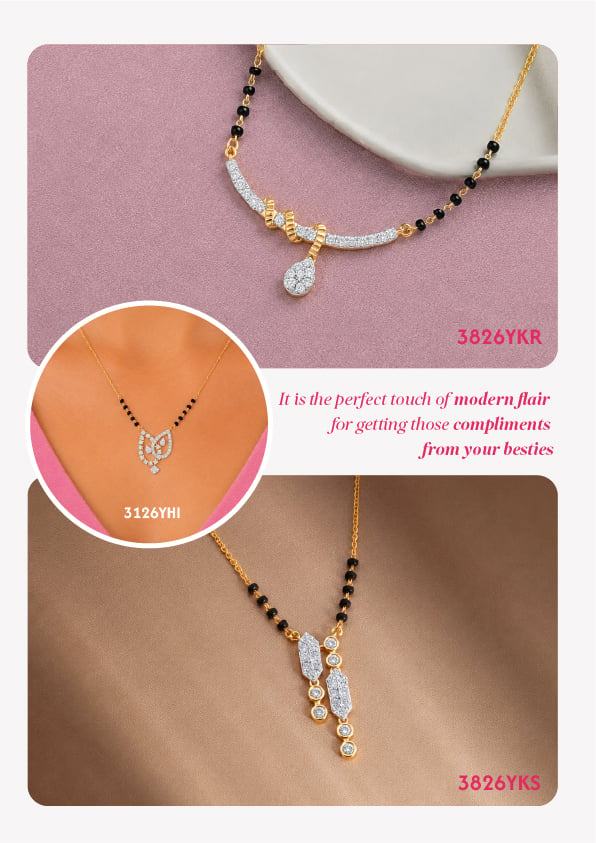
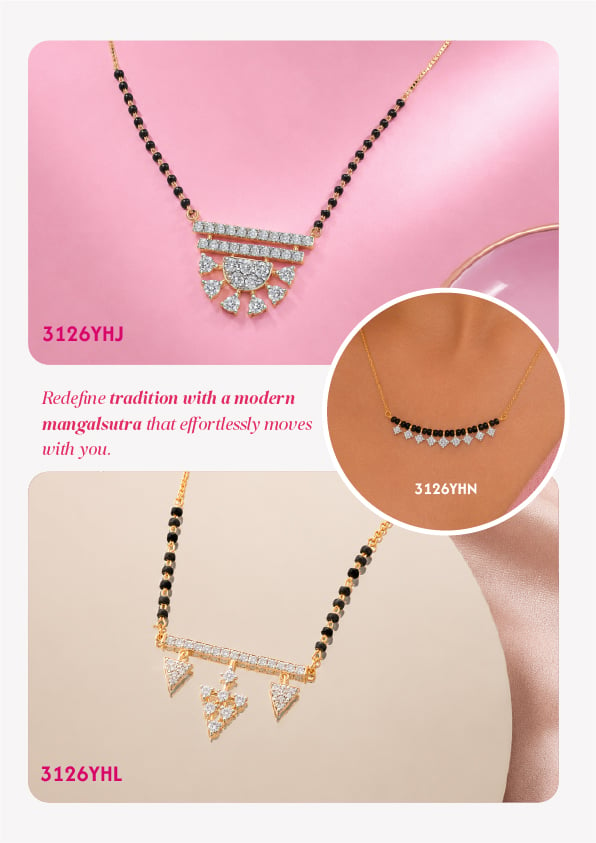
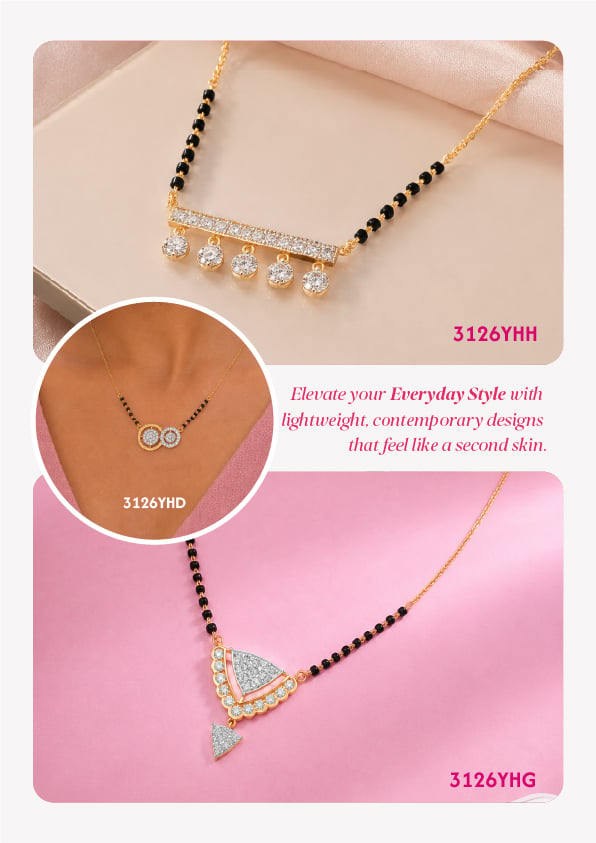
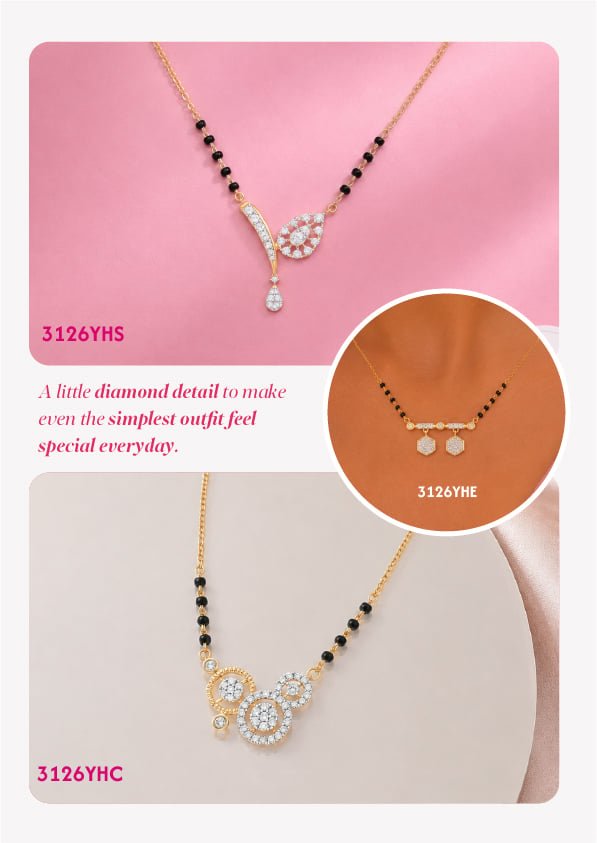
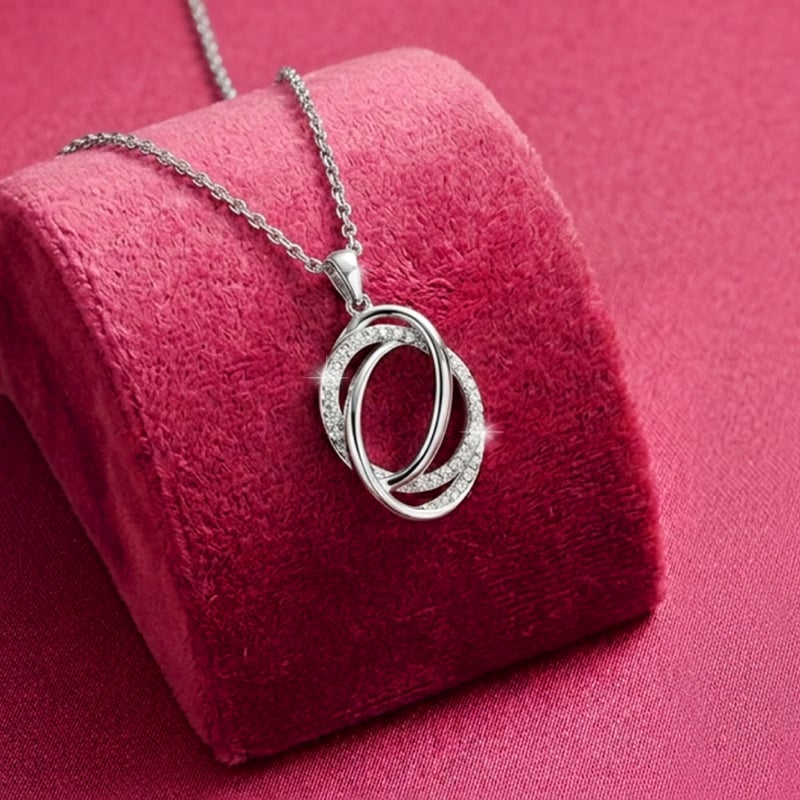
3. Diamond Pendants: ₹11,000 - ₹2,00,000; the designs range from subtle sparkling numbers for everyday to extravagant, bold patterns for elite occasions.
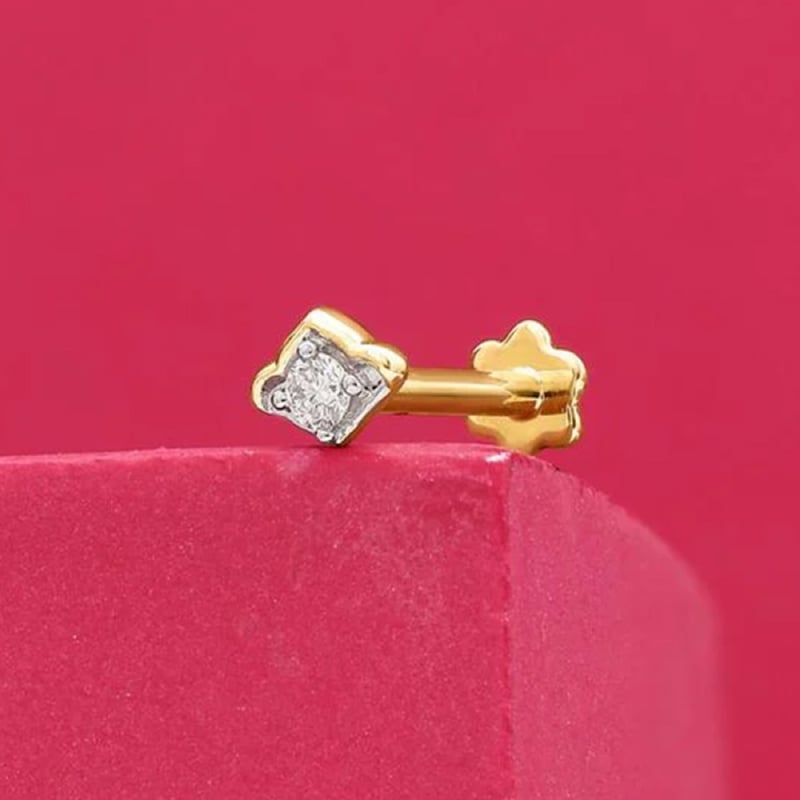
4. Diamond Nose Pins: ₹7,000 - ₹33,000; they are perfect for everyday wear and are particularly 'in' with individuals who love edgy or 'desi' fashion.
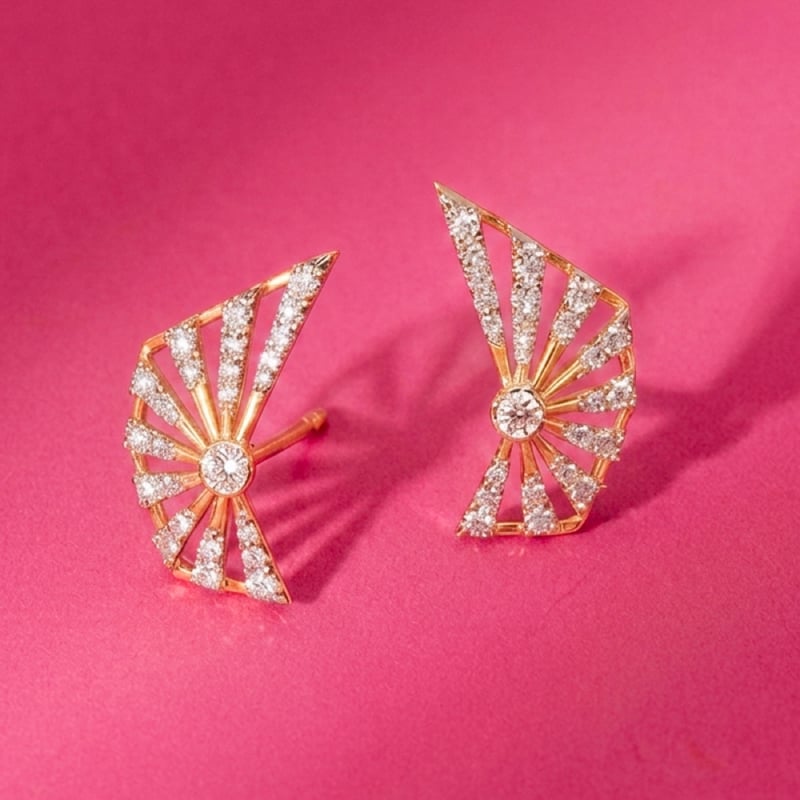
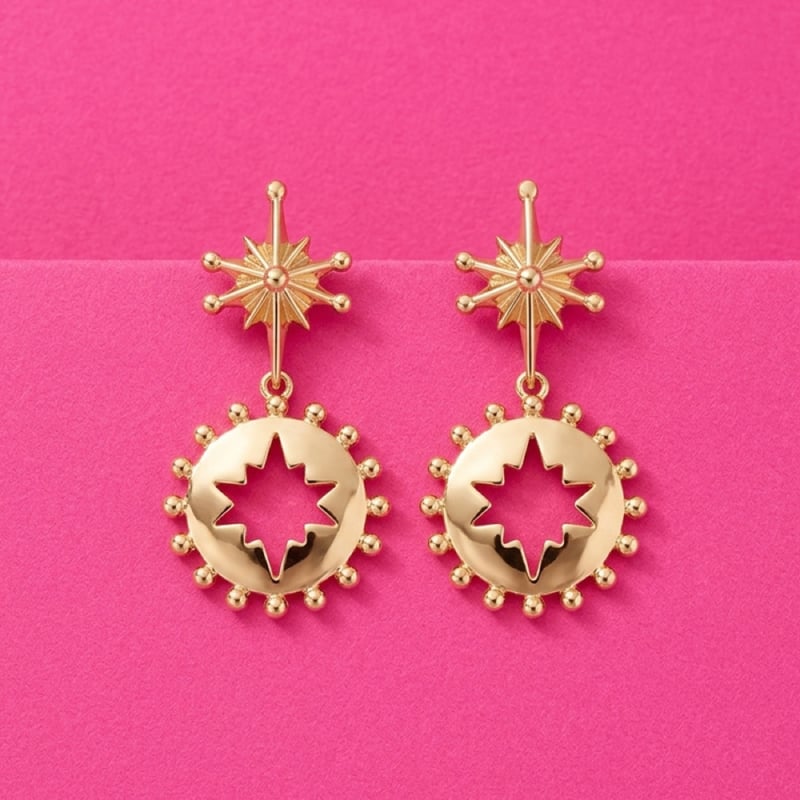
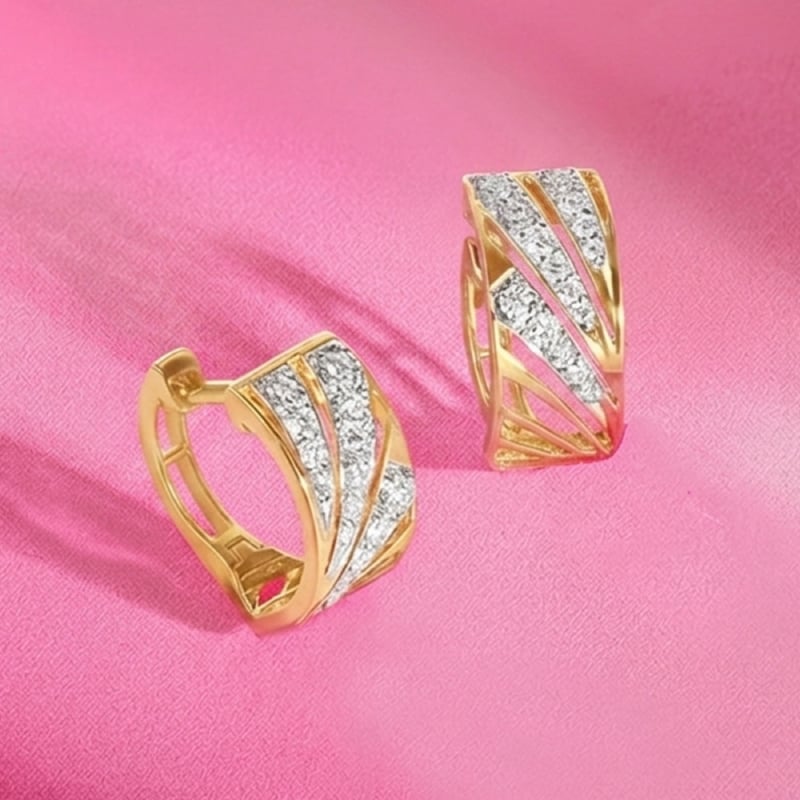
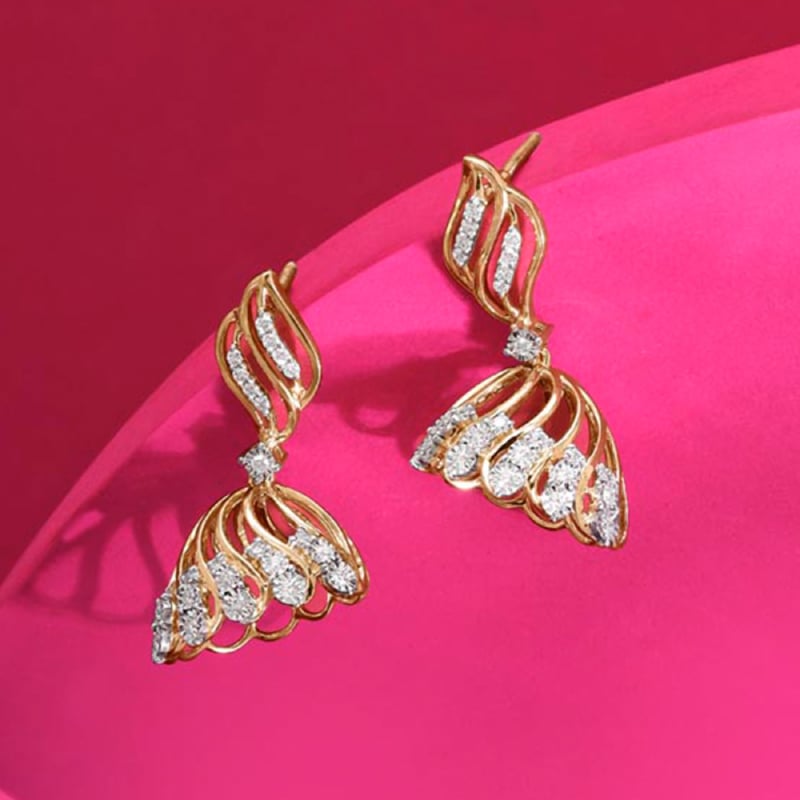
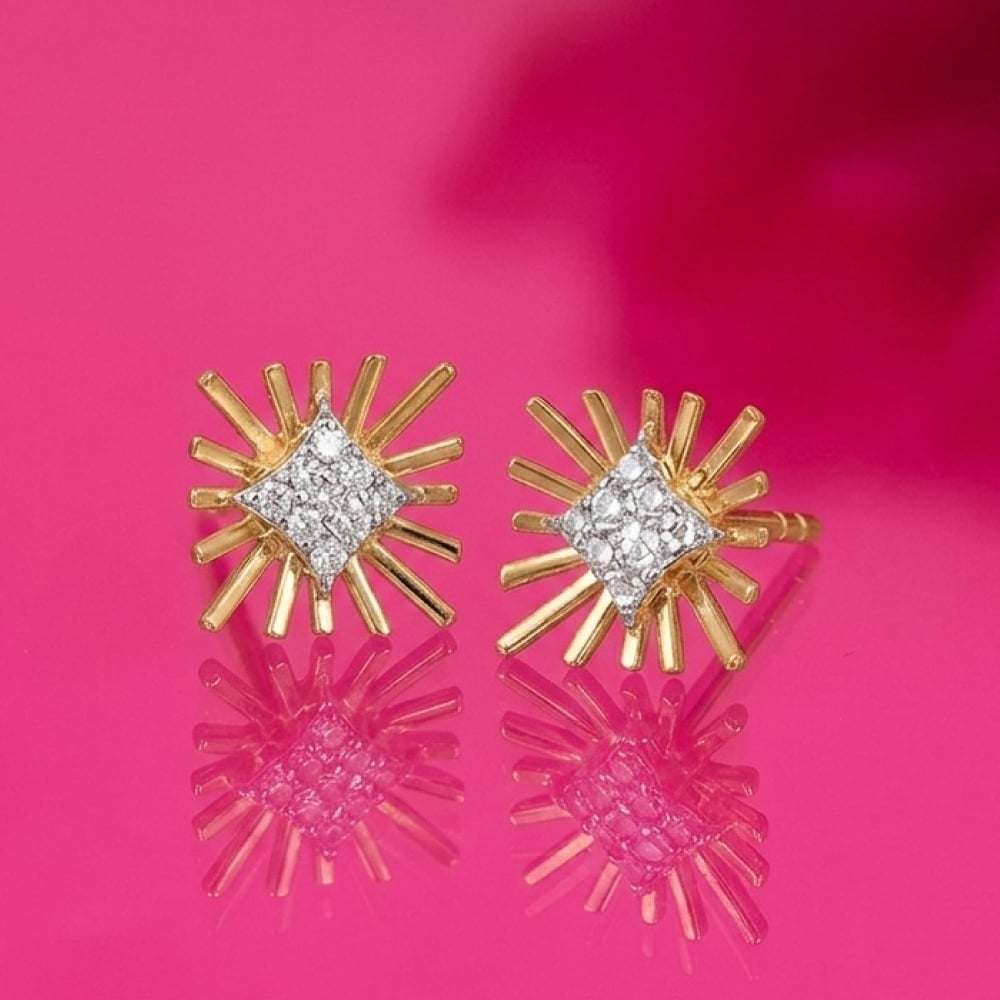
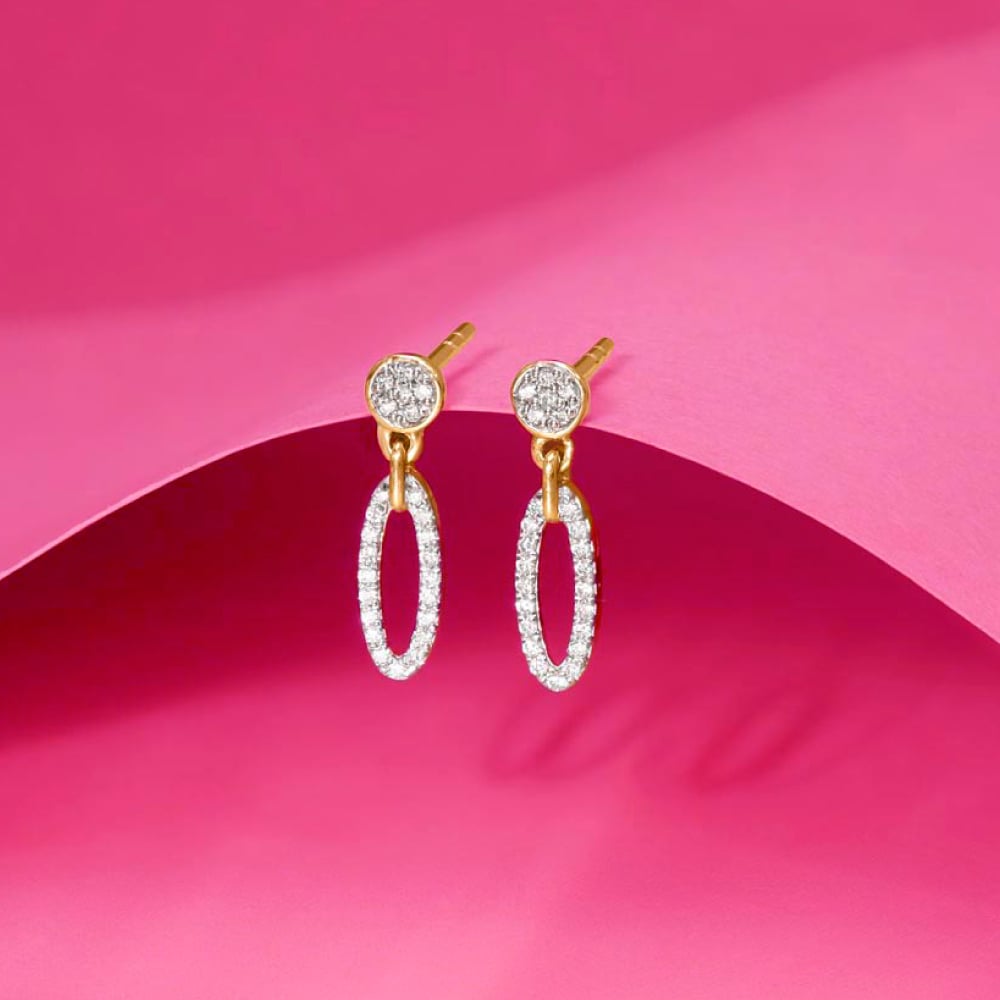
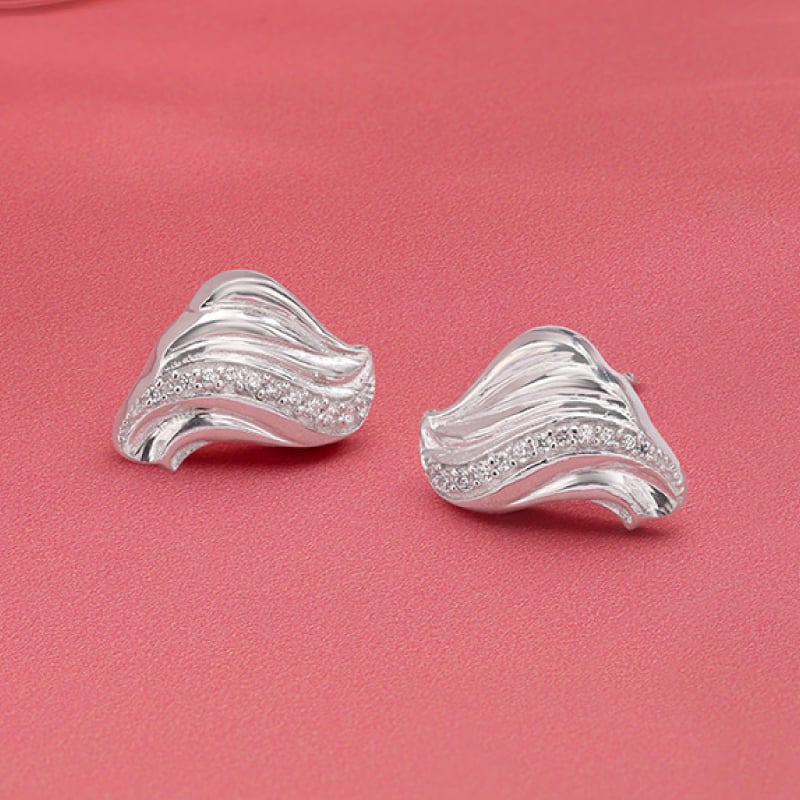
5. Diamond Earrings: ₹6,000 - ₹2,00,000 & above; opt for stud, hoop or drop variants of diamond earrings based on which one suits your lifestyle the most.
What are the Key Factors Influencing the Diamond Prices in India, 2026?
Key factors impacting diamond prices in India include the classic 4Cs, increased demand from India's growing Tier 2/3 cities and the consumer focus on ethics/story. Further, market demand changes, global economic health, supply chain disruptions and tech trends shall also shape a market driven by cultural significance.
Here are the key factors affecting diamond price in India:
1. The 4Cs
The 4Cs of diamonds indicate the carat, cut, clarity and colour. These are the primary determinants of natural diamond prices in India. Here's what each subcategory denotes:
Carat Weight: It denotes the diamond weight, which directly influences the pricing. Bigger diamonds are more expensive. However, it's worth considering how a 0.90-carat diamond will offer very similar visuals to a 1-carat diamond. However, the former are way more budget-friendly.
Cut: A precisely-cut diamond reflects light intensely, levelling up the brilliant, sparkling effect. Diamonds featuring premium cuts naturally cost more, which results in a rise in the natural diamond jewellery price tag.
Clarity: Fewer inclusions (VS1/SI1) in diamonds are considered to be more valuable. A diamond bearing a little lower clarity, though, shall look equally stunning but be less costly.
Colour: The category of colourless diamonds (D-F) is the most expensive one. On the other hand, near-colourless diamonds (G-H) also offer excellent value without the visible proof of any colour differences.
2. Choice of Base Metal
The type of gold metal (18K, 14K, 9K) used in the jewellery setting shall have an impact on the natural diamond price. Here are the options you can choose:
18K Gold: 18K gold is a rich-coloured, durable and premium base associated with a higher price tag. It comes with sustained long-term value.
14K Gold: Sturdy and perfect for everyday wear, 14K gold and diamond jewellery pieces are moderately priced. This is the most popular option among fashion-enthusiasts.
9K Gold: 9K gold jewellery options are stylish and modern, the most affordable and durable among the lot. If you've got a very active lifestyle, 9K gold diamond picks are perfect for you.
3. Changes in the Overall Market Demand
Diamond's demand in India and globally is typically in an evolving state, even though it's predicted to reach a stable state in 2026. In particular, sustained preference for engagement rings, jewellery for everyday wear, and investment stones contribute to this conclusion.
High-quality diamonds across in-demand cuts/sizes (like 1-2 carat) are going to see continued demand. This will essentially lead to the prices stabilising this year or even rising ever so slightly.
4. Disruptions in the Supply Chain
Diamond mining and distribution continue to face challenges in recent years. Issues have mainly to do with logistics and geopolitical tensions. Disruptions like reduced output from major mines shall cause noticeable spikes in rates. Improvement in mining efficiency or latest discoveries can possibly lead to moderate growth in prices.
5. Inflation & Currency Exchange Rates
Diamonds are traded globally, and this makes the fluctuation in currency a significant cause of impact. If the local currency in respective countries weakens against the dollar, diamond rates shall see a rise. However, strong currencies are likely to make the imports more budget-friendly.
Economic uncertainty and inflation in general also have an impact on the consumer's buying behaviour. This, in turn, affects the short-term price changes.
6. Investment Trends
In 2026, diamonds are popularly being viewed as an alternative investment option. Individuals who have high net worth and collectors often drive demand for certain rare gems.
There's also something called 'speculative buying' (buying to gain profit from short-term changes in rates), which can inflate the diamond price in the short term. This shall especially be the case for rare colours like fancy vivid pinks/blues or 'flawless' clarity gemstones.
7. New Innovations in Tech
The lab-grown diamonds are cheaper alternatives to natural diamonds, similar in terms of appearance to the real deal. Innovations in terms of grading and certification have also led to more market transparency. As buyers view these options with a lenient eye now, it has impacted the pricing for natural and lab-grown diamonds.
However, the rare and emotional aspects of natural diamonds still guarantee their top stature. Plus, when it comes to resale values, natural diamonds are wiser picks as lab-grown diamonds have no long-term value.
Jewellery apps equipped with high-tech, actionable features and AI-driven tools for pricing are also assisting consumers in making more informed buying decisions. This has further led to an increase in diamond price transparency, stabilising the markets in 202
8. Overall Consumer Behaviour & Trends Within the Jewellery Industry
Other factors impacting the consumer's buying habits include sustainability and ethical sourcing efforts. With more mindful awareness about the environmental impact of purchases, consumers are pushing for ethically sourced natural diamonds.
Trends within the fashion jewellery industry are experimenting with coloured diamonds and settings featuring a mix of metals. This has an influence on diamonds retaining higher costs. For instance, the demand for smaller yet brighter-coloured diamonds shall rise with fashion trends shifting towards striking and dainty patterns.
How Can I Save Money When Shopping for Natural Diamond Jewellery in India?
You can save money while purchasing natural diamond jewellery in India by smartly leveraging the insider industry knowledge. These involve making strategic compromises on the 4Cs, including cut, clarity, colour & carat.
As diamond costs are driven by rarity and subjective valuation, look for stunning, eye-clean stones for significant deals. These would not be available on perfectly flawless gems.
Here are the key strategies to saving money on natural diamond shopping in India:
1. Select Stones Just Under the Full Carats
Choosing a 0.9-carat diamond rather than a 1-carat diamond can help you save bucks without compromising on its sparkly appearance, even a little bit.
2. Choose G-H Colour & VS1/SI1 Clarity
You can get the best sparkling value on your investment, maintaining beauty and intense brilliance at a lower diamond cost.
3. Compare with Different Vendors
Make sure to check for certification as well as the policies for return/buy-back for different vendors. Find the best deal for your budget, but avoid offers that might look too good to be real (oftentimes, they aren't).
Our TATA-entrusted brand, Mia by Tanishq, is a dependable one-stop destination for all your shining needs. With us, you can skip this step altogether!
4. Setting-Based Negotiation
The metal as well as the design have an influence on the total diamond price. You can opt for a 14KT or 9KT (less expensive compared to 18KT) gold base metal diamond jewellery option.
It's also worth checking with the brand whether they offer alternative base metal options for specific designs. This can be key if you've already set your heart on an 18KT gold and diamond jewellery piece.
How Are Consumers Reacting to Diamond Price Changes in 2026?
The consumer's reaction to diamond cost changes is going to be marked by heightened selectivity, sensitivity to price and a strong re-direction toward diamond values. This shall be driven by economic pressures in general, which happens to be a tale as old as time.
Yes, natural diamond prices for high-quality, larger stones (1.20+ carat) are predicted to show a degree of stabilisation. But consumers are overall going to keep navigating the market to find more "sparkle" within their budget.
Here’s the general approach of the consumers of diamond jewellery, summarised:
More Value, Quality Guaranteed:
With the prices stabilising as we further step into 2026, consumers can focus on purchasing better quality, certified, and "eye-clean" diamonds (VS1-VS2). They don’t have to settle for the lower-priced, compromised-quality gems instead.
Increased Demand for Customisation:
A noticeably stronger preference for customised and high-end branded, designer jewellery shall be seen.
Noticing the Retained Resale Value:
The natural diamonds are going to hold onto the higher resale value in comparison to the cheap lab-grown alternatives. This shall play a part alongside the rare value of natural diamonds in maintaining the superiority of natural diamonds for decades to come.
Final Word
Natural diamonds are essentially lifelong investments in shine and iconic symbols of heartfelt emotions. The diamond price in India is based on several factors, like the carat size, cut, clarity, colour, metal choice, fluctuations in market demand, investment trends, etc.
With a better idea about the relevant market trends, you can confidently choose a diamond balancing value, aesthetics and cost.
Explore a wide range of diamond jewellery with us at Mia by Tanishq to find beauty that lasts, and a sparkle that retains its value. From modern jewellery designs to meaningful pieces, you’ll find it all here with specifications made as clear as day!
| Features | Natural Diamonds in the Indian Market: Trends in 2026 |
|---|---|
| Overall Price Trend | Stable post corrections; premium owing to the rarity factor |
| 1 Carat Diamond Price | ₹1.5 lakh - ₹7 lakh and above, depending on the quality, which also takes into account the cut, colour and clarity |
| Main Demand Driver | Strong in India, thanks to popularity in the bridal segment and high-income growth |
| Key Competition | Pressure from 60-70% lesser priced lab-grown alternatives |
| Resale Value | High and especially so for certified gems |
Frequently Asked Questions
1. Can I buy a real diamond ring under ₹1 lakh?
Yes, you can opt for smaller diamonds (ranging between 0.3-0.5 ct) for your diamond ring under ₹1 lakh. With us, at Mia by Tanishq, high-quality and stylish diamond engagement rings are priced as low as ₹22,000!
2. Do natural diamonds in India have resale value?
Yes, certified natural diamonds like the ones embedded in our jewellery at Mia by Tanishq, retain high resale value in India.
3. How do cut, clarity and colour impact the natural diamond cost?
The cut, clarity and colour factors significantly impact the diamond prices in India. Specifically, precise cuts, colourless diamonds and flawless clarity are in high demand. They are naturally expensive, while the near-colourless and slightly-included stones open up scope for savings, offering the same intense visuals.
Stories you might also like




×