Get a Callback
We'll find it for you 💌
Obsessed with this piece? A Mia store expert will call you to help find it nearby.
You're all set!
A Mia store expert will call you shortly to help you find this piece at your nearest store.
Expect a call within 24 hoursDiscover similar or identical jewellery by uploading a picture.
Discover similar or identical jewellery by uploading a picture.
})
The file size should not exceed 5 MB
File size exceeds the limit

















 Blogs & Articles
- Home
- Blogs & Articles
- Classic Indian Jewellery Guide
8 Jul 2026

by Mia
8 Jul 2026
Read:
4 Mins
Spread the Fashion Love!


Be the first to see
Explore Mia’s latest jewellery collection, crafted to feel precious, every day!
The catalogue has been sent to you via email!
Be the first to see
Explore Mia’s latest jewellery collection, crafted to feel precious, every day!
The catalogue has been sent to you via email!
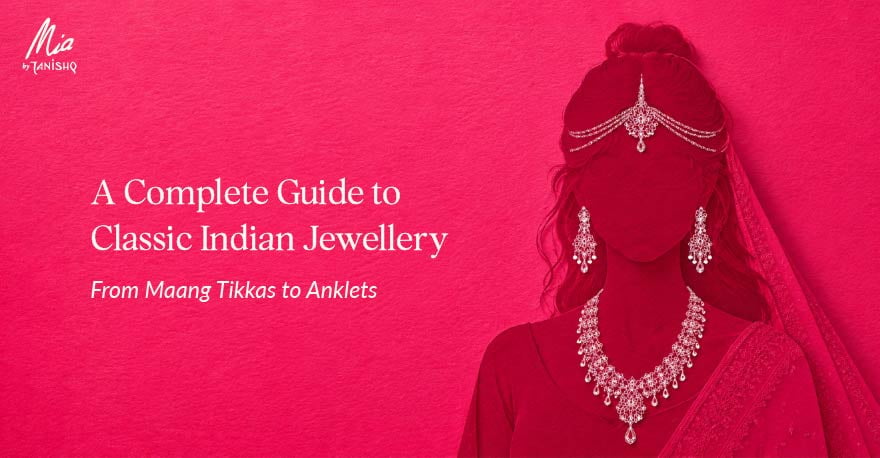

A Complete Guide to Classic Indian Jewellery: From Maang Tikkas to Anklets
Do you often get taken aback by the breath-snatching beauty of classic Indian jewellery your mom and grandma have collected over the years?
We understand that you now want to curate a versatile selection of such timeless jewels on your own! So indulge in a tour of the majestic classic Indian jewellery line-up, loved and adorned head-to-toe by women across generations.
This set of traditional jewellery was worn by brides or ladies at the time of festivals. They layered on glistening accents, starting from the maang tikka at the hairline to the payal or anklet at the feet!
Read on to learn more about the types of Indian jewellery and how modern women are styling them in 2026!
From Ancient to Modern Fashion: Classic Indian Jewellery Styles Defining the Eras
Classic Indian jewellery styles hold deep cultural significance, symbolising marital status (like through the mangalsutra or bichua), regional identity, and abundance. However, these were essentially elaborate in terms of style back in the day; they have been given fresh looks. They fit the modern aesthetic-led vision and the standard for comfortable, long wear.
Here are the different classic Indian jewellery styles that continue to mesmerise and make a statement in 2026:
1. Head & Forehead
 * Maang Tikka
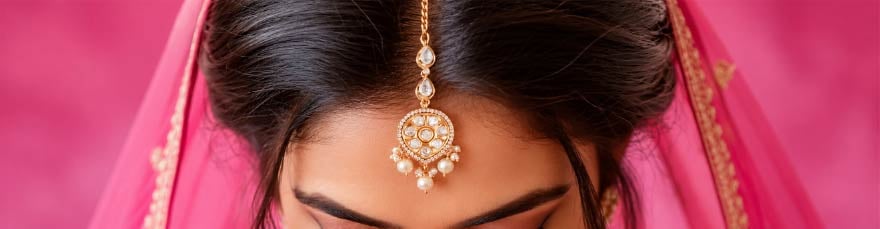
The maang tikka forms a quintessential part of the Indian bride's wedding ensemble.
Worn at the hair's centre parting region, this dainty jewel serves as a powerful symbol of spiritual and marital union; the love one shares with their partner and condition-free commitment. It's also believed to ward off negativity and fetch good vibes, protecting the bride from evil spirits.
* Matha Patti
The matha patti stands out like a showstopper in any scene. This embellished forehead band is typically crafted from gold and embedded with gemstones like diamonds, pearls, etc. It frames the face perfectly and adds a touch of fluid grace to the look.
The matha patti was traditionally adorned by married women as a glamorous way to elevate their looks, highlighting their features. It continues to be a statement wedding jewellery, just in minimalist yet intricate forms.
* Jhoomer
The jhoomar strikes as a stunning fusion of Mughal glam and the old desi charm. Popularised by the Mughals, this headpiece is a Punjabi ‘favourite’, adorned by brides and young, budding fashionistas.
This dazzling piece helped elevate women's ensembles during festivals and ceremonies. The intricate embroidery and mirrorwork are enthralling; the overall jewellery piece is a true spotlight-hogger at special occasions!
2. Hair & Locks
* Maang Tikka
The maang tikka forms a quintessential part of the Indian bride's wedding ensemble.
Worn at the hair's centre parting region, this dainty jewel serves as a powerful symbol of spiritual and marital union; the love one shares with their partner and condition-free commitment. It's also believed to ward off negativity and fetch good vibes, protecting the bride from evil spirits.
* Matha Patti
The matha patti stands out like a showstopper in any scene. This embellished forehead band is typically crafted from gold and embedded with gemstones like diamonds, pearls, etc. It frames the face perfectly and adds a touch of fluid grace to the look.
The matha patti was traditionally adorned by married women as a glamorous way to elevate their looks, highlighting their features. It continues to be a statement wedding jewellery, just in minimalist yet intricate forms.
* Jhoomer
The jhoomar strikes as a stunning fusion of Mughal glam and the old desi charm. Popularised by the Mughals, this headpiece is a Punjabi ‘favourite’, adorned by brides and young, budding fashionistas.
This dazzling piece helped elevate women's ensembles during festivals and ceremonies. The intricate embroidery and mirrorwork are enthralling; the overall jewellery piece is a true spotlight-hogger at special occasions!
2. Hair & Locks
 * Jadanagam
It showcases a statement blend of tradition and timeless allure. This South Indian hair accessory is crafted using gold threads and gemstones, serving as an aesthetic and social symbol of marital status.
In the modern era, this jewellery piece goes beyond traditional symbolic appeal, further serving as a mode of ethnic style elevation. The jadanagam adds a touch of sophistication and highlights the wearer's luscious hair tied into a braid.
3. Ears
* Jadanagam
It showcases a statement blend of tradition and timeless allure. This South Indian hair accessory is crafted using gold threads and gemstones, serving as an aesthetic and social symbol of marital status.
In the modern era, this jewellery piece goes beyond traditional symbolic appeal, further serving as a mode of ethnic style elevation. The jadanagam adds a touch of sophistication and highlights the wearer's luscious hair tied into a braid.
3. Ears
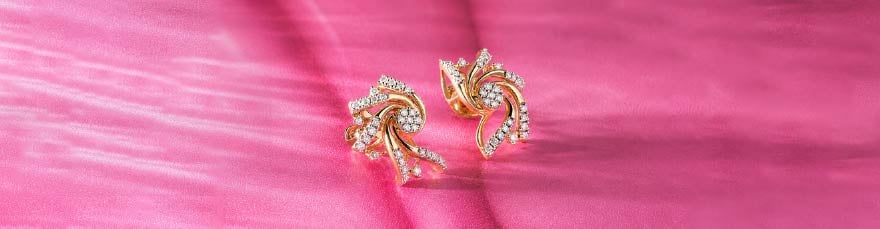 * Studs, Hoops & Drops
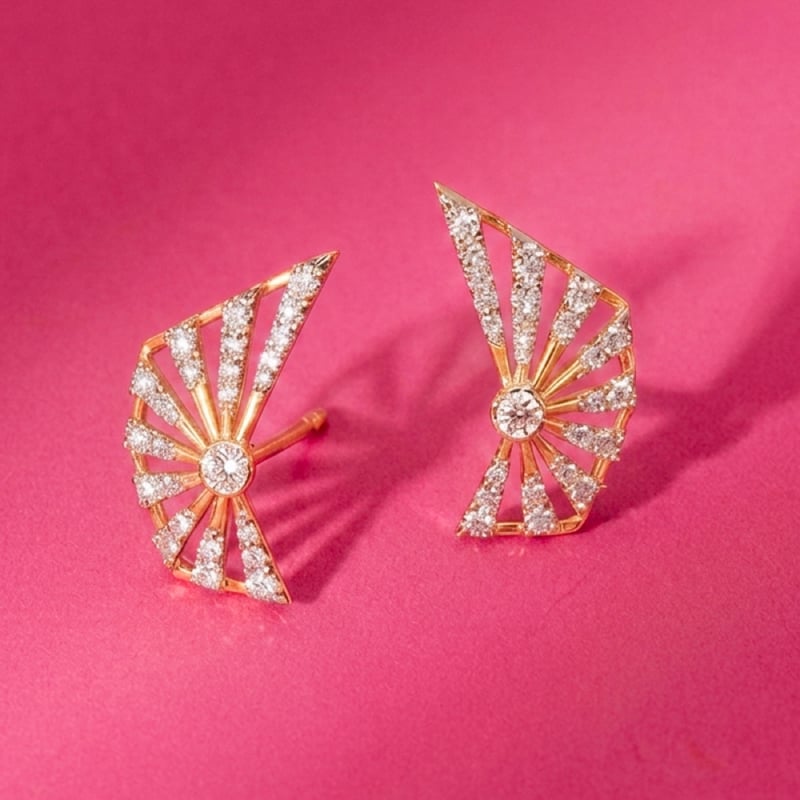
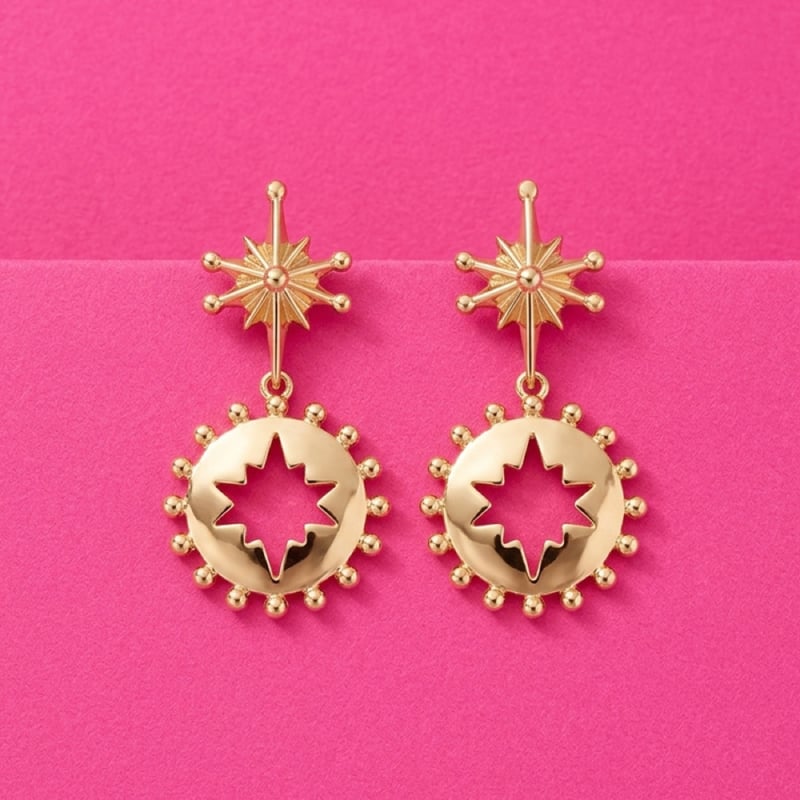
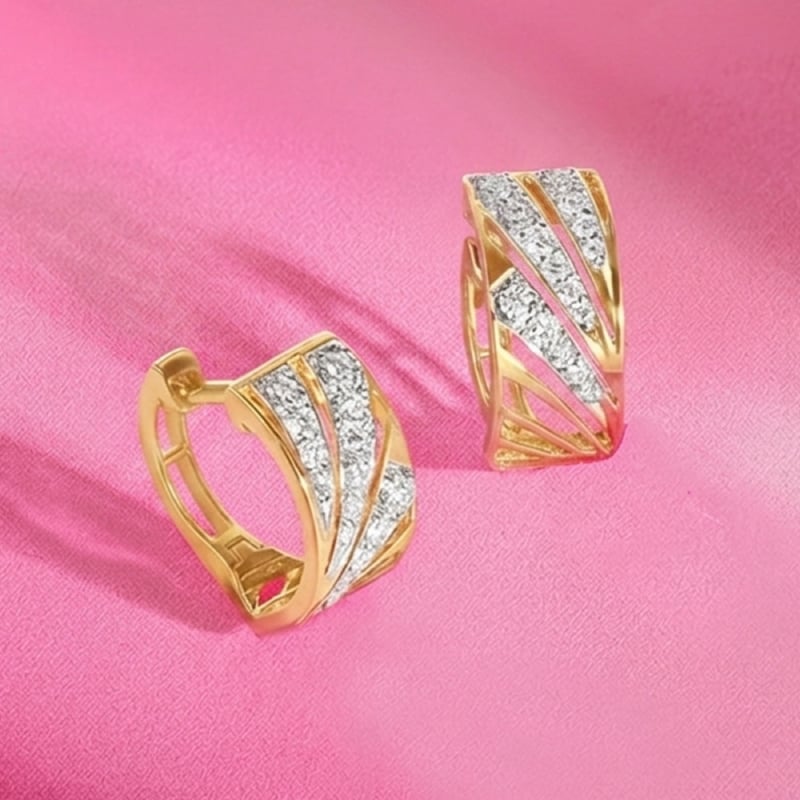
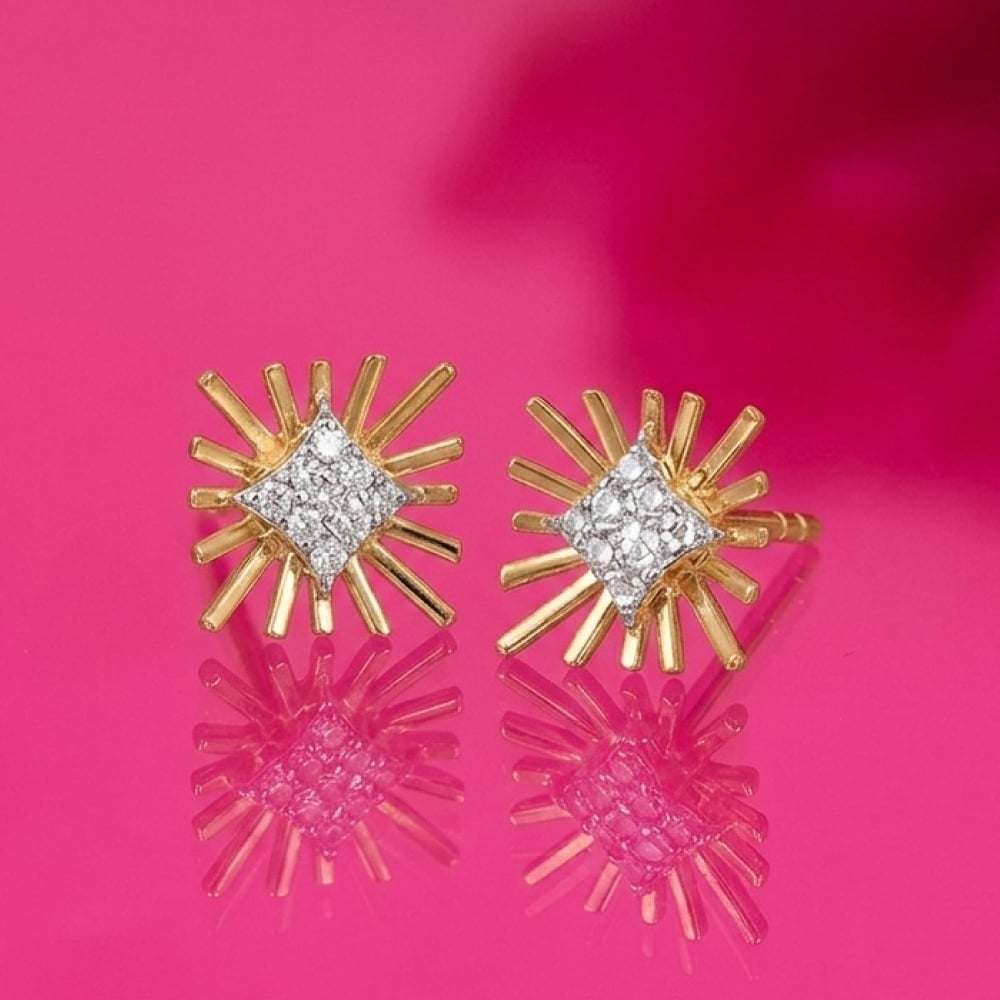
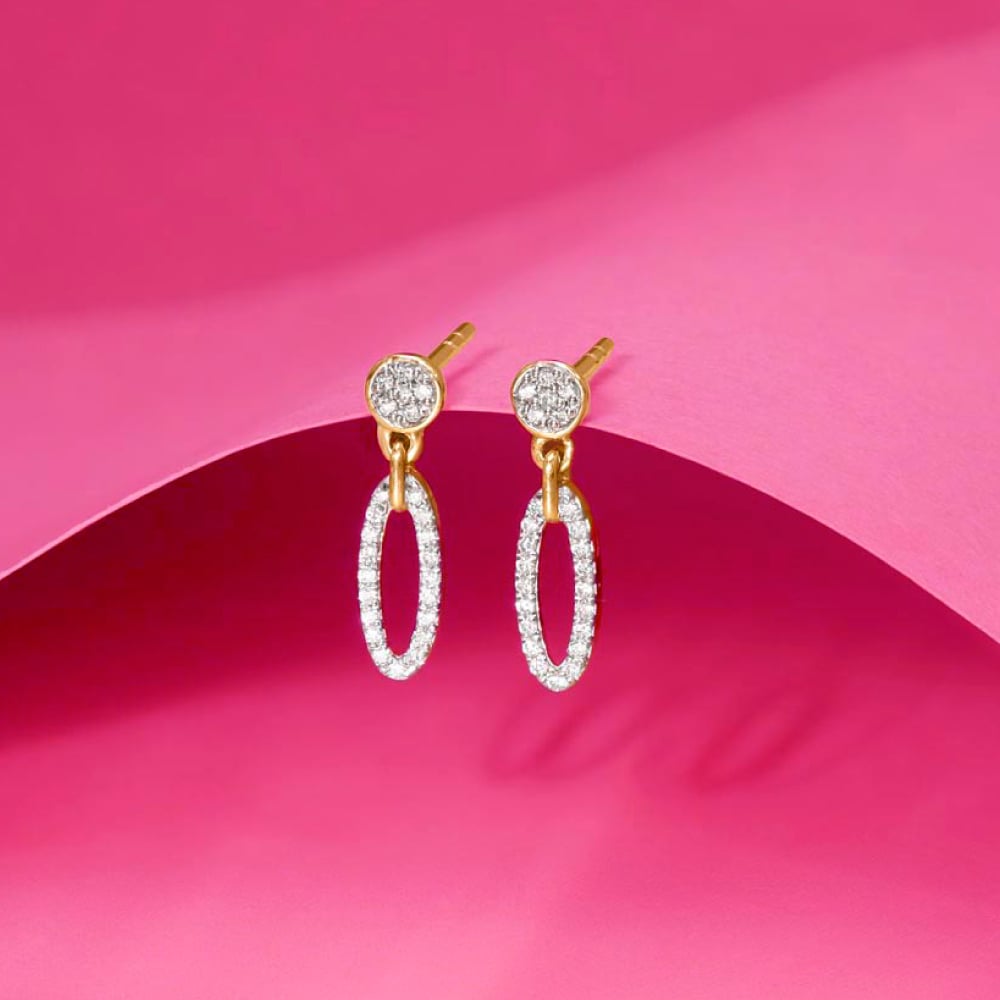
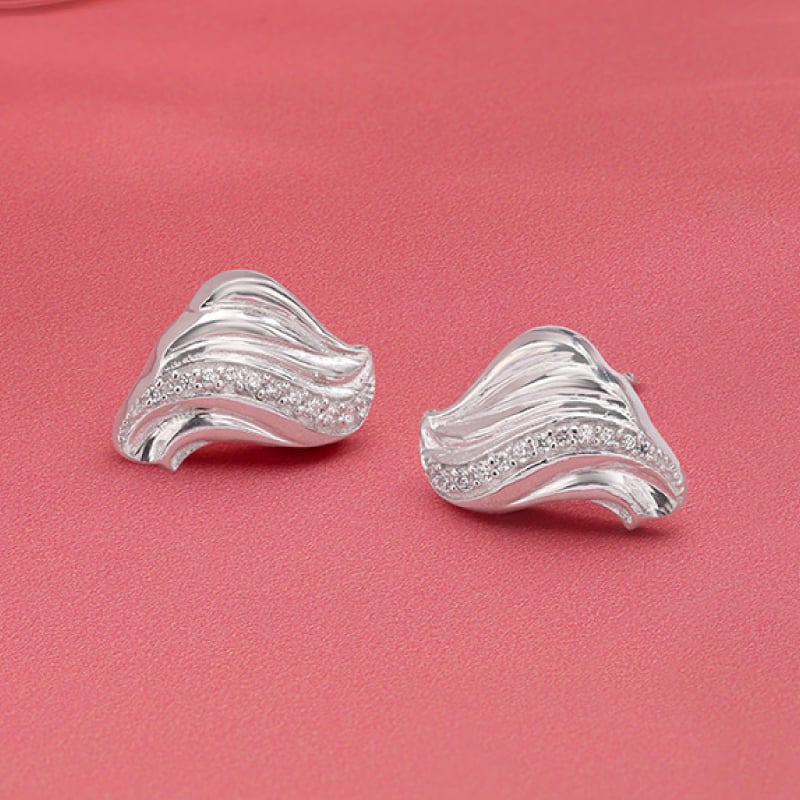
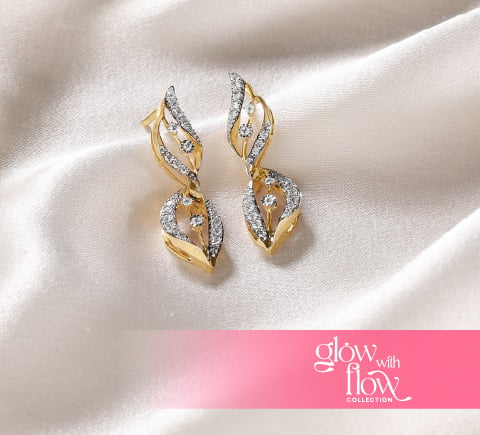
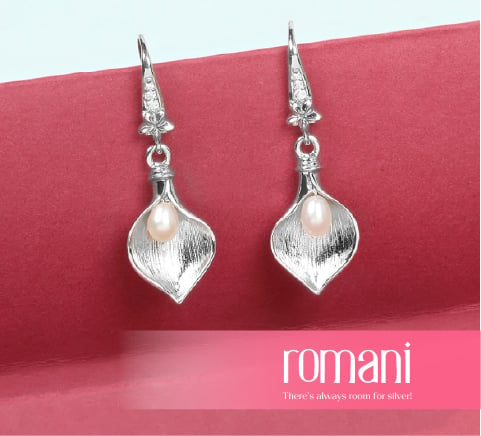
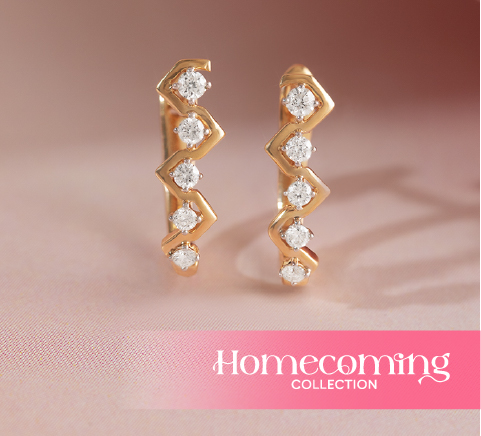
Indian earrings come in an array of styles, each perfectly fitting the modern necessity for comfort. While they've existed throughout Indian fashion history, they continue to evolve in terms of style and appeal through generations.
From dainty gold studs to bold glossy hoops and dangling gemstone-studded numbers for weddings to everyday lightweight picks, there's something for every brief!
Studs and 'huggies' are the ultimate solutions for style and comfort dilemmas on a daily basis. On the other hand, drop variations add depth and sway to special occasion ensembles.
* Jhumkas
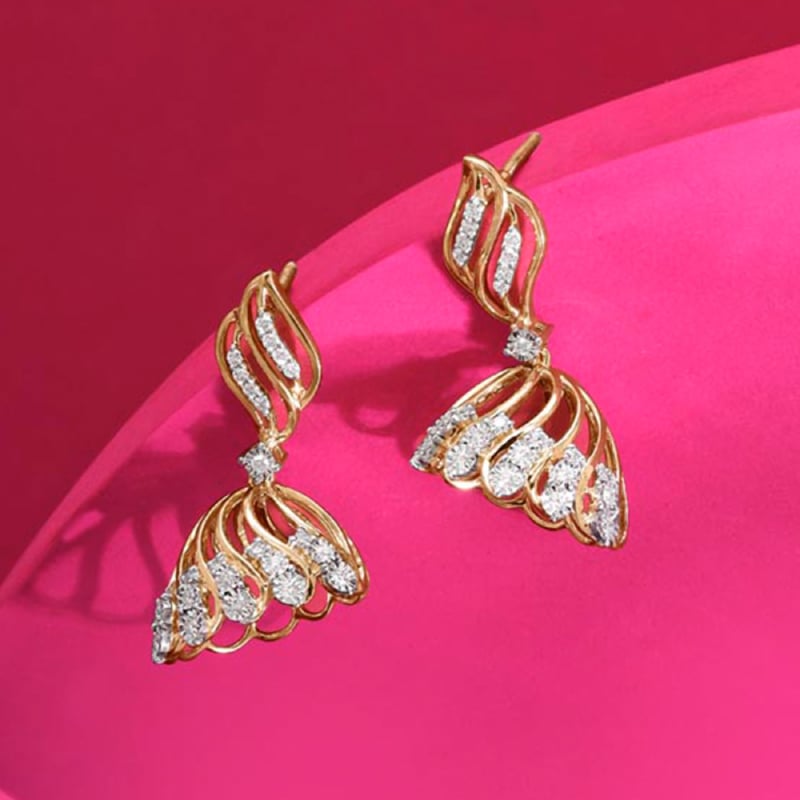
Jhumkas have become timeless Indian jewellery staples. With regional twists on their default structure, heavy Kundan or minimalist designs, the dangling sparklies add playful elegance to any look. Their signature swing fascinates the beholder each time.
Blending ancient heritage, royal stature of the bygone eras, and a massive Bollywood influence transcending time, jhumkas have become a global fashion statement. At Mia by Tanishq, we've given the 'junk jewellery category' presidents a minimalist makeover, so they're more wear-friendly on an everyday basis.
* Balis
Balis are versatile earrings with roots in culture, yet ideal for everyday wear. Simple or statement-making, these earrings range from subtle gold dots to elaborate gem-encrusted variations.
Perfect for everyday wear or special occasions, balis suit women with unpredictable lifestyles and aesthetic preferences.
4. Ears
* Studs, Hoops & Drops
Indian earrings come in an array of styles, each perfectly fitting the modern necessity for comfort. While they've existed throughout Indian fashion history, they continue to evolve in terms of style and appeal through generations.
From dainty gold studs to bold glossy hoops and dangling gemstone-studded numbers for weddings to everyday lightweight picks, there's something for every brief!
Studs and 'huggies' are the ultimate solutions for style and comfort dilemmas on a daily basis. On the other hand, drop variations add depth and sway to special occasion ensembles.
* Jhumkas
Jhumkas have become timeless Indian jewellery staples. With regional twists on their default structure, heavy Kundan or minimalist designs, the dangling sparklies add playful elegance to any look. Their signature swing fascinates the beholder each time.
Blending ancient heritage, royal stature of the bygone eras, and a massive Bollywood influence transcending time, jhumkas have become a global fashion statement. At Mia by Tanishq, we've given the 'junk jewellery category' presidents a minimalist makeover, so they're more wear-friendly on an everyday basis.
* Balis
Balis are versatile earrings with roots in culture, yet ideal for everyday wear. Simple or statement-making, these earrings range from subtle gold dots to elaborate gem-encrusted variations.
Perfect for everyday wear or special occasions, balis suit women with unpredictable lifestyles and aesthetic preferences.
4. Ears
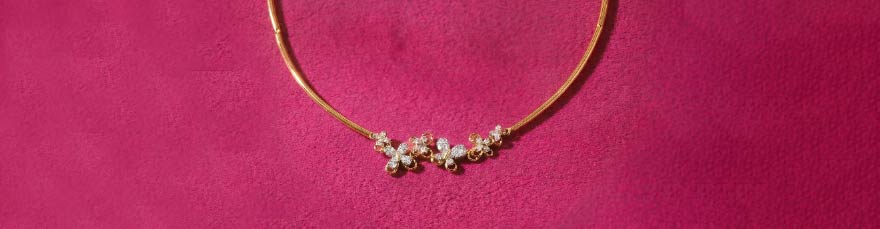 * Chokers
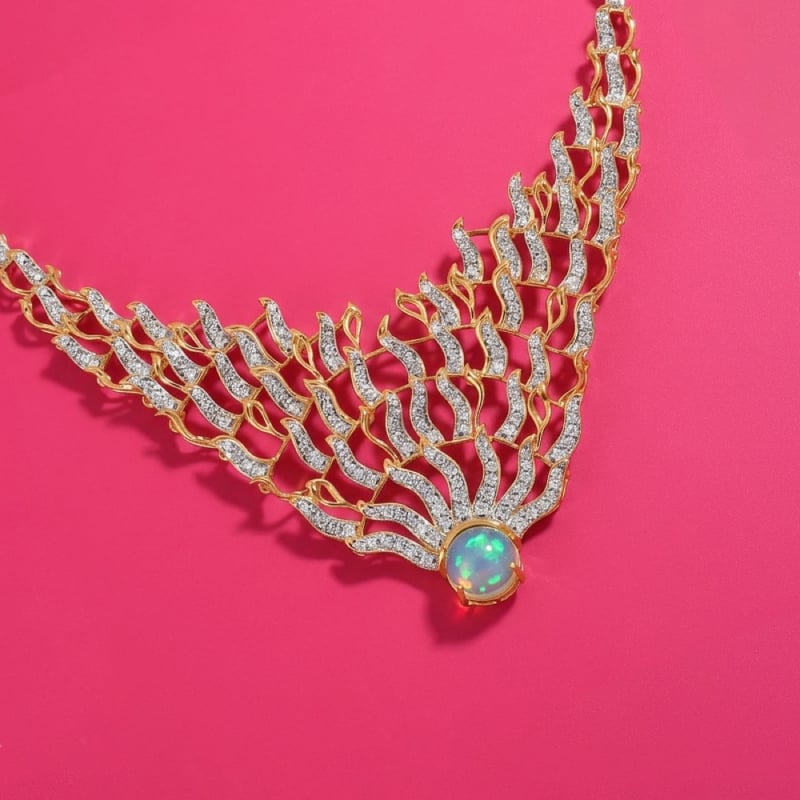
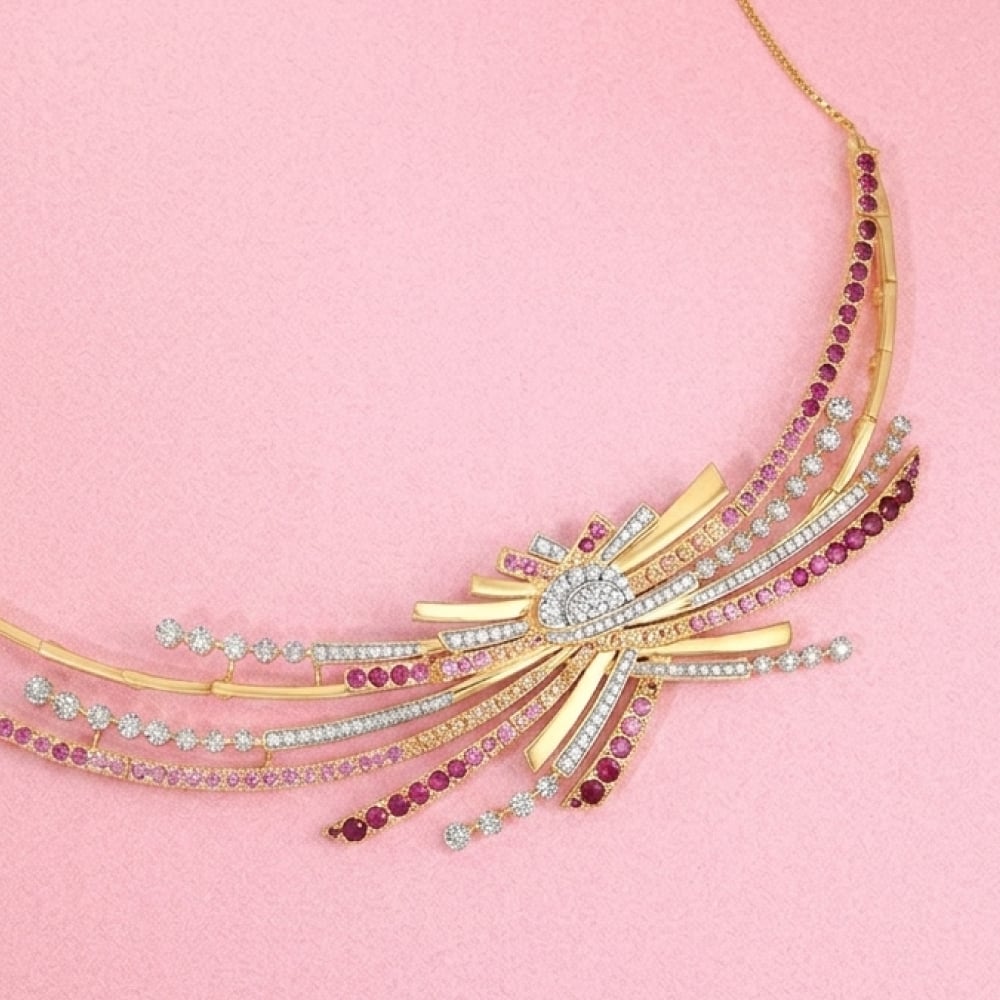
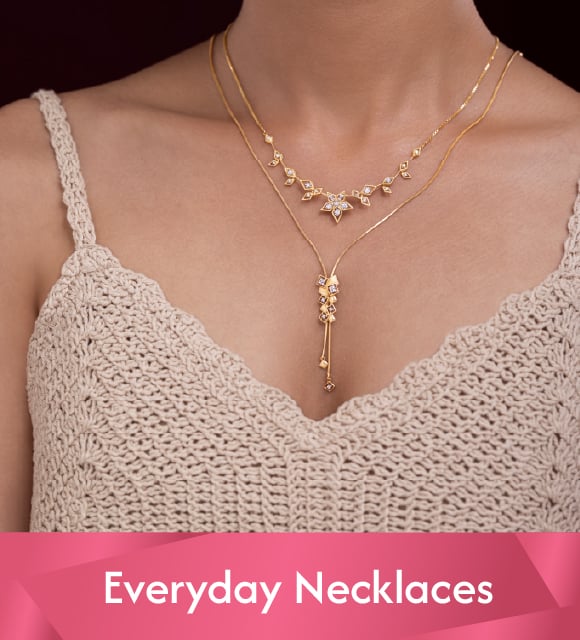
Chokers are snug-fitting necklaces that hug the neck at its base. Simple gold chains or necklaces caked with gems like emeralds, pearls, or diamonds ideally accentuate the collarbone area.
They sit pretty with poise and charm, elevating ethnic and modern Indo-western outfits. Chokers are also perfect base pieces for layering visions.
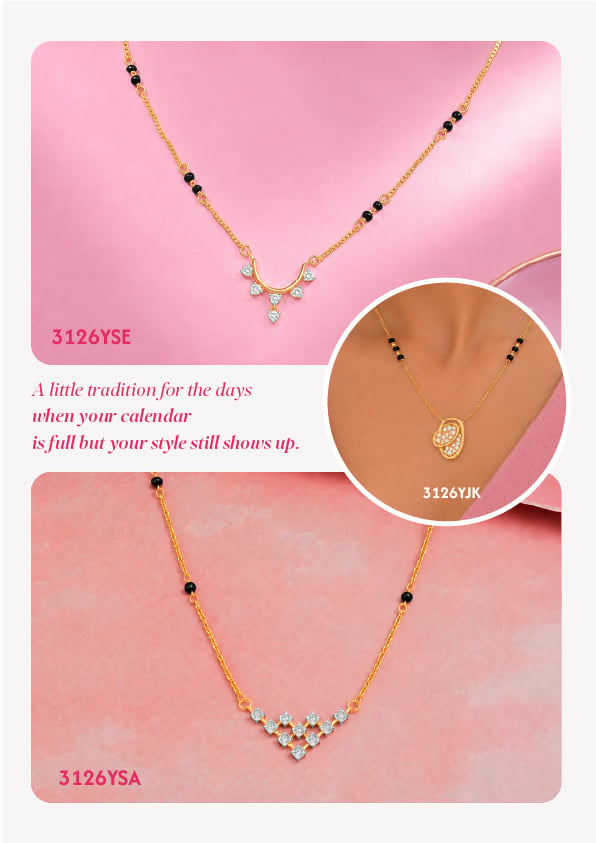
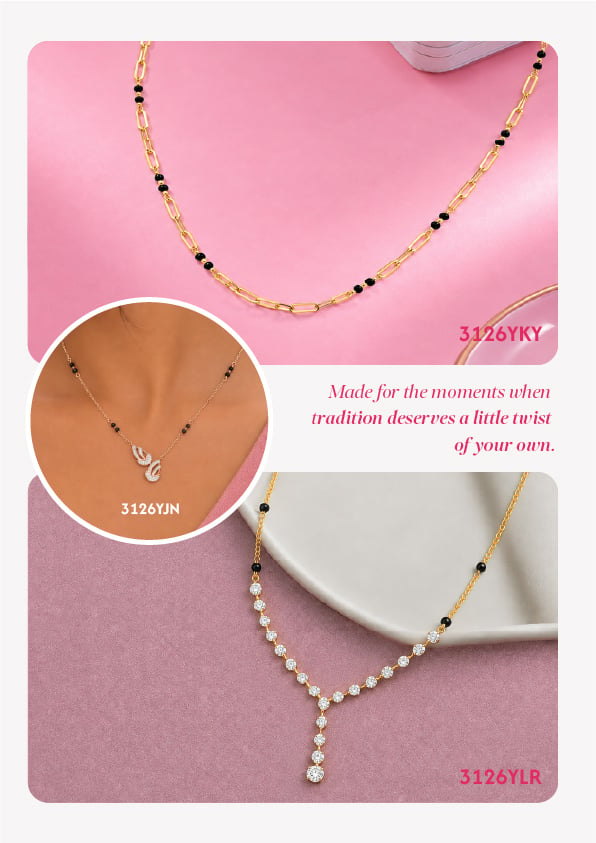
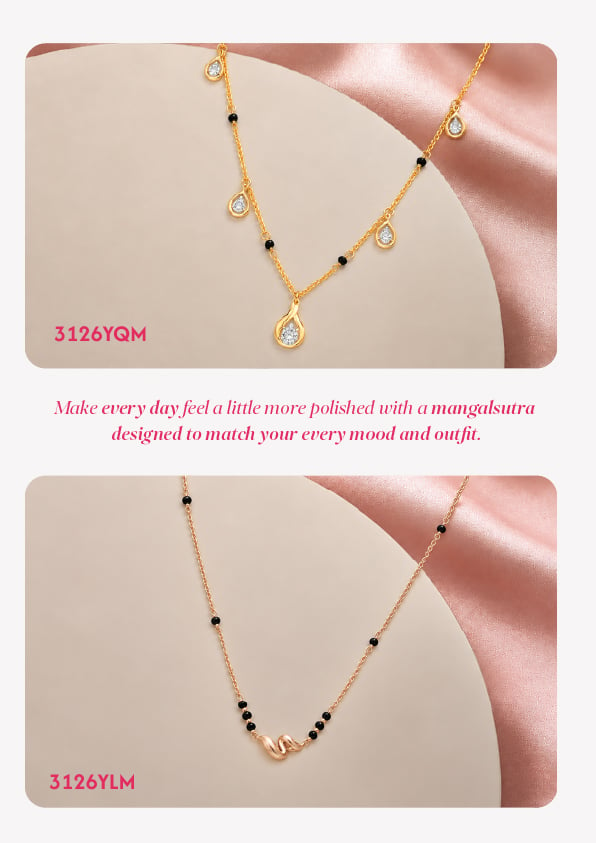
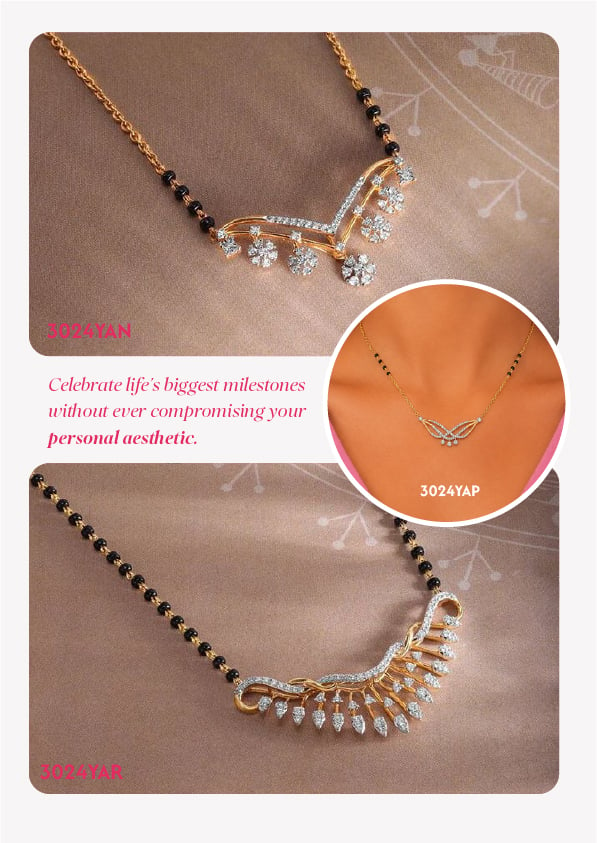
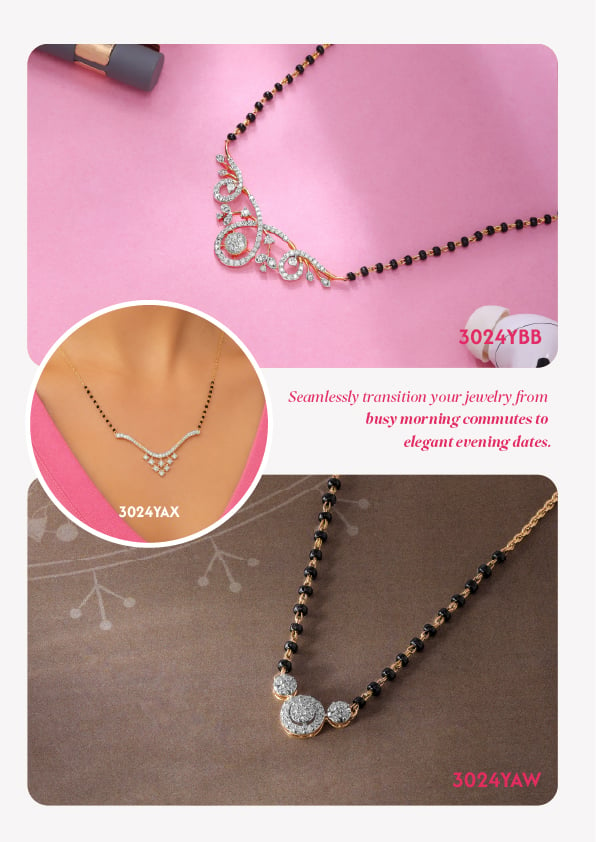
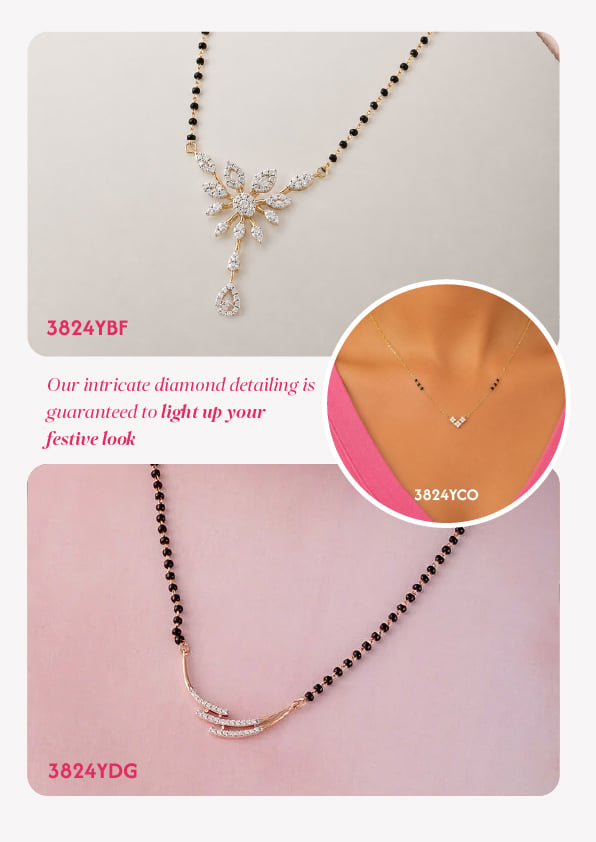
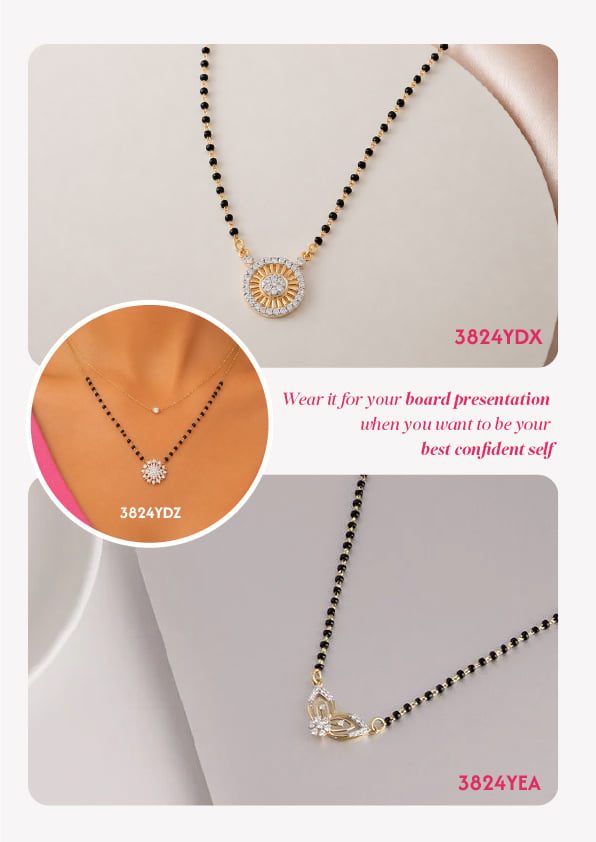
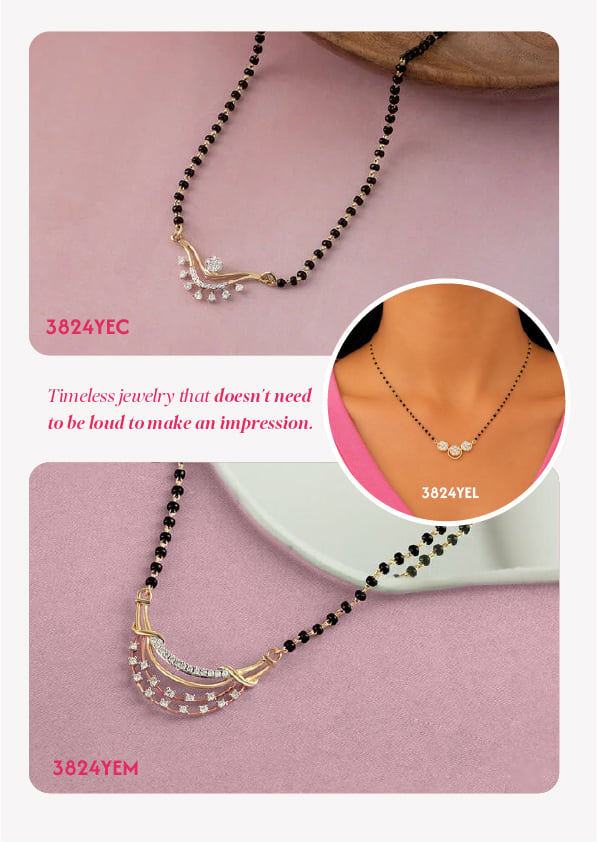
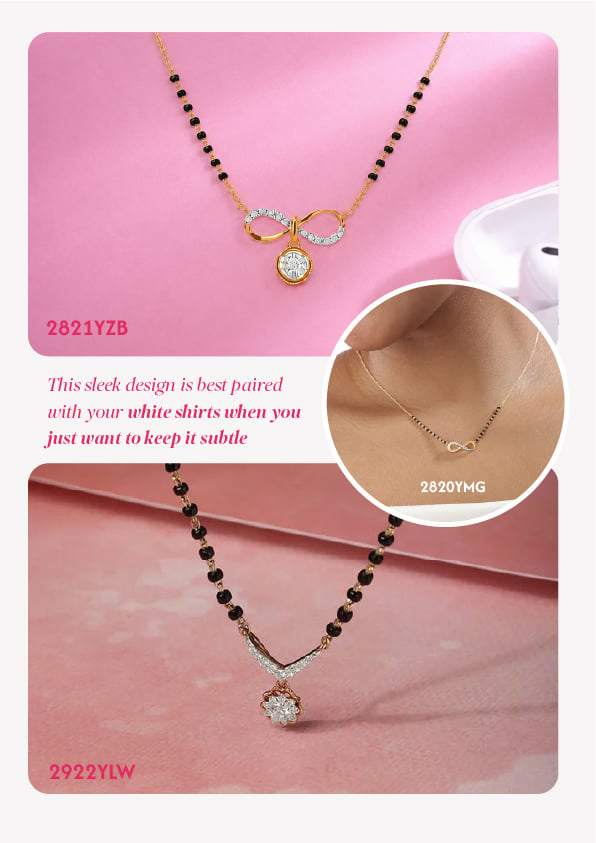
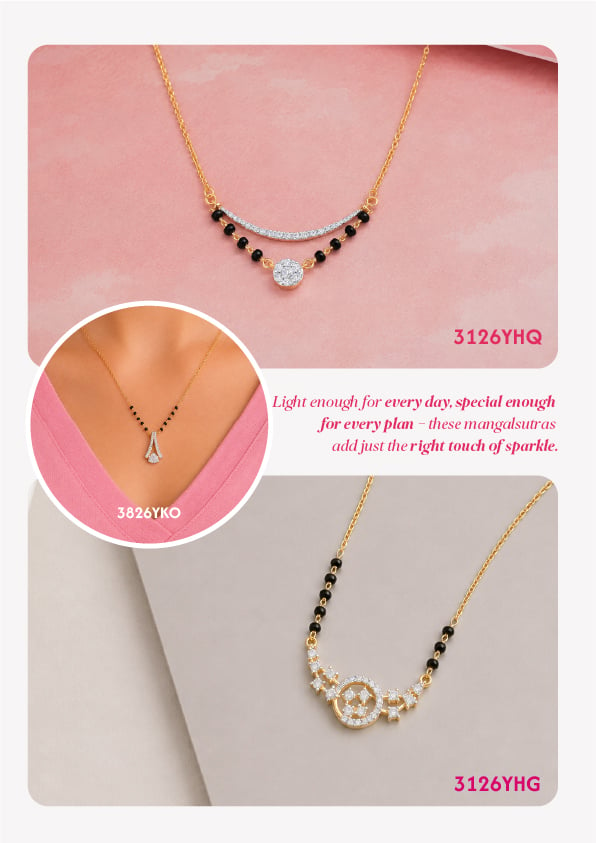
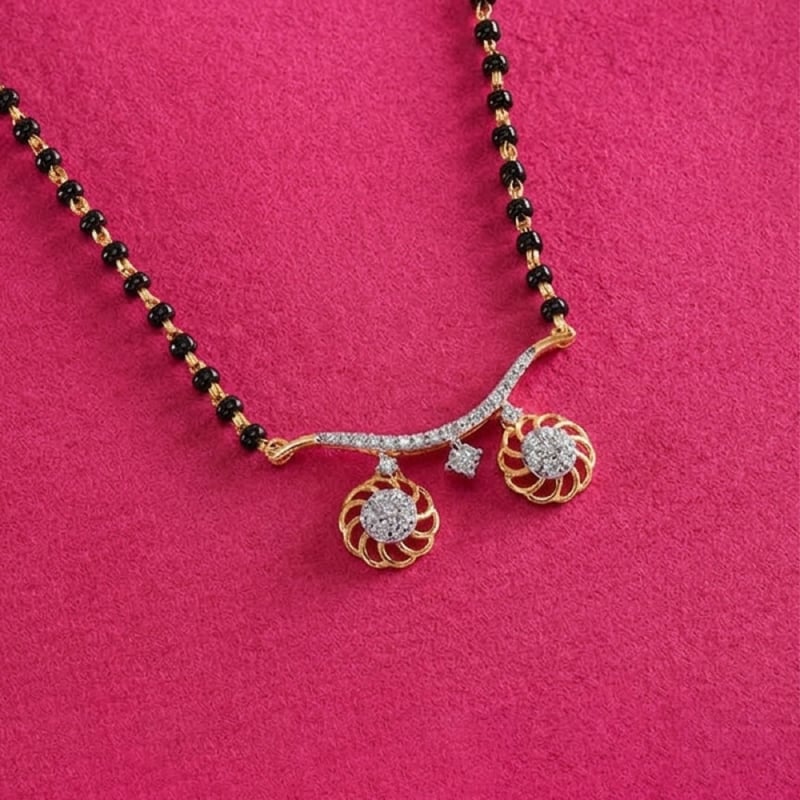
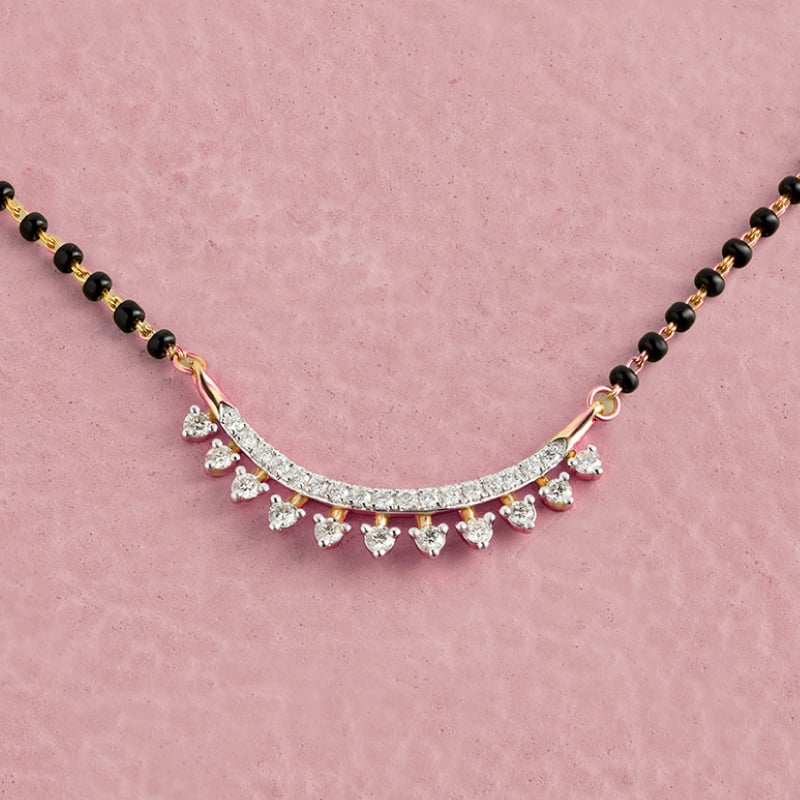
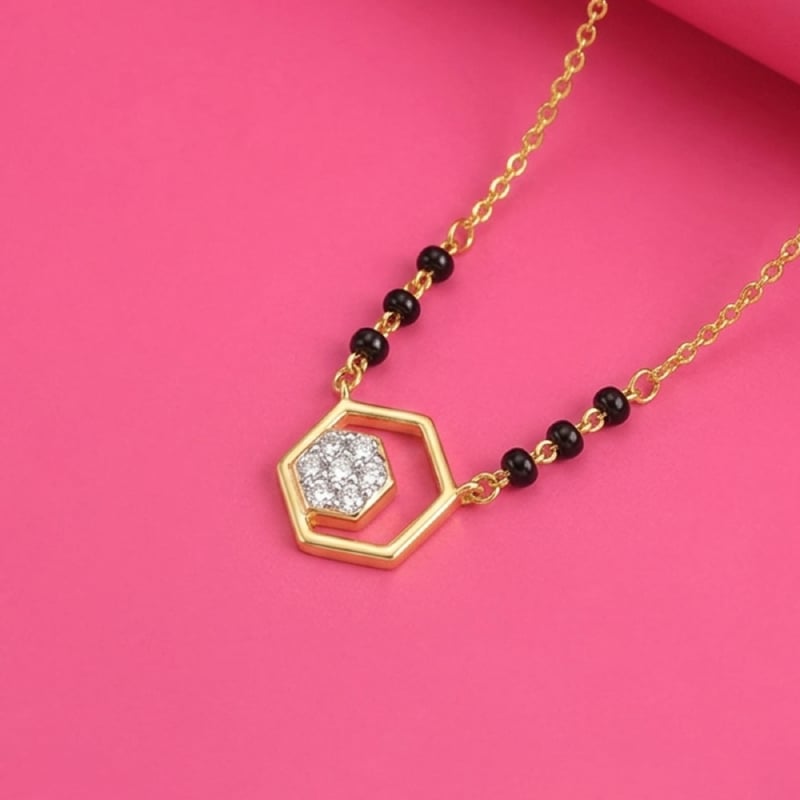
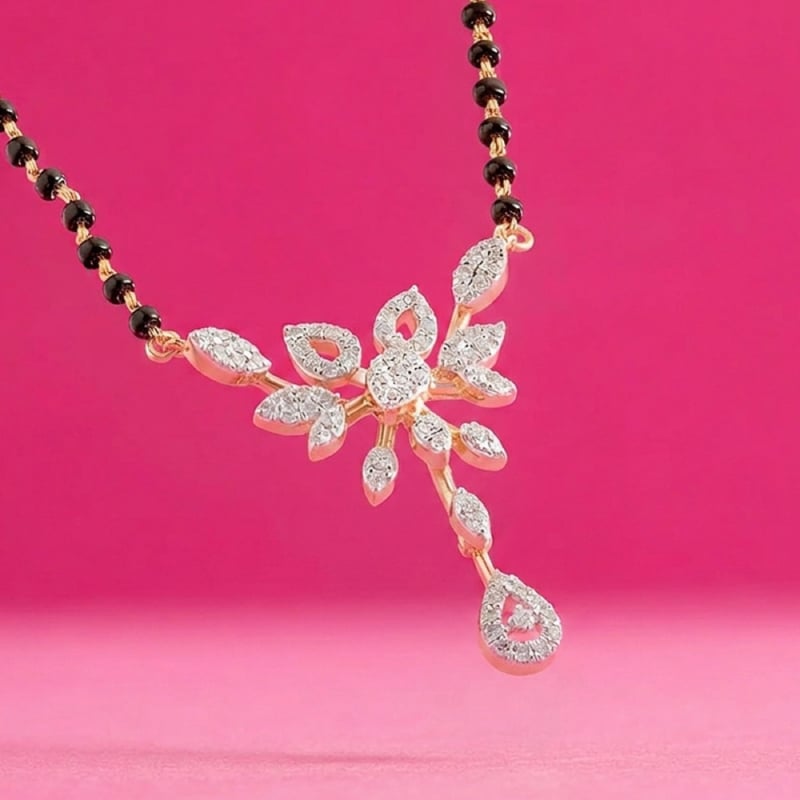
* Mangalsutras
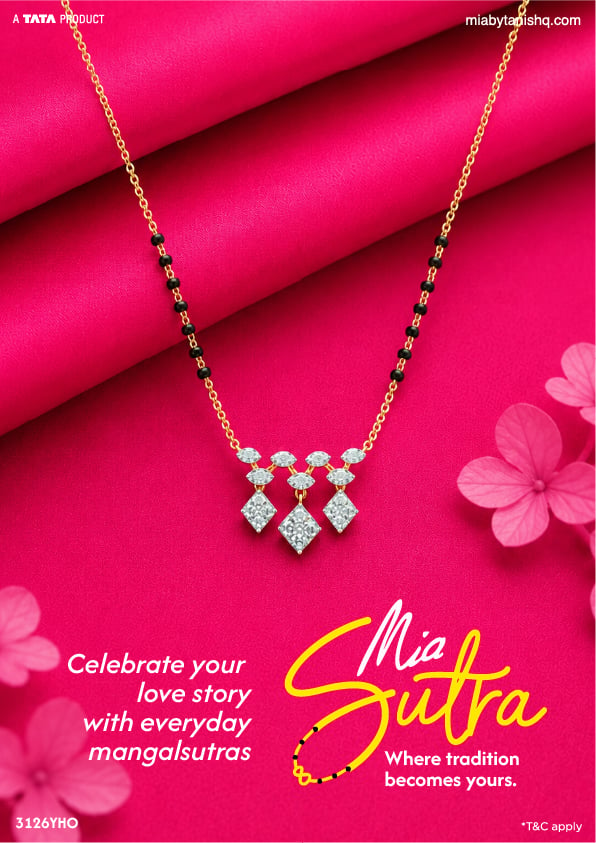
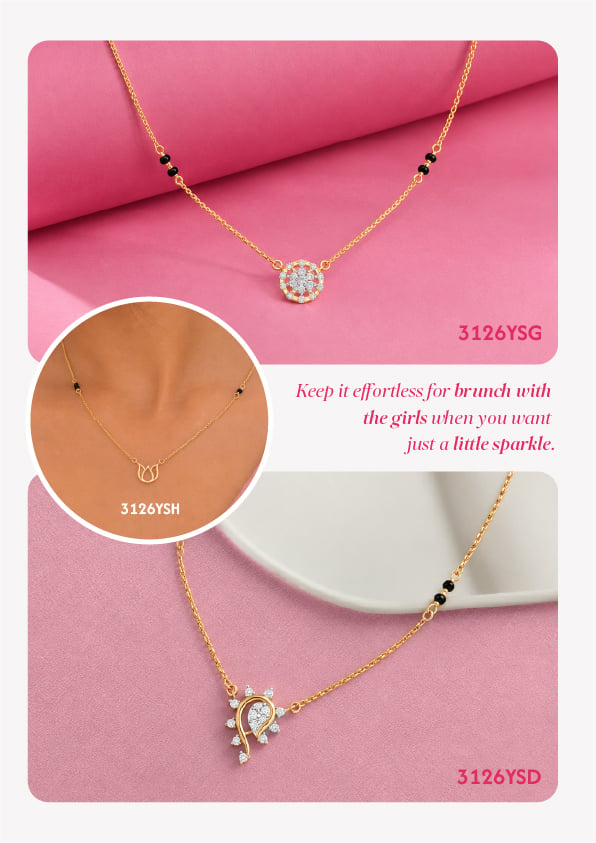
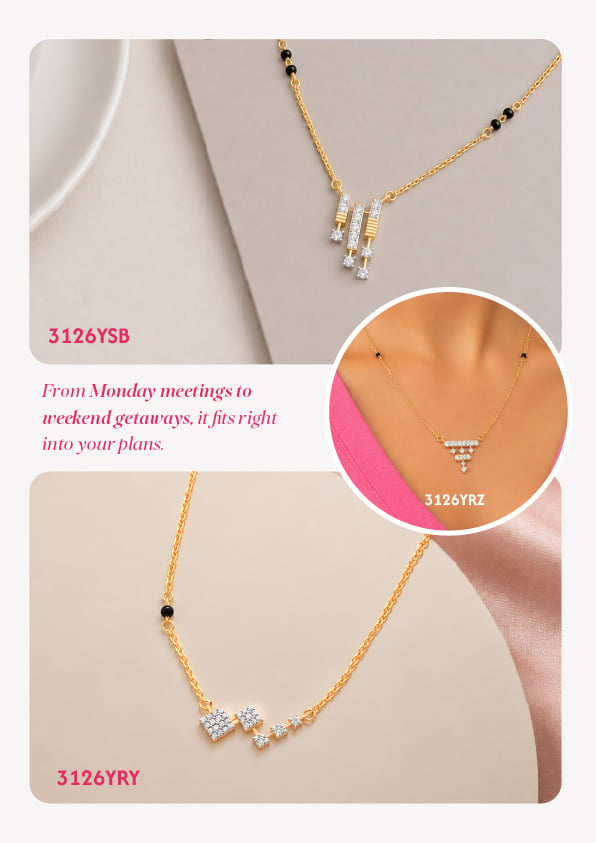
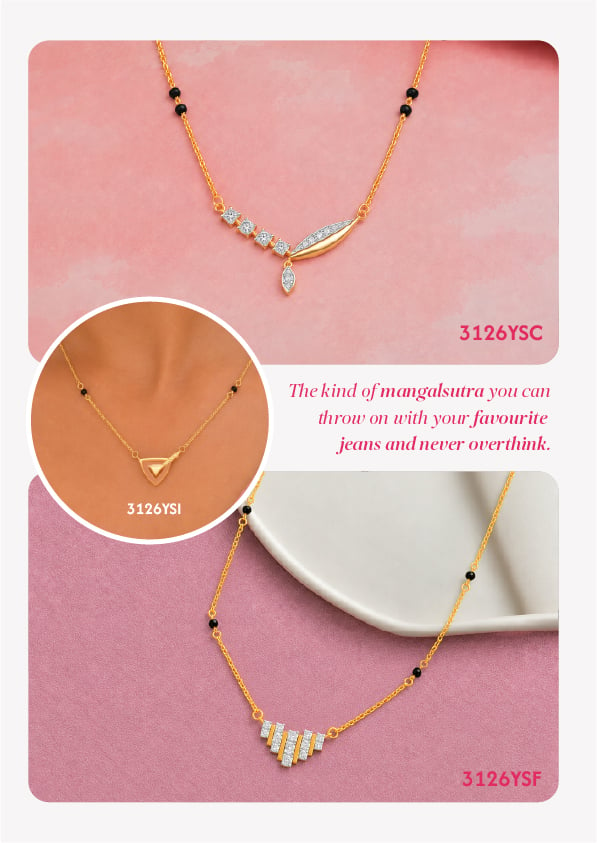
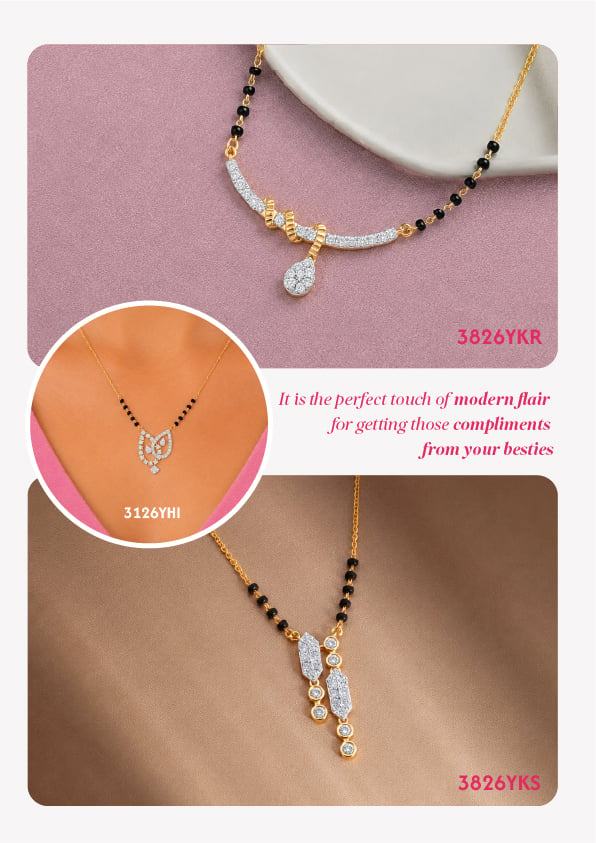
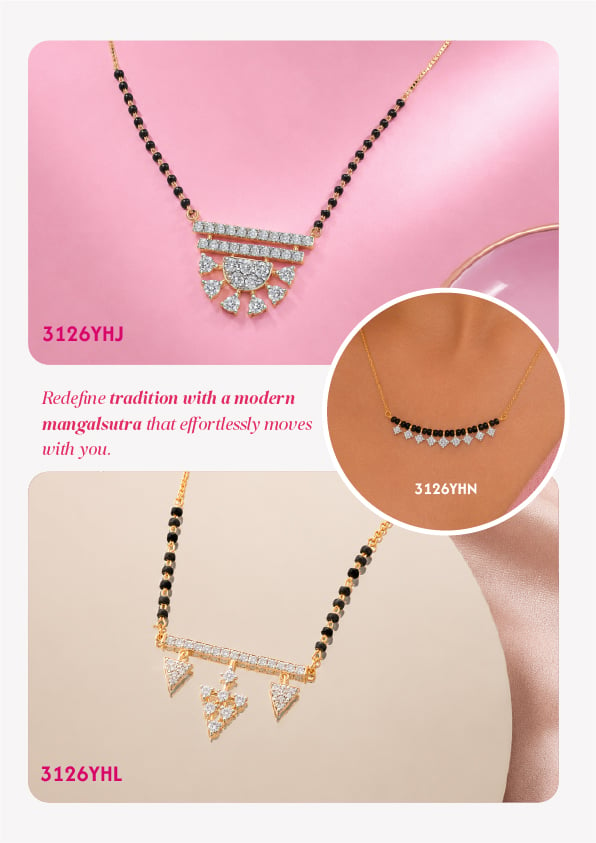
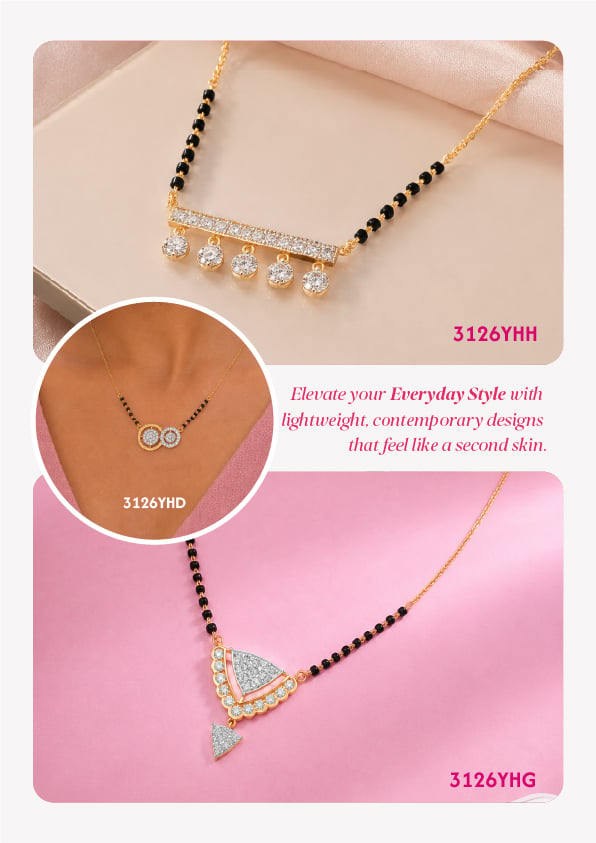
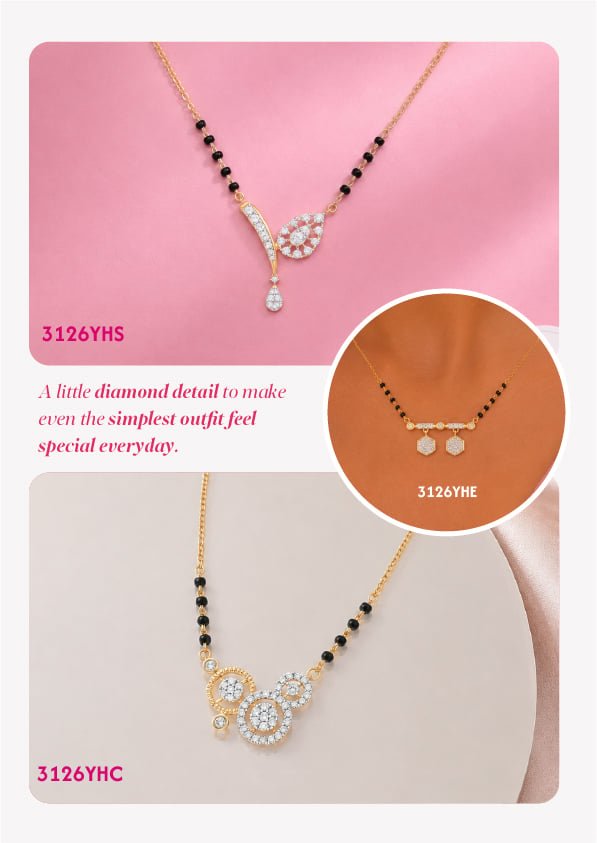
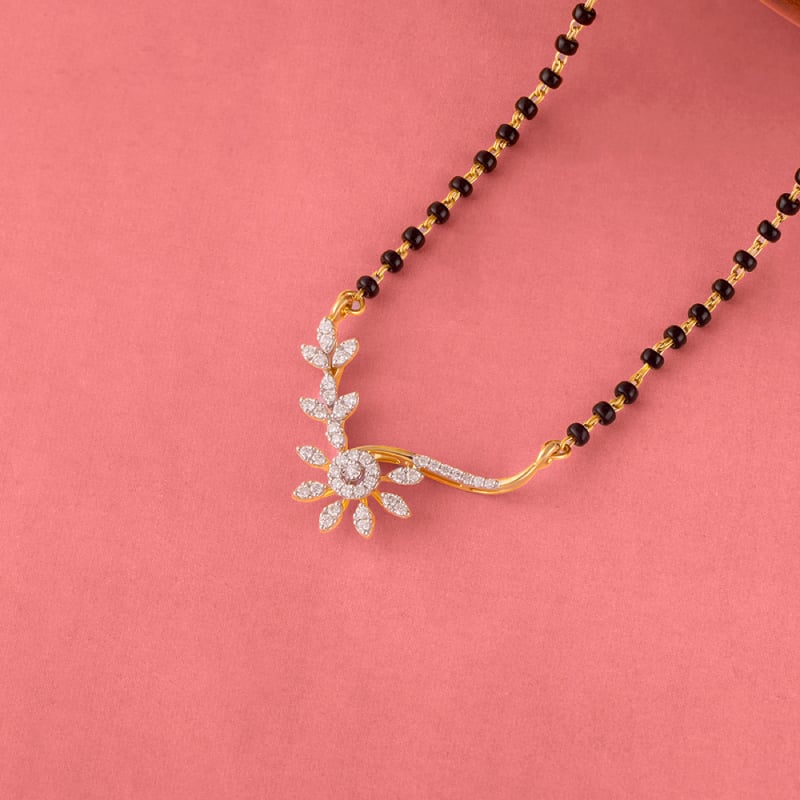
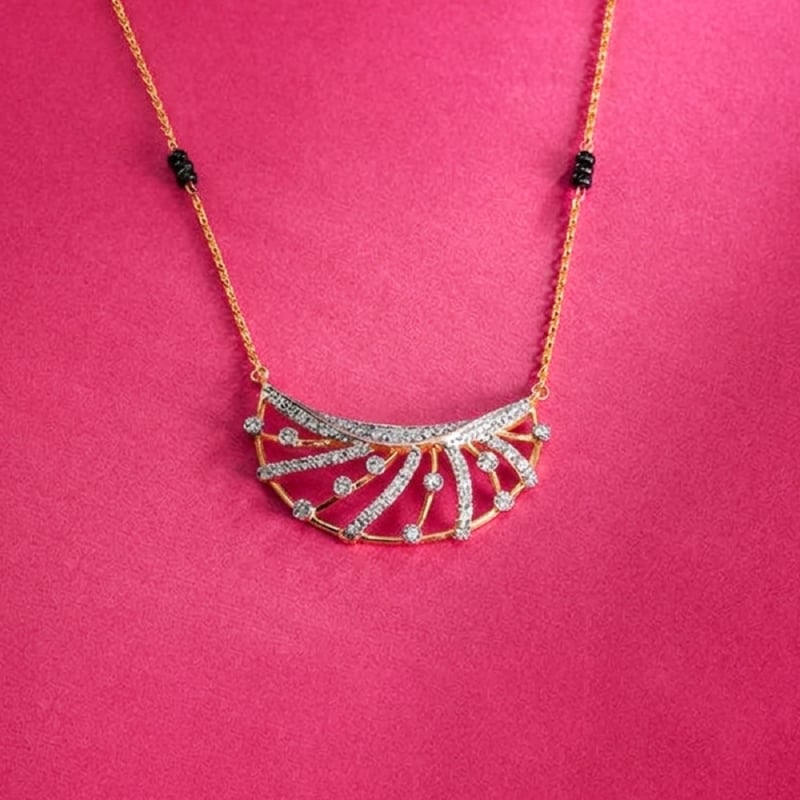
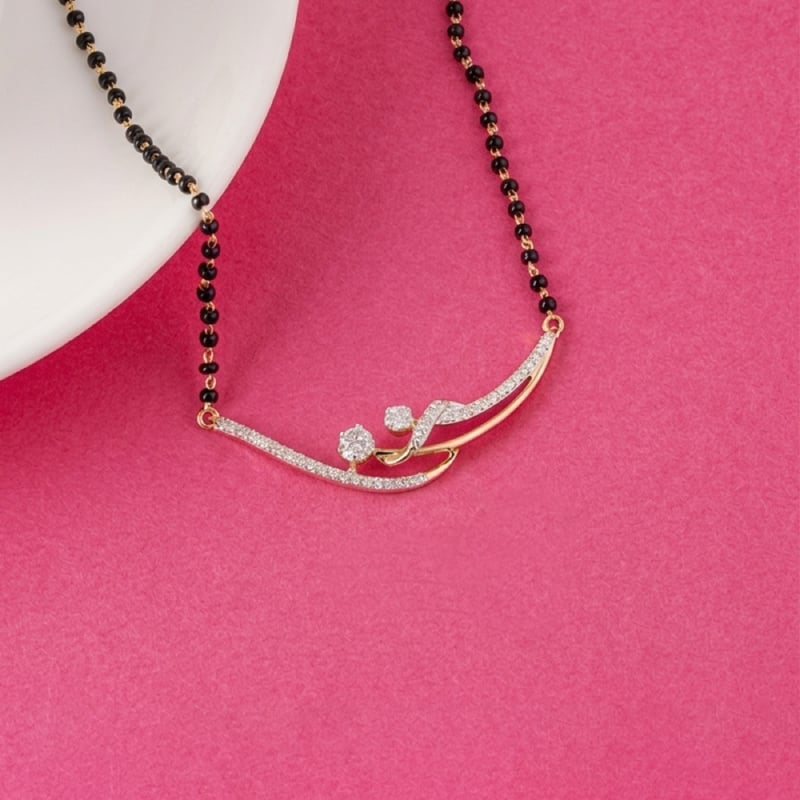
The 'mangalsutra' term is derived from the Sanskrit words 'mangal', which means auspicious, and 'sutra', translating to thread. It's a foundational piece in the Indian jewellery category, symbolising unfaltering commitment and marital longevity protection.
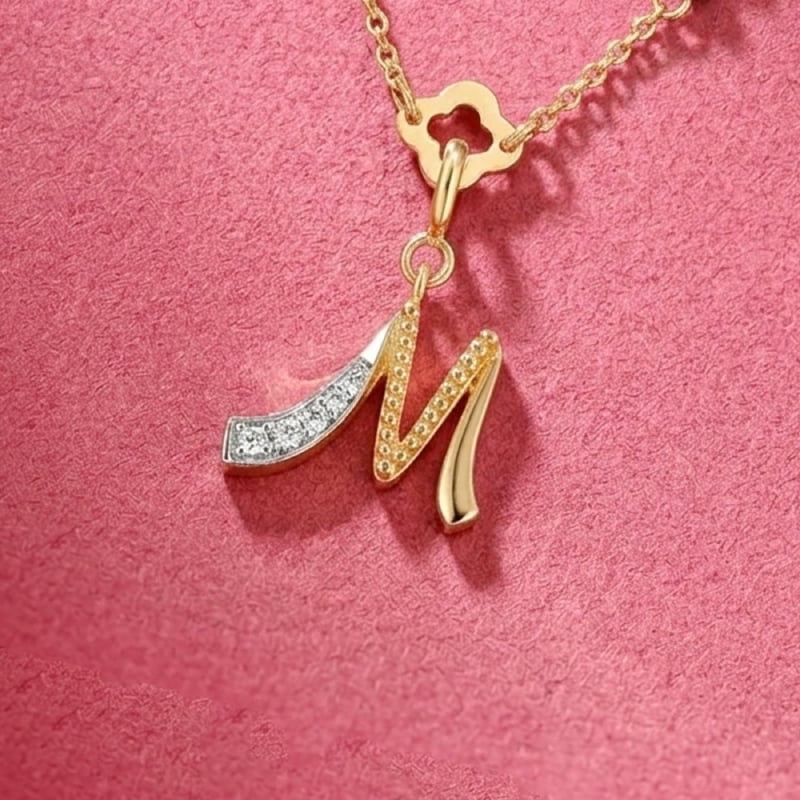
While the mangalsutra was traditionally just a yellow thread/heavyweight gold-and-black-bead necklace, the modern mangalsutra has embodied a ‘glow-up’! Here, at Mia by Tanishq, mangalsutras have evolved to represent versatile, lightweight, and fashion-forward silhouettes tailored to fit the working woman's preferences!
* Haar
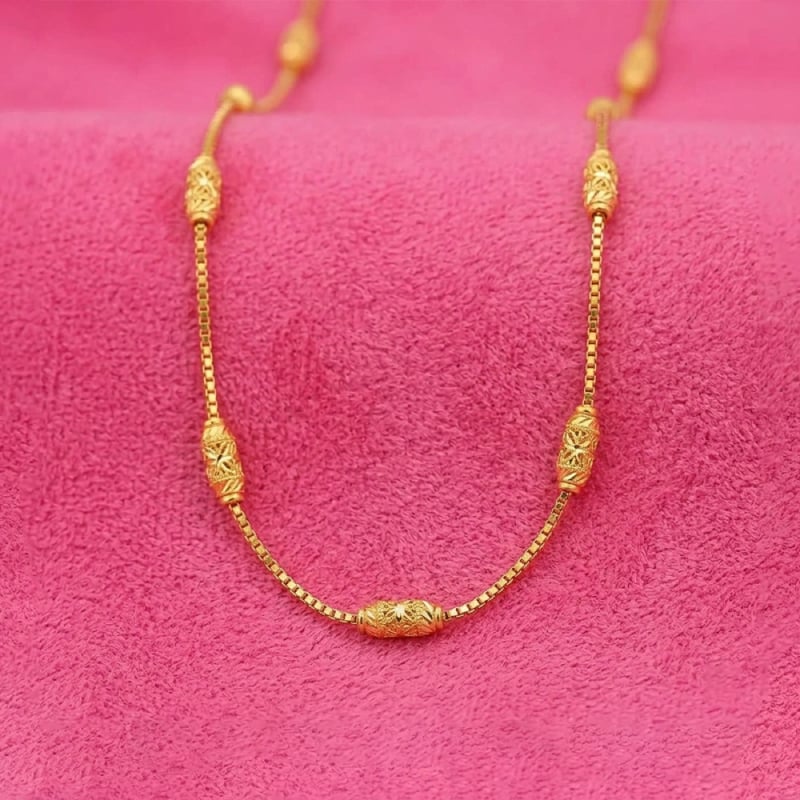
The haar (haaram) is, without a doubt, the most eye-catching piece among Indian bridal jewellery styles. It’s essentially an elongated, often multi-strand necklace. Brides wear the haar, with it extending from the neck region down to the waist.
Traditionally, the haars featured gemstones, coins, and intricate embroidery. Back in the day, the heavier the haar, the more iconic it was considered to be.
But with modern tastes evolving to prefer more subtle and tastefully textured designs, the interest has now shifted. Now, it's more about mastery of craftsmanship and intricacy rather than heavy moulds.
* Tiered Necklaces
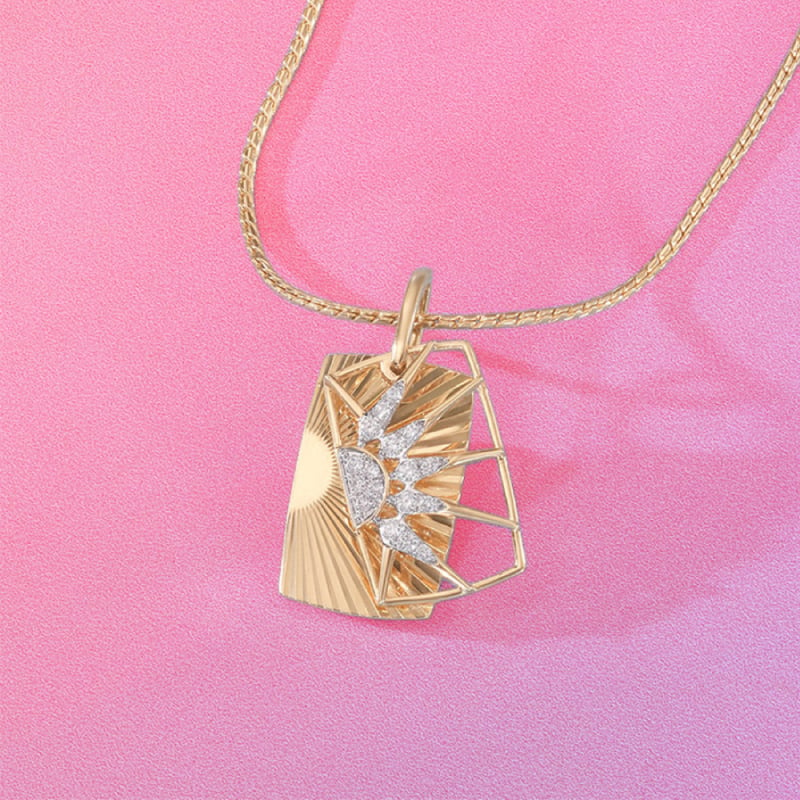
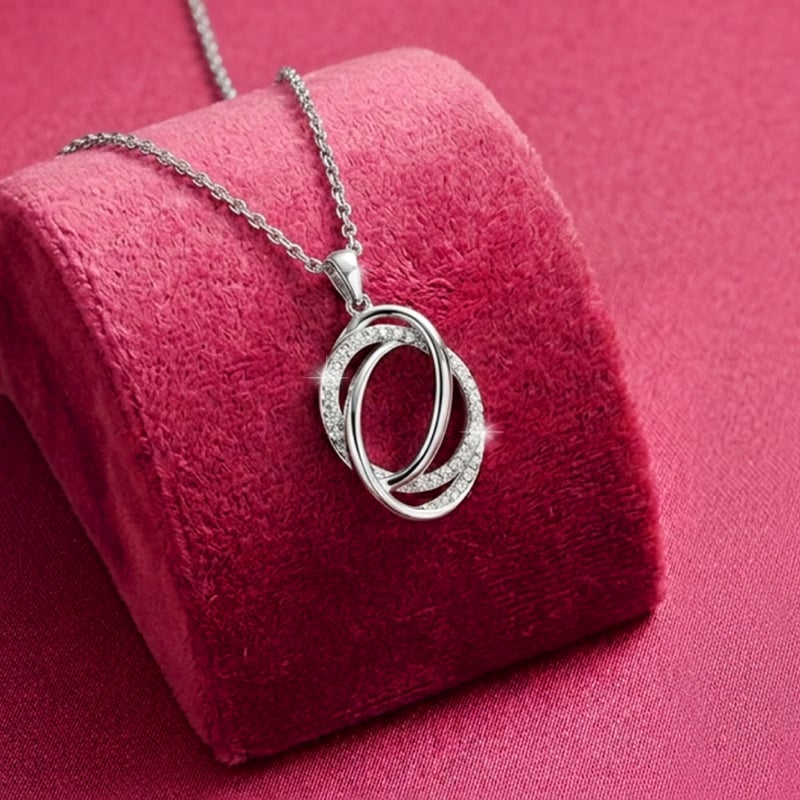
Layered necklaces were always trendy in different forms! Now fashionistas love stacking up, with shorter or dainty gold chains bearing pendants, ideal for everyday elegance.
Classically, South India's regional influences made long, ornate beauties more popular, while others kept it simple. As per the phase of style you’re currently in, discover options across various aesthetic palettes.
5. Arms & Wrist
* Chokers
Chokers are snug-fitting necklaces that hug the neck at its base. Simple gold chains or necklaces caked with gems like emeralds, pearls, or diamonds ideally accentuate the collarbone area.
They sit pretty with poise and charm, elevating ethnic and modern Indo-western outfits. Chokers are also perfect base pieces for layering visions.
* Mangalsutras
The 'mangalsutra' term is derived from the Sanskrit words 'mangal', which means auspicious, and 'sutra', translating to thread. It's a foundational piece in the Indian jewellery category, symbolising unfaltering commitment and marital longevity protection.
While the mangalsutra was traditionally just a yellow thread/heavyweight gold-and-black-bead necklace, the modern mangalsutra has embodied a ‘glow-up’! Here, at Mia by Tanishq, mangalsutras have evolved to represent versatile, lightweight, and fashion-forward silhouettes tailored to fit the working woman's preferences!
* Haar
The haar (haaram) is, without a doubt, the most eye-catching piece among Indian bridal jewellery styles. It’s essentially an elongated, often multi-strand necklace. Brides wear the haar, with it extending from the neck region down to the waist.
Traditionally, the haars featured gemstones, coins, and intricate embroidery. Back in the day, the heavier the haar, the more iconic it was considered to be.
But with modern tastes evolving to prefer more subtle and tastefully textured designs, the interest has now shifted. Now, it's more about mastery of craftsmanship and intricacy rather than heavy moulds.
* Tiered Necklaces
Layered necklaces were always trendy in different forms! Now fashionistas love stacking up, with shorter or dainty gold chains bearing pendants, ideal for everyday elegance.
Classically, South India's regional influences made long, ornate beauties more popular, while others kept it simple. As per the phase of style you’re currently in, discover options across various aesthetic palettes.
5. Arms & Wrist
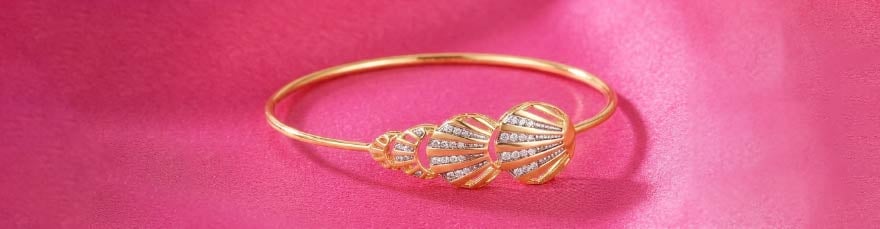 * Armlets, Bajubandh or Vanki
The upper armlets are a unique way to elevate any simple look. Styles showcasing regional craftsmanship and traditionally popular motifs have been incredibly beloved over the centuries.
From intricate filigree work to statement gemstone details, armlets were designed to make a statement.
As a modern fashionista, you can go for a classic, ethnic look or an edgy vibe by adding the bajubandhs for added character. Such Indian gemstone jewellery isn't just an accessory but a proud proclamation of personal affinities.
* Bangles
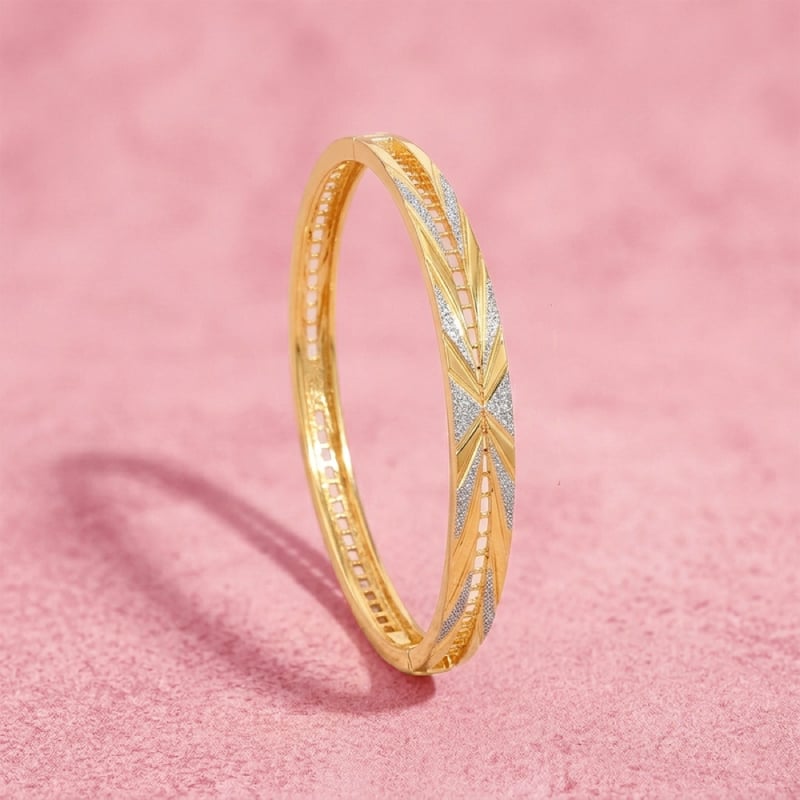
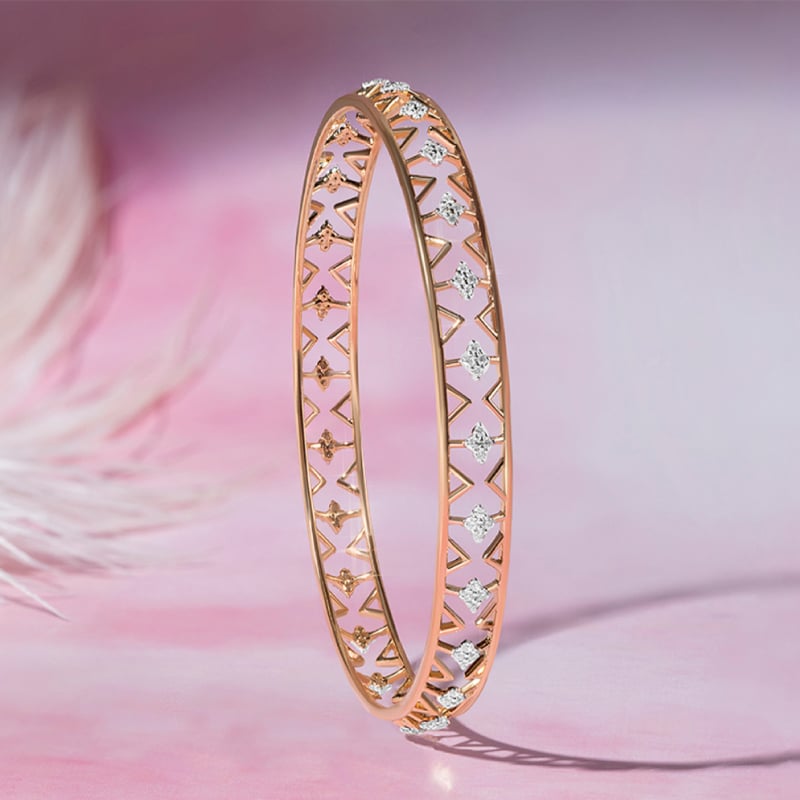
Traditionally, bangles were made from gold, silver, glass, and lac. They are a timeless part of the Indian ethnic avatar.
Now, the whimsy of the tinkling sound and the way they frame the wrists stays put. However, we've made our bangle designs sleeker and more daily-wear-friendly so you can juggle the connection with your roots and a modern 'cool'!
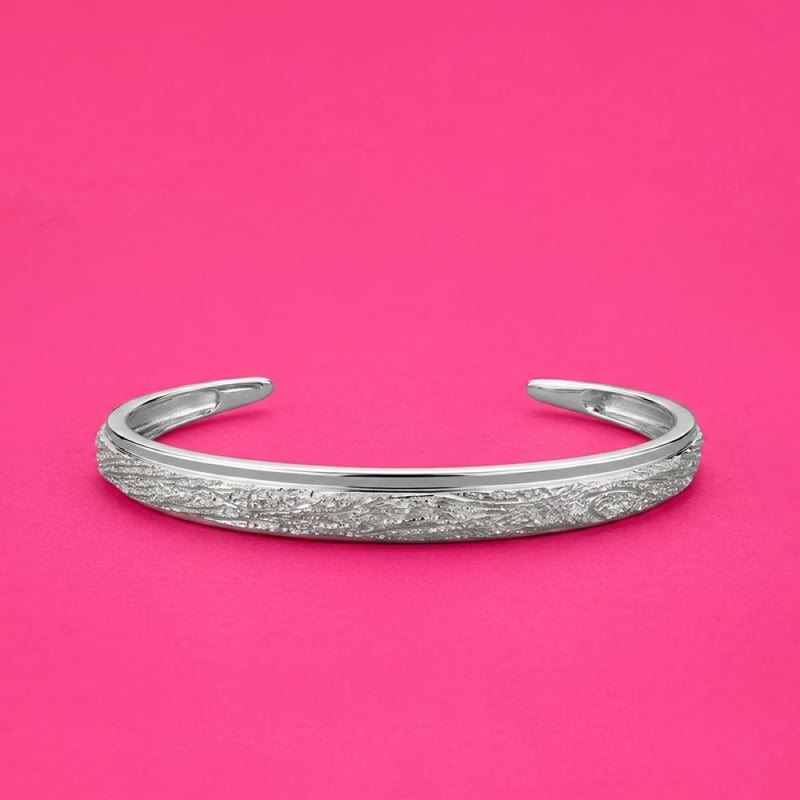
* Kangans or Kadas
The kangans and kadas continue to dazzle and bewitch the beholders. Such traditional jewellery pieces originate from Gujarat and various other parts of India. Beyond being visually gorgeous, these pieces are also considered incredibly auspicious.
Kadas and kangans form essential portions of a married woman’s trousseau. The Bengali Shakha-Pola, the Maharashtrian green bangles and the Punjabi Choodas are seen as popular channels for brides to manifest good fortune and prosperity.
* Hathphool
Hathphool is the epitome of bridal bling, being a stunning hand adornment that dazzles the back of the hand and fingers. It infuses a dramatic touch to any wedding ceremony look.
Translating to ‘flower of the hand’, the hathphool is an iconic Indian classical jewellery piece featuring layers of intricate chains and floral motifs. Originating from Persia, these unique jewels were brought to and popularised in India by the Mughals, symbolising allure, royalty, and femininity.
6. Fingers
* Armlets, Bajubandh or Vanki
The upper armlets are a unique way to elevate any simple look. Styles showcasing regional craftsmanship and traditionally popular motifs have been incredibly beloved over the centuries.
From intricate filigree work to statement gemstone details, armlets were designed to make a statement.
As a modern fashionista, you can go for a classic, ethnic look or an edgy vibe by adding the bajubandhs for added character. Such Indian gemstone jewellery isn't just an accessory but a proud proclamation of personal affinities.
* Bangles
Traditionally, bangles were made from gold, silver, glass, and lac. They are a timeless part of the Indian ethnic avatar.
Now, the whimsy of the tinkling sound and the way they frame the wrists stays put. However, we've made our bangle designs sleeker and more daily-wear-friendly so you can juggle the connection with your roots and a modern 'cool'!
* Kangans or Kadas
The kangans and kadas continue to dazzle and bewitch the beholders. Such traditional jewellery pieces originate from Gujarat and various other parts of India. Beyond being visually gorgeous, these pieces are also considered incredibly auspicious.
Kadas and kangans form essential portions of a married woman’s trousseau. The Bengali Shakha-Pola, the Maharashtrian green bangles and the Punjabi Choodas are seen as popular channels for brides to manifest good fortune and prosperity.
* Hathphool
Hathphool is the epitome of bridal bling, being a stunning hand adornment that dazzles the back of the hand and fingers. It infuses a dramatic touch to any wedding ceremony look.
Translating to ‘flower of the hand’, the hathphool is an iconic Indian classical jewellery piece featuring layers of intricate chains and floral motifs. Originating from Persia, these unique jewels were brought to and popularised in India by the Mughals, symbolising allure, royalty, and femininity.
6. Fingers
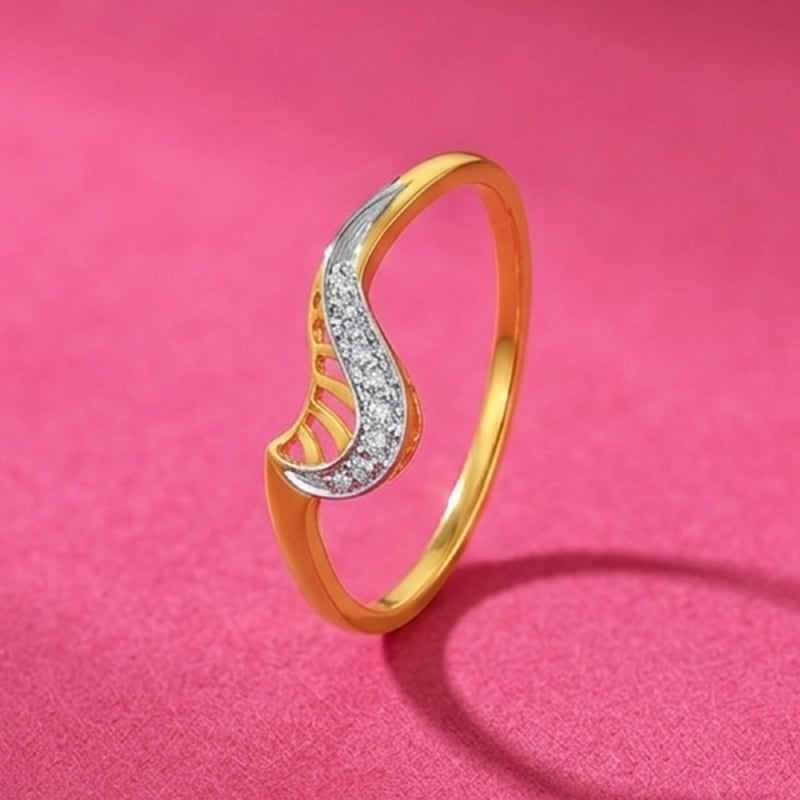
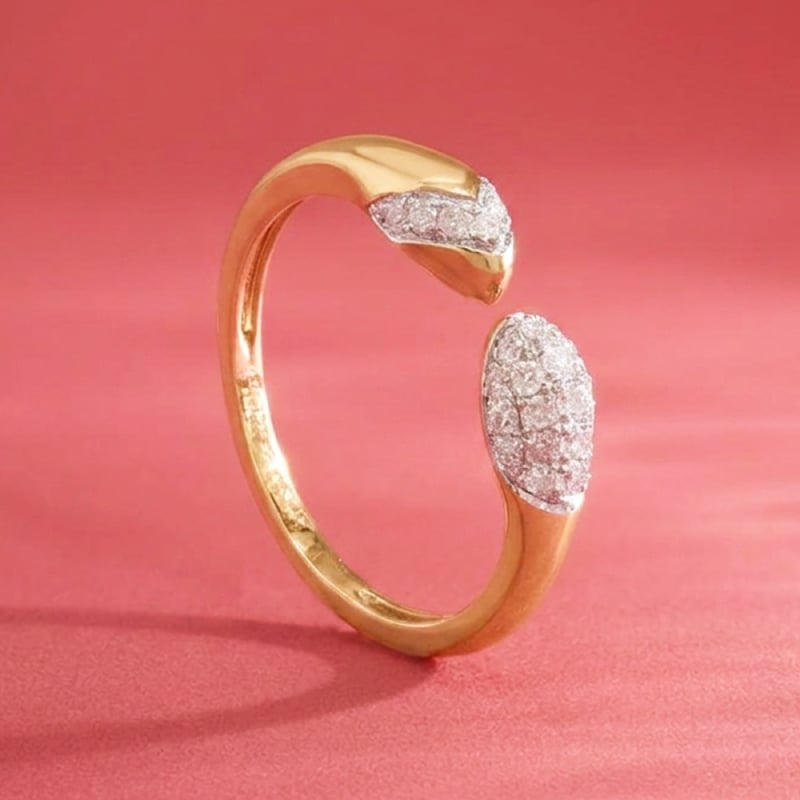
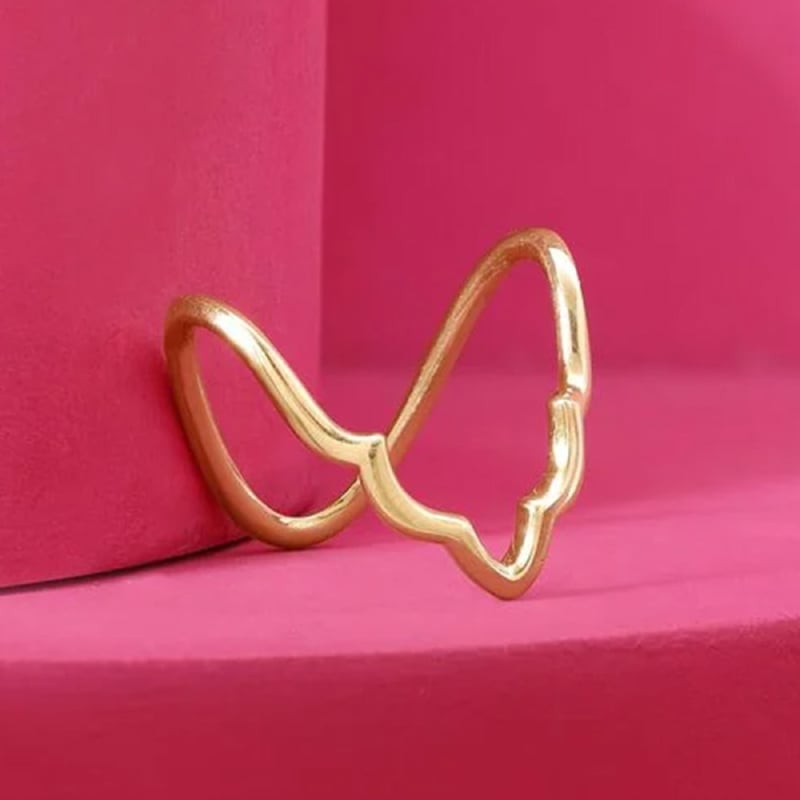
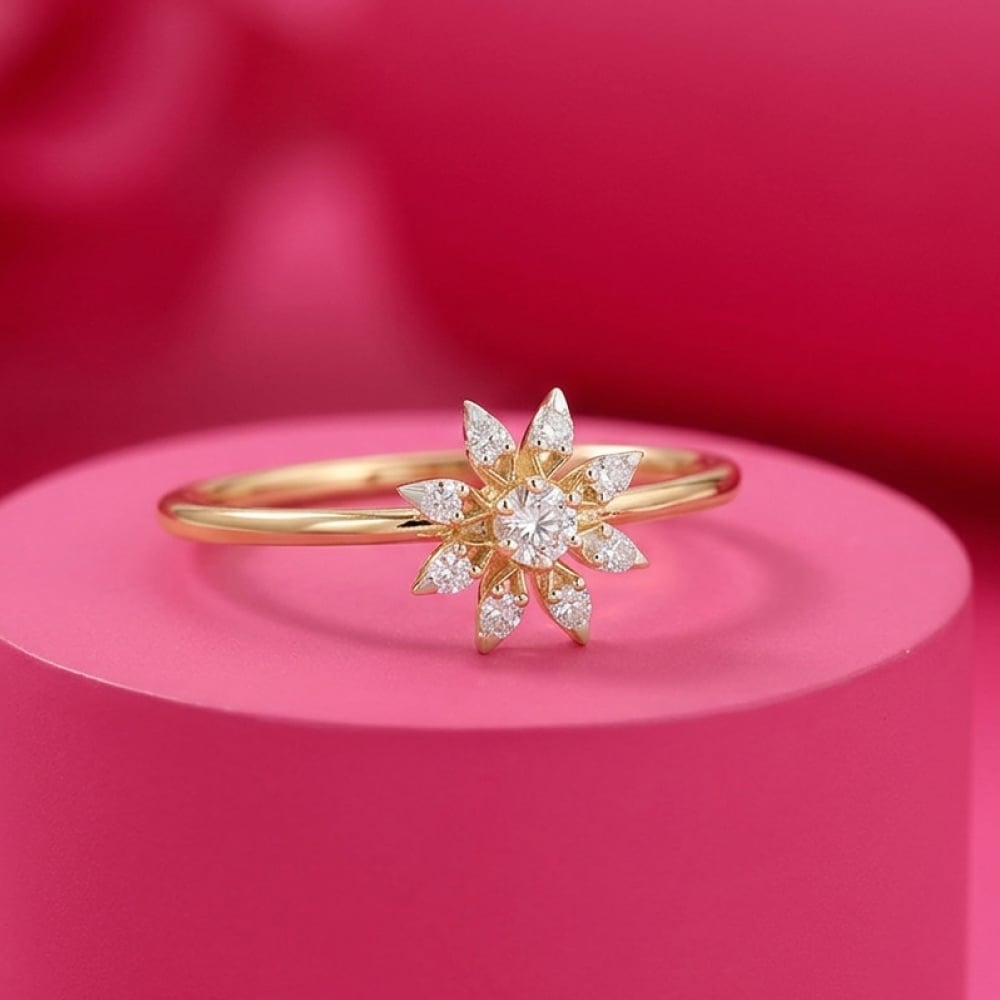
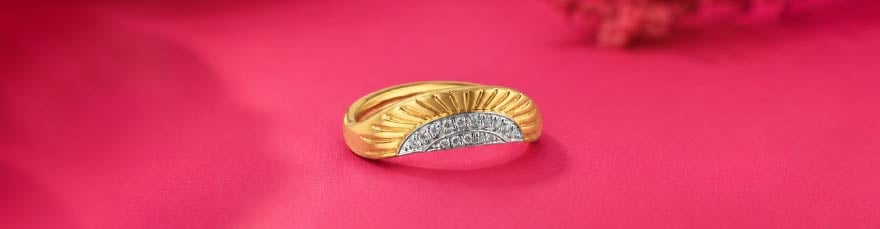 * Finger Rings
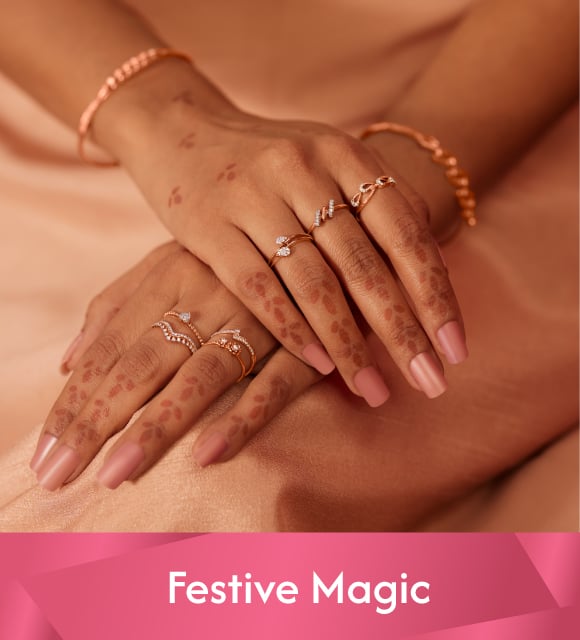
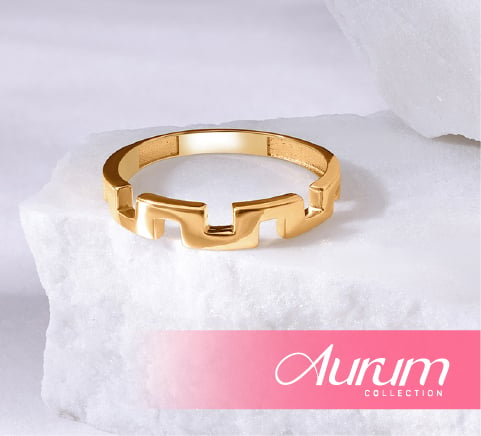
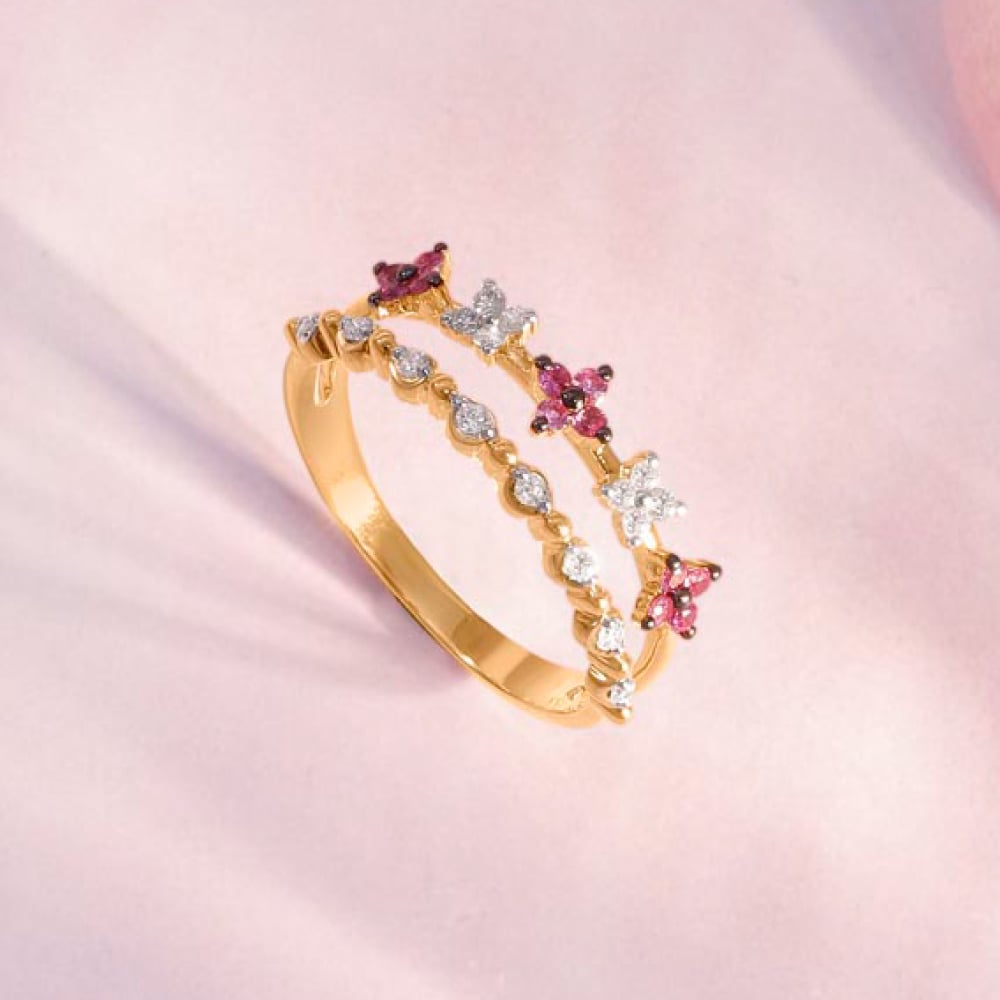
Finger rings are now considered to be staples all around the world. From being indicators of commitment and serving as trendy features that level up outfits, rings play multifaceted roles.
From sleek and sophisticated gold bands to statement gemstone and polki designs, they form a versatile segment of Indian jewellery. These jewels go beyond the wedding glam vibes, seamlessly becoming a part of everyday moments.
7. Waist
* Finger Rings
Finger rings are now considered to be staples all around the world. From being indicators of commitment and serving as trendy features that level up outfits, rings play multifaceted roles.
From sleek and sophisticated gold bands to statement gemstone and polki designs, they form a versatile segment of Indian jewellery. These jewels go beyond the wedding glam vibes, seamlessly becoming a part of everyday moments.
7. Waist
 * Kamarbandh or Odiyanam
Kamarbandh, also known as Odiyanam in South India, refers to the ornate belly chain. It’s an embellished belt that cinches a saree, accentuating the curves and radiating divine feminine energy laced in unspoilt beauty.
Featuring intricate patterns and dotted with stones, it's a true conversation starter. However, it goes beyond the pretty exterior, believed to also ward off negative energies and bring in good vibes to married couples. In 2026, the kamarbandh is styled with different saree drapes for modern slay moments at weddings and other celebrations!
8. Feet
* Kamarbandh or Odiyanam
Kamarbandh, also known as Odiyanam in South India, refers to the ornate belly chain. It’s an embellished belt that cinches a saree, accentuating the curves and radiating divine feminine energy laced in unspoilt beauty.
Featuring intricate patterns and dotted with stones, it's a true conversation starter. However, it goes beyond the pretty exterior, believed to also ward off negative energies and bring in good vibes to married couples. In 2026, the kamarbandh is styled with different saree drapes for modern slay moments at weddings and other celebrations!
8. Feet
 * Anklets or Payals
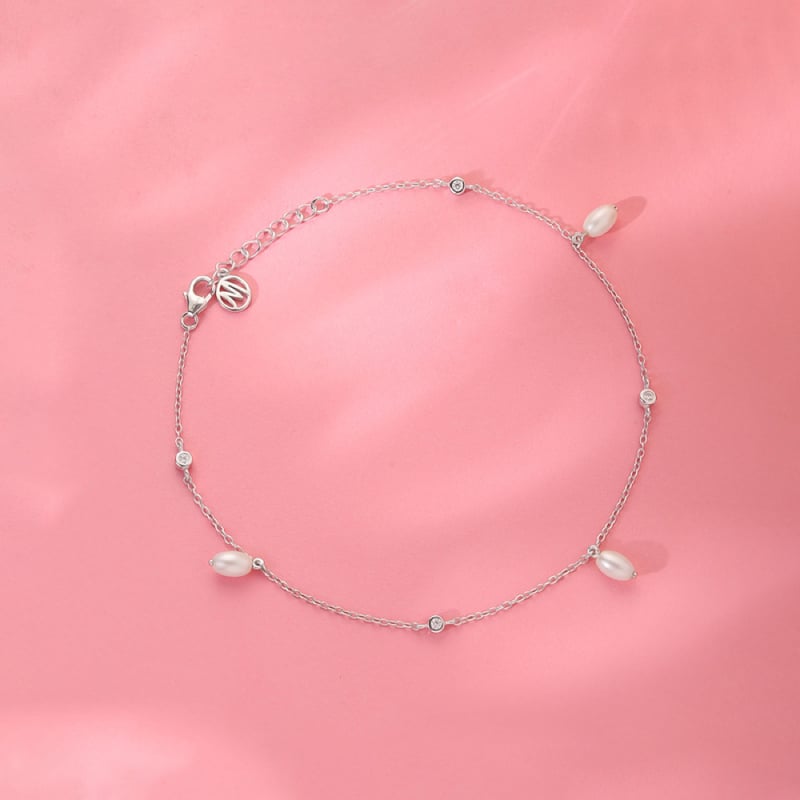
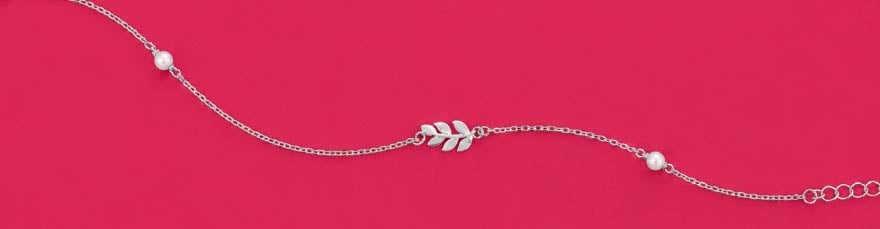
The soothing tinkle of payals sounds like the soundtrack of traditional India. These beauties are hooked around the ankles. The history of the melodic tinkling bells has graced their ways through dance choreographies across centuries of Indian classical performances.
From dainty silver to gem-studded stunners, regional patterns vary, and innovations emerge, but the whimsical impact remains the same! They play special roles during henna ceremonies as gifts. New payal sets are like passing on the rhythm of tradition to the upcoming generation.
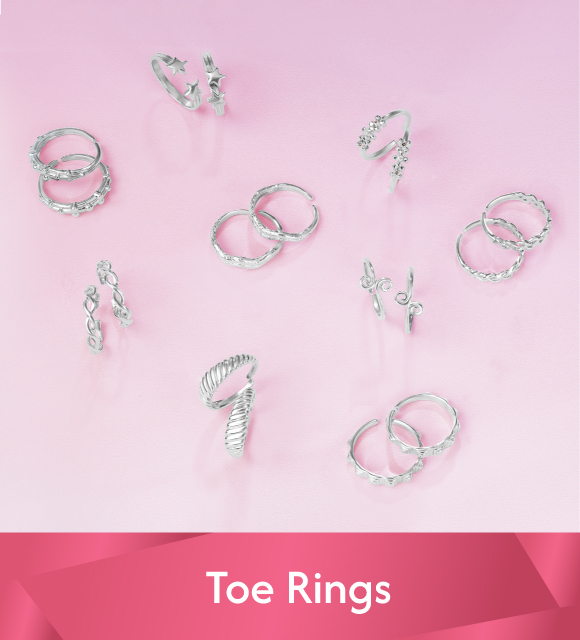
* Toe Rings
South Indian brides are traditionally known to adorn intricate silver toe rings during the wedding rituals. These jewels go beyond serving as beauty enhancers; they protect the wearer from negative vibes and harmful energies.
Women now use toe rings as an accentuation to empower and beautify, all while partaking in deep-rooted cultural rituals!
Final Word
From regal maang tikkas to the mind-soothing tinkling anklets, every classic Indian jewellery piece tells a story of tradition, splendour, and culture. Whether one is dressing up for a special event or spicing up their everyday look, such iconic pieces are sure to make them gleam even today.
Especially, you can explore the latest variations of Indian jewellery with us at Mia. Our lightweight and everyday-ready takes on classics are sure to impress and feel like the real, sparkling ‘you’!
* Anklets or Payals
The soothing tinkle of payals sounds like the soundtrack of traditional India. These beauties are hooked around the ankles. The history of the melodic tinkling bells has graced their ways through dance choreographies across centuries of Indian classical performances.
From dainty silver to gem-studded stunners, regional patterns vary, and innovations emerge, but the whimsical impact remains the same! They play special roles during henna ceremonies as gifts. New payal sets are like passing on the rhythm of tradition to the upcoming generation.
* Toe Rings
South Indian brides are traditionally known to adorn intricate silver toe rings during the wedding rituals. These jewels go beyond serving as beauty enhancers; they protect the wearer from negative vibes and harmful energies.
Women now use toe rings as an accentuation to empower and beautify, all while partaking in deep-rooted cultural rituals!
Final Word
From regal maang tikkas to the mind-soothing tinkling anklets, every classic Indian jewellery piece tells a story of tradition, splendour, and culture. Whether one is dressing up for a special event or spicing up their everyday look, such iconic pieces are sure to make them gleam even today.
Especially, you can explore the latest variations of Indian jewellery with us at Mia. Our lightweight and everyday-ready takes on classics are sure to impress and feel like the real, sparkling ‘you’!
Frequently Asked Questions
1. Can I style classic Indian jewellery with western wear?
Yes, you can style classic Indian jewellery like statement necklaces, earrings, or rings with western wear. With the maximalist trend now taking over, anchor pendants, chandelier earrings, and bold gemstone rings have become stylish inclusions. To tie in a cohesive vibe with your western wear, stick to a single statement piece of jewellery per outfit.
2. How can I wear traditional jewellery and still look stylish?
You can now opt for traditionally beloved motifs, carved to embody modern jewellery patterns. Choose lightweight and versatile variations of paisleys, floral strokes and God pendants. Wear them with minimalist bases and feel ever so stylish, going hand-in-hand with traditional obligations.
3. What are the different types of popular Indian style jewellery?
Types of Indian jewellery include navratna, polki, kundan, filigree, jadau, meenakari, temple, and thewa styles. Such categories and techniques are now used to create lightweight and everyday pieces perfect for the modern fashionista on the go.
Stories you might also like



×