Get a Callback
We'll find it for you 💌
Obsessed with this piece? A Mia store expert will call you to help find it nearby.
You're all set!
A Mia store expert will call you shortly to help you find this piece at your nearest store.
Expect a call within 24 hoursDiscover similar or identical jewellery by uploading a picture.
Discover similar or identical jewellery by uploading a picture.
})
The file size should not exceed 5 MB
File size exceeds the limit





















 Blogs & Articles
- Home
- Blogs & Articles
- Learn What Is Rose Gold and Why It’s Popular in Jeweller
16 Feb 2026

by Mia
16 Feb 2026
Read:
4 Mins
Spread the Fashion Love!


Be the first to see
Explore Mia’s latest jewellery collection, crafted to feel precious, every day!
The catalogue has been sent to you via email!
Be the first to see
Explore Mia’s latest jewellery collection, crafted to feel precious, every day!
The catalogue has been sent to you via email!
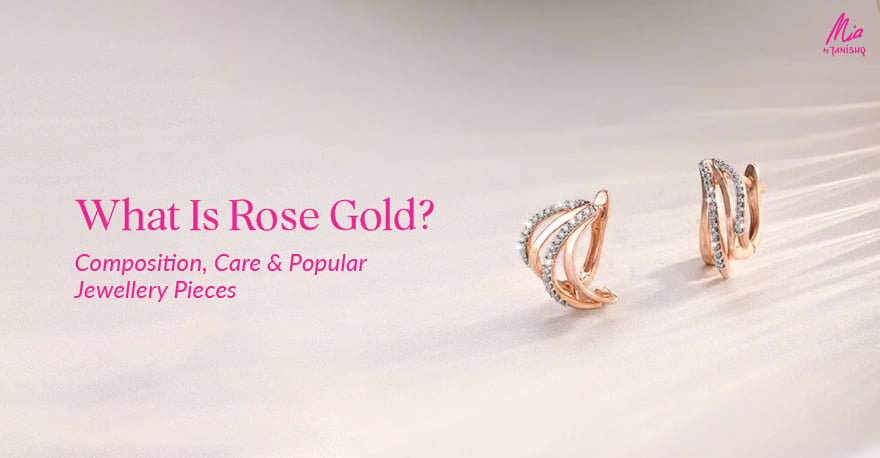

What Is Rose Gold? Composition, Care & Popular Jewellery Pieces
Many people instinctively lean towards rose gold when choosing jewellery, often without realising why. The difference lies in its softer undertone, which sets it apart from cooler gold colours. Rose gold has a way of standing out without trying too hard. It’s understated, but memorable; modern, yet familiar. At its core, rose gold is not a separate metal pulled from the earth. It’s an alloy that is created to balance beauty, strength, and comfort; all qualities that matter when jewellery is meant to live with you, not sit in a locker.
What Exactly Is Rose Gold Made Of?
When people ask what rose gold metal is, the answer lies in its composition. Rose gold is made by blending pure gold with copper, and in some cases, a small amount of silver. The copper is what gives rose gold its signature blush tone. This tone ranges from soft pinks to deeper rose hues, depending on the proportion used.
An interesting detail many buyers don’t realise is that the purity of gold affects not just colour, but how the jewellery feels over time. That’s why rose gold jewellery is commonly crafted in 14 KT, 18 KT, or even 9 KT gold, each offering a slightly different balance of colour depth, durability, and comfort for daily wear. The higher the gold karat, the softer and subtler the pink and the lower the gold content, the stronger the colour and the higher the durability.
(Name), a jewellery expert at Mia by Tanishq often explains to customers during consultations, “Rose gold settles into your life easily and still feels special years later.”
Why Does Rose Gold Feel Different From White Gold
The conversation around white gold vs rose gold usually starts with colour, but it doesn’t end there.
White gold has a cooler, contemporary edge, often chosen for its crisp finish. Rose gold, on the other hand, feels warmer and more organic. It complements a wide range of skin tones and blends seamlessly with both minimal and expressive personal styles.
From a practical point of view, the copper in rose gold makes it slightly more durable than yellow gold, which is why many people prefer it for rings, bracelets, and pieces worn daily. This strength shows up quietly in how well the jewellery holds up over time.
Why Has Rose Gold Become So Popular?
Rose gold’s rise hasn’t been sudden; it’s grown steadily because it fits easily into how jewellery is worn today. Its tone sits between yellow and white gold, offering warmth without feeling heavy or dated. This balance makes it flattering across skin tones and easy to style daily.
What adds to its appeal is its flexibility. Rose gold works just as naturally in engagement rings as it does in everyday studs, slim bracelets, or layered necklaces. It doesn’t rely on trends, which is why it continues to feel relevant across styles and occasions.
Also, rose gold does not fade or lose its colour because it isn’t plated. The pink tone runs through the metal itself. Over time, you may notice a softer, lived-in warmth developing, especially in jewellery worn often. This is a natural patina, not damage. Some wearers actually prefer this evolution. It tells a story.
Caring for Rose Gold Without Overthinking It
Caring for rose gold jewellery doesn’t require a long checklist. Because it’s meant to be worn often, a few simple habits naturally help it stay looking good over time, without turning care into a task.
Be mindful during daily routines: Rose gold doesn’t need special treatment, but keeping it away from harsh chemicals, removing it during workouts or heavy chores, and following small habits like putting jewellery on last or taking it off before bed can quietly protect its finish. This will also reduce unnecessary wear over time.
Simple and gentle cleaning:Rose gold doesn’t need special products. All you need is mild soap, warm water, and a soft cloth, which are usually enough to lift everyday buildup, while avoiding harsh cleaners or rough scrubbing, which helps maintain its natural finish over time.
Store jewellery thoughtfully between wears:Keeping rose gold pieces separate, ideally in soft pouches or lined compartments. This helps prevent everyday scratches, dust buildup, and unnecessary contact, preserving the finish just as much as regular cleaning does.
Popular Jewellery Pieces Where Rose Gold Truly Shines
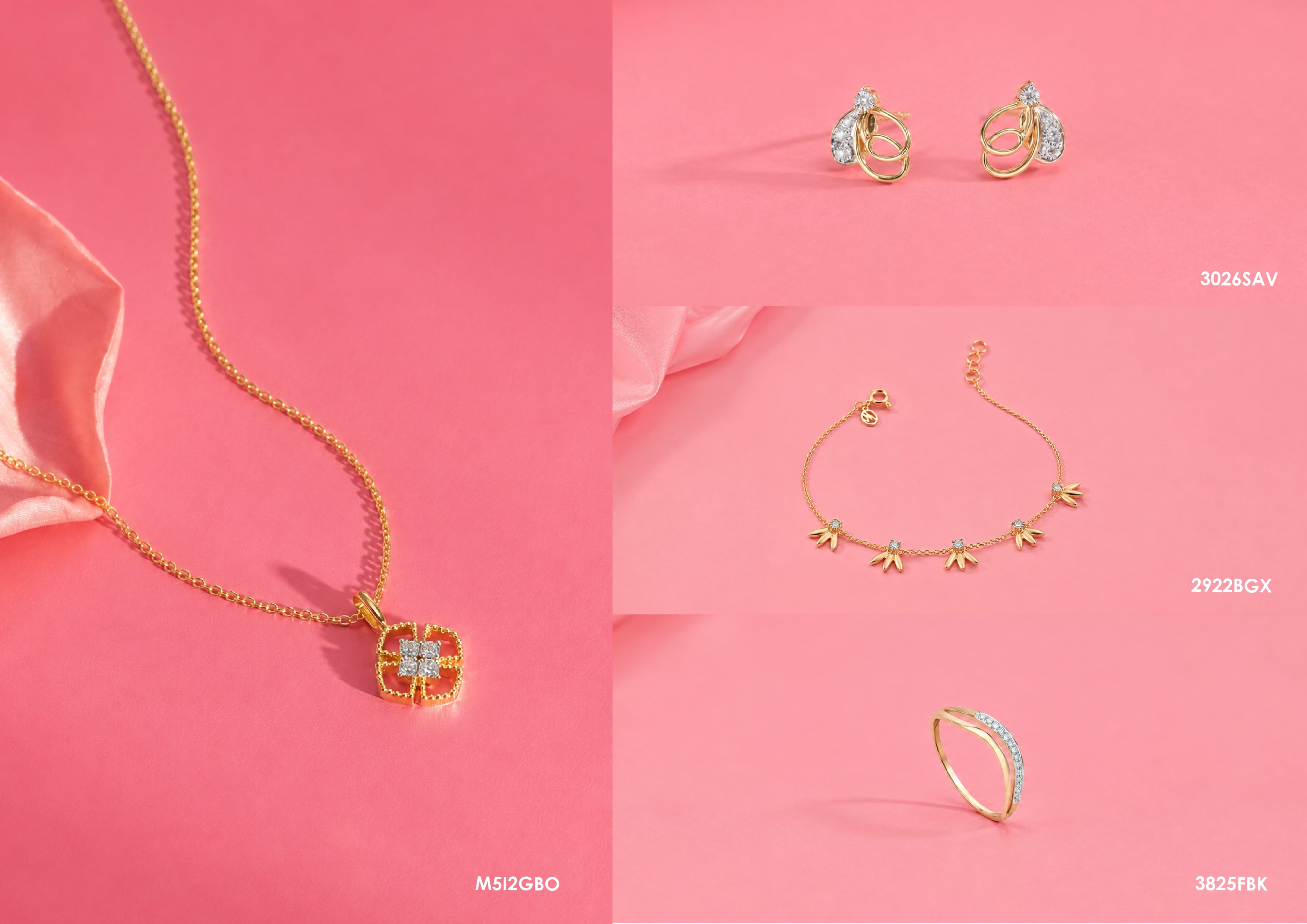
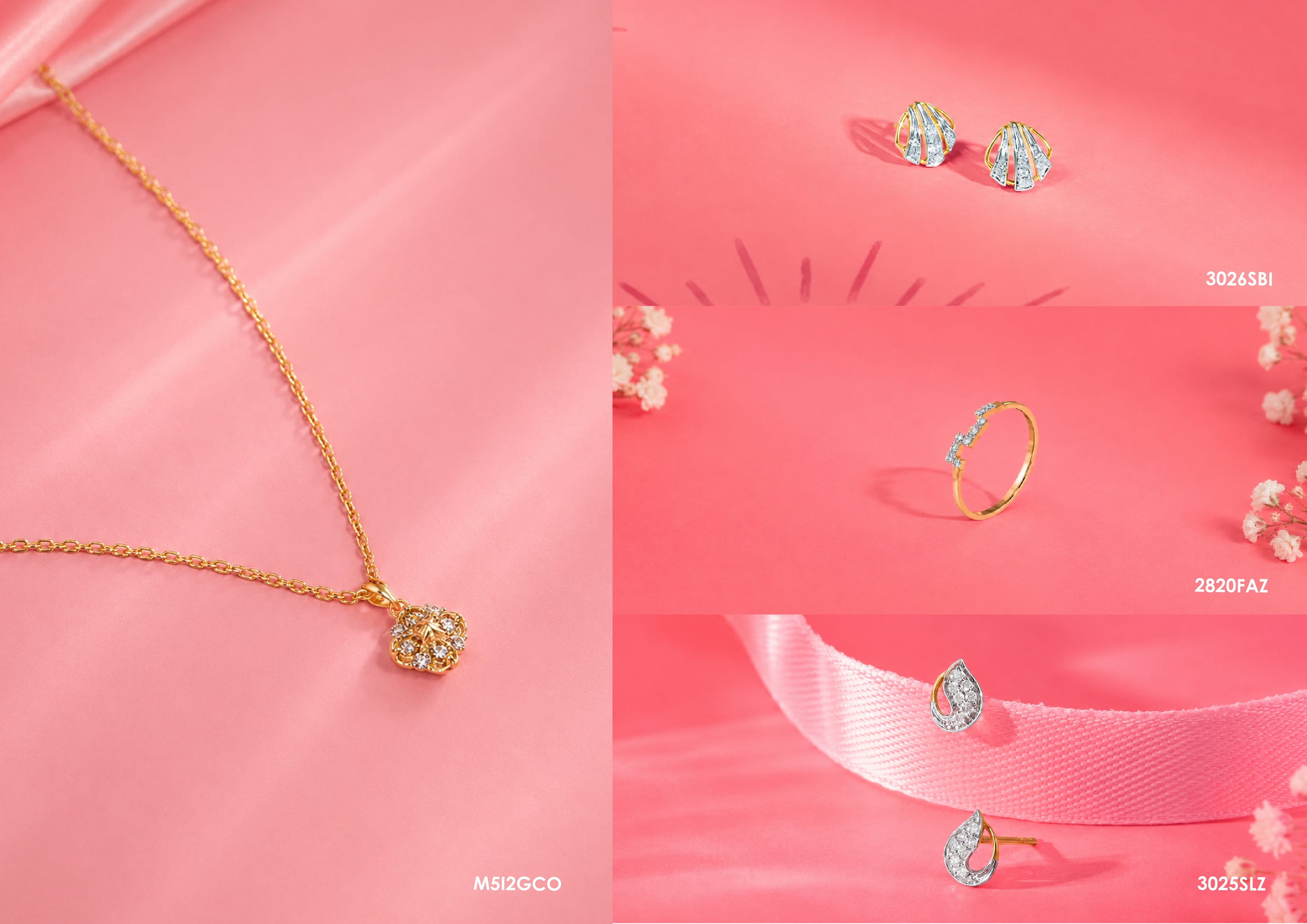
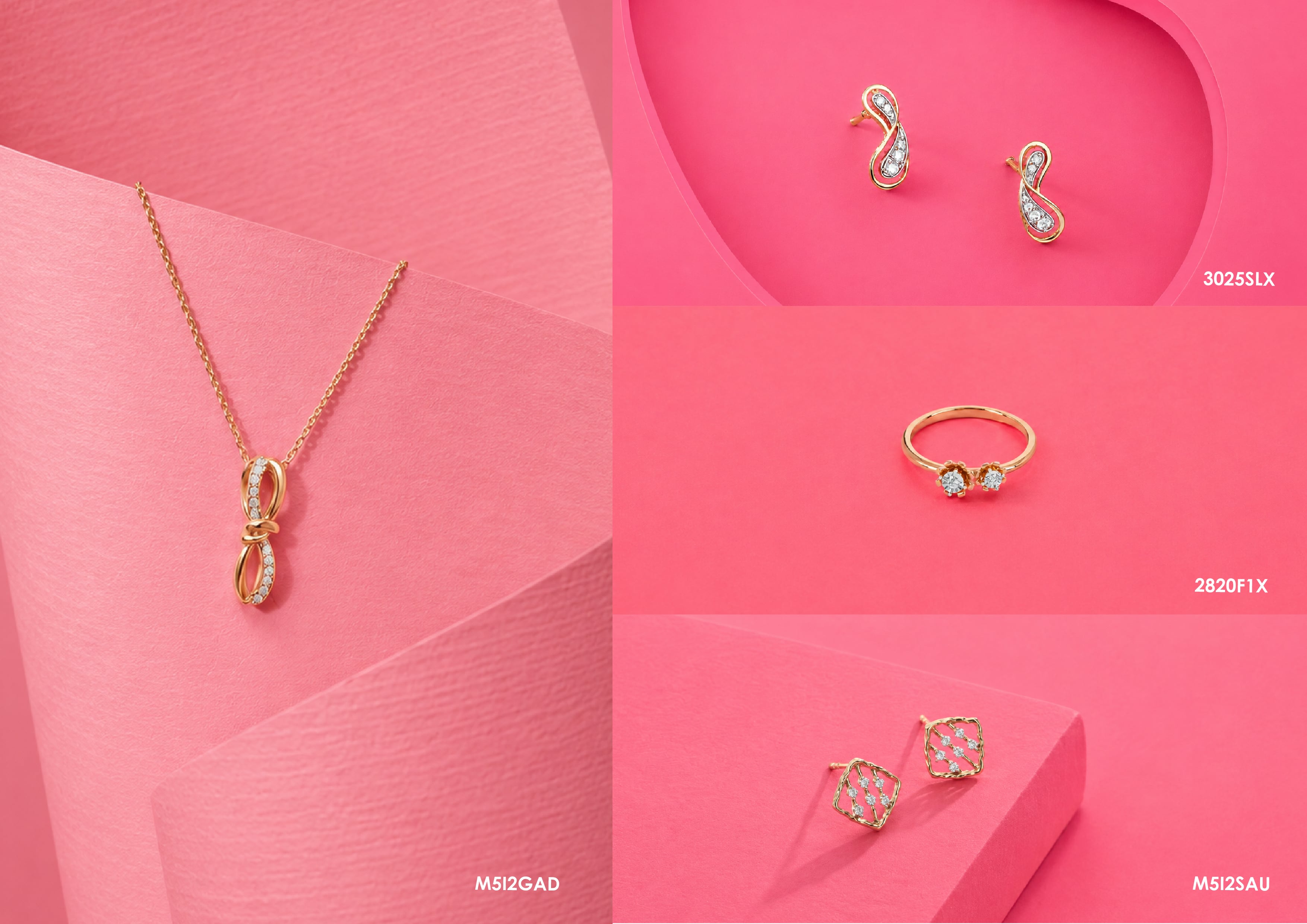
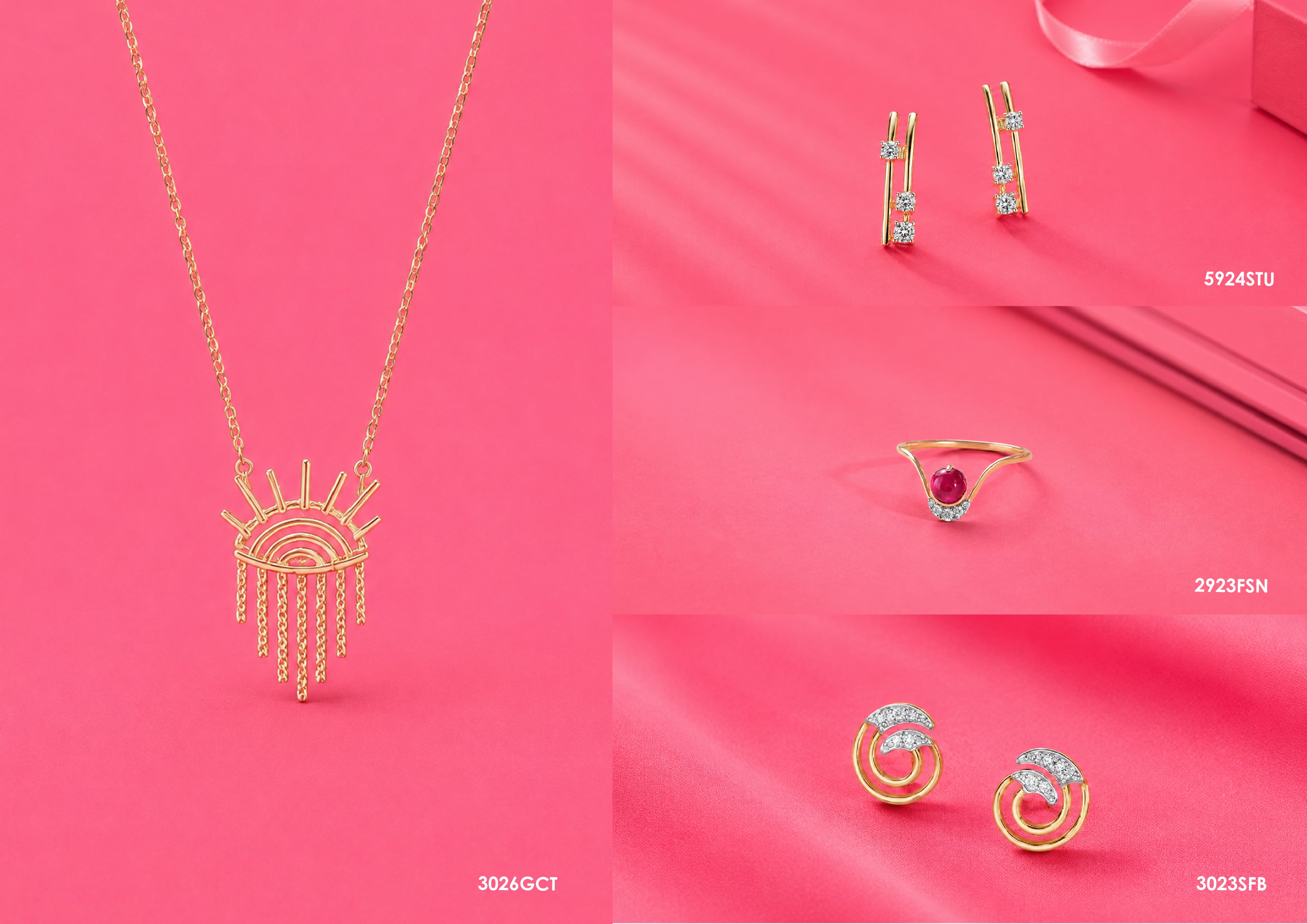
 One reason rose gold continues to be a favourite is how naturally it fits into different jewellery styles. It complements how pieces are worn in real life. It’s comfortable, durable, and doesn’t feel like something you need to save for special occasions.
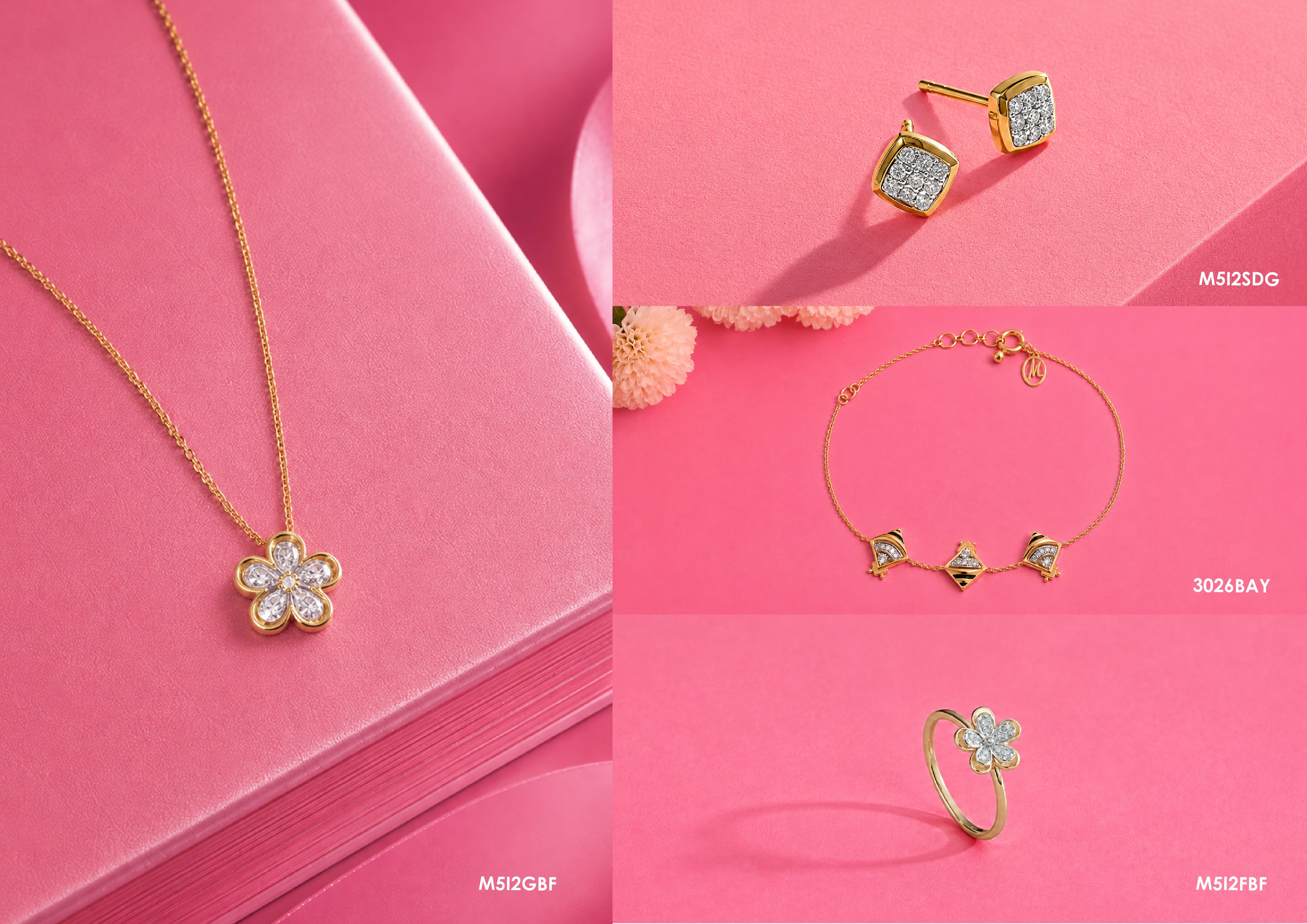
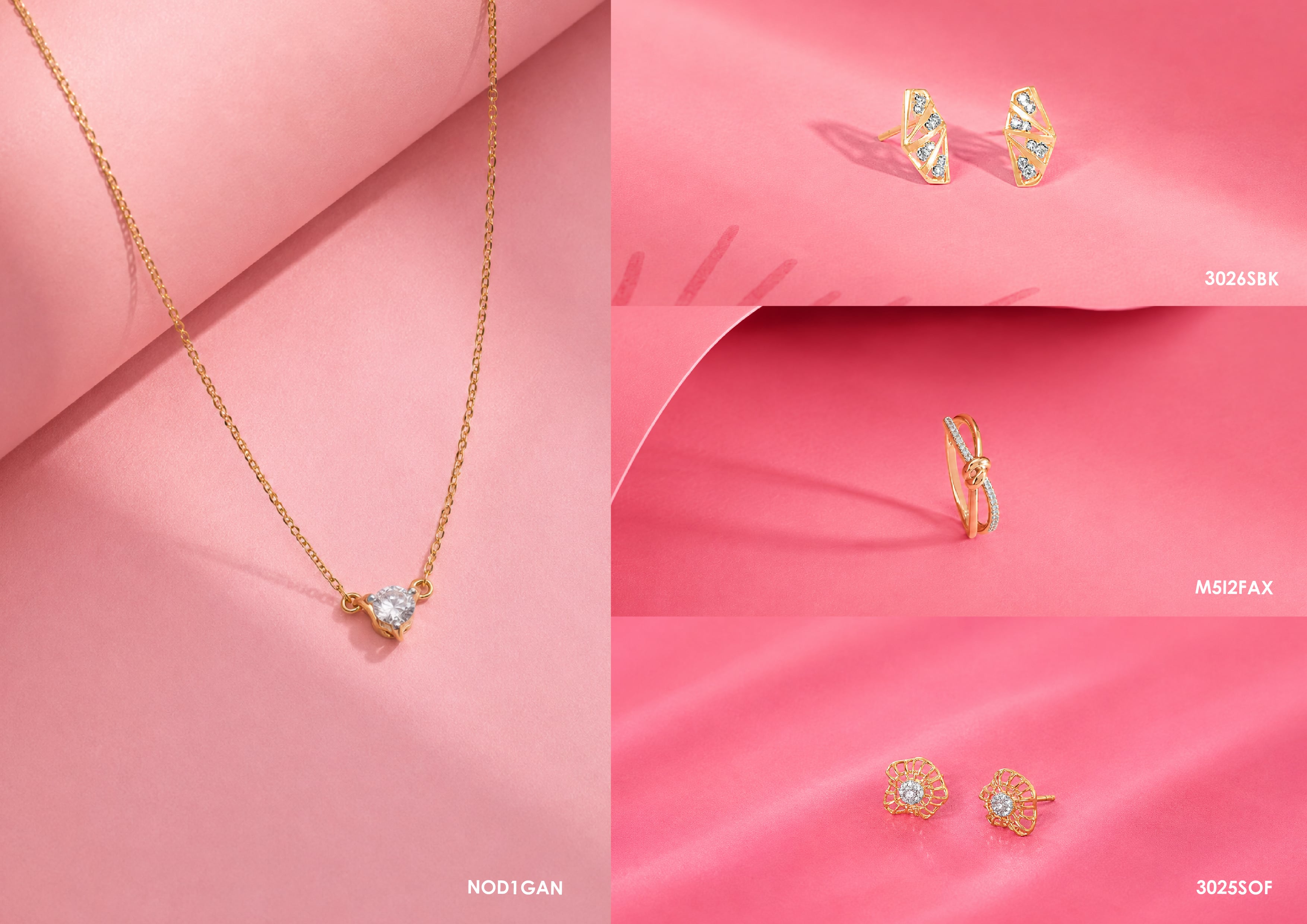
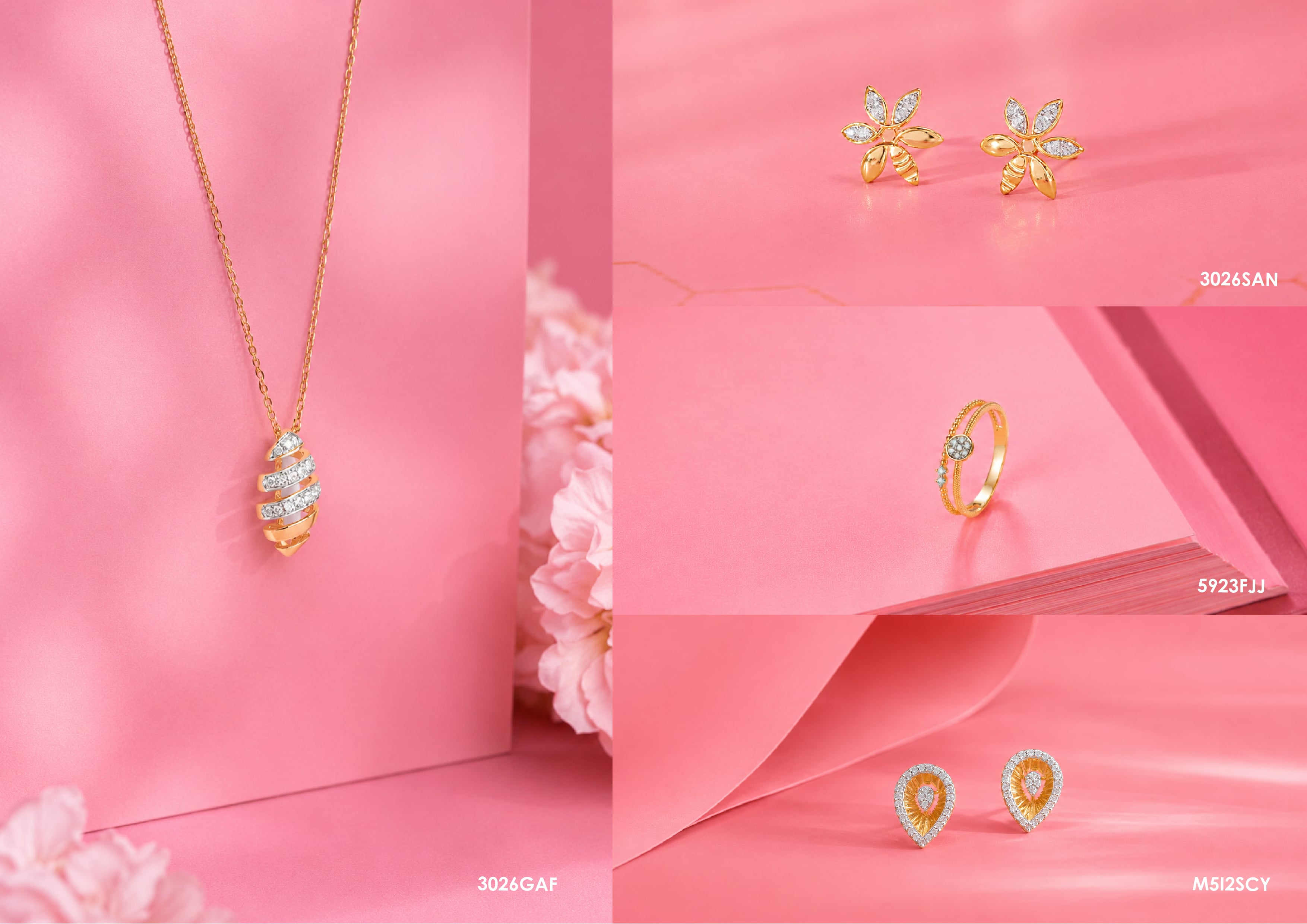
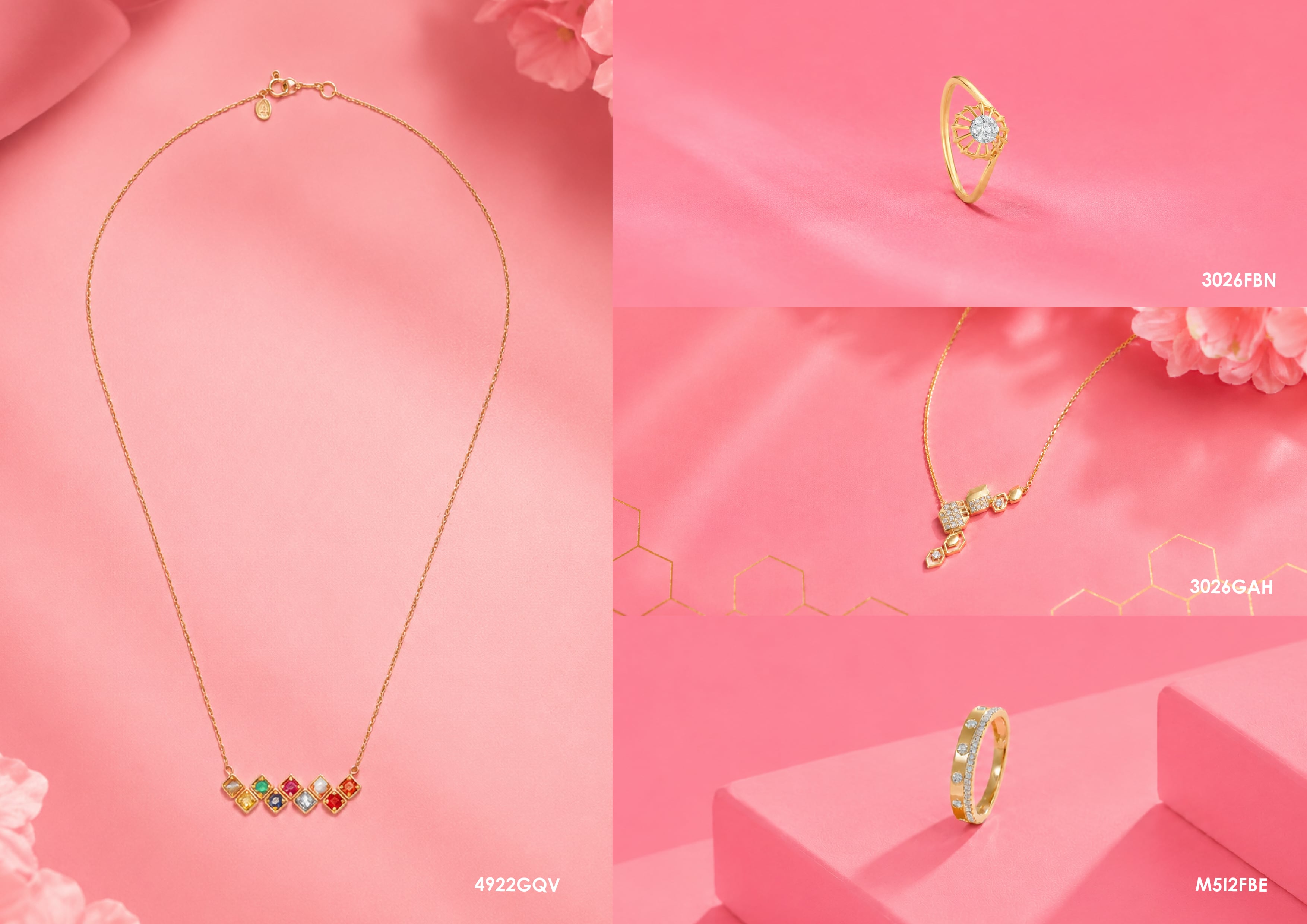
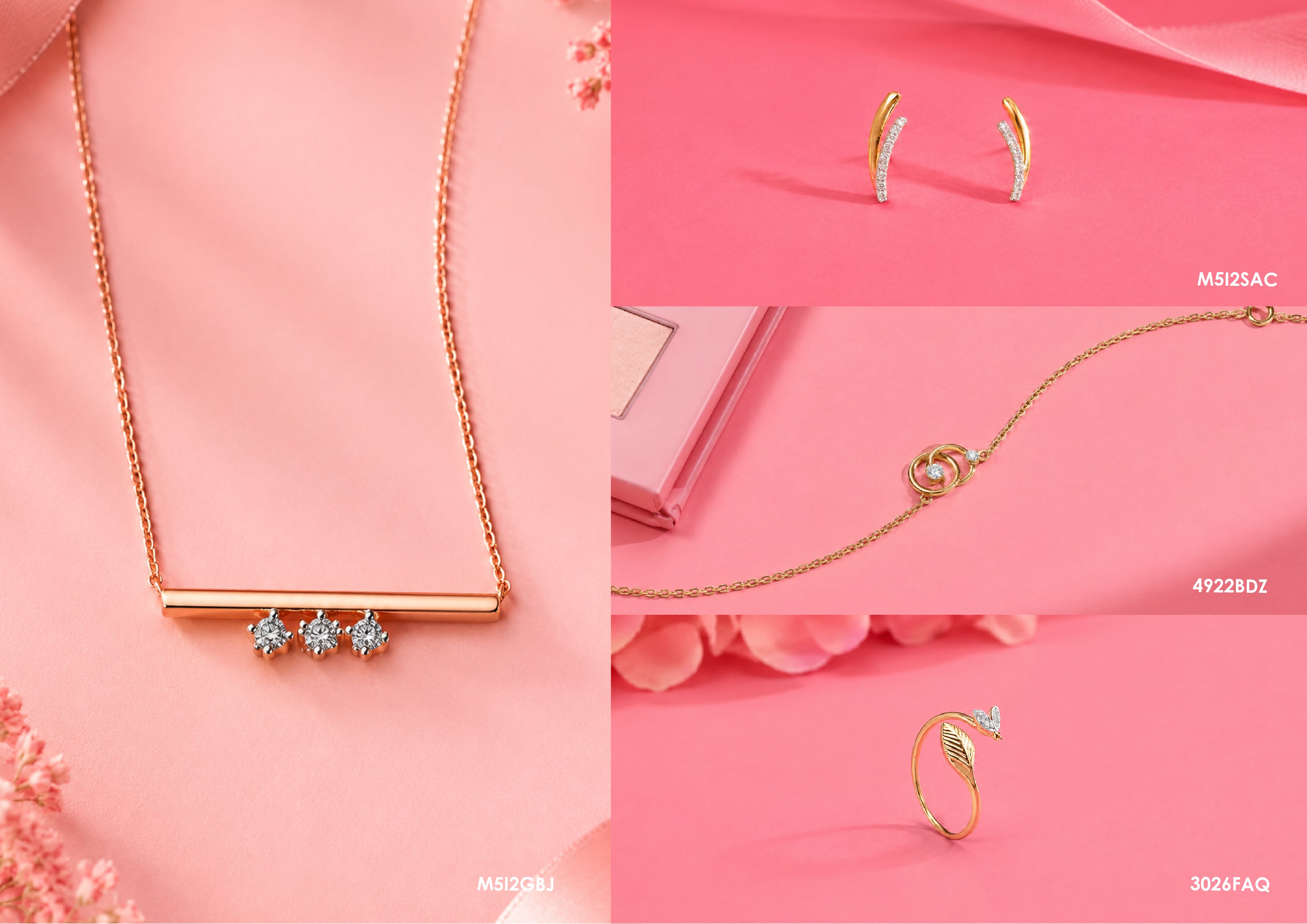
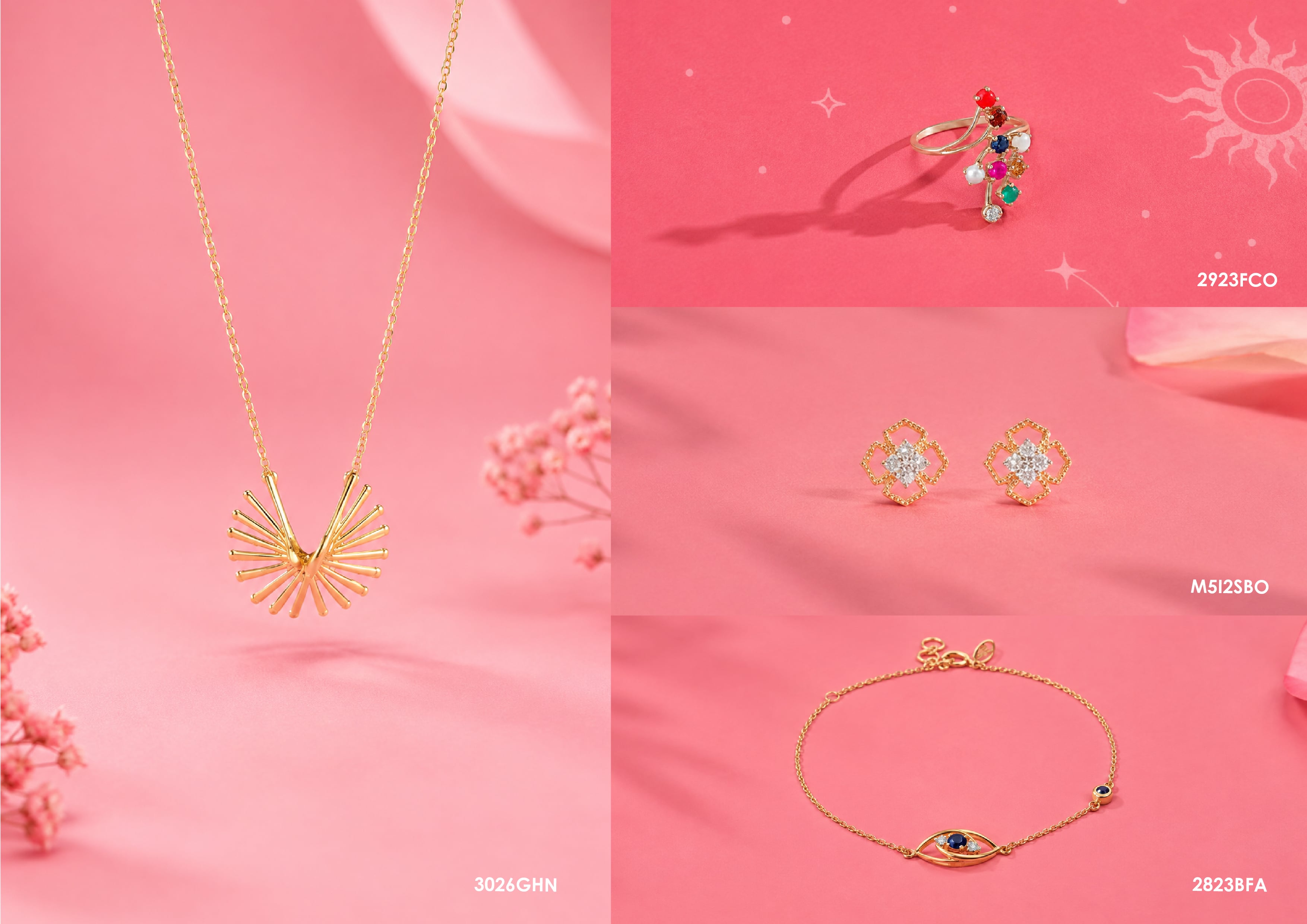
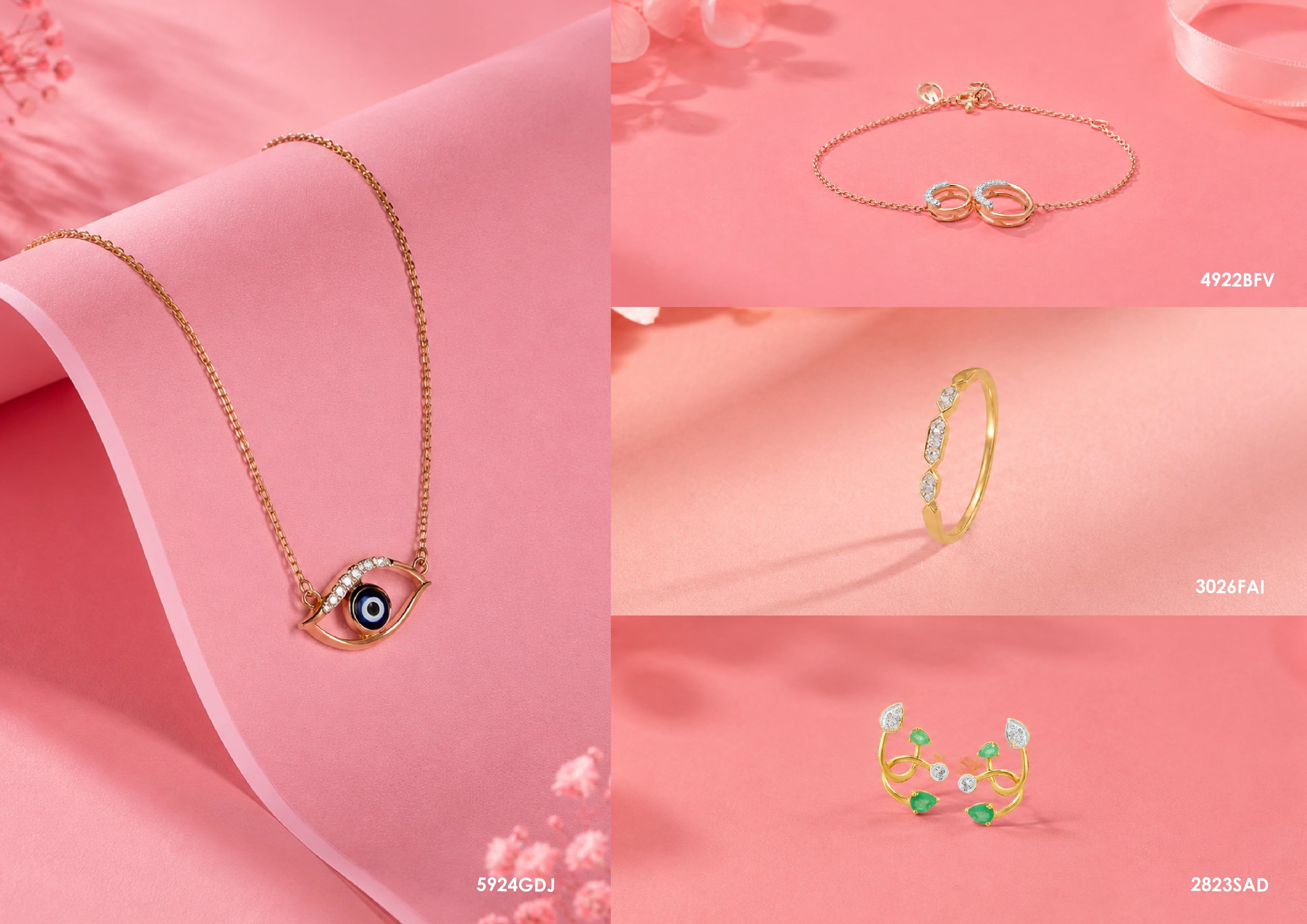
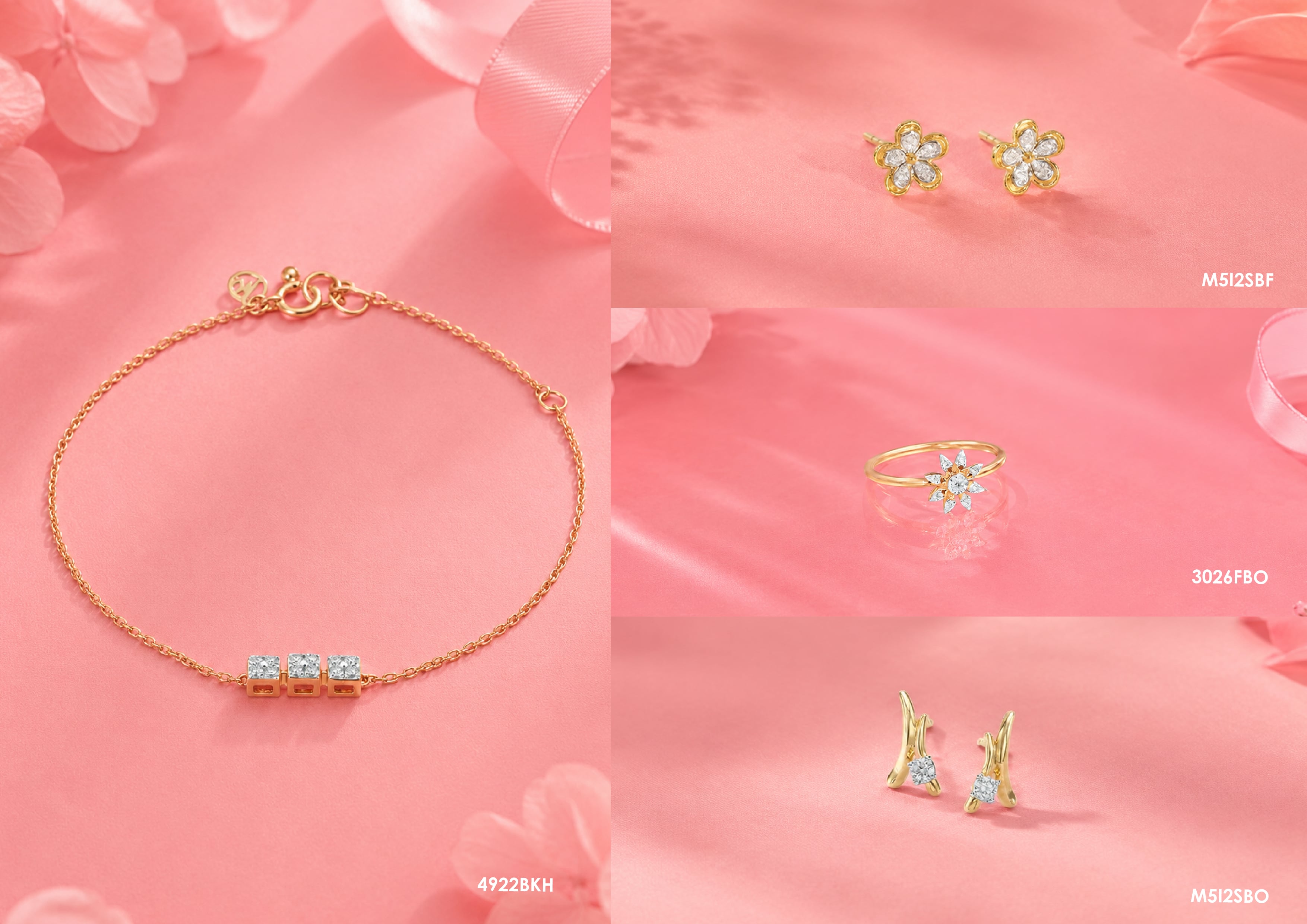
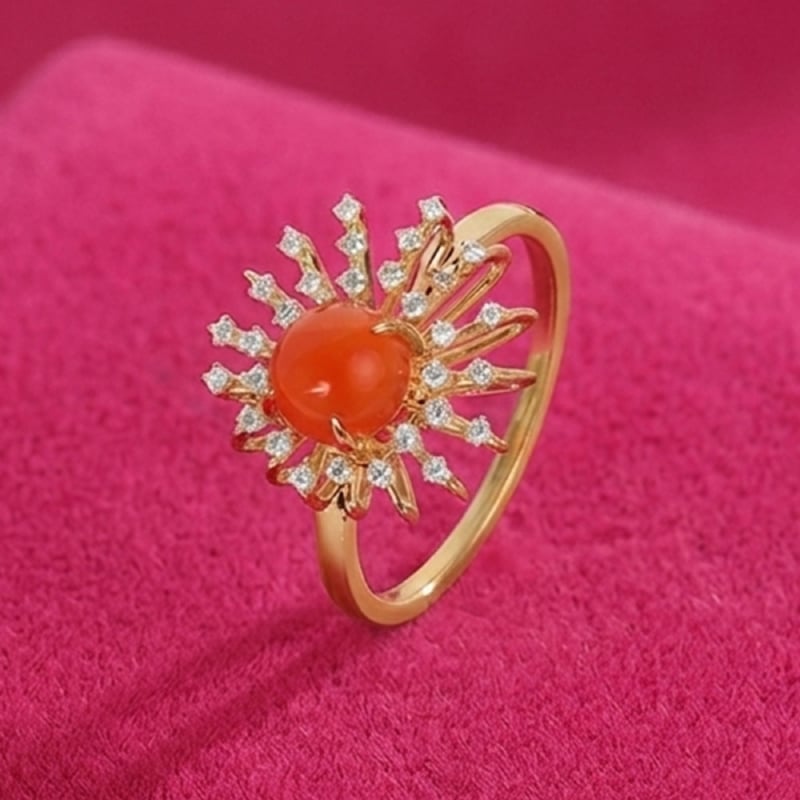
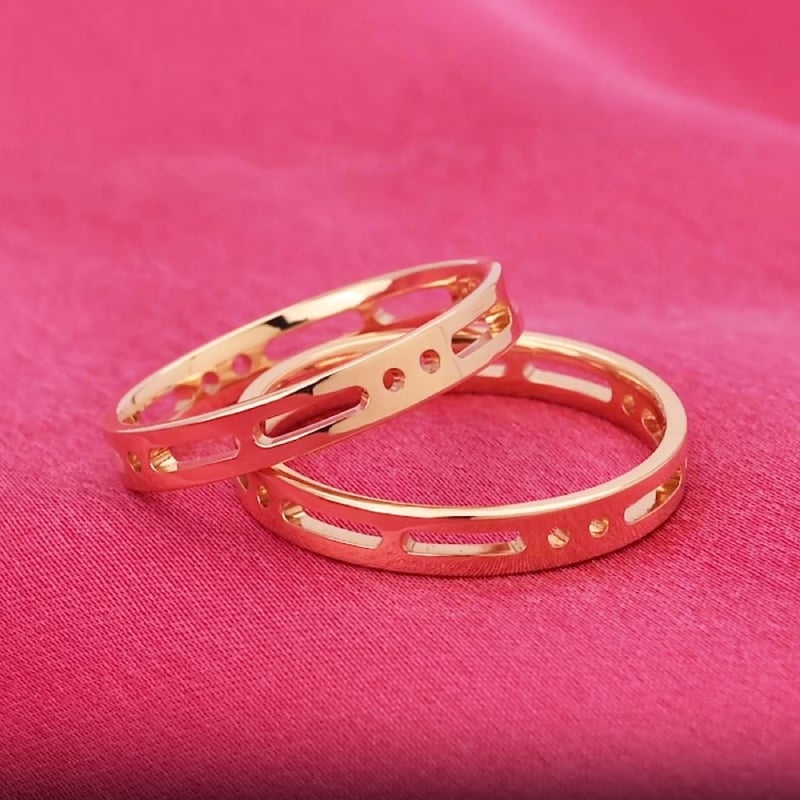
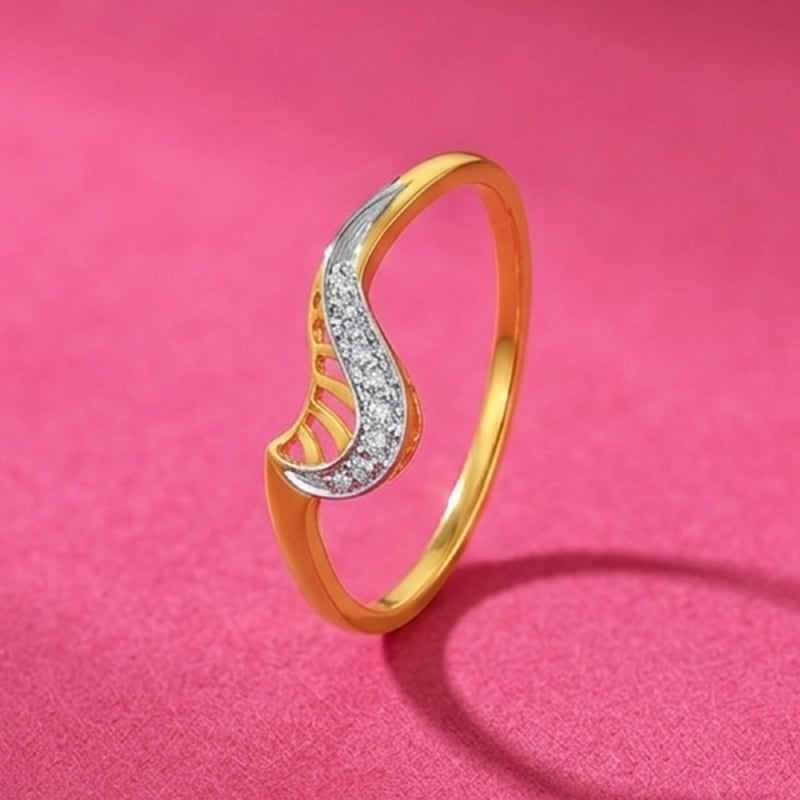
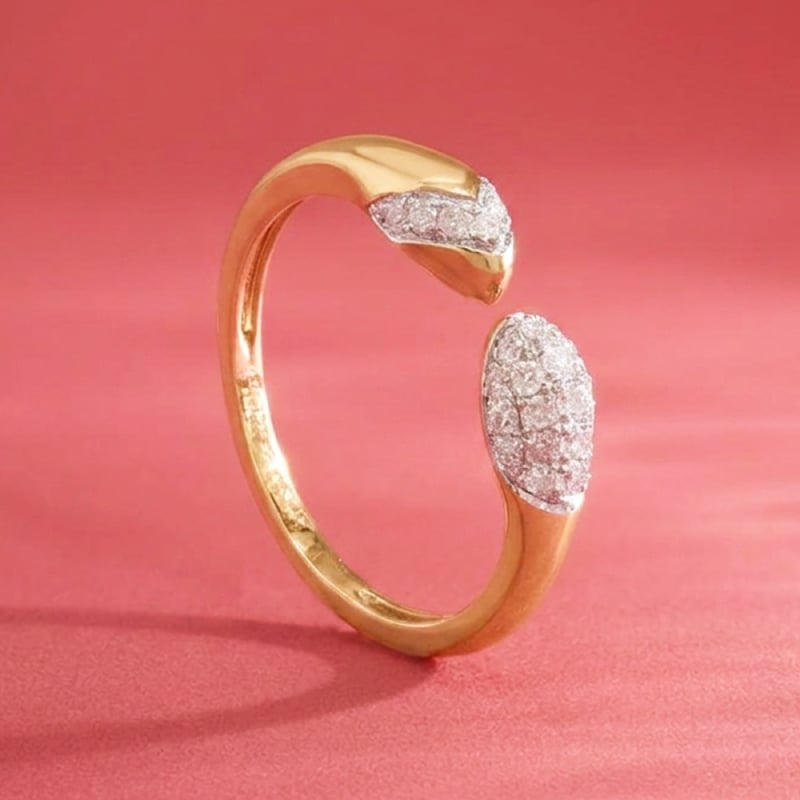
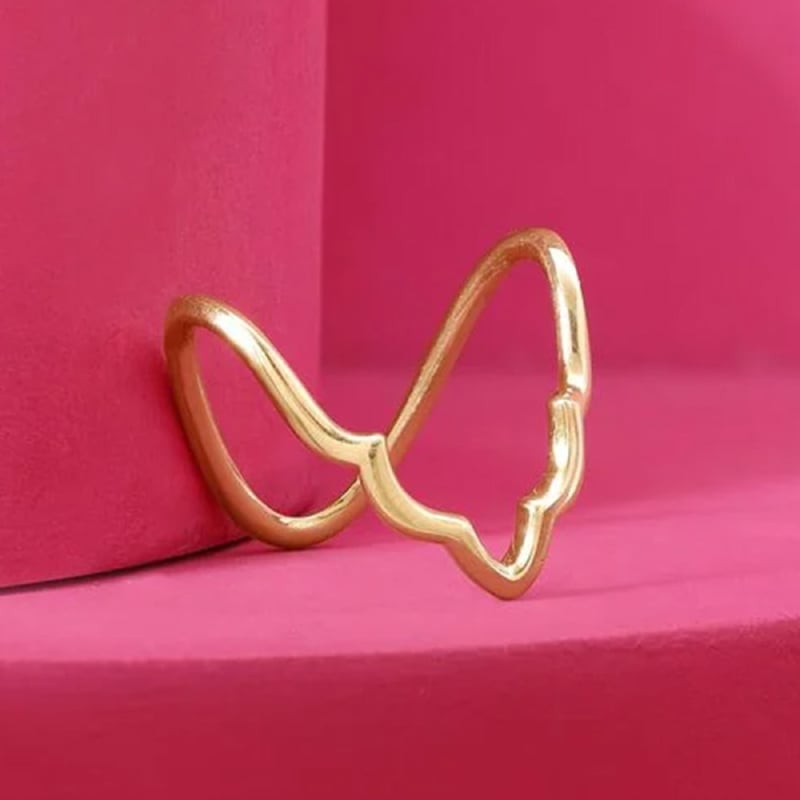
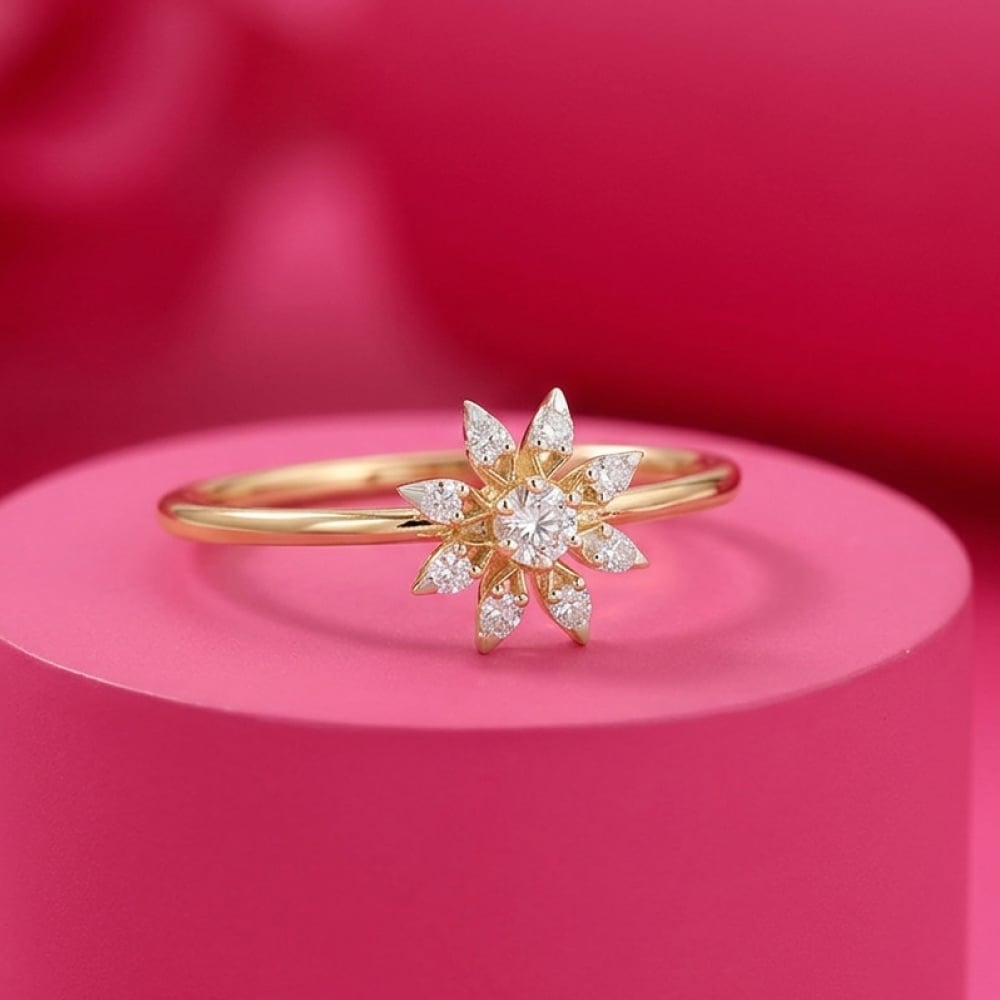
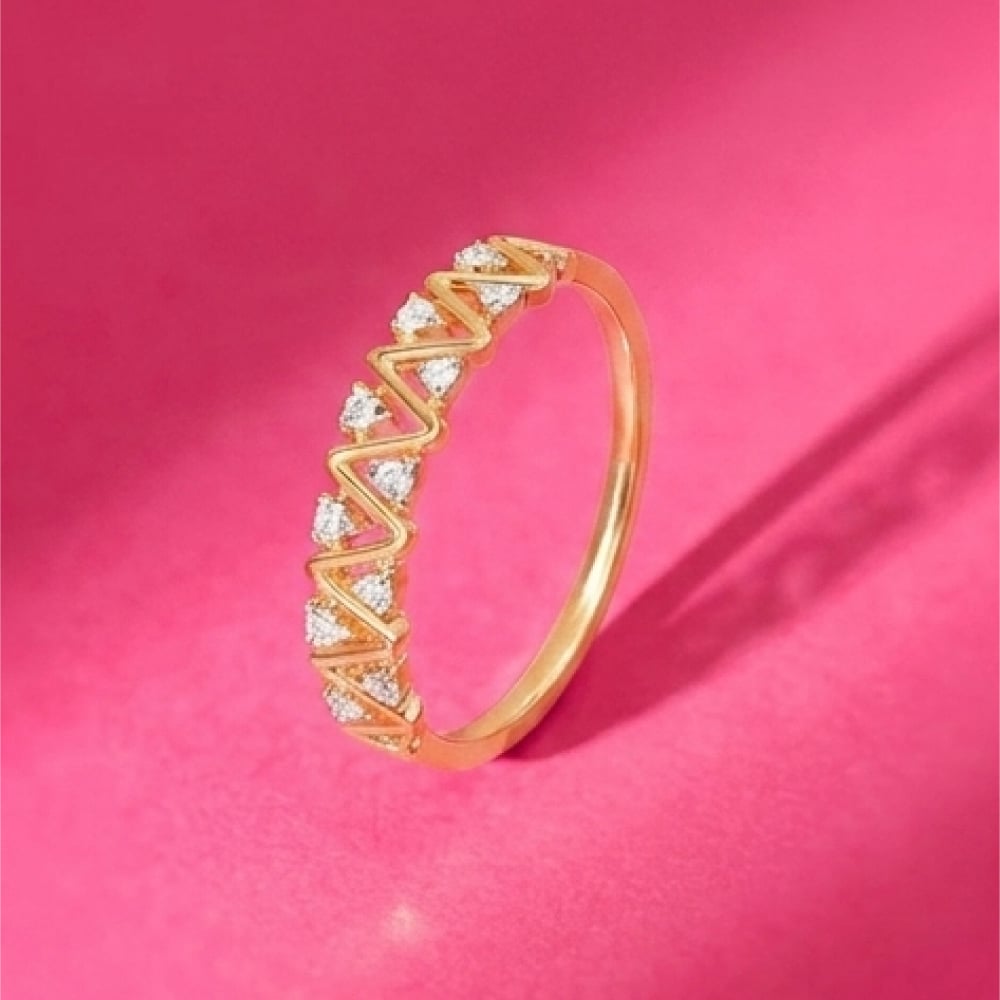
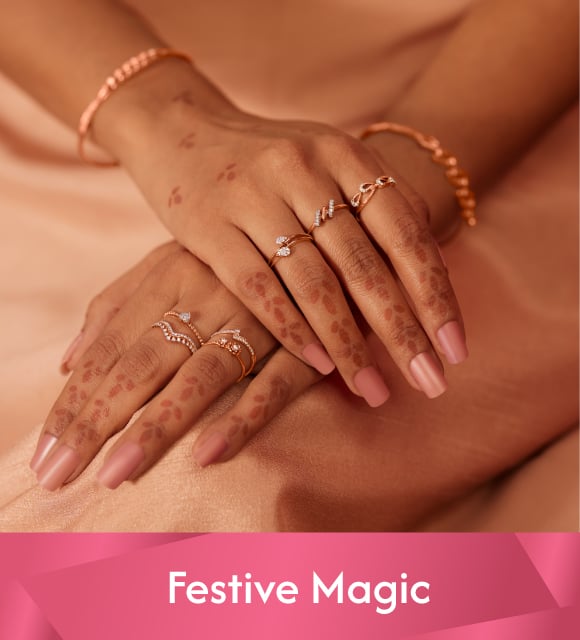
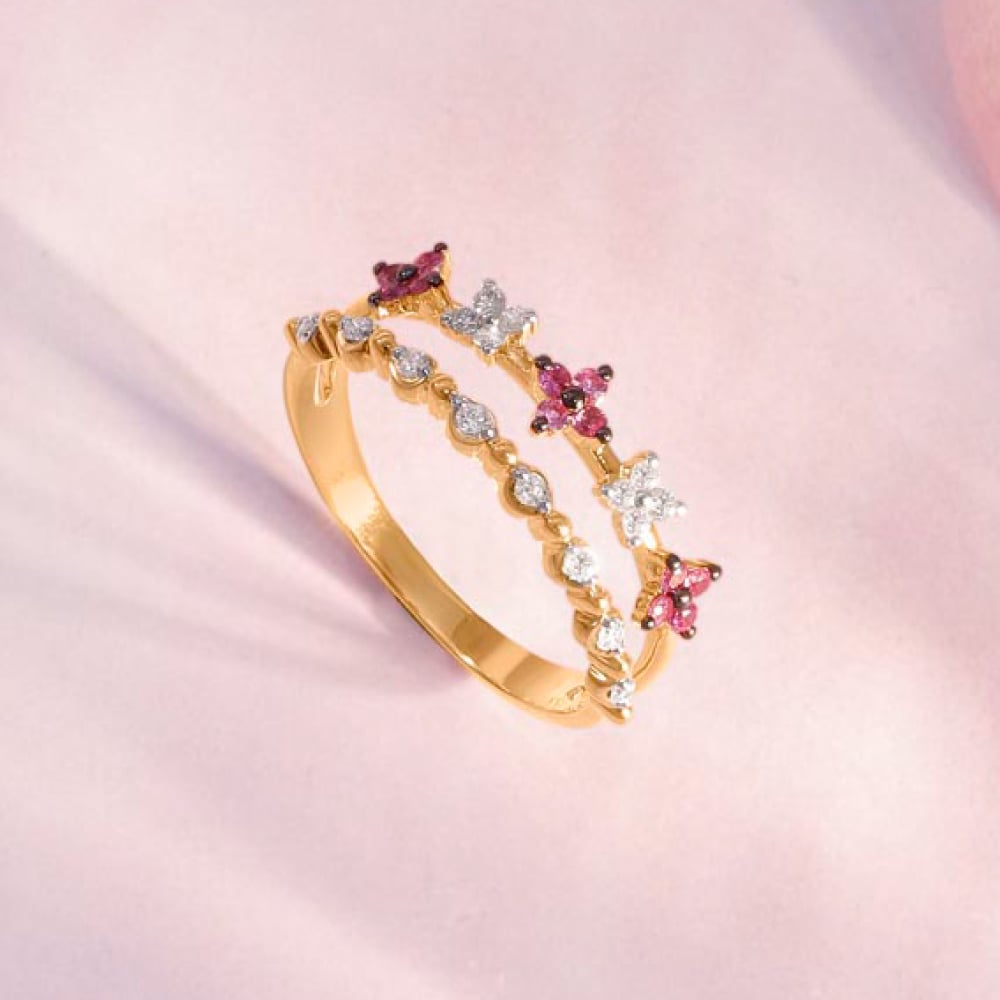
Rings: Whether it’s an engagement ring, a minimal everyday band, or a stackable style, rose gold rings add warmth and character while remaining comfortable and versatile enough for regular wear and effortless mixing with other gold tones.
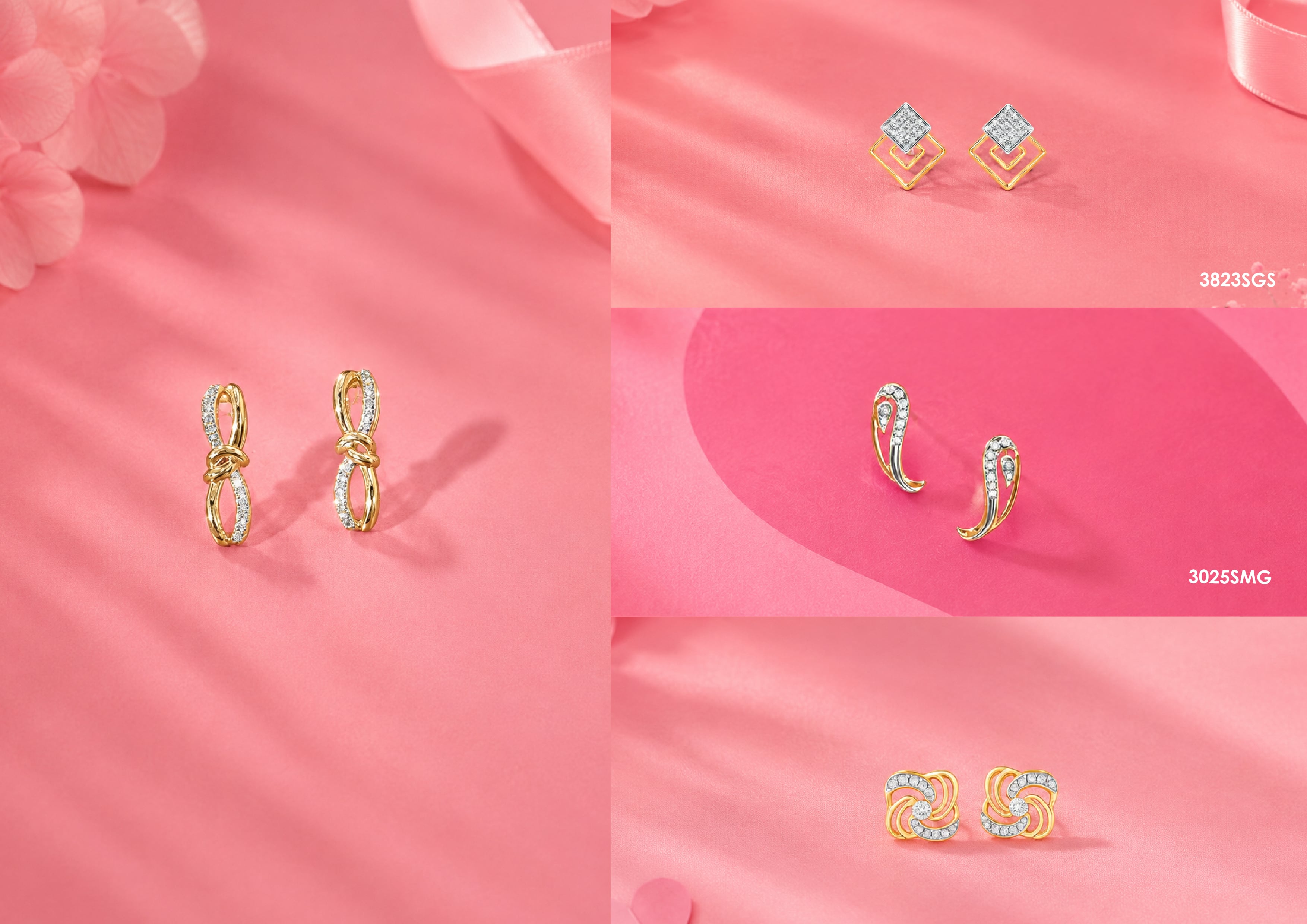
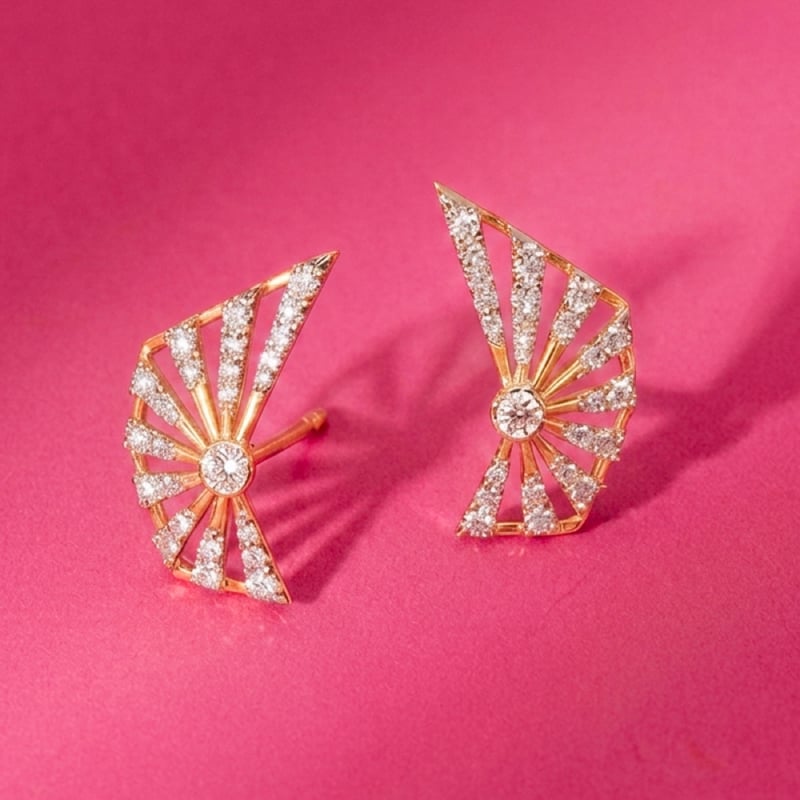
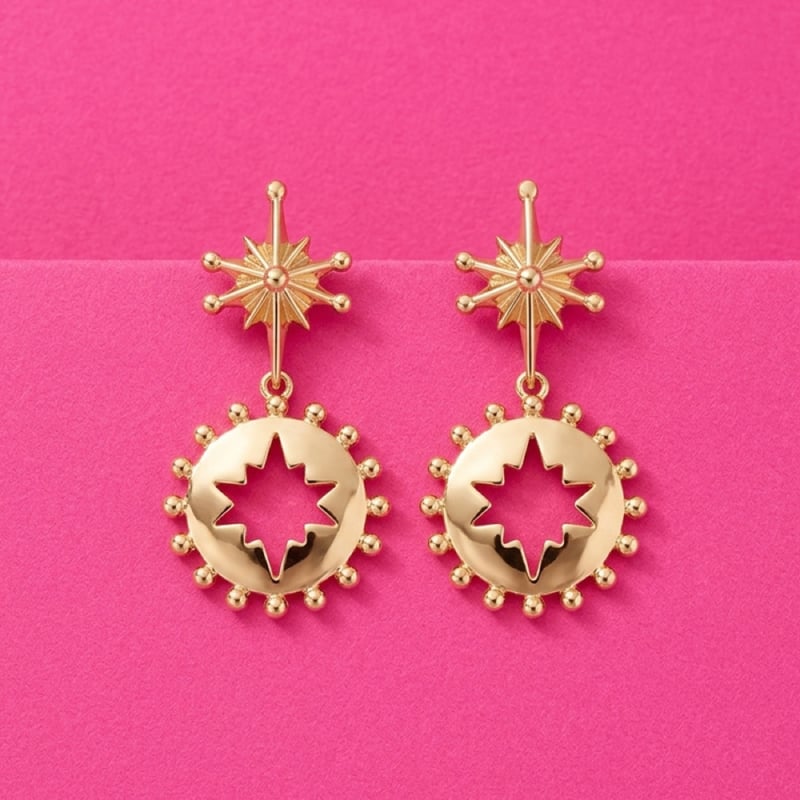
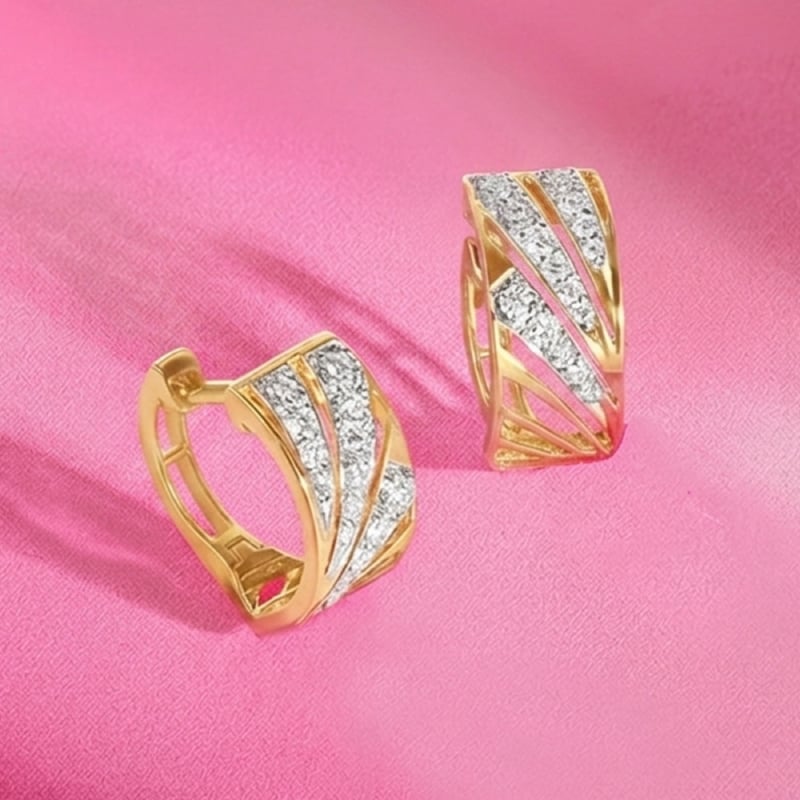
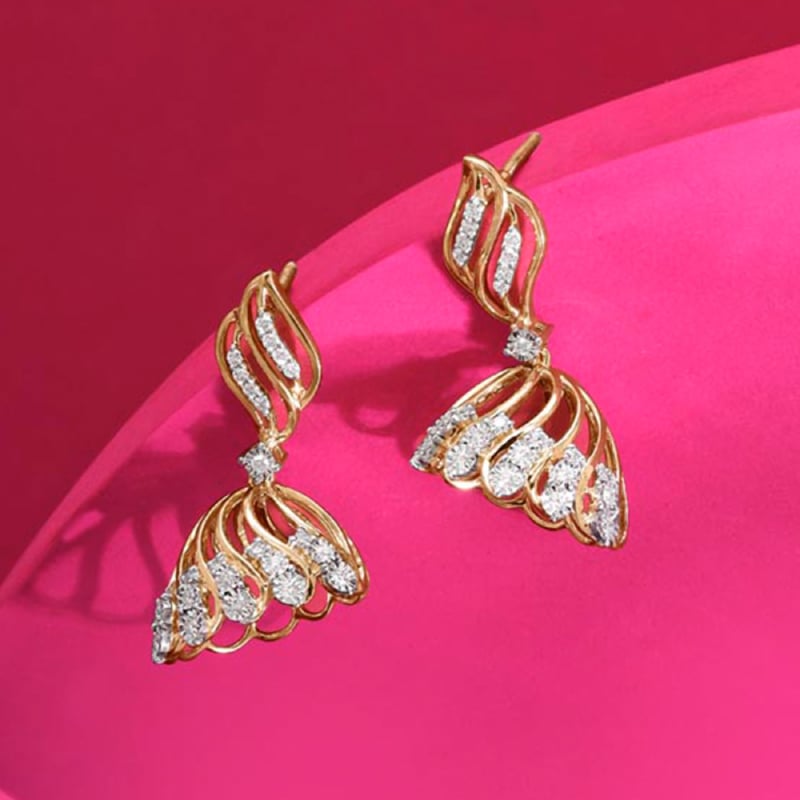
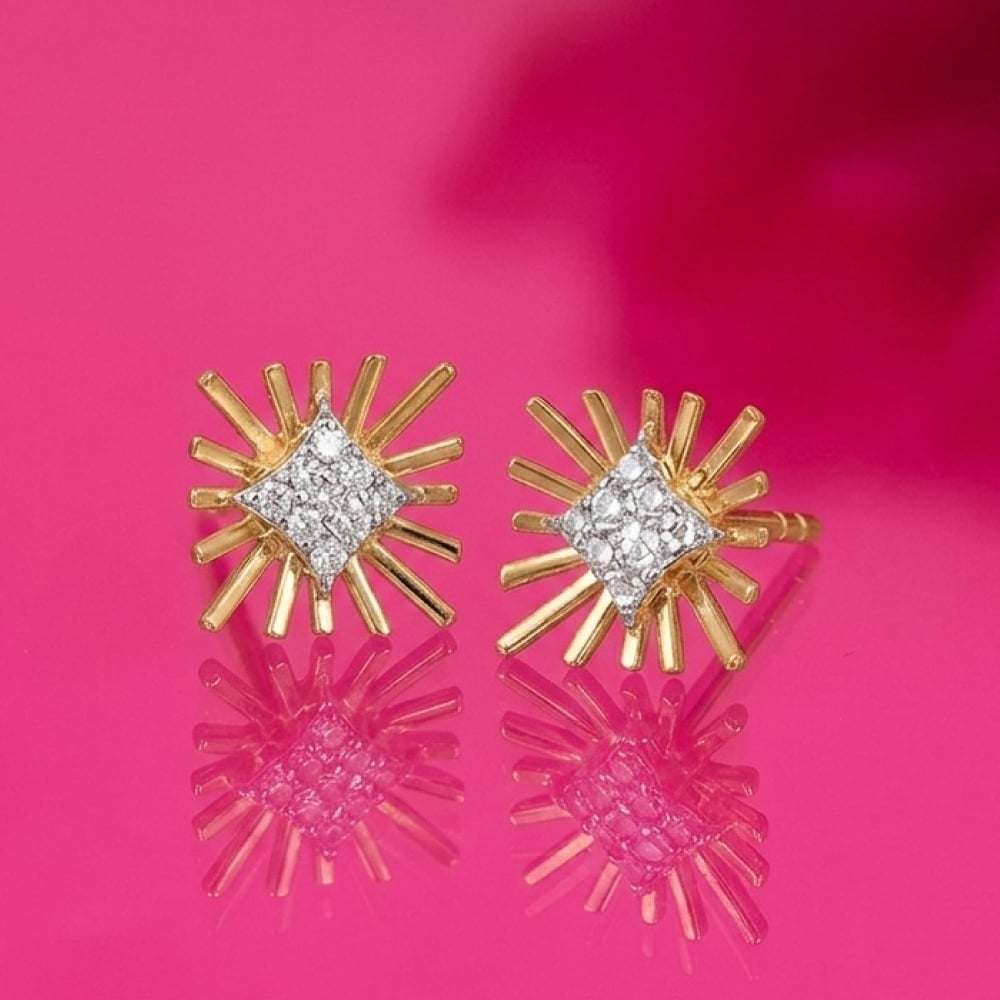
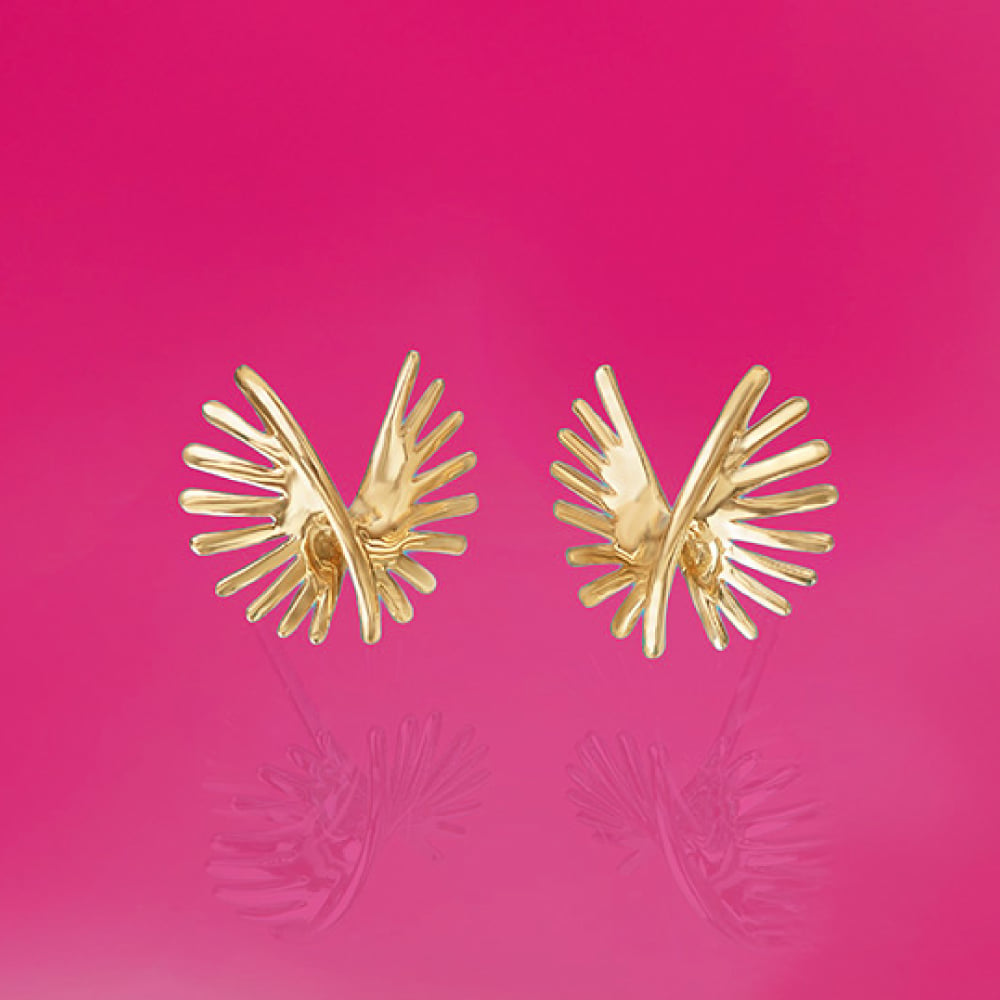
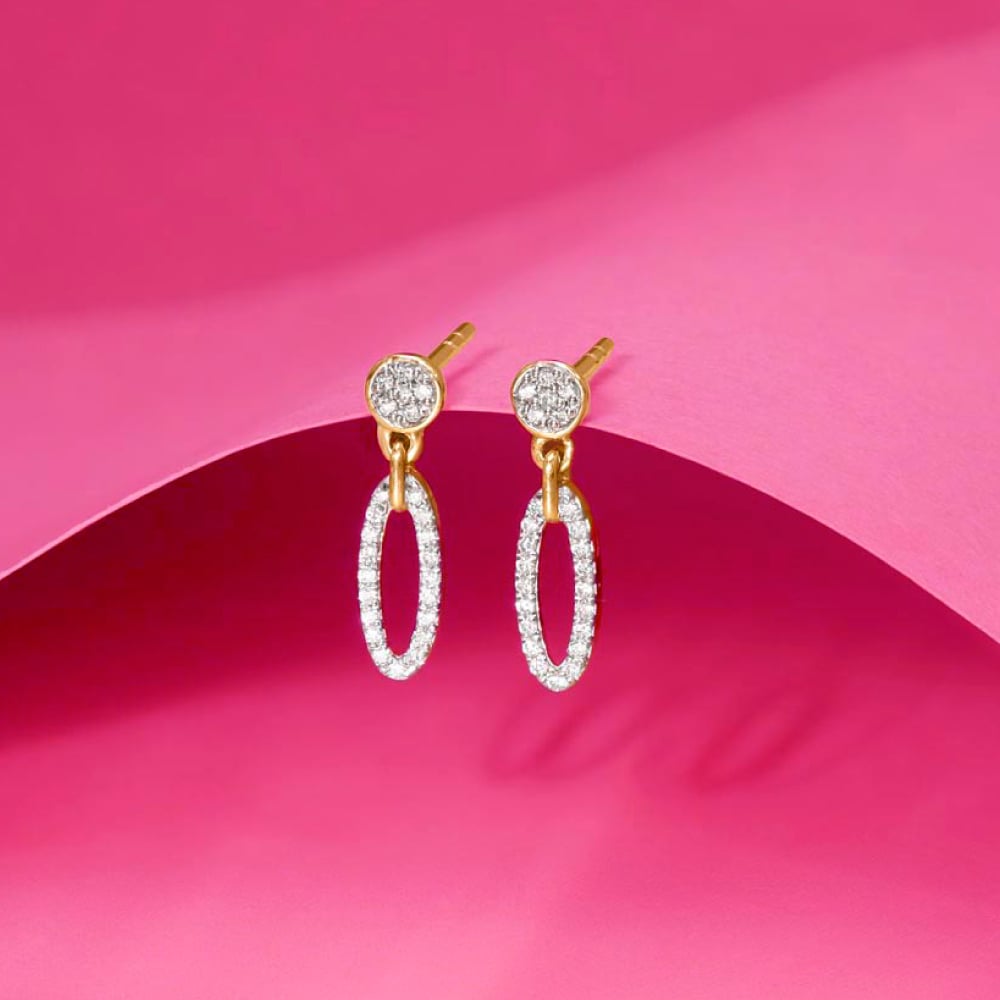
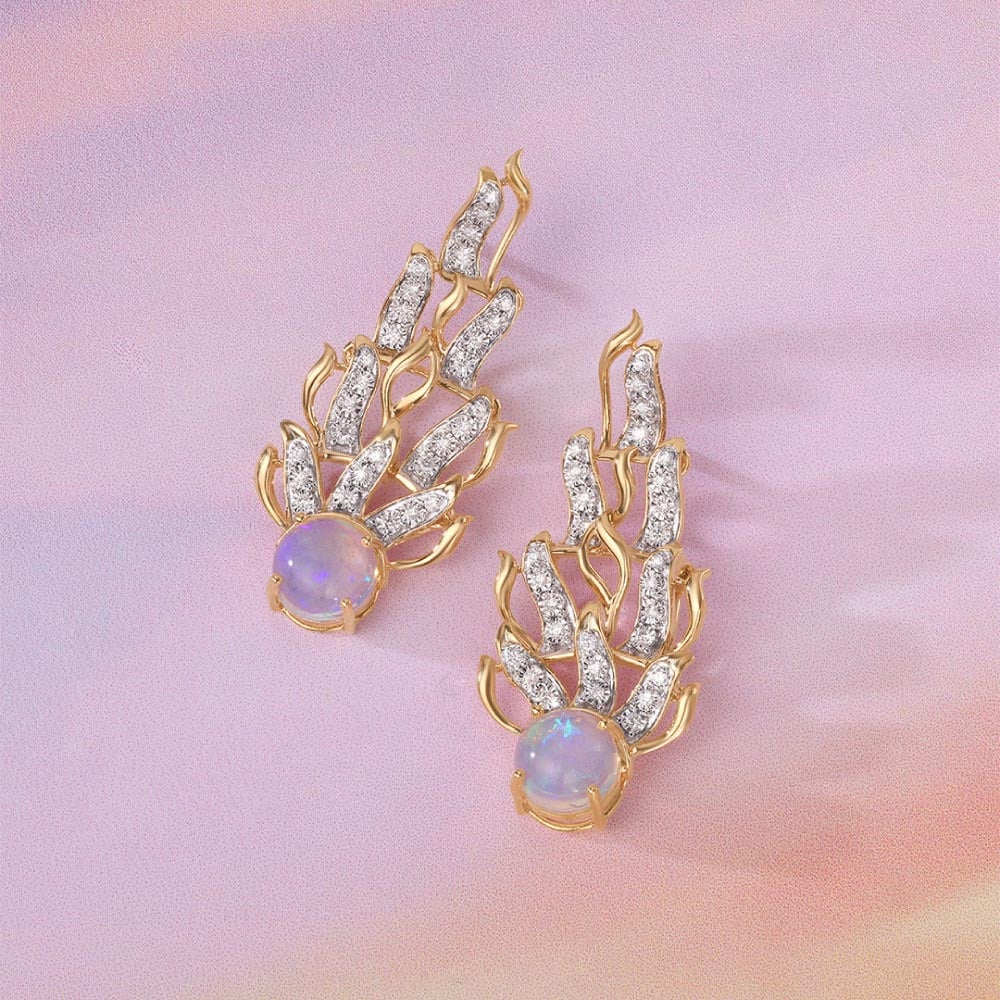
Earrings:From simple studs that sit all day, to hoops and drop styles that add a little more presence, rose gold earrings feel soft, wearable, and elegant without ever tipping into something overly formal.
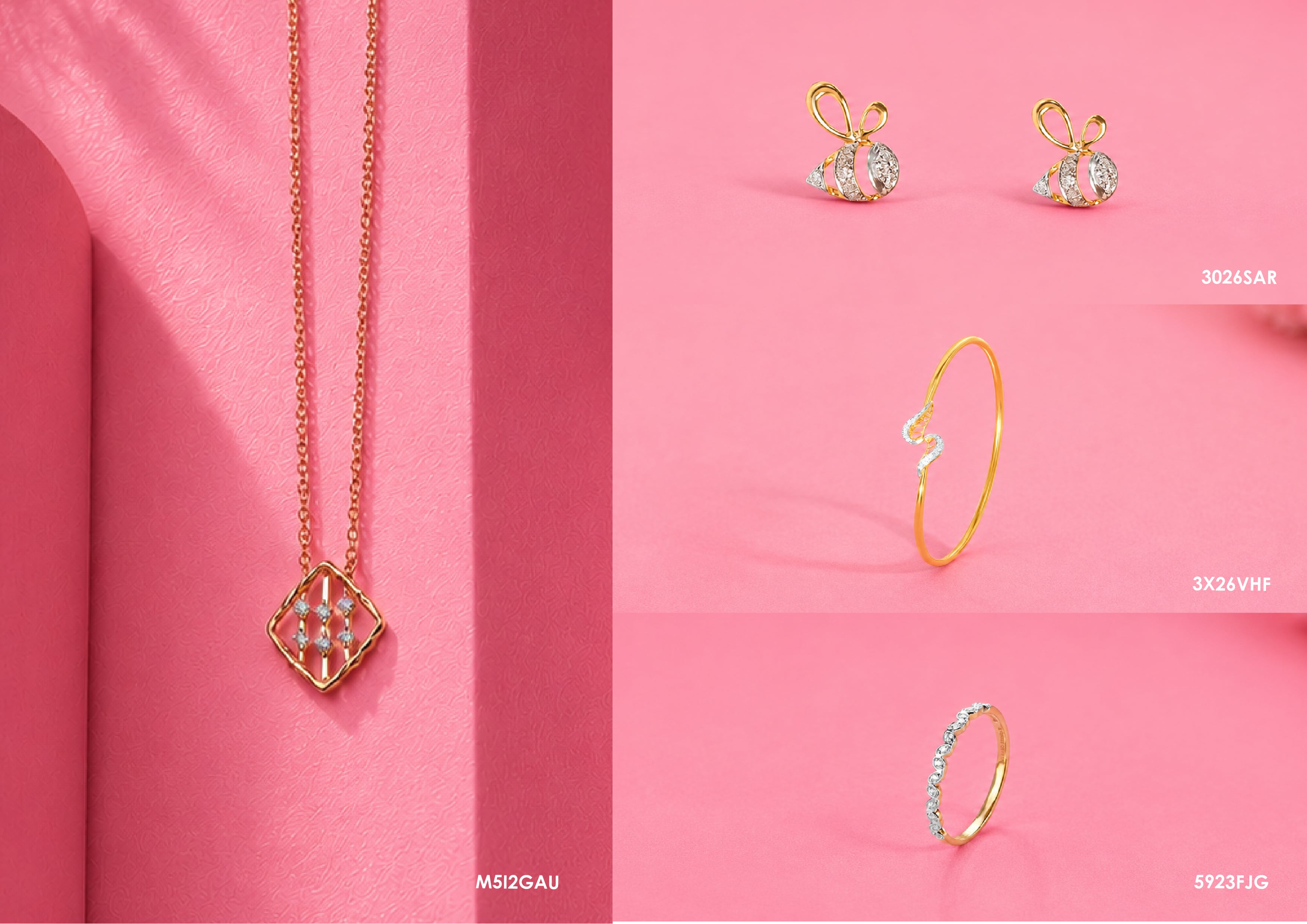
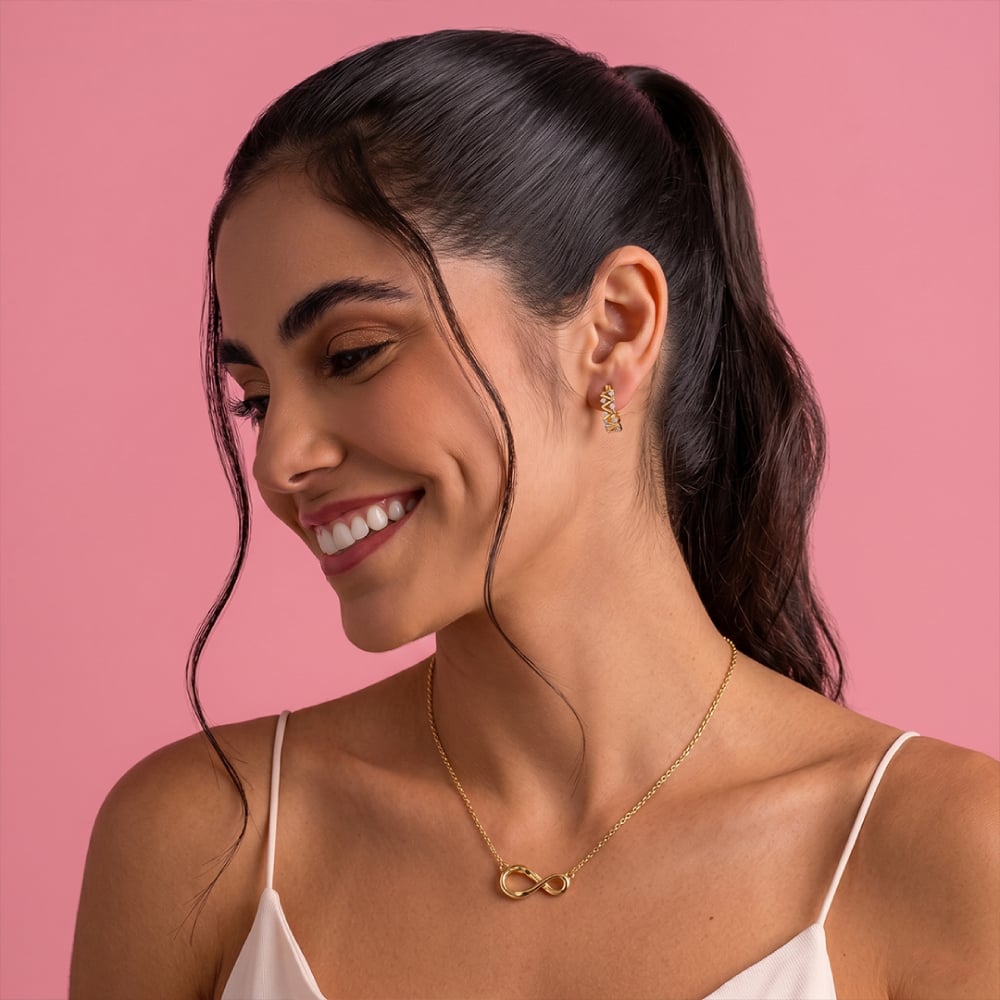
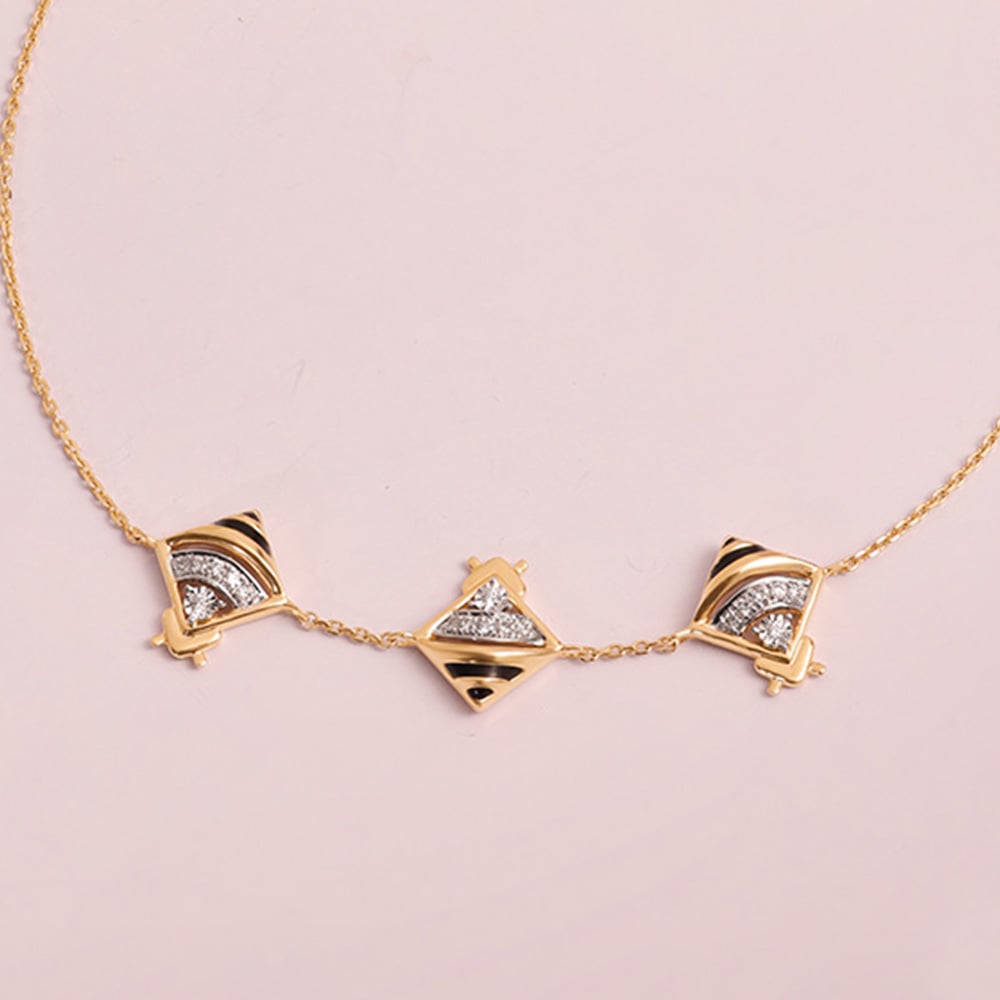
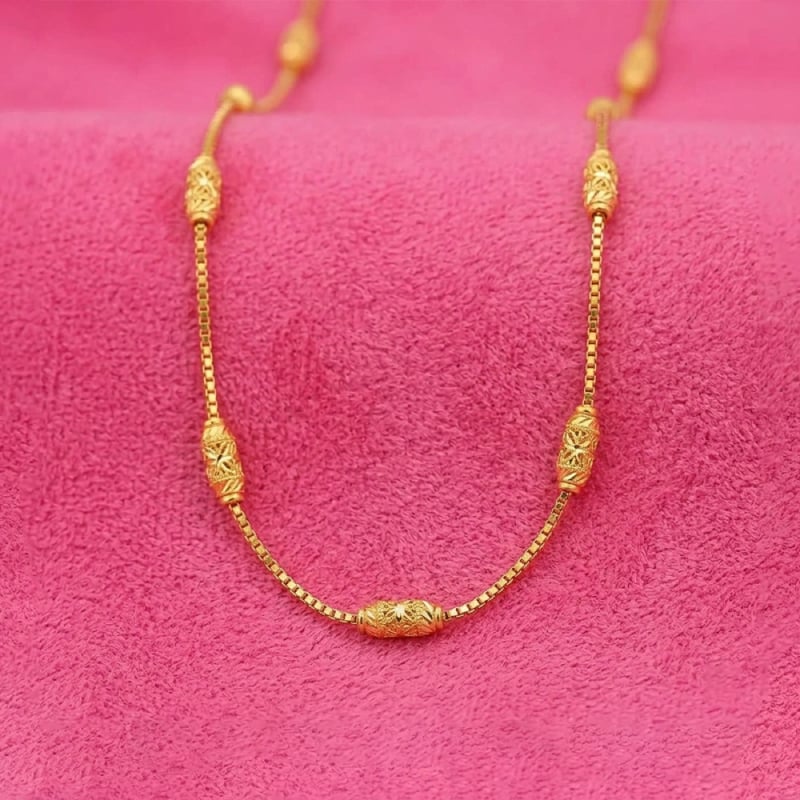
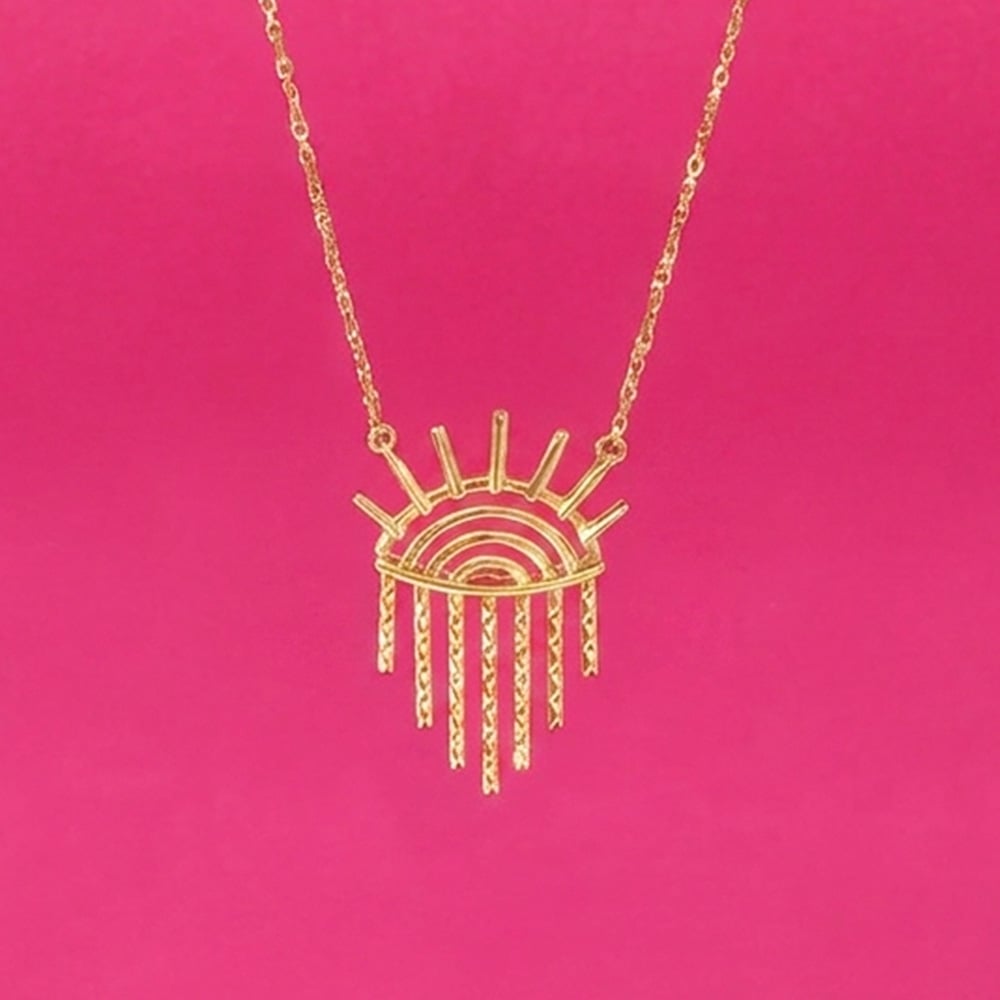
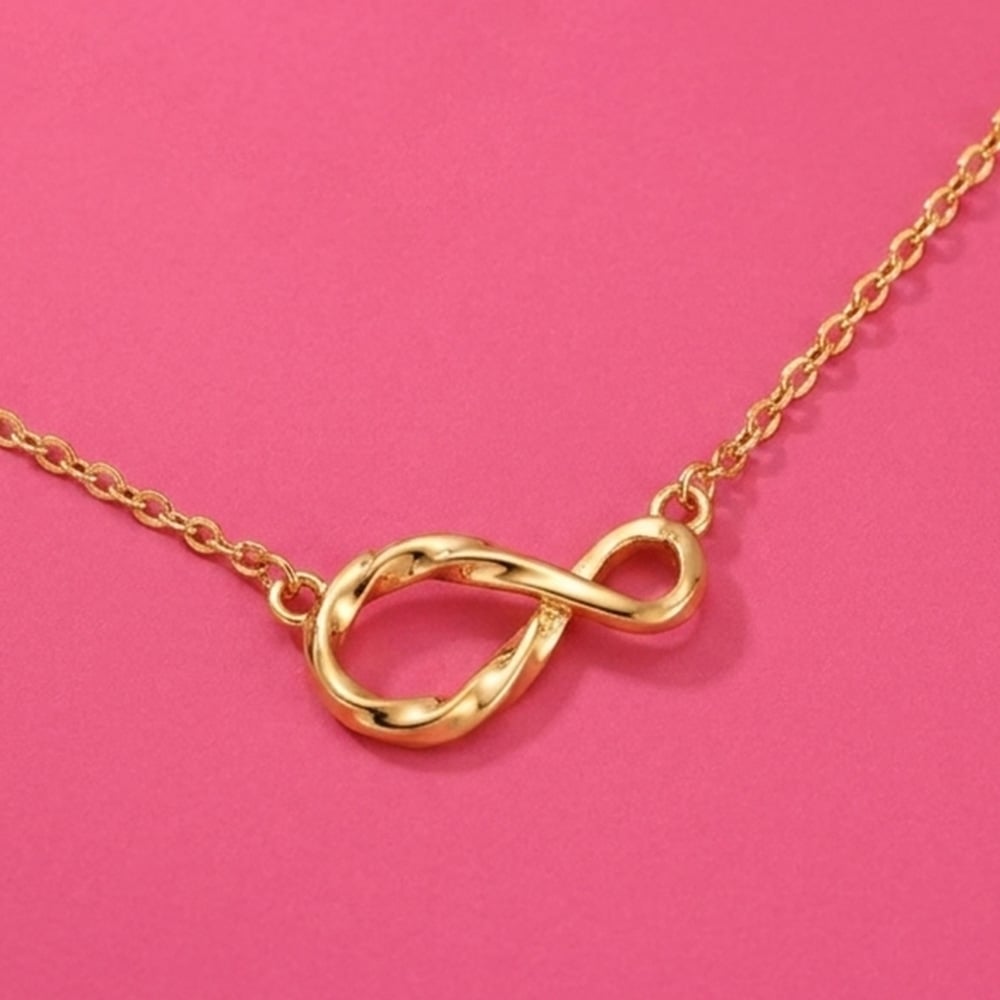
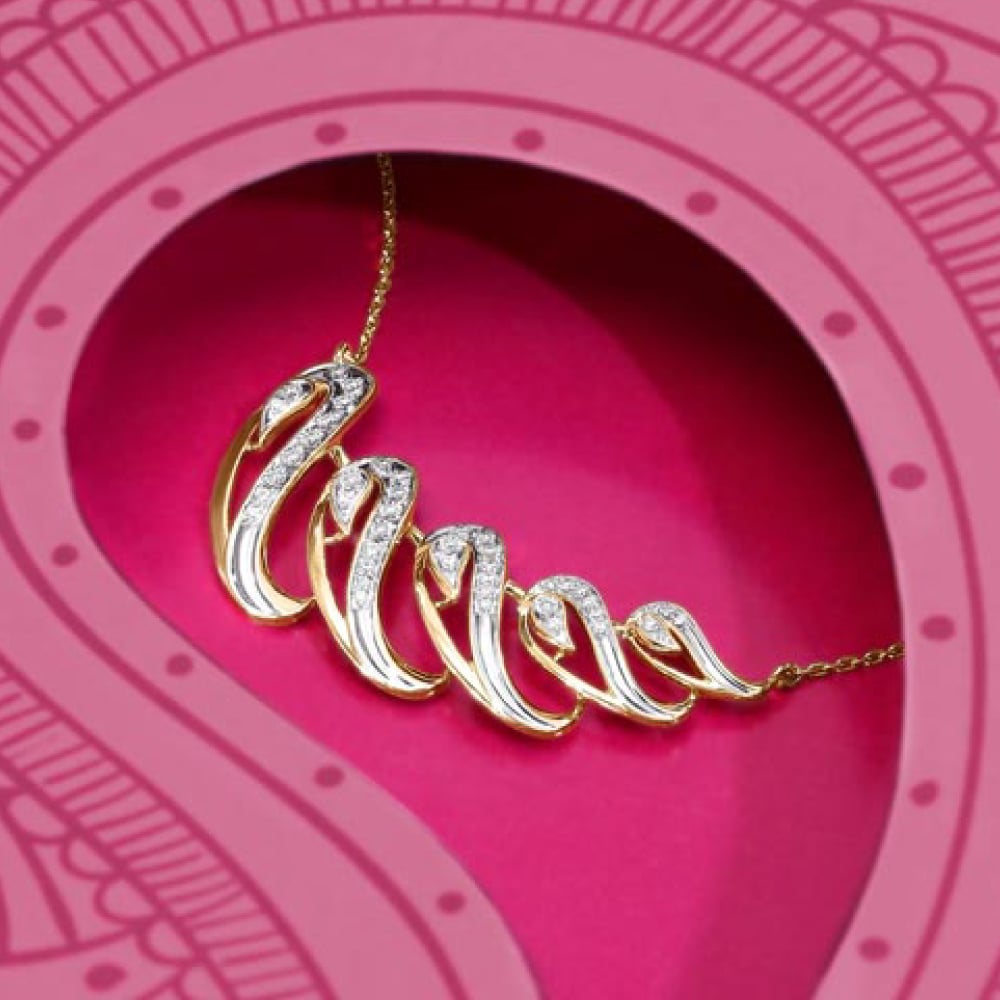
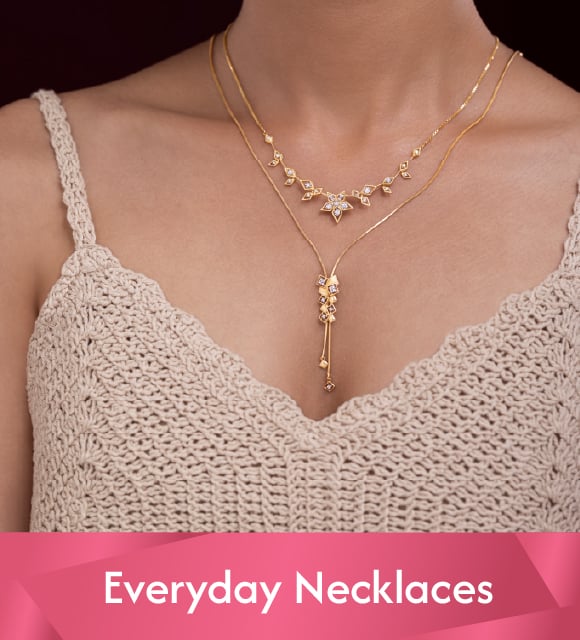
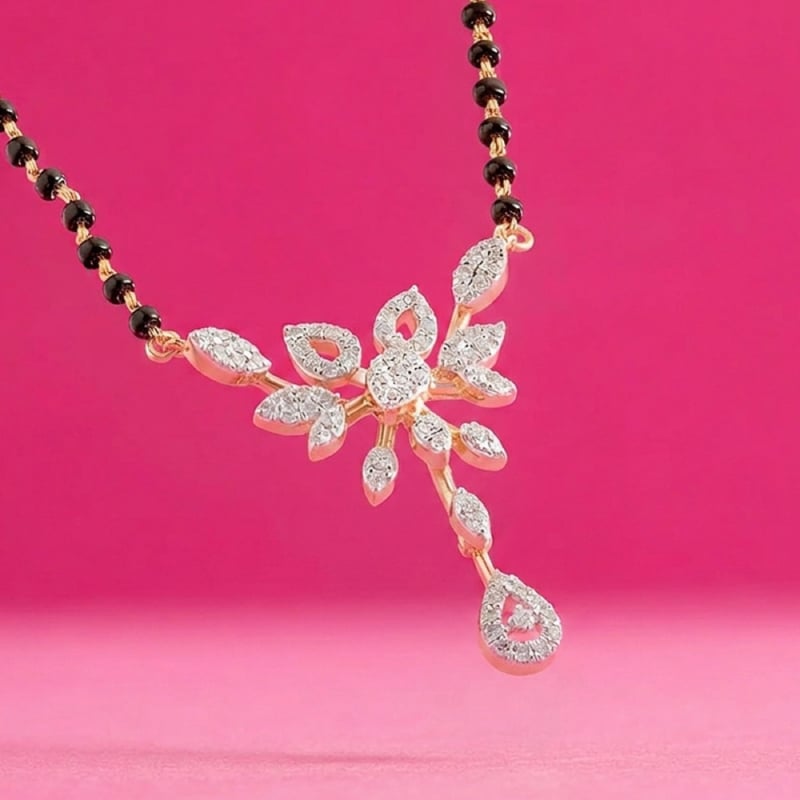
Necklaces and pendants:Rose gold chains and minimal pendants sit beautifully near the neckline, adding a soft warmth that flatters the skin and makes them easy to wear on their own or layer with other pieces without overpowering the look.
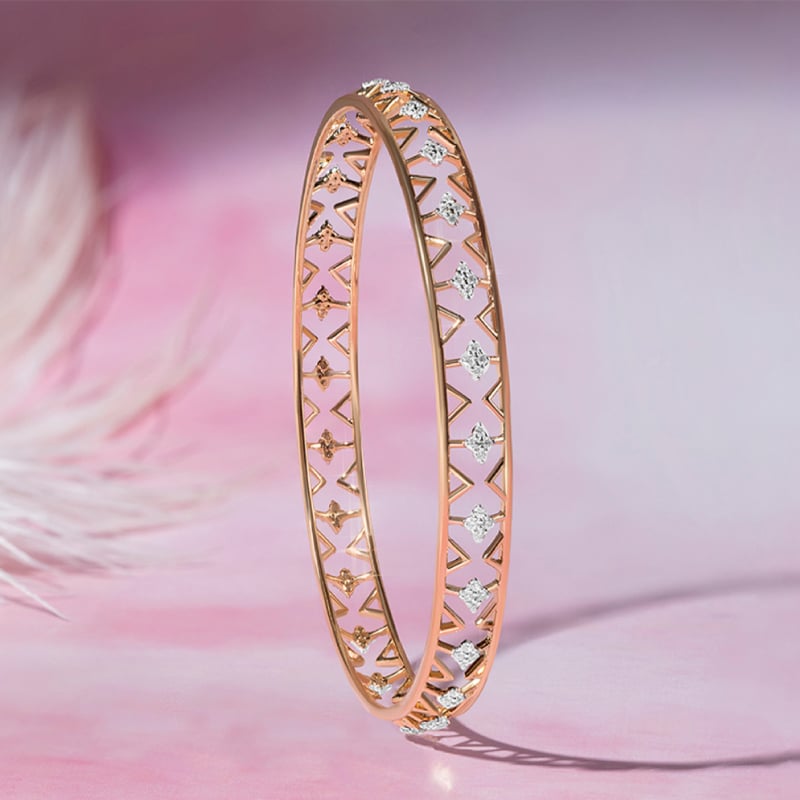
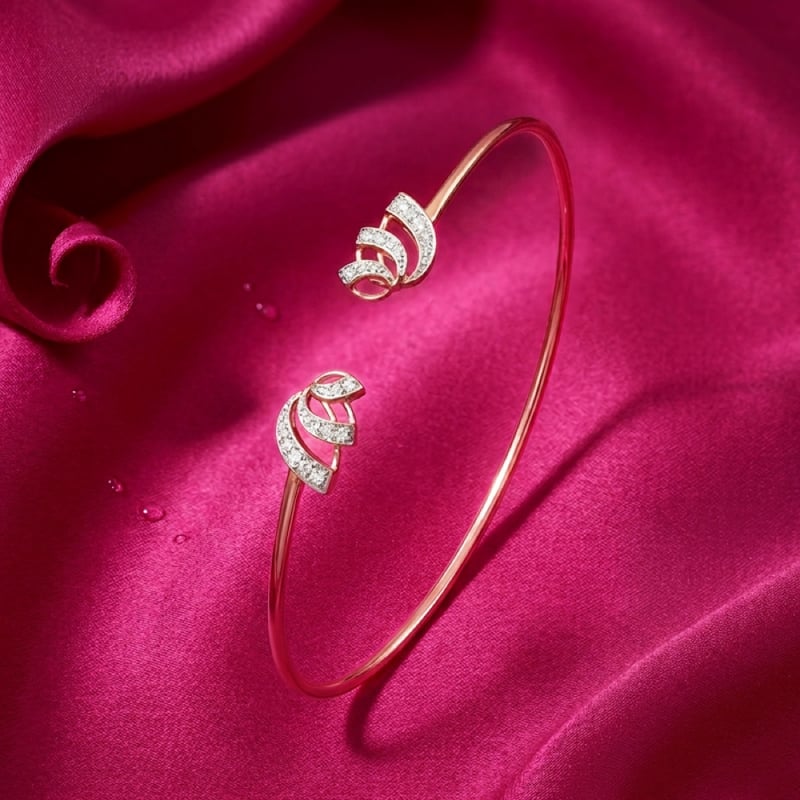
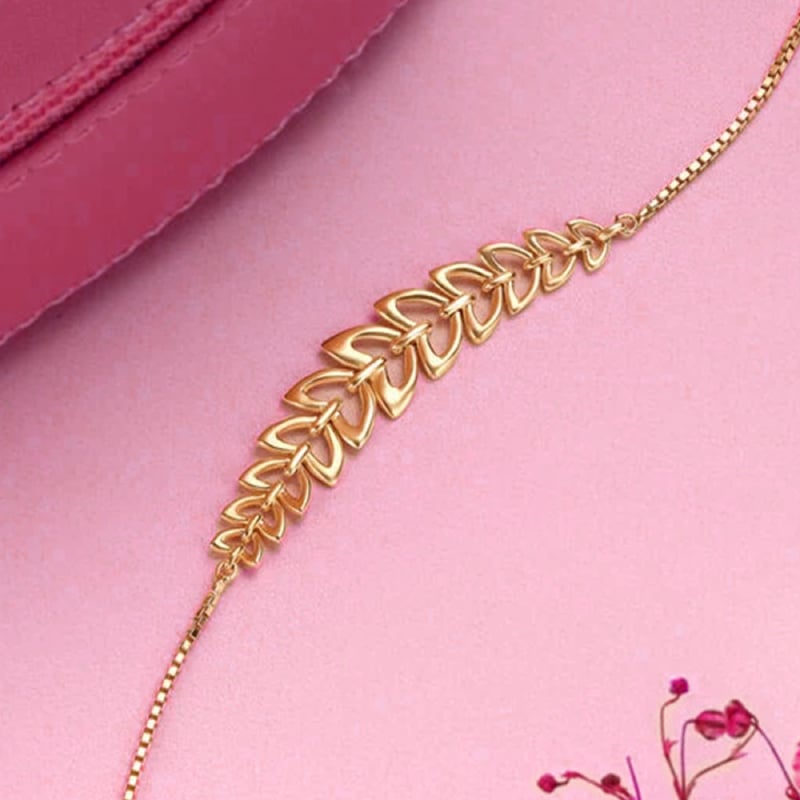
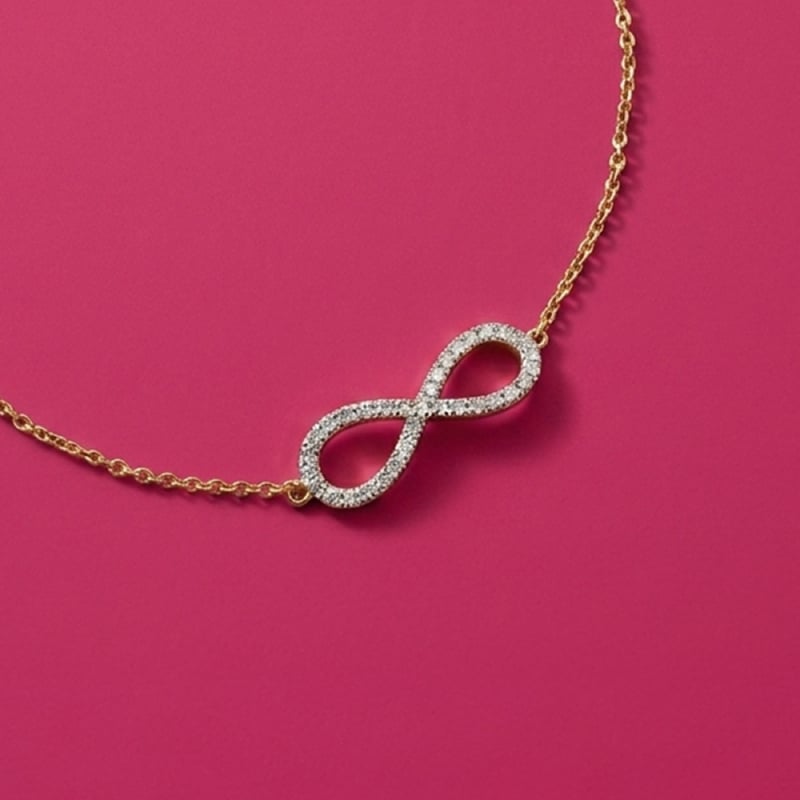
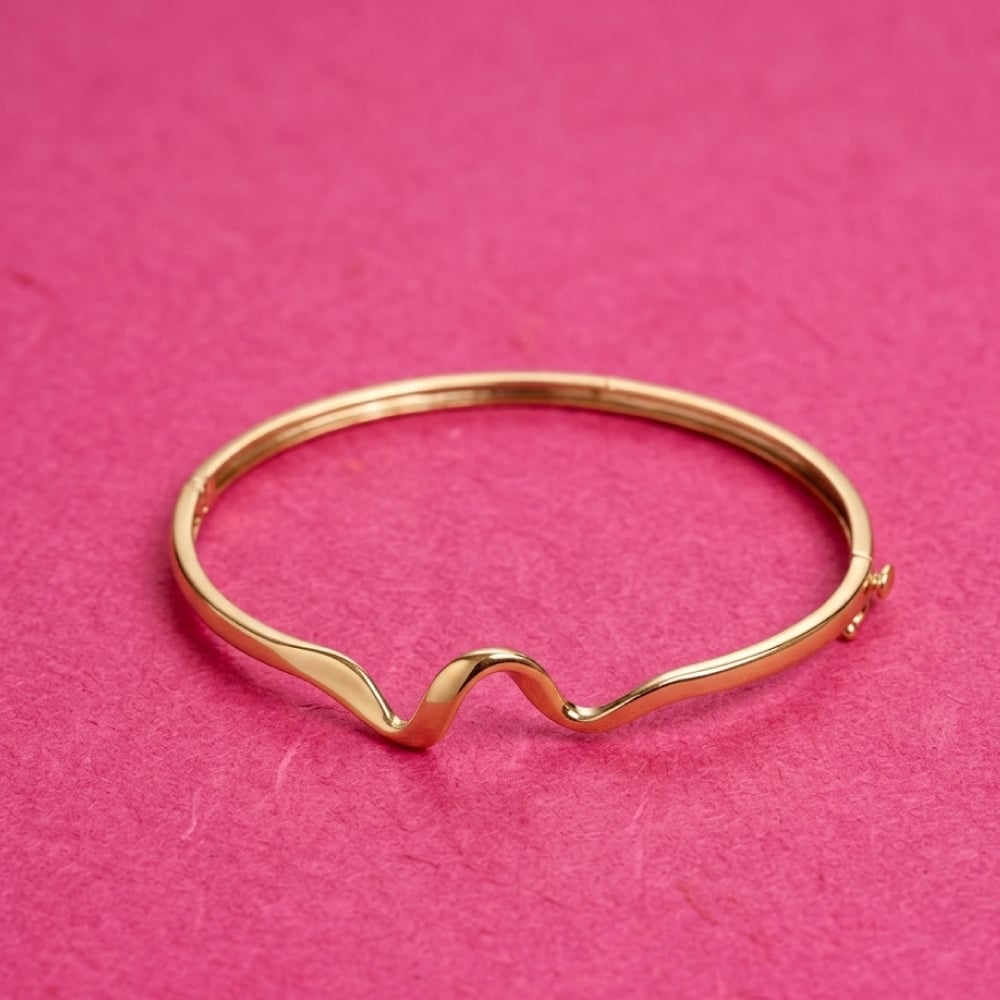
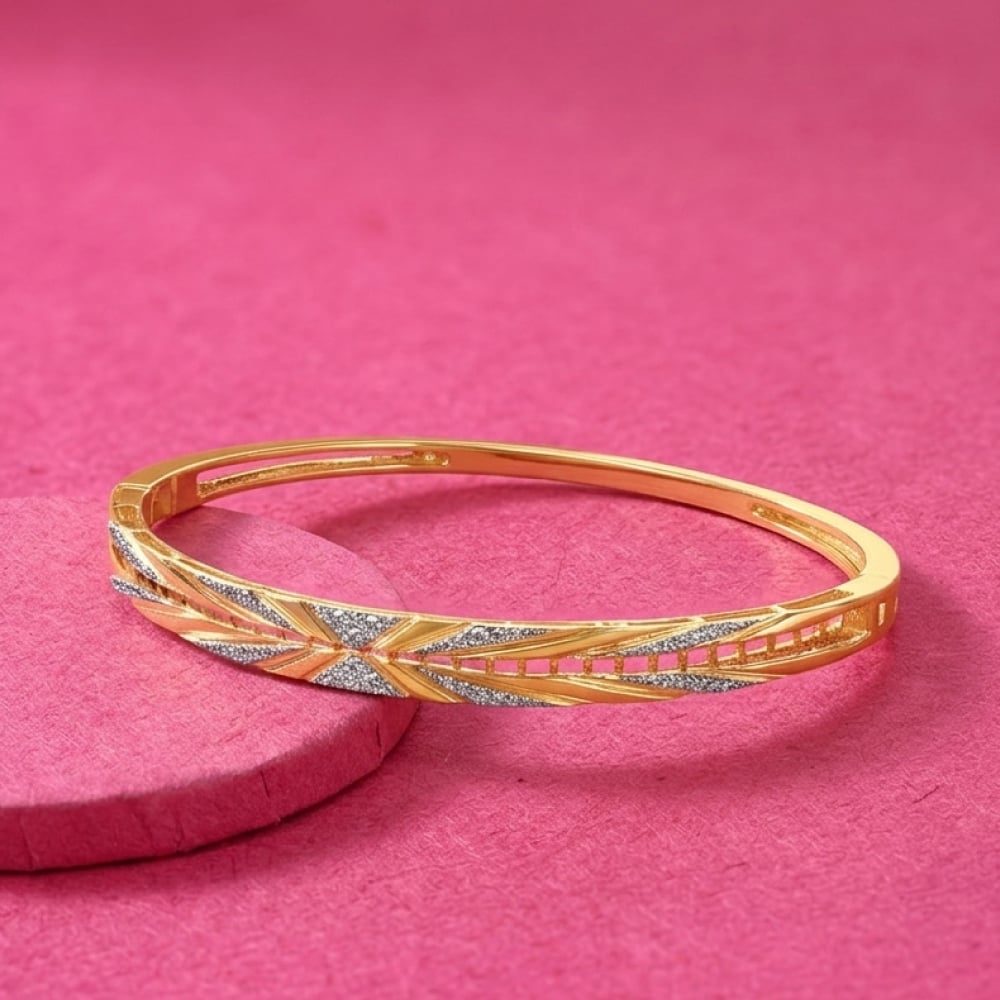
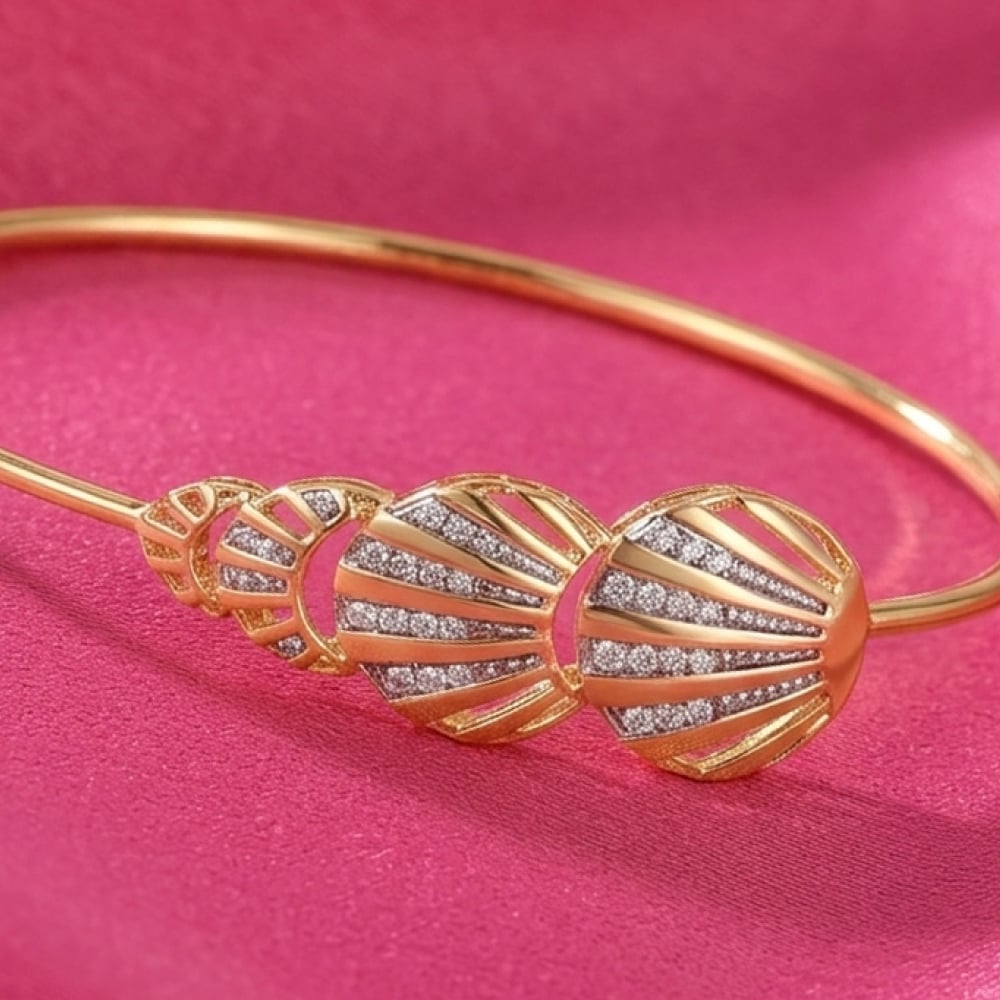
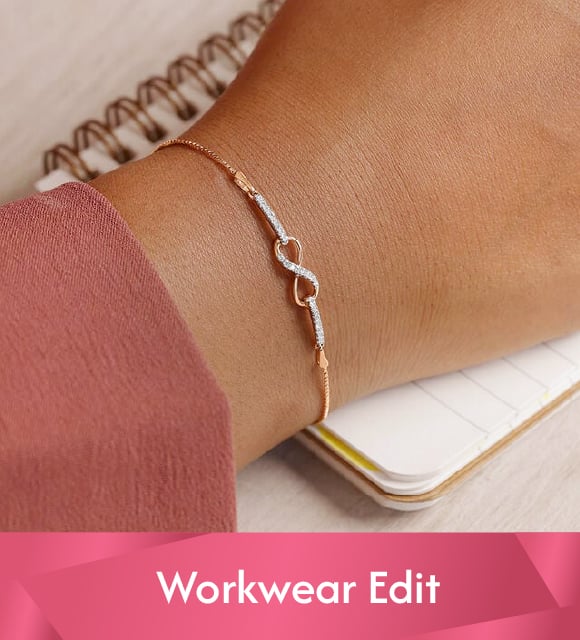
Bracelets and bangles:Rose gold bracelets feel light and easy to wear through the day, and their warm tone mixes naturally with yellow or white gold, making mixed-metal looks feel effortless rather than planned.
For milestone moments such as weddings, anniversaries, or meaningful gifts, rose gold often feels deeply personal. It carries emotion quietly, without needing explanation.
When Jewellery Feels Like It Belongs
Rose gold isn’t a decision driven by trends or comparisons alone. It’s chosen because it feels easy to wear, comfortable to live with, and personal without being overstated. Its warmth comes from how it’s made, but its appeal comes from how naturally it fits into everyday life. When you understand what rose gold is made of, and how it wears over time, the choice becomes less about colour and more about connection.
One reason rose gold continues to be a favourite is how naturally it fits into different jewellery styles. It complements how pieces are worn in real life. It’s comfortable, durable, and doesn’t feel like something you need to save for special occasions.
Rings: Whether it’s an engagement ring, a minimal everyday band, or a stackable style, rose gold rings add warmth and character while remaining comfortable and versatile enough for regular wear and effortless mixing with other gold tones.
Earrings:From simple studs that sit all day, to hoops and drop styles that add a little more presence, rose gold earrings feel soft, wearable, and elegant without ever tipping into something overly formal.
Necklaces and pendants:Rose gold chains and minimal pendants sit beautifully near the neckline, adding a soft warmth that flatters the skin and makes them easy to wear on their own or layer with other pieces without overpowering the look.
Bracelets and bangles:Rose gold bracelets feel light and easy to wear through the day, and their warm tone mixes naturally with yellow or white gold, making mixed-metal looks feel effortless rather than planned.
For milestone moments such as weddings, anniversaries, or meaningful gifts, rose gold often feels deeply personal. It carries emotion quietly, without needing explanation.
When Jewellery Feels Like It Belongs
Rose gold isn’t a decision driven by trends or comparisons alone. It’s chosen because it feels easy to wear, comfortable to live with, and personal without being overstated. Its warmth comes from how it’s made, but its appeal comes from how naturally it fits into everyday life. When you understand what rose gold is made of, and how it wears over time, the choice becomes less about colour and more about connection.
Frequently Asked Questions
1. Is rose gold real gold or just coloured metal?
Rose gold is real gold. Its colour comes from copper mixed with pure gold, not from surface colouring or plating
2. Can I wear rose gold jewellery every day?
Yes. Rose gold is durable, especially in 14 KT and 18 KT, making it suitable for everyday wear.
3. Does rose gold suit all skin tones?
Generally, yes. Its warm undertone complements a wide range of skin tones, which adds to its popularity.
4. Is rose gold more expensive than white gold?
No. Pricing depends on gold purity and craftsmanship, not the colour of the metal.
5. Will rose gold look outdated in a few years?
Rose gold has moved beyond trend status. Its appeal lies in timeless warmth rather than fashion cycles.
Stories you might also like



×