Get a Callback
We'll find it for you 💌
Obsessed with this piece? A Mia store expert will call you to help find it nearby.
You're all set!
A Mia store expert will call you shortly to help you find this piece at your nearest store.
Expect a call within 24 hoursDiscover similar or identical jewellery by uploading a picture.
Discover similar or identical jewellery by uploading a picture.
})
The file size should not exceed 5 MB
File size exceeds the limit











 Blogs & Articles
- Home
- Blogs & Articles
- Understanding Diamond Cuts
19 Nov 2024

by Mia
19 Nov 2024
Read:
4 Mins
Spread the Fashion Love!


Be the first to see
Explore Mia’s latest jewellery collection, crafted to feel precious, every day!
The catalogue has been sent to you via email!
Be the first to see
Explore Mia’s latest jewellery collection, crafted to feel precious, every day!
The catalogue has been sent to you via email!
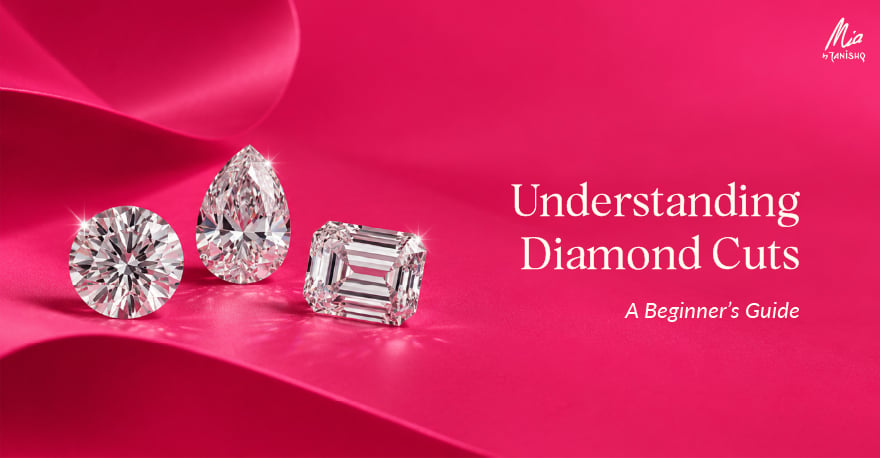
 Beginner's Guide
Understanding Diamond Cuts
For centuries, diamonds have captivated hearts with their alluring glow and timeless sparkle. But do you know what truly unleashes their fire and brilliance? It's the diamond cut!
A diamond cut is the precision, design and style used when shaping a rough stone. It is polished masterfully so that light enters, bends and reflects to create brilliance, fire and scintillation. A well-cut diamond comes alive with sparkle, while a badly cut one looks dull and lifeless.
Are you exploring diamond cut shapes but feeling a bit overwhelmed by the options? This diamond cut guide in India is for you. Beyond the classic round, princess and heart cuts, there is a fascinating world of diamond cuts to tap into.
In this guide, we will break down the popular types of diamond cuts. You may be curious about diamond cut categories, different types of diamond shapes or simply looking for the types of diamond stones available. In any case, this blog will help you find the one which reflects your style perfectly.
Exploring Popular Diamond Cuts: Bling Options for the Sparkle Queens
Diamonds are a beacon of fiery brilliance waiting to be unleashed - for they are the soulmates of modern women. Imagine the most dazzling disco ball you've ever seen, catching every flicker of light and transforming it into a mesmerising display.
That's the magic of these diamond cuts! Each facet craves the light, urging the gemstone to erupt in a breathtaking display of brilliance that will set your heart ablaze and make you the queen of sparkle. Hence, read further in this guide to explore different diamond cuts and find the one that will ignite your inner radiance:
1. Round Brilliant Cut
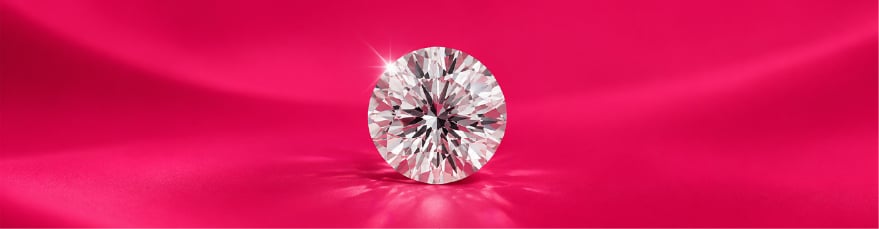 The round brilliant cut is a classic and the most popular choice among diamond ladies as it maximises the gemstone's brilliance and sparkle. Its symmetrical shape embodies the meticulous craftsmanship of cutting the 58 facets (including the culet) into round brilliant diamonds, enabling light to traverse and reflect through each facet easily.
The versatility of this diamond shape is noted for complementing various face shapes and necklines. You can adorn yourself with this diamond shape if your wedding guest vision board echoes the soft feminine aesthetic.
2. Hearts & Arrows
The round brilliant cut is a classic and the most popular choice among diamond ladies as it maximises the gemstone's brilliance and sparkle. Its symmetrical shape embodies the meticulous craftsmanship of cutting the 58 facets (including the culet) into round brilliant diamonds, enabling light to traverse and reflect through each facet easily.
The versatility of this diamond shape is noted for complementing various face shapes and necklines. You can adorn yourself with this diamond shape if your wedding guest vision board echoes the soft feminine aesthetic.
2. Hearts & Arrows
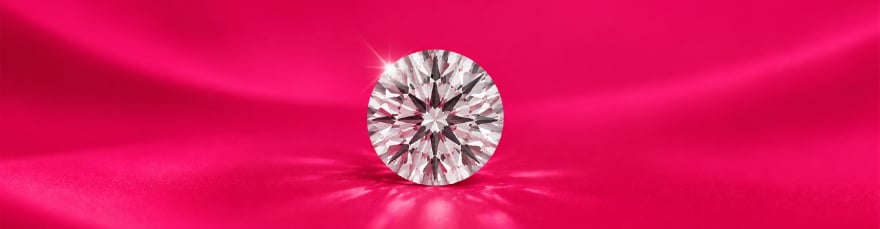 The hearts & arrows form a special sub-category of the round brilliant type, dubbed the pinnacle of diamond cut quality. These are round diamonds, cut to extremely precise tolerances. With a special viewer, you’ll notice 8 perfectly symmetrical arrows from the top view and 8 hearts from the bottom view.
This degree of precision represents the highest standard of cut quality, indeed. Owing to its intricate symmetry and light performance, this cut offers the most value to a ‘blingini’ soul seeking maximum shine.
3. Heart Cut
The hearts & arrows form a special sub-category of the round brilliant type, dubbed the pinnacle of diamond cut quality. These are round diamonds, cut to extremely precise tolerances. With a special viewer, you’ll notice 8 perfectly symmetrical arrows from the top view and 8 hearts from the bottom view.
This degree of precision represents the highest standard of cut quality, indeed. Owing to its intricate symmetry and light performance, this cut offers the most value to a ‘blingini’ soul seeking maximum shine.
3. Heart Cut
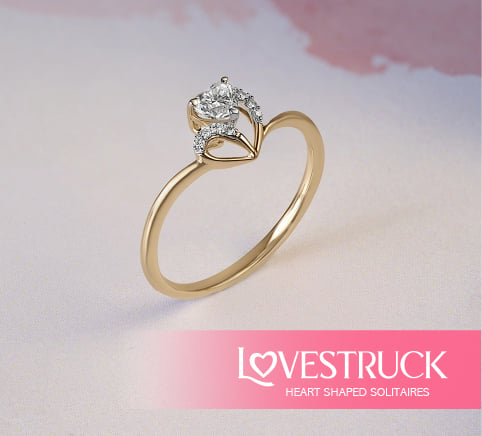
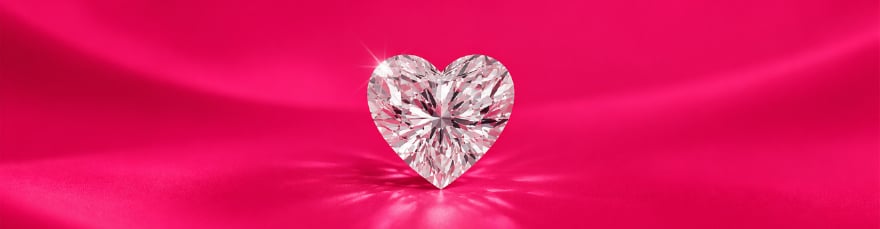 The heart-cut diamond is the ultimate symbol of love, being an ideal choice for men in love to propose in a romantic way. This diamond cut features a sparkling stone in the shape of love and has 57 facets, of which 6 to 8 facets are on the pavilion.
The heart shape is completed when two rounded lobes meet at a point that exudes a romantic, elegant and bold design that radiates with fiery brilliance, being a stunning alternative to the round cut brilliance.
From the perspective of a craftsman, it takes skills and expertise in abundance to create a stunning heart shape. The diamond initially takes the shape of a pear cut, which is later given a cleft at the rounded end. It is also worth noting that the heart's lobes or wings are mostly symmetrical, with the facets appearing as mirror images.
As a stud earring, pendant set or engagement ring, you can style this iconic, romantic shape for a ceremony or event where the journey of two souls is commemorated.
4. Princess Cut
The heart-cut diamond is the ultimate symbol of love, being an ideal choice for men in love to propose in a romantic way. This diamond cut features a sparkling stone in the shape of love and has 57 facets, of which 6 to 8 facets are on the pavilion.
The heart shape is completed when two rounded lobes meet at a point that exudes a romantic, elegant and bold design that radiates with fiery brilliance, being a stunning alternative to the round cut brilliance.
From the perspective of a craftsman, it takes skills and expertise in abundance to create a stunning heart shape. The diamond initially takes the shape of a pear cut, which is later given a cleft at the rounded end. It is also worth noting that the heart's lobes or wings are mostly symmetrical, with the facets appearing as mirror images.
As a stud earring, pendant set or engagement ring, you can style this iconic, romantic shape for a ceremony or event where the journey of two souls is commemorated.
4. Princess Cut
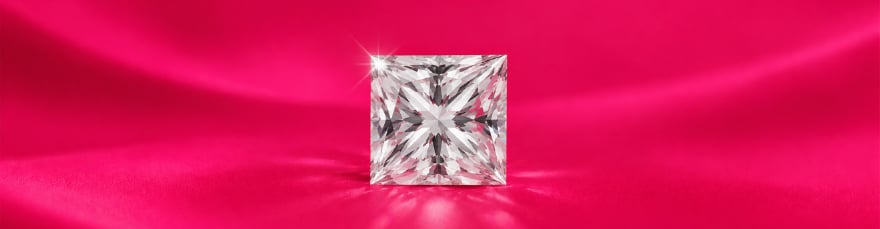 The popularity of the princess cut dates back to the early 80s and 90s, when women raved about adding a tinge of that extra femininity to complete their elegant look. It is the second most sought-after cut choice in the contemporary era, enabling the dazzling queen bees of today's age to intertwine modernity and sophistication in their look subtly.
This cut embodies a rectangular or square shape while its profile resembles the shape of inverted pyramids with four bevelled sides. Its brilliance rivals the round cut, making it an excellent choice for bridesmaids to complement a bold statement piece.
5. Emerald Cut
The popularity of the princess cut dates back to the early 80s and 90s, when women raved about adding a tinge of that extra femininity to complete their elegant look. It is the second most sought-after cut choice in the contemporary era, enabling the dazzling queen bees of today's age to intertwine modernity and sophistication in their look subtly.
This cut embodies a rectangular or square shape while its profile resembles the shape of inverted pyramids with four bevelled sides. Its brilliance rivals the round cut, making it an excellent choice for bridesmaids to complement a bold statement piece.
5. Emerald Cut
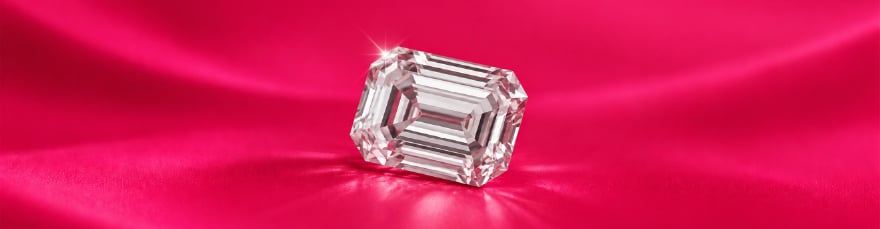 The elongated and rectangular shape boasts step-cut facets, creating a hall-of-mirrors effect and symbolising understated elegance. This diamond cut prioritises clarity and colour over sparkle, making it a sophisticated choice for wedding guests who embrace refined beauty. Due to its large table, inclusions are more visible, so higher clarity grades are recommended.
Rock your wedding guest look by recreating the styles of celebrities like Taylor Swift and Angelina Jolie. Give a new definition to the timeless and understated aesthetic, and let your jewellery piece share your unique story.
6. Oval Cut
The elongated and rectangular shape boasts step-cut facets, creating a hall-of-mirrors effect and symbolising understated elegance. This diamond cut prioritises clarity and colour over sparkle, making it a sophisticated choice for wedding guests who embrace refined beauty. Due to its large table, inclusions are more visible, so higher clarity grades are recommended.
Rock your wedding guest look by recreating the styles of celebrities like Taylor Swift and Angelina Jolie. Give a new definition to the timeless and understated aesthetic, and let your jewellery piece share your unique story.
6. Oval Cut
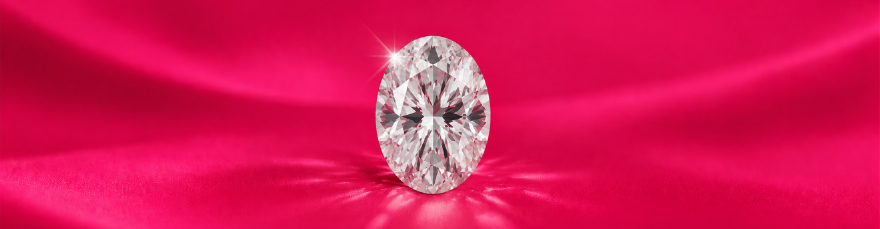 The brilliance, gracefulness and elongated design of oval cuts have surged in popularity in recent times, thanks to the trendsetters Hailey Bieber and other superstars in the industry. If you are somebody who loves creating looks inspired by the Hollywood hot gossip girlies, then an oval-cut diamond necklace is the right choice for a wedding.
This cut offers a unique contemporary twist on the traditionality of elegance. It also provides durability due to the absence of any sharp edges. Moreover, the slender and elongated look of the diamond shapes often makes the neckline appear slimmer and chiselled.
7. Cushion Cut
The brilliance, gracefulness and elongated design of oval cuts have surged in popularity in recent times, thanks to the trendsetters Hailey Bieber and other superstars in the industry. If you are somebody who loves creating looks inspired by the Hollywood hot gossip girlies, then an oval-cut diamond necklace is the right choice for a wedding.
This cut offers a unique contemporary twist on the traditionality of elegance. It also provides durability due to the absence of any sharp edges. Moreover, the slender and elongated look of the diamond shapes often makes the neckline appear slimmer and chiselled.
7. Cushion Cut
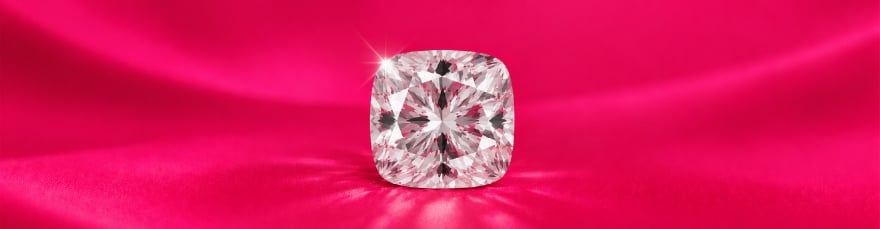 The cushion-cut diamond necklace is characterised by its combination of round and square elements, featuring rounded corners and larger facets that contribute to its vintage-inspired charm.
Embrace the versatility of cushion cuts, suitable for various settings like solitaire, halo or three-stone designs. Its large facets enhance fire and brilliance, creating a captivating display of light.
Additionally, this cut exudes a romantic and whimsical feel, with its unique brilliance making it a sought-after choice for those seeking a touch of nostalgia at vintage or bohemian-themed weddings.
8. Marquise-Cut
The cushion-cut diamond necklace is characterised by its combination of round and square elements, featuring rounded corners and larger facets that contribute to its vintage-inspired charm.
Embrace the versatility of cushion cuts, suitable for various settings like solitaire, halo or three-stone designs. Its large facets enhance fire and brilliance, creating a captivating display of light.
Additionally, this cut exudes a romantic and whimsical feel, with its unique brilliance making it a sought-after choice for those seeking a touch of nostalgia at vintage or bohemian-themed weddings.
8. Marquise-Cut
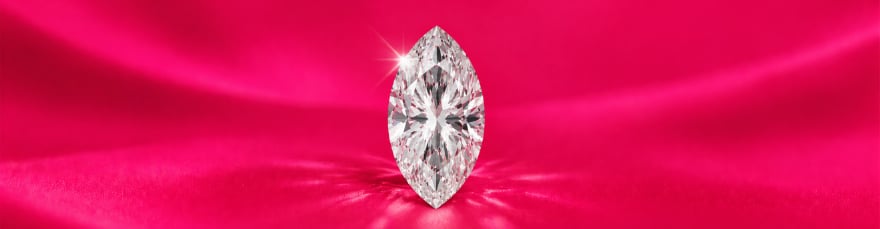 The marquise cut, known as the navette cut, is a popular choice among engagement ring diamond cuts and shapes. It boasts an elongated, elegant silhouette that resembles a boat hull. Its pointed ends, elongated elliptical shape and facet arrangement create a dazzling display of brilliance and fire.
This makes it perfect for individuals drawn to a touch of vintage glamour. The marquise cut can flatter the fingers, making them appear slimmer and longer. Individuals planning to woo their partners with a timeless adornment must consider this diamond cut. It drapes your “LOML” in the magical diamond-y iridescence.
9. Pear Cut
The marquise cut, known as the navette cut, is a popular choice among engagement ring diamond cuts and shapes. It boasts an elongated, elegant silhouette that resembles a boat hull. Its pointed ends, elongated elliptical shape and facet arrangement create a dazzling display of brilliance and fire.
This makes it perfect for individuals drawn to a touch of vintage glamour. The marquise cut can flatter the fingers, making them appear slimmer and longer. Individuals planning to woo their partners with a timeless adornment must consider this diamond cut. It drapes your “LOML” in the magical diamond-y iridescence.
9. Pear Cut
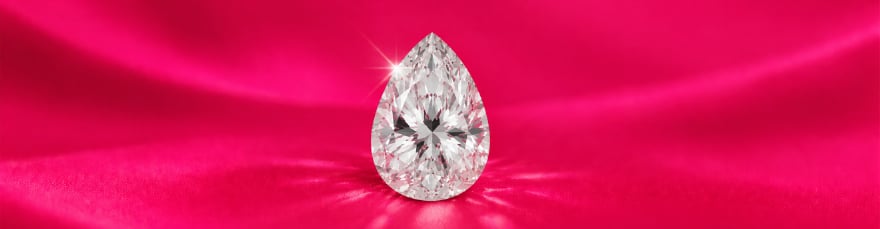 The pear cut takes after the allure of the marquise cut and the roundness of the oval cut, offering a unique and romantic option for styling. This modified-brilliant cut is also known as the “teardrop cut” or “pendeloque” cut. Its teardrop shape features a pointed end and a rounded bulbous end, adding a touch of whimsy and individuality.
Its brilliance is maximised when its facets and proportions are meticulously crafted, creating a play of light that dances across the stone. Incorporate a well-set pear diamond jewellery piece to add a touch of captivating sophistication to your clean girl ensemble.
10. Asscher Cut
The pear cut takes after the allure of the marquise cut and the roundness of the oval cut, offering a unique and romantic option for styling. This modified-brilliant cut is also known as the “teardrop cut” or “pendeloque” cut. Its teardrop shape features a pointed end and a rounded bulbous end, adding a touch of whimsy and individuality.
Its brilliance is maximised when its facets and proportions are meticulously crafted, creating a play of light that dances across the stone. Incorporate a well-set pear diamond jewellery piece to add a touch of captivating sophistication to your clean girl ensemble.
10. Asscher Cut
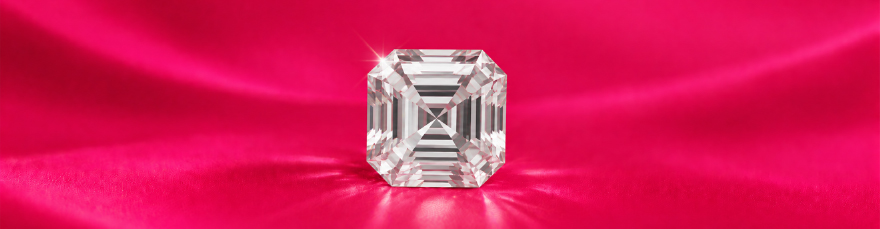 The Asscher cut, with its geometric square or octagonal shape and high crown, reflects a vintage Art Deco charm. Unlike the square-shaped princess cut, this step-cut diamond accentuates its large rectilinear facets and deep cuts that create a unique play of light, with a mesmerising hall-of-mirrors effect.
This cut is therefore known for its brilliance and clarity, showcasing the diamond's inherent beauty. It is ideal for those seeking a distinctive and captivating diamond as it offers timeless elegance. Additionally, the corners of this diamond cut are markedly chipped to prevent chipping, making it perfect to slay your everyday ensemble.
11. Radiant Cut
The Asscher cut, with its geometric square or octagonal shape and high crown, reflects a vintage Art Deco charm. Unlike the square-shaped princess cut, this step-cut diamond accentuates its large rectilinear facets and deep cuts that create a unique play of light, with a mesmerising hall-of-mirrors effect.
This cut is therefore known for its brilliance and clarity, showcasing the diamond's inherent beauty. It is ideal for those seeking a distinctive and captivating diamond as it offers timeless elegance. Additionally, the corners of this diamond cut are markedly chipped to prevent chipping, making it perfect to slay your everyday ensemble.
11. Radiant Cut
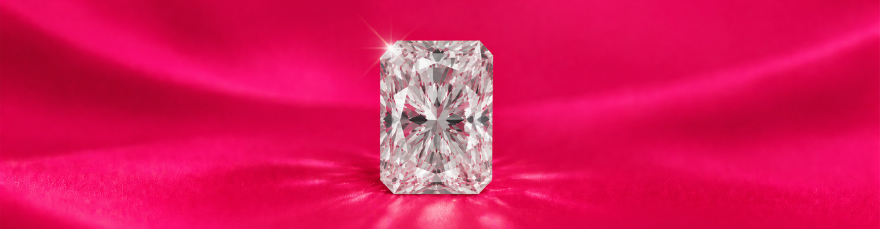 Designed by Henry Grossbard in the late 1970s, this relatively new diamond shape exhibits the best features of the emerald and round brilliant cuts. This unique cutting technique, combined with 70 facets, enables the diamond to shine and sparkle like no other cut.
Moreover, its rectangular or square shape features cropped corners, resulting in a dazzling display of light and fire. Its durability also makes it a versatile option for adding a tinge of sparkle to everyday wear. Individuals with an MBTI personality of ESFP can opt for this cut. It emphasises an outgoing and bubbly personality for people who view the world as their stage.
Which Diamond Cut Should You Choose?
Picking the right diamond cut goes beyond the shine factor; select one that fits your life and style. Here are some tips for choosing the perfect diamond cut for you:
1. Match it to Your Usually Preferred Ring Style
Go for a timeless, light-focused look by choosing a brilliant round/oval against a solitaire setting. If you have a knack for vintage glamour and sparkle, cushion/round cuts appear stunning against halo settings. Emerald and asscher cuts shine best when set in sleek, minimalist solitaire/three-stone constructions that make the mirror-like facets stand out.
2. Match the Cut to Your Lifestyle
If you’re looking for daily wear jewellery, choose durable cuts with no sharp edges. Go for round, oval, and cushion cuts that are generally the most resistant to chipping.
Other fancier shapes featuring pointed corners like princess, pear, and marquise are more suited to special occasion backdrops. However, they need protective settings like V-prongs to be able to survive everyday use.
3. Match the Cut to Your Finger Shape
Round and princess cuts usually suit all finger shapes. Elongated cuts like oval, marquise, and emerald emphasise an illusion of length and make fingers look slimmer.
If you have smaller fingers, pear and oval shapes shall complement them. Wider fingers appear more balanced with larger round/cushion diamond cuts.
4. Match the Cut to Your Budget
Brilliant cuts like round, princess, and cushion feature several facets which hide inclusions and colour. So, you can be more flexible with clarity/colour grades.
Step cuts like emerald and asscher show more inclusions, so they require higher clarity to appear eye-clean, affecting the budget.
How Diamond Cut is Graded: From Excellent to Poor
Cut grade measures the light performance on the basis of proportions, symmetry and polish, not just the shape. The general scale grades the cuts as Excellent, Very Good, Good, Fair or Poor. Here’s more about each grading:
Excellent Cut: This category features ideal proportions which maximise light return. Light entering the diamond reflects through the top for ultimate brilliance, fire and scintillation.
Very Good to Good Cut:Most of the light is returned, with slightly less brilliance than the ‘Excellent’ category. This stands out as a great value option.
Fair to Poor Cut:Light may leak from the bottom or sides. The diamond appears dull, dark and rather lifeless despite good colour/clarity.
How Does the Diamond Cut Work with the Remaining 3Cs?
Upon discovering the diamond 4Cs in India, most buyers naturally focus on carat first. However, experts always highlight the importance of the diamond cut as it’s deemed the most influential.
The simple diamond colour, clarity, cut and carat are explained below to help you make a smarter choice. Understand how diamond cut affects brilliance more than any other factor.
1. Diamond Cut vs. Carat Weight
Carat refers to the weight and not the visual size. A well-cut diamond characterised by ‘Excellent’ proportions reflects light mesmerisingly. It appears larger and much more brilliant than a poorly cut diamond of comparatively more carat weight. Note the same as a crucial purchase insight; don’t compromise on the diamond cut just to get a higher carat.
2. Diamond Cut vs. Colour
A perfected cut can make a diamond look even shinier and whiter. As it returns more light, it masks the faint yellow tinges. An Excellent-cut H-colour diamond will appear brighter than a Fair-cut F-colour stone.
3. Diamond Cut vs. Clarity
Brilliant diamond cuts like round, princess and cushion feature facets that scatter light and hide tinier inclusions. Step cuts like emerald and asscher have a large open table acting like a window. Thus, they need higher clarity to look clean, impacting the cost.
Beyond the Design: The Symphony of Details
The true magic of diamond jewellery lies not just in its overall design but also in the finer details. The type of metal used, the cut and clarity of the diamond, and the craftsmanship all come together to create a symphony of luxury.
Here are some expert tips to keep in mind while buying diamond jewellery:
1. The Metals Used
The appeal of diamond jewellery is marked by the metal used to craft the piece. You must look for gold jewellery if you love the warmth of yellow or rose gold radiating against your skin. On the other hand, you should opt for white gold pieces encrusted with diamonds if you are looking for slightly more durable and versatile adornment options.
2. The Diamond Setting Gemstone Symphony
The setting of a diamond indicates how the diamond is held in place, securing it from any damage and retaining its everlasting shine and beauty. The setting can affect the diamond’s appearance, security and overall design.
There are various common settings, including channels, bezels, prongs and pave, each of which has its own advantages and unique characteristics. Hence, when you choose a diamond setting, consider your style, your preferred diamond shape and your desired level of security.
3. The Art of Craftsmanship
When seeking diamond jewellery designs, pay attention to those that demonstrate exceptional craftsmanship, such as smooth finishes. Ensure that the diamond cuts are free of imperfections and look for intricate details that reveal the skill and dedication of the maker.
All of these considerations work together to enhance the jewellery’s overall design. Remember, you must not settle for anything less. You are worth all the finer things in life, so why not indulge in the brimming opulence of diamonds?
Final Word about Understanding Diamond Cuts
The world of diamond cuts is an adventure in light and sparkle. Each cut possesses its unique charm and fire, reflecting the personality and style of the wearer. Whether you are drawn to the classic elegance of the oval or the vintage glamour of the marquise, understanding diamond cuts empowers you to find a diamond that speaks to your heart and captures the brilliance of your life’s story.
As you navigate the landscape of diamond cuts, you must remember that beyond the technical specifications, this gemstone is a timeless symbol of love. And hence, the cut you choose reflects the unique way your love story shines.
Designed by Henry Grossbard in the late 1970s, this relatively new diamond shape exhibits the best features of the emerald and round brilliant cuts. This unique cutting technique, combined with 70 facets, enables the diamond to shine and sparkle like no other cut.
Moreover, its rectangular or square shape features cropped corners, resulting in a dazzling display of light and fire. Its durability also makes it a versatile option for adding a tinge of sparkle to everyday wear. Individuals with an MBTI personality of ESFP can opt for this cut. It emphasises an outgoing and bubbly personality for people who view the world as their stage.
Which Diamond Cut Should You Choose?
Picking the right diamond cut goes beyond the shine factor; select one that fits your life and style. Here are some tips for choosing the perfect diamond cut for you:
1. Match it to Your Usually Preferred Ring Style
Go for a timeless, light-focused look by choosing a brilliant round/oval against a solitaire setting. If you have a knack for vintage glamour and sparkle, cushion/round cuts appear stunning against halo settings. Emerald and asscher cuts shine best when set in sleek, minimalist solitaire/three-stone constructions that make the mirror-like facets stand out.
2. Match the Cut to Your Lifestyle
If you’re looking for daily wear jewellery, choose durable cuts with no sharp edges. Go for round, oval, and cushion cuts that are generally the most resistant to chipping.
Other fancier shapes featuring pointed corners like princess, pear, and marquise are more suited to special occasion backdrops. However, they need protective settings like V-prongs to be able to survive everyday use.
3. Match the Cut to Your Finger Shape
Round and princess cuts usually suit all finger shapes. Elongated cuts like oval, marquise, and emerald emphasise an illusion of length and make fingers look slimmer.
If you have smaller fingers, pear and oval shapes shall complement them. Wider fingers appear more balanced with larger round/cushion diamond cuts.
4. Match the Cut to Your Budget
Brilliant cuts like round, princess, and cushion feature several facets which hide inclusions and colour. So, you can be more flexible with clarity/colour grades.
Step cuts like emerald and asscher show more inclusions, so they require higher clarity to appear eye-clean, affecting the budget.
How Diamond Cut is Graded: From Excellent to Poor
Cut grade measures the light performance on the basis of proportions, symmetry and polish, not just the shape. The general scale grades the cuts as Excellent, Very Good, Good, Fair or Poor. Here’s more about each grading:
Excellent Cut: This category features ideal proportions which maximise light return. Light entering the diamond reflects through the top for ultimate brilliance, fire and scintillation.
Very Good to Good Cut:Most of the light is returned, with slightly less brilliance than the ‘Excellent’ category. This stands out as a great value option.
Fair to Poor Cut:Light may leak from the bottom or sides. The diamond appears dull, dark and rather lifeless despite good colour/clarity.
How Does the Diamond Cut Work with the Remaining 3Cs?
Upon discovering the diamond 4Cs in India, most buyers naturally focus on carat first. However, experts always highlight the importance of the diamond cut as it’s deemed the most influential.
The simple diamond colour, clarity, cut and carat are explained below to help you make a smarter choice. Understand how diamond cut affects brilliance more than any other factor.
1. Diamond Cut vs. Carat Weight
Carat refers to the weight and not the visual size. A well-cut diamond characterised by ‘Excellent’ proportions reflects light mesmerisingly. It appears larger and much more brilliant than a poorly cut diamond of comparatively more carat weight. Note the same as a crucial purchase insight; don’t compromise on the diamond cut just to get a higher carat.
2. Diamond Cut vs. Colour
A perfected cut can make a diamond look even shinier and whiter. As it returns more light, it masks the faint yellow tinges. An Excellent-cut H-colour diamond will appear brighter than a Fair-cut F-colour stone.
3. Diamond Cut vs. Clarity
Brilliant diamond cuts like round, princess and cushion feature facets that scatter light and hide tinier inclusions. Step cuts like emerald and asscher have a large open table acting like a window. Thus, they need higher clarity to look clean, impacting the cost.
Beyond the Design: The Symphony of Details
The true magic of diamond jewellery lies not just in its overall design but also in the finer details. The type of metal used, the cut and clarity of the diamond, and the craftsmanship all come together to create a symphony of luxury.
Here are some expert tips to keep in mind while buying diamond jewellery:
1. The Metals Used
The appeal of diamond jewellery is marked by the metal used to craft the piece. You must look for gold jewellery if you love the warmth of yellow or rose gold radiating against your skin. On the other hand, you should opt for white gold pieces encrusted with diamonds if you are looking for slightly more durable and versatile adornment options.
2. The Diamond Setting Gemstone Symphony
The setting of a diamond indicates how the diamond is held in place, securing it from any damage and retaining its everlasting shine and beauty. The setting can affect the diamond’s appearance, security and overall design.
There are various common settings, including channels, bezels, prongs and pave, each of which has its own advantages and unique characteristics. Hence, when you choose a diamond setting, consider your style, your preferred diamond shape and your desired level of security.
3. The Art of Craftsmanship
When seeking diamond jewellery designs, pay attention to those that demonstrate exceptional craftsmanship, such as smooth finishes. Ensure that the diamond cuts are free of imperfections and look for intricate details that reveal the skill and dedication of the maker.
All of these considerations work together to enhance the jewellery’s overall design. Remember, you must not settle for anything less. You are worth all the finer things in life, so why not indulge in the brimming opulence of diamonds?
Final Word about Understanding Diamond Cuts
The world of diamond cuts is an adventure in light and sparkle. Each cut possesses its unique charm and fire, reflecting the personality and style of the wearer. Whether you are drawn to the classic elegance of the oval or the vintage glamour of the marquise, understanding diamond cuts empowers you to find a diamond that speaks to your heart and captures the brilliance of your life’s story.
As you navigate the landscape of diamond cuts, you must remember that beyond the technical specifications, this gemstone is a timeless symbol of love. And hence, the cut you choose reflects the unique way your love story shines.
Frequently Asked Questions
1. What are the different types of diamond cuts?
Brilliant diamond cuts like round, princess, oval, cushion, marquise and pear have triangular facets designed to maximise brilliance/sparkle. Step cuts, like Emerald and Asscher, are characterised by long, rectangular facets which look like stairs. They create a hall-of-mirrors effect. The focus is more on clarity and elegance.
2. Which diamond cut is most popular in India?
The Round Brilliant cut is the most popular diamond cut in India, popularly seen across engagement rings. Its perfect symmetry and 58 facets highlight maximum brilliance, making it a timeless choice that suits every sentiment. For those wanting something modern yet classic, Oval/Cushion cuts are becoming incredibly popular, especially for halo/solitaire designs.
3. Which diamond cut looks the biggest?
Marquise, Oval and Pear cuts appear the biggest, also taking into account the carat weight. As they have elongated shapes and wider top surface areas, they naturally seem bigger in size. They also make fingers look longer and more slender. The Marquise cut has the largest crown surface. A well-cut Round diamond appears larger face-up than a poorly cut stone.
4. What is the difference between diamond cut and shape?
The diamond shape outlines the stone, embodying a round, oval, princess or emerald pattern. Diamond cut is how well this shape is crafted. Cut takes the precision of its proportions into account, alongside facet angles, polish and symmetry. Shape is what the stone looks like; cut highlights how well it sparkles.
5. Which diamond cut is best for everyday wear?
The round brilliant cut is considered to be the best and most durable diamond cut for everyday wear. It features smooth as well as curved surfaces. As there are no pointy surfaces/corners, the diamonds don’t run the risk of getting stuck on clothing fabrics or other daily wear accessories.
6. Which cut has the most sparkle?
With 58 precisely angled facets being featured on the round brilliant cut diamond, the light play is striking and stands out without a doubt. The overall symmetry portrayed by the diamond lets the light enter/reflect evenly, not leaving out any dead spots.
7. What is a Hearts & Arrows diamond?
A Hearts & Arrows diamond is a round brilliant diamond cut. It features extraordinarily precise optical symmetry, which reveals 8 distinct arrow patterns from the top, appearing as 8 heart patterns from the bottom. This pattern highlights precise symmetry, boosting the stone’s scintillation to the highest degree.
8. Are lab-grown diamond cuts the same as natural?
Natural diamonds are far more rare and desirable than lab-grown stones. However, when it comes to diamond cuts, lab-grown diamonds are made to mimic the same standard shapes as natural diamonds. These include the round, oval, princess, radiant, cushion cut, etc.
Stories you might also like



×