Get a Callback
We'll find it for you 💌
Obsessed with this piece? A Mia store expert will call you to help find it nearby.
You're all set!
A Mia store expert will call you shortly to help you find this piece at your nearest store.
Expect a call within 24 hoursDiscover similar or identical jewellery by uploading a picture.
Discover similar or identical jewellery by uploading a picture.
})
The file size should not exceed 5 MB
File size exceeds the limit















 Blogs & Articles
- Home
- Blogs & Articles
- Types of Mangalasutra
13 Aug 2024

by Mia
13 Aug 2024
Read:
4 Mins
Spread the Fashion Love!


Be the first to see
Explore Mia’s latest jewellery collection, crafted to feel precious, every day!
The catalogue has been sent to you via email!
Be the first to see
Explore Mia’s latest jewellery collection, crafted to feel precious, every day!
The catalogue has been sent to you via email!
 Beginner's Guide
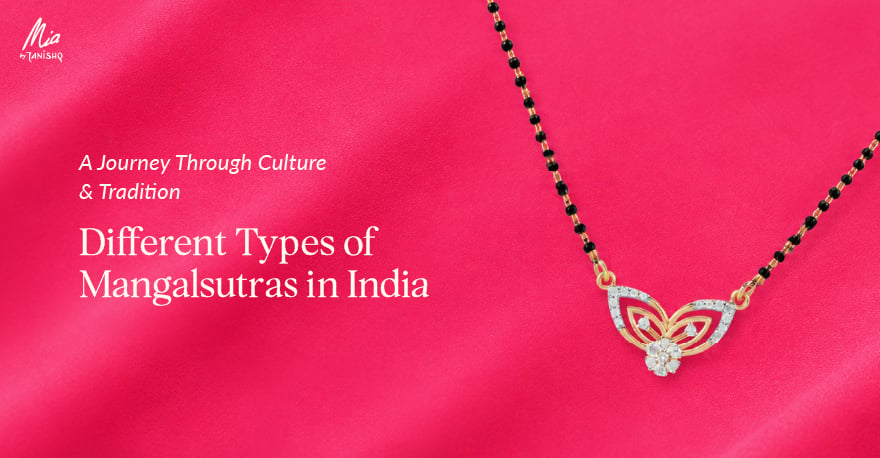
Different Types of Mangalsutras in India: A Journey Through Culture & Tradition
Mangalsutra in English translates to ‘nuptial chain’, which is a sacred thread signifying marriage. It’s an auspicious necklace tied around the bride’s neck by the groom as a symbol of marital and spiritual union. In Sanskrit, 'mangal' means auspicious and 'sutra' translates to thread.
The new-age brides adorn the mangalsutra in the form of stylish, radiant gold pendants in the South and alluring, diamond-embedded masterpieces up North. Beyond its significance as everyday jewellery, it is a medium of manifestation for a lifelong bond between two star-crossed lovers.
Different types of mangalsutras have dominated big fat wedding ceremonies within various regions of the country. So, take a visual tour of India and its cultures spread across acres of land through Mangalsutra trends capturing their aesthetic essence!
Types of Mangalsutras Loved & Adorned by Women Across India
Women across India wear different types of mangalsutras, either one with a simple yellow thread and black beads combination or a pendant with its centre infused with marquise-cut diamonds, among others.
As mangalsutra designs vary from state to state in India, there's much to explore in terms of aesthetics and cultural pointers within a place. Since this ornament is specially designed with traditions and ritualistic essence in mind, it has much to tell of the culture & mythology associated with a place.
Learn about different types of mangalsutra designs dominating the wedding scene, from the Himalayan Peaks up North to the Kanyakumari of Southern India:
1. Dijhor or Dejhoor in Kashmir
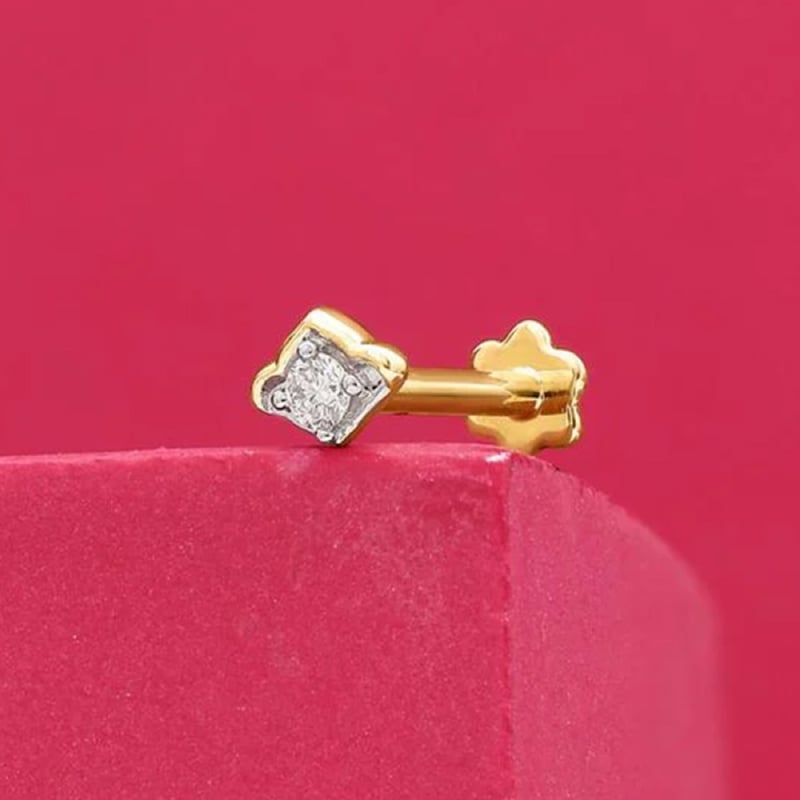
The groom's family gives a Kashmiri bride earrings made of gold, wrapped up in a plain red thread. It is an intriguing variation of a classic mangalsutra pendant design, essentially being earrings at the very first stage.
Once the bride steps into her groom's family home, the plain red thread containing the gold is replaced by a gold chain.
The dejhoor mangalsutra’s one-of-a-kind construction is particularly representative of the Kashmiri identity, characterised by distinct traditional motifs. These visual cues tie the bride to her ‘roots of origin’ even on the day she leaves home!
2. Taagpaag in Bihar
The Bihari mangalsutra is referred to as a 'Taagpaag', featuring a classic black beaded chain.
A popular trend in pendant choices for a Taagpaag is the 'minimalist charm'. As minimal designs are lightweight, the Bihari bride can wear it at all times. Whether she is running her daily errands or helping around the house, she is not weighed down by her heavy jewellery.
Plus, in Bihar, the Taagpaag is worn in association with a toe ring – casting a protective aura on the wearer, from the Heart Chakra (‘Anahata’) to the Root Chakra (‘Muladhara’).
3. Gujarati Mangalsutra in Gujarat
A Gujarati bride adorns a classic version of mangalsutra featuring a gold centrepiece strung along black beaded chains. However, a traditional design does not limit a woman’s creative vision and love for aesthetics galore.
So, ladies choose diamond pendants and opt for a shorter chain to add a personal touch to the look. Not only are the diamond details iconic on their own, but they also signify desirable traits like purity, life-transcending beauty & ever-blooming love.
4. Vati Mangalsutra in Maharashtra
The Vati Mangalsutra design originating in Maharashtra is special for its visual appeal. It features a black beaded chain and two gold ‘Vati’s, the term translating to bowls in English. The incorporation of the Vatis in the mangalsutra design holds cultural significance; the bowls represent ‘Shiva’ & ‘Shakti’.
'Shagun' & 'Nirgun' are the two black beads’ variations, forming a dual-chain moment. They symbolise the everlasting bond between the husband and wife.
5. Karthamani Pathak in Karnataka
In Karnataka, a ‘Karthamani Pathak’ is worn by brides based in Coorg as a symbol of eternal love and sacred matrimony. This variation is an interesting take on the classic mangalsutra design featuring two different segments, namely the ‘Karthamani’ and the ‘Pathak’.
While the Pathak is a gold pendant, essentially a large coin with Maa Lakshmi’s image engraved on it, the ‘Karthamani’ is composed of gold beads and corals. Variations of the Karthamani Pathak also may feature accents of rubies and dangling freshwater pearls, multiplying the style quotient!
6. Thaali/Bottu in Telugu Telangana
The Telugu Mangalsutra, referred to as 'Thaali', 'Bottu' or 'Pustelu ', is a figurative ‘gold mine’ of meaningful associations. It features 2 round-shaped coins or discs, each offered by the groom’s and bride’s side of the family, respectively. The coins are tied to a yellow thread, forming a new ornament that the groom ties around the bride's neck.
According to the ritual, the 2 discs are connected after 16 days. After the ceremony draws to a close, the bride takes a refreshing bath and adorns a new saree. This whole ritual is an effort towards establishing harmony between 2 families.
Finally, women can opt for a diamond, gold or gemstone-studded pendant with the mangalsutra – keeping up with their style or the latest, trendy jewellery trends!
7. Minnu in Kerala
The meaning and importance of a mangalsutra in Indian culture continues to be reflected through the ‘Minnu’ variation of the jewellery. The Minnu Kerala mangalsutra is adorned by a Christian bride as a symbol of commitment & love.
This sacred jewellery represents a type of relationship that the bride and groom hope to nurture. It should be similar to the sacred one shared between the ‘Church’ and ‘Jesus’.
Small gold circular dot-like constructions form a cross on a heart-shaped medallion as part of the mangalsutra design. The Minnu is passed through 7 threads, each symbolic of a participant in the spiritual-union ceremony – like the bride, groom, church and parents of both parties.
8. Thaali Kodi in Tamil Nadu
Most commonly seen during a Hindu marriage ceremony, ‘Thali Kodi’ symbolises a spiritual union between lovers and hope for their growing prosperity. During a certain 'Mangal Dharanam' ceremony, the groom bestows a 'Thali' on his beloved.
A ‘Thali ’, being made of gold, bears sacred images relating to a Tulsi Patta (or plant), a family deity, or an avatar of Goddess Meenakshi and Lord Shiva.
The groom’s family presents a mangalsutra to their bride. So, they can opt for mangalsutra designs featuring charms like gold coins, diamonds or gemstones to personalise the jewel. It adds a unique character to the mangalsutra and personalises it to the bride's style.
9. Sindhi Mangalsutra in Rajasthan & Madhya Pradesh
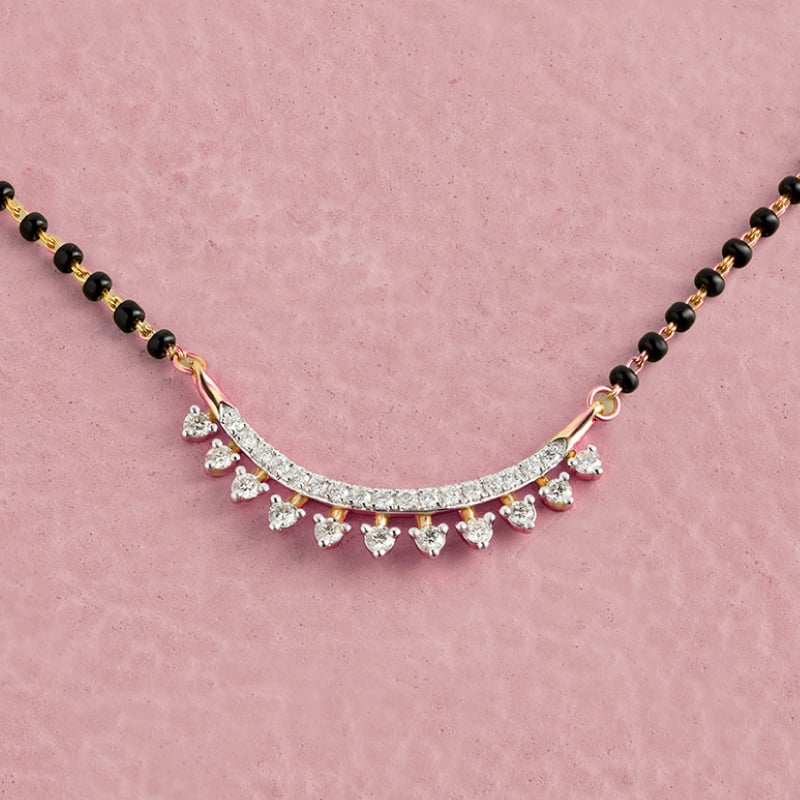
A Sindhi Mangalsutra is the closest in aesthetics to the classic Sutra design, featuring a gold & black beaded chain alongside a breathtaking centrepiece. Modern women prefer to opt for this minimally crafted yet statement pendant as it’s not only stylish but also lightweight.
So, women can style the mangalsutra with different types of outfits, ranging from traditional sarees to smart, business-casual attire!
10. Matar Mala Mangalsutra in Garhwal/Kumaon
The Matar Mala mangalsutra is a traditional bridal necklace and a regionally significant option across Garhwal and Kumaon in Uttarakhand. A Kumaon Matar Mala is typically heavier and adorned as part of a layered bridal set. It’s styled alongside a guluband or a tilhari pendant.
The Garhwali Mangalsutra has a foundational position in wedding finery, indicating regional pride as well as marital bliss. This mangalsutra’s structure features traditional black beads strung interspersed with a specific cluster of 5 to 8 big, hollow gold beads. These charms are designed to resemble ‘matar’ or peas.
Moreover, this traditional Pahadi mangalsutra is worn exceptionally long, meant to dangle as a heavy pendant resting at the ‘Anahata’ or heart chakra. This positioning brings emotional balance, ensures the physical well-being of the bride and invokes divine protection.
There you have it! Wasn’t that a rollercoaster ride through a vast, country-wide museum of visual ecstasy? Now, the next section provides insight into how the fashionista woman has personalised her mangalsutra to transform the ornament into something unique & special.
Mangalsutra vs. Thali: What's the Difference?
A mangalsutra and a thali are both sacred symbols of marriage in the form of wearable jewellery. The thali variant in particular serves as the traditional South Indian counterpart to the broader mangalsutra category.
Here are the major differences between a thali vs a mangalsutra:
1. Overall Design & Structure
A classic mangalsutra features a string of black and gold beads. This combination is intended to ward off negative energy and protect the newly married couple from ‘buri nazar’.
On the other hand, a thali centres on a statement gold pendant, often featuring specific regional motifs. These are originally tied along a yellow turmeric-dyed thread prior to being shifted to a gold chain.
2. Prescribed Order of Wear
The mangalsutra is worn by following traditional regional customs. It’s also styled by modern working women dynamically, often next to other layered jewellery.
The thali, in particular, features a central pendant which goes on first. It is followed by an additional family deity coin/supporting pendants. This arrangement further features decorative gold beads along the sides of the necklace.
3. Regional Variations
The mangalsutra’s visuals significantly change across different regions/communities in India. They are reflective of diverse cultural traditions and locally impactful symbols. Trendy regional variations include vati, bottu, pustelu, thali, and more.
Further, there are different variants under the types of thali as well. Regional variants of the thali include a Thirumangalyam from Tamil Nadu, Minnu from Kerala, etc.
Modern Makeover of the Traditional Mangalsutra Design
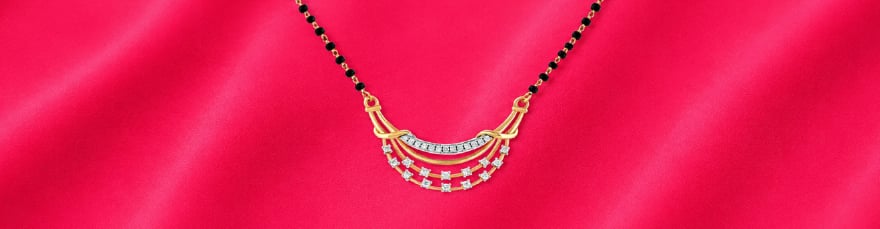 Here are some of the popularly noted trends traced through the sacred act of choosing an ideal mangalsutra, within homes across India:
1. Opting for a Minimal Mangalsutra Design
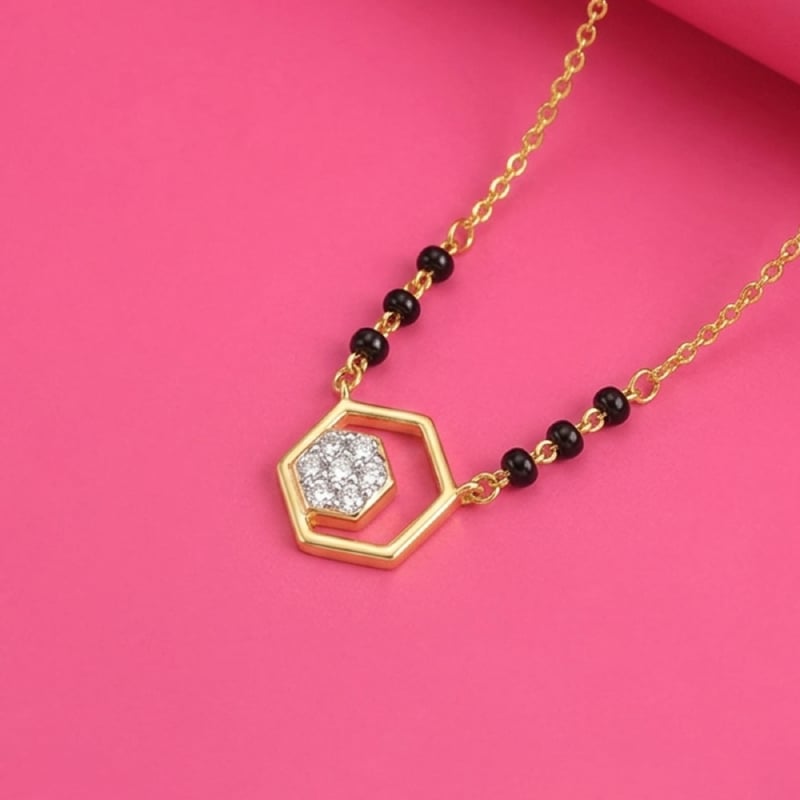
By choosing a minimal mangalsutra, the bride is allowed way more scope to be creative with her daily outfit picks. While being versatile enough to style with different types of closets, a minimally designed mangalsutra is also easy to wear 24/7.
2. Choosing Mangalsutras ft. Diamond & Other Gemstones
While a yellow thread/chain and black beads remain constant through most mangalsutra variations, opting for pendants with diamond or gemstone-embedded casts a modern spell on a traditional design.
3. Going for a Mangalsutra with a Personal Character
As the new wife leaves her parents’ home to join her husband’s family, she is bound to feel displaced at first. Then, she would love to hold on to something that feels like her own. So, the groom's family may choose a mangalsutra featuring a meaningful charm, like the initials of the bride’s name, or a date which is special to her!
Modern Mangalsutra Designs: Which Style Suits You?
When it comes to choosing the perfect modern mangalsutra for you, consider your lifestyle, usual clothing choices and comfort preferences.
Need to decide what’s indeed ‘ideal’ for complementing your unique everyday style? Take into consideration whether you like minimalist styles or statement layered options, all-gold or diamond-studded options, etc.
Here are the factors to account for before finalising the type of mangalsutra design suitable for you:
1. Single Chain vs. Double Chain Mangalsutra
Here are some of the popularly noted trends traced through the sacred act of choosing an ideal mangalsutra, within homes across India:
1. Opting for a Minimal Mangalsutra Design
By choosing a minimal mangalsutra, the bride is allowed way more scope to be creative with her daily outfit picks. While being versatile enough to style with different types of closets, a minimally designed mangalsutra is also easy to wear 24/7.
2. Choosing Mangalsutras ft. Diamond & Other Gemstones
While a yellow thread/chain and black beads remain constant through most mangalsutra variations, opting for pendants with diamond or gemstone-embedded casts a modern spell on a traditional design.
3. Going for a Mangalsutra with a Personal Character
As the new wife leaves her parents’ home to join her husband’s family, she is bound to feel displaced at first. Then, she would love to hold on to something that feels like her own. So, the groom's family may choose a mangalsutra featuring a meaningful charm, like the initials of the bride’s name, or a date which is special to her!
Modern Mangalsutra Designs: Which Style Suits You?
When it comes to choosing the perfect modern mangalsutra for you, consider your lifestyle, usual clothing choices and comfort preferences.
Need to decide what’s indeed ‘ideal’ for complementing your unique everyday style? Take into consideration whether you like minimalist styles or statement layered options, all-gold or diamond-studded options, etc.
Here are the factors to account for before finalising the type of mangalsutra design suitable for you:
1. Single Chain vs. Double Chain Mangalsutra
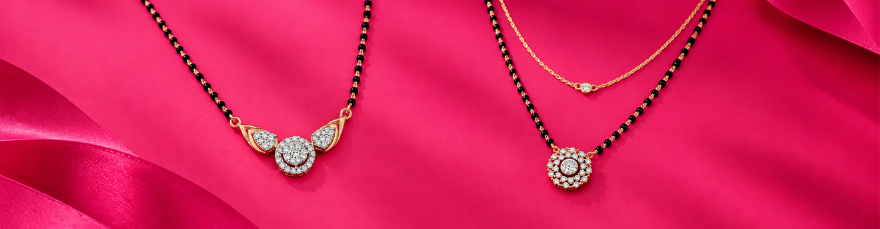 Do you have more of a sleek and sophisticated style, mostly having to dress up for the workplace? In that case, a simple, single-chain mangalsutra shall be the perfect fit. Ideally complementing the clean lines in your tailored workwear silhouettes, the single-chain mangalsutra shall elevate without overwhelming at any point.
On the other hand, if you’re a social butterfly who often has to attend events and get-togethers, the double-chain mangalsutra shall be an iconic match. It’ll be a traditionally recognised symbol of love as well as a modern ‘finishing touch’ to occasion-wear outfits. The layered design shall impress without ever trying too hard!
2. All-Gold vs. Diamond Mangalsutra
Do you have more of a sleek and sophisticated style, mostly having to dress up for the workplace? In that case, a simple, single-chain mangalsutra shall be the perfect fit. Ideally complementing the clean lines in your tailored workwear silhouettes, the single-chain mangalsutra shall elevate without overwhelming at any point.
On the other hand, if you’re a social butterfly who often has to attend events and get-togethers, the double-chain mangalsutra shall be an iconic match. It’ll be a traditionally recognised symbol of love as well as a modern ‘finishing touch’ to occasion-wear outfits. The layered design shall impress without ever trying too hard!
2. All-Gold vs. Diamond Mangalsutra
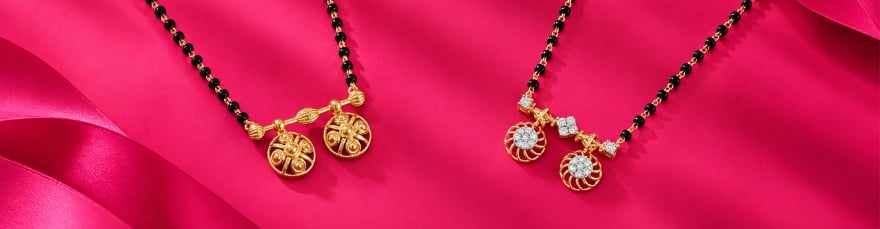 If you have an affinity for the classics, all-gold accents shall add that extra ‘oomph’ to your clothing palette. They’ll account for a radiance that’s impossible to resist. Perfectly complementing neutrals as well as statement tones, the all-gold options are the best picks for women with a knack for elegant accents.
Want a bit of your bling to pop wherever you go? A mangalsutra pendant featuring diamond details shall add that hint of shine to your everyday looks. Have it dazzle as a statement jewel or layer it alongside other mixed metal pieces for a maximalist appeal.
3. Short vs. Long Mangalsutra
If you have an affinity for the classics, all-gold accents shall add that extra ‘oomph’ to your clothing palette. They’ll account for a radiance that’s impossible to resist. Perfectly complementing neutrals as well as statement tones, the all-gold options are the best picks for women with a knack for elegant accents.
Want a bit of your bling to pop wherever you go? A mangalsutra pendant featuring diamond details shall add that hint of shine to your everyday looks. Have it dazzle as a statement jewel or layer it alongside other mixed metal pieces for a maximalist appeal.
3. Short vs. Long Mangalsutra
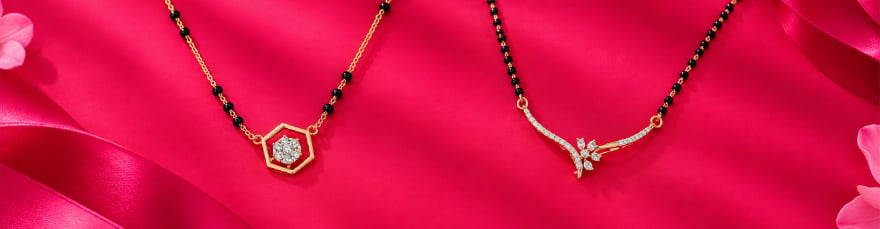 If you like to keep it low-key, composed and put-together with your everyday looks, you can opt for a short mangalsutra. It will be easy to pair with other lengths of necklaces, alongside metal bases or gemstone-detailed necklaces.
On the other hand, if you want your mangalsutra to be the ‘show-stealer’ piece, you can choose a long mangalsutra. It’ll serve as an iconic and bold ‘statement exclamation’ of your love, in style!
4. Minimalist Pendant vs. Tanmaniya
If you like to keep it low-key, composed and put-together with your everyday looks, you can opt for a short mangalsutra. It will be easy to pair with other lengths of necklaces, alongside metal bases or gemstone-detailed necklaces.
On the other hand, if you want your mangalsutra to be the ‘show-stealer’ piece, you can choose a long mangalsutra. It’ll serve as an iconic and bold ‘statement exclamation’ of your love, in style!
4. Minimalist Pendant vs. Tanmaniya
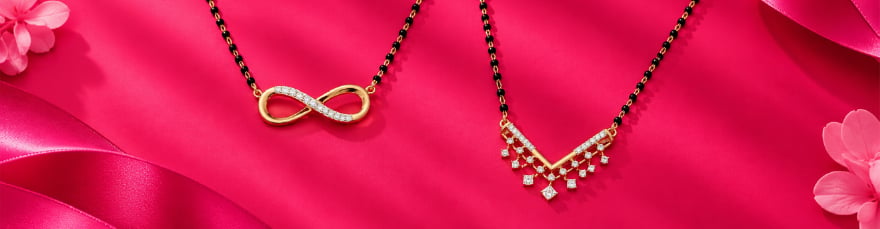 If you mostly find yourself in formal office environments, choosing a minimalist pendant mangalsutra design shall make more fashion-forward sense. They blend in well with crisp Western blazers, striped formal shirts, and contemporary trousers. The pendant won’t look out of place against such modern clothing bases.
However, do you have more of a ‘desi’ style or like a bit of whimsy in your everyday looks? In that case, a tanmaniya shall be a more dream-adjacent pick for you! Add a trendy element and an instant glam factor to your looks; flaunt your love and shine daily.
The Final Word on the Masterpiece is the Mangalsutra
Across a country particularly known for its cultural diversity and for hosting the grandest weddings – jewellery designs are far from taking a backseat. Plus, mothers tend to start selecting the jewellery pieces for their daughters at the fresh announcement of a possible wedding!
While various types of mangalsutras are adorned by women across India, notions of infinite commitment and blessed bonding remain consistent. Discover designs of mangalsutras online with us to find your cultural & aesthetic match in jewels.
If you mostly find yourself in formal office environments, choosing a minimalist pendant mangalsutra design shall make more fashion-forward sense. They blend in well with crisp Western blazers, striped formal shirts, and contemporary trousers. The pendant won’t look out of place against such modern clothing bases.
However, do you have more of a ‘desi’ style or like a bit of whimsy in your everyday looks? In that case, a tanmaniya shall be a more dream-adjacent pick for you! Add a trendy element and an instant glam factor to your looks; flaunt your love and shine daily.
The Final Word on the Masterpiece is the Mangalsutra
Across a country particularly known for its cultural diversity and for hosting the grandest weddings – jewellery designs are far from taking a backseat. Plus, mothers tend to start selecting the jewellery pieces for their daughters at the fresh announcement of a possible wedding!
While various types of mangalsutras are adorned by women across India, notions of infinite commitment and blessed bonding remain consistent. Discover designs of mangalsutras online with us to find your cultural & aesthetic match in jewels.
Frequently Asked Questions
1. What is mangalsutra called in English, and why is it worn?
A mangalsutra does not directly translate to a single English term. However, it refers to a ‘sacred wedding necklace’ or an ‘auspicious thread necklace’ in English. It is popularly worn as a symbol of marital bliss, also serving as a protective talisman for newlyweds and their families.
2. What are the different types of mangalsutra in India?
Mangalsutras from across India vary significantly by motifs, place of origin and culture. They feature unique regional pendants, beads, and symbols. For example, the vati mangalsutra comes from Maharashtra, the thali from South Indian states, the Karthamani Pathak from Karnataka, etc.
3. Which mangalsutra design is best for daily wear?
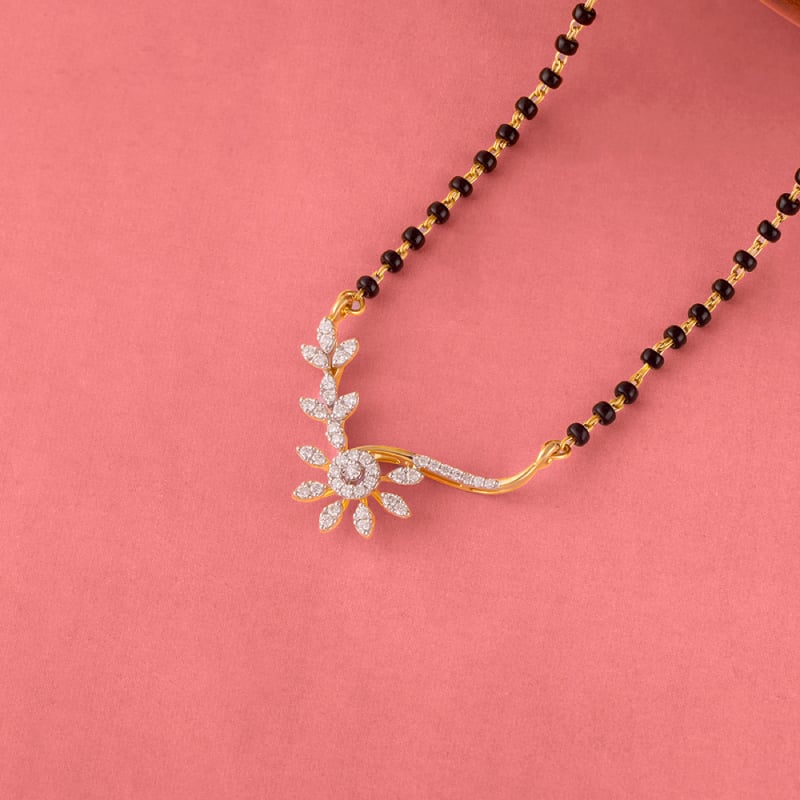
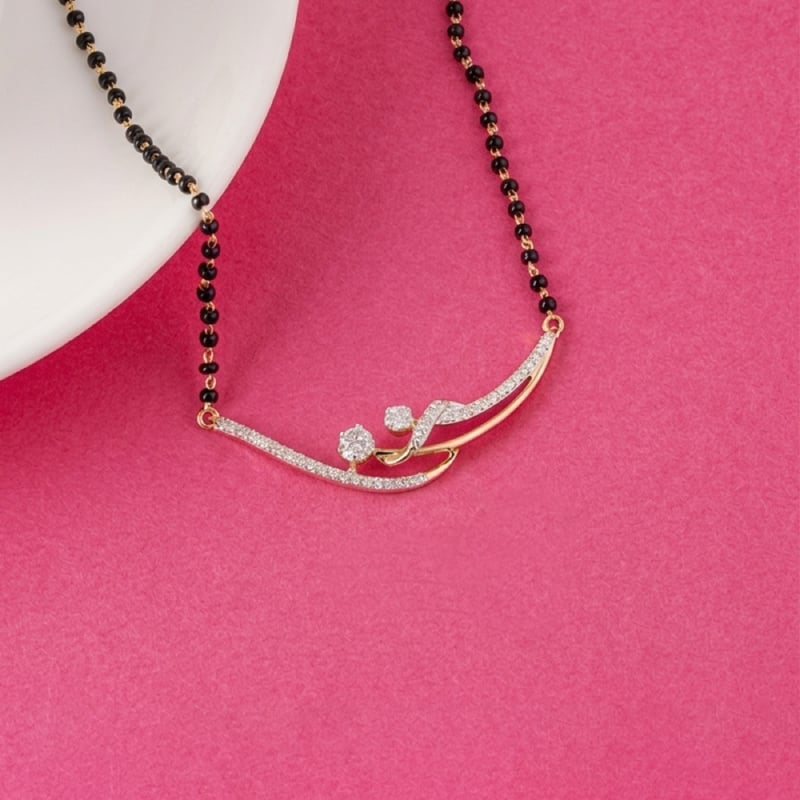
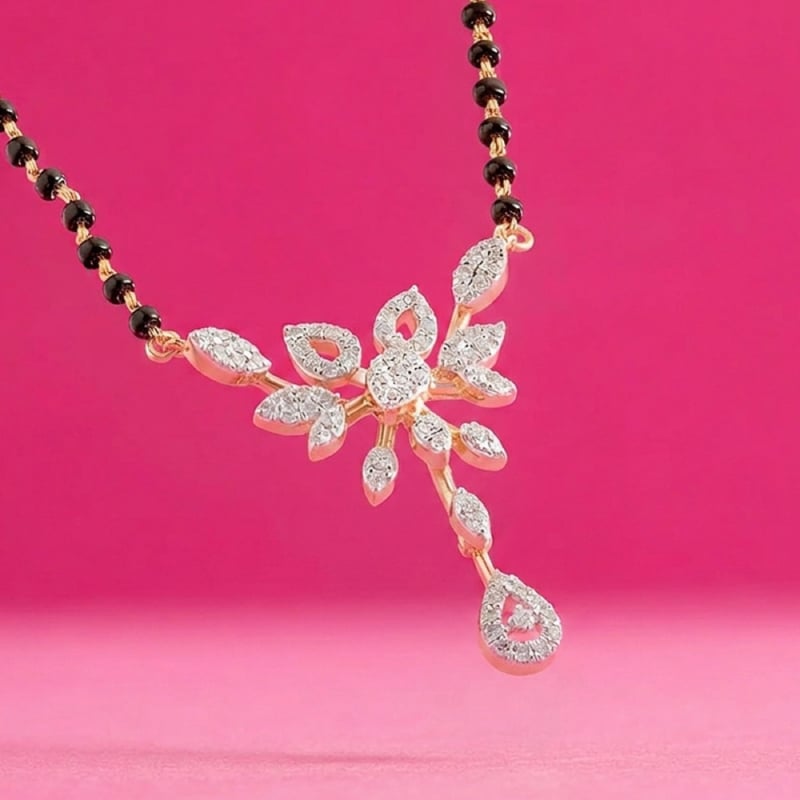
A modern mangalsutra design suitable for daily wear is essentially a lightweight, shorter-length (16 to 18-inch) piece. It should be crafted from an 18KT or 14KT gold base featuring a minimalist pendant like a sleek geometric bar, a stunning bloom motif, etc.
4. What is the difference between tanmaniya and mangalsutra?
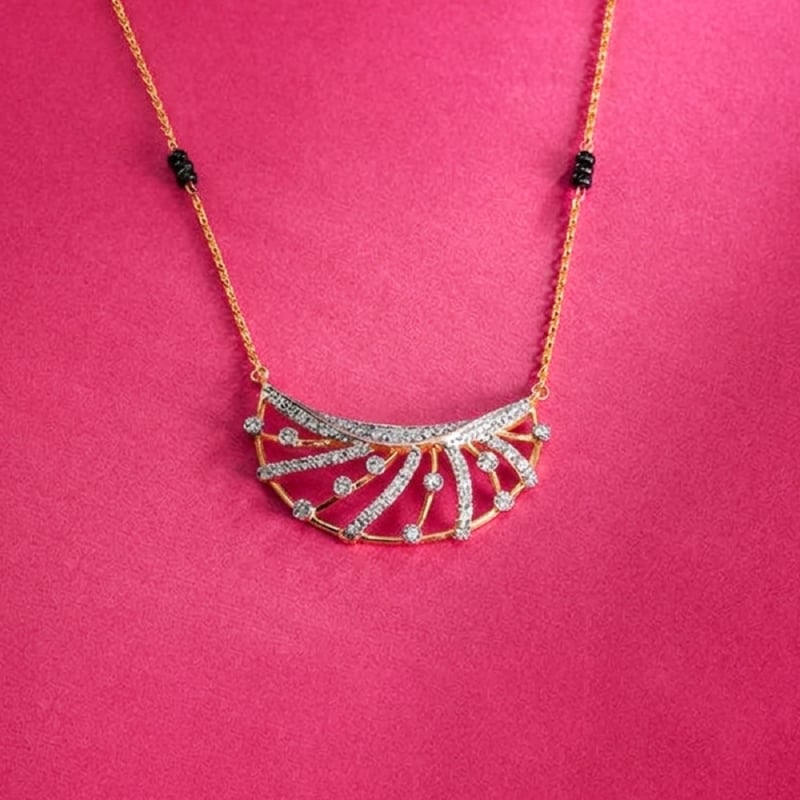
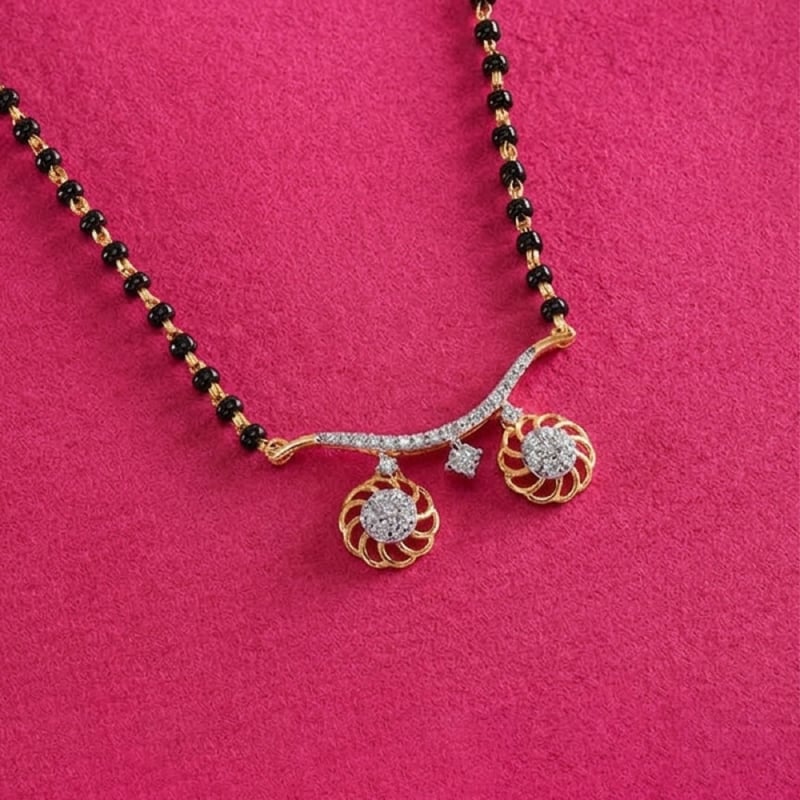
A tanmaniya is particularly an intricately designed pendant which hangs at the centre of the sacred necklace. On the other hand, the complete sacred necklace is referred to as a mangalsutra. Its chain is traditionally made of black and gold beads, recognised as a symbol of marriage.
5. What is a Garhwali mangalsutra or Matar Mala?
A Garhwali mangalsutra is also known as a Matar Mala. It serves as a sacred necklace worn daily by married women in the Garhwali, Kumaoni, and Pahari communities of Uttarakhand.
6. What is the difference between a mangalsutra and a thali?
A mangalsutra is used as a general term for a sacred marriage necklace. On the other hand, a thali is the South Indian variant of the necklace.
Stories you might also like



×