Get a Callback
We'll find it for you 💌
Obsessed with this piece? A Mia store expert will call you to help find it nearby.
You're all set!
A Mia store expert will call you shortly to help you find this piece at your nearest store.
Expect a call within 24 hoursDiscover similar or identical jewellery by uploading a picture.
Discover similar or identical jewellery by uploading a picture.
})
The file size should not exceed 5 MB
File size exceeds the limit





















 Blogs & Articles
- Home
- Blogs & Articles
- A Complete Guide to Diamond Setting Types
5 Feb 2026

by Mia
5 Feb 2026
Read:
4 Mins
Spread the Fashion Love!


Be the first to see
Explore Mia’s latest jewellery collection, crafted to feel precious, every day!
The catalogue has been sent to you via email!
Be the first to see
Explore Mia’s latest jewellery collection, crafted to feel precious, every day!
The catalogue has been sent to you via email!
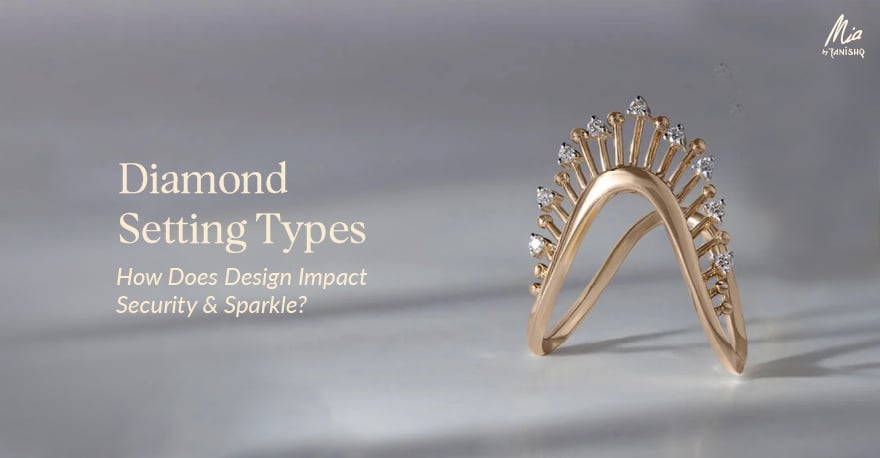

Diamond Setting Types: How Does Design Impact Security & Sparkle?
Diamond setting types can dramatically impact security and sparkle, wielding control over light exposure and metal coverage. For instance, open settings like prong and cathedral maximise the light, which results in intense brilliance. However, these offer less protection.
On the other hand, enclosed settings like bezel and channel come with superior security and a polished look. However, such allure comes at the cost of lesser light entry.
Techniques like halos and high settings balance the various factors, prompting more sparkle with increased vulnerability. Discover the various diamond setting types in this blog and know which type of sparkle suits your story!
What Are the Different Stone Setting Types?
Diamond settings securely hold up the stones in jewellery, with popular types ranging from Prong and Bezel to Pavé and Channel. Others include the Halo, where the centre gem is surrounded by smaller diamonds and the Tension setting, where the stone is held together by metal pressure.
Here are the different diamond setting types you can consider opting for:
1. Bezel Setting
 The bezel diamond setting embodies a sleek and modern visual story. In this style of setting, the metal rim thinly encircles the diamond. The bezel setting comes with maximum protection, embodying an ideally contemporary look. These styles are ideal for individuals who love to adorn their jewellery even through their active lifestyles.
Bezel settings are the types of ring settings perfect for everyday wear. They are featured in minimalist pendants, which necessarily have to be sturdy enough for heavy use.
2. Prong Setting
The bezel diamond setting embodies a sleek and modern visual story. In this style of setting, the metal rim thinly encircles the diamond. The bezel setting comes with maximum protection, embodying an ideally contemporary look. These styles are ideal for individuals who love to adorn their jewellery even through their active lifestyles.
Bezel settings are the types of ring settings perfect for everyday wear. They are featured in minimalist pendants, which necessarily have to be sturdy enough for heavy use.
2. Prong Setting
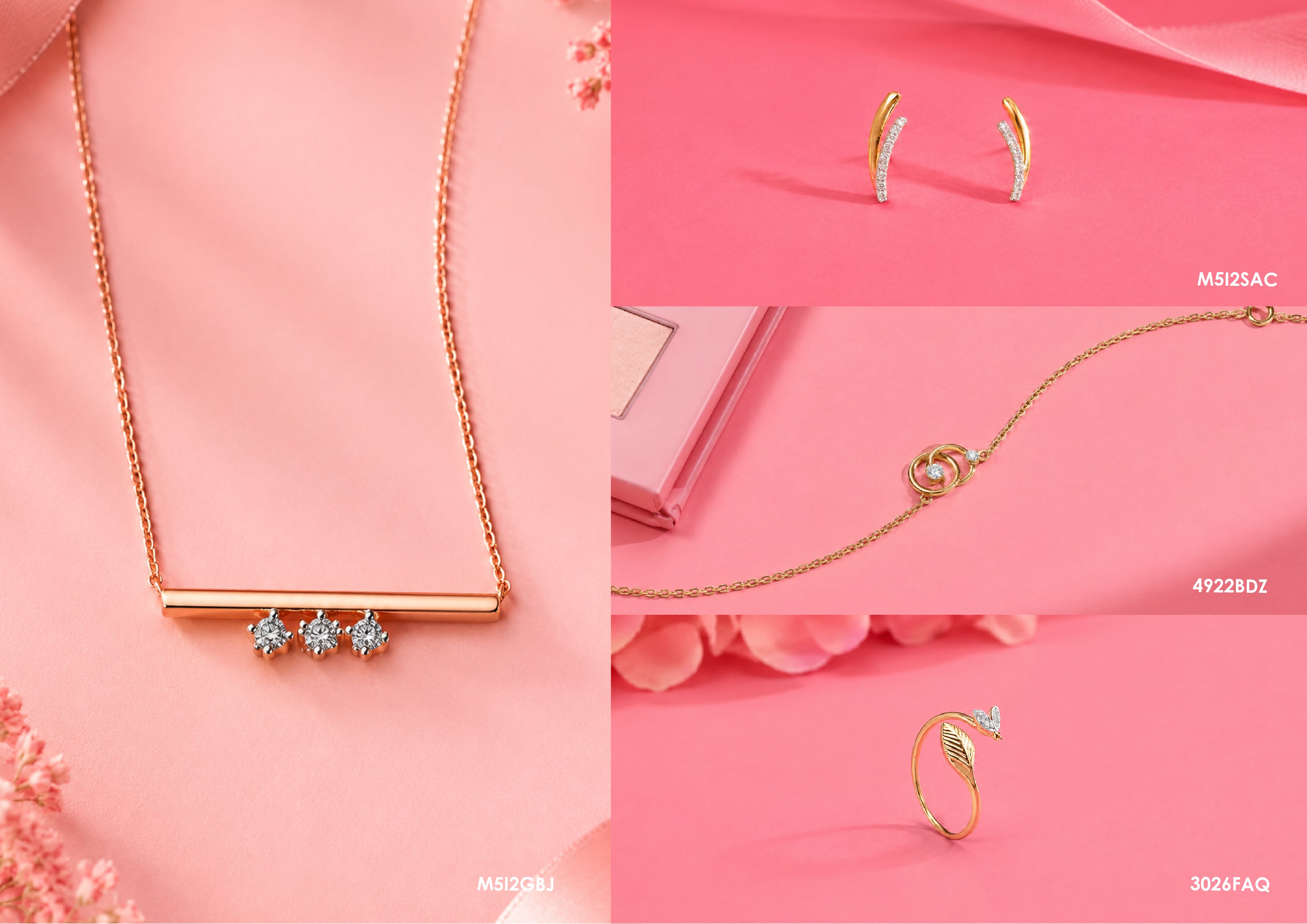
 The prong setting is a timeless choice. It makes use of typically 4 or 6 tiny metal claws to hold the diamond. This setting lets the maximum light hit the diamond, enhancing the brilliance by a mile. As this setting uses less precious metal compared to other settings, the stone appears larger, drawing all eyes to its glamorous sparkle.
The prong setting is a popular feature seen across solitaire rings and pendants. When you need the shine of the diamond to serve as the showstopper, the prong setting ideally complements this star quality! The prong setting is thus one of the popular types of ring settings and mountings and is often opted for as engagement rings.
3. Pave Setting
The prong setting is a timeless choice. It makes use of typically 4 or 6 tiny metal claws to hold the diamond. This setting lets the maximum light hit the diamond, enhancing the brilliance by a mile. As this setting uses less precious metal compared to other settings, the stone appears larger, drawing all eyes to its glamorous sparkle.
The prong setting is a popular feature seen across solitaire rings and pendants. When you need the shine of the diamond to serve as the showstopper, the prong setting ideally complements this star quality! The prong setting is thus one of the popular types of ring settings and mountings and is often opted for as engagement rings.
3. Pave Setting
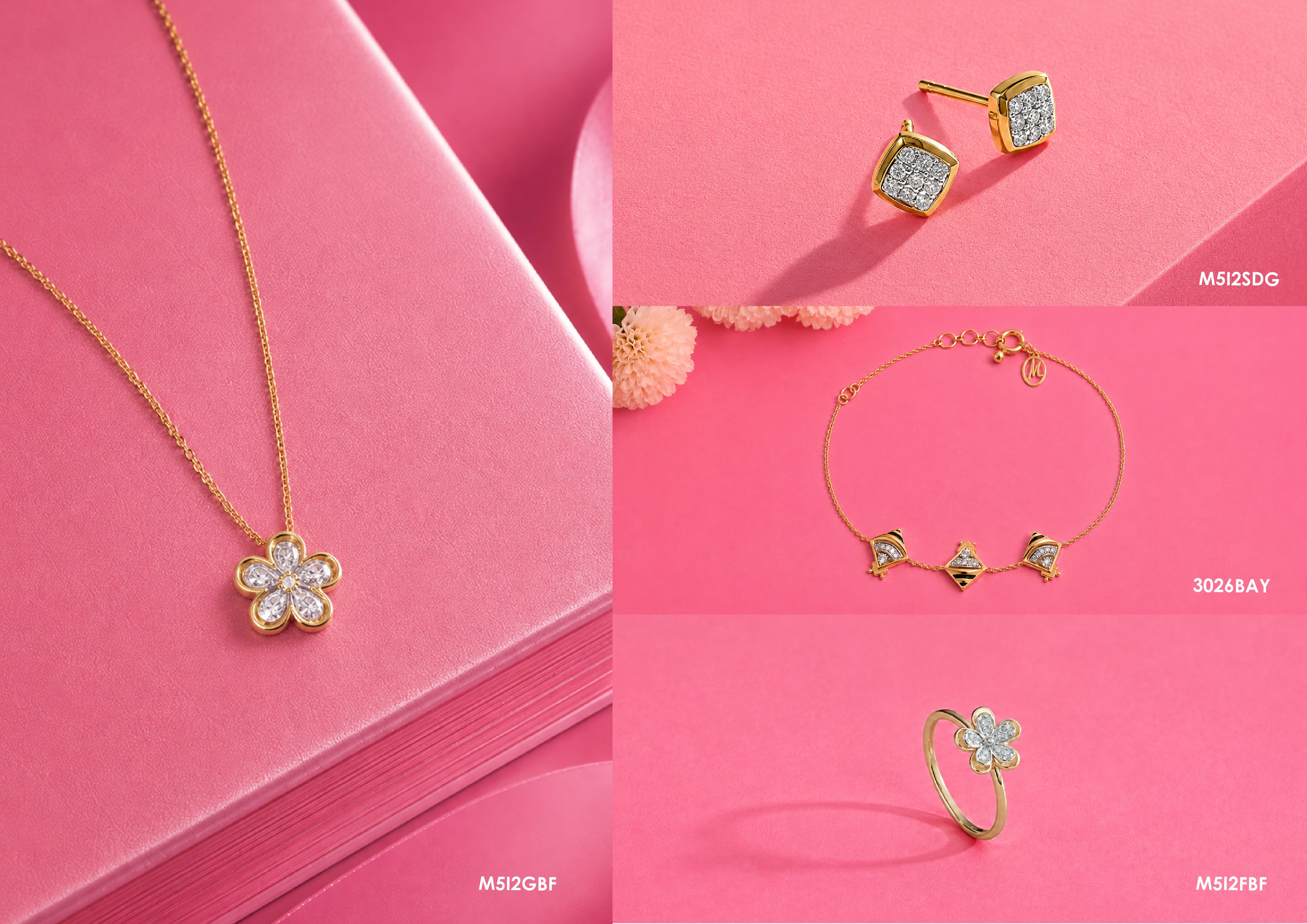
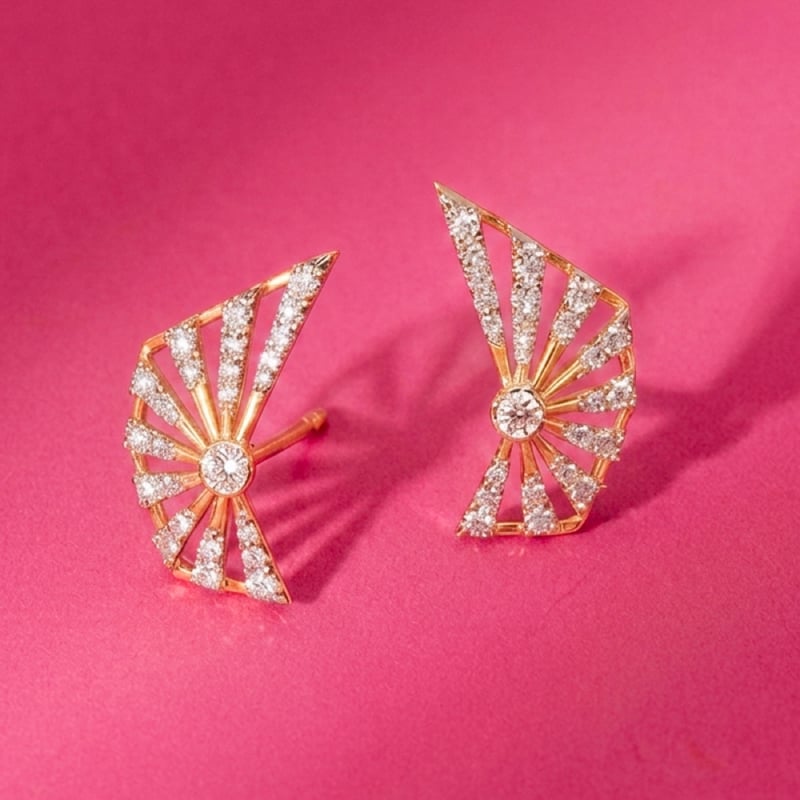
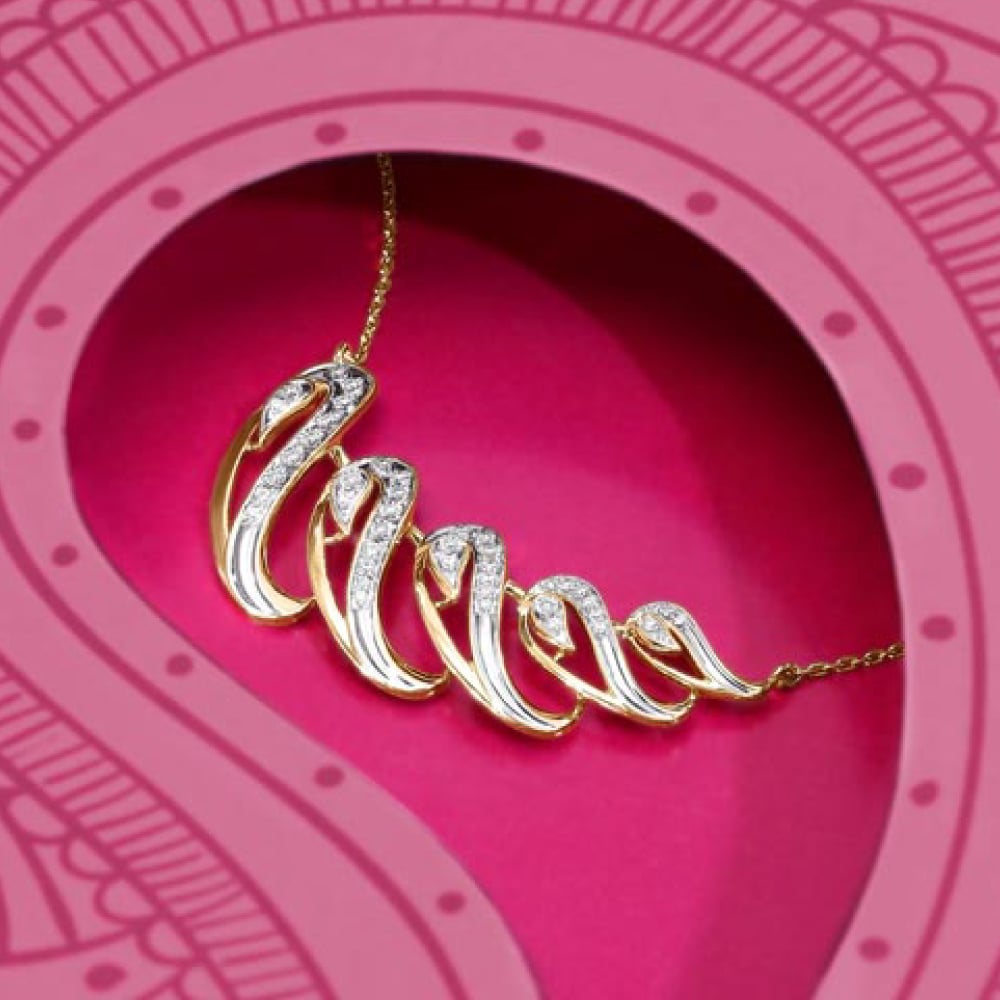
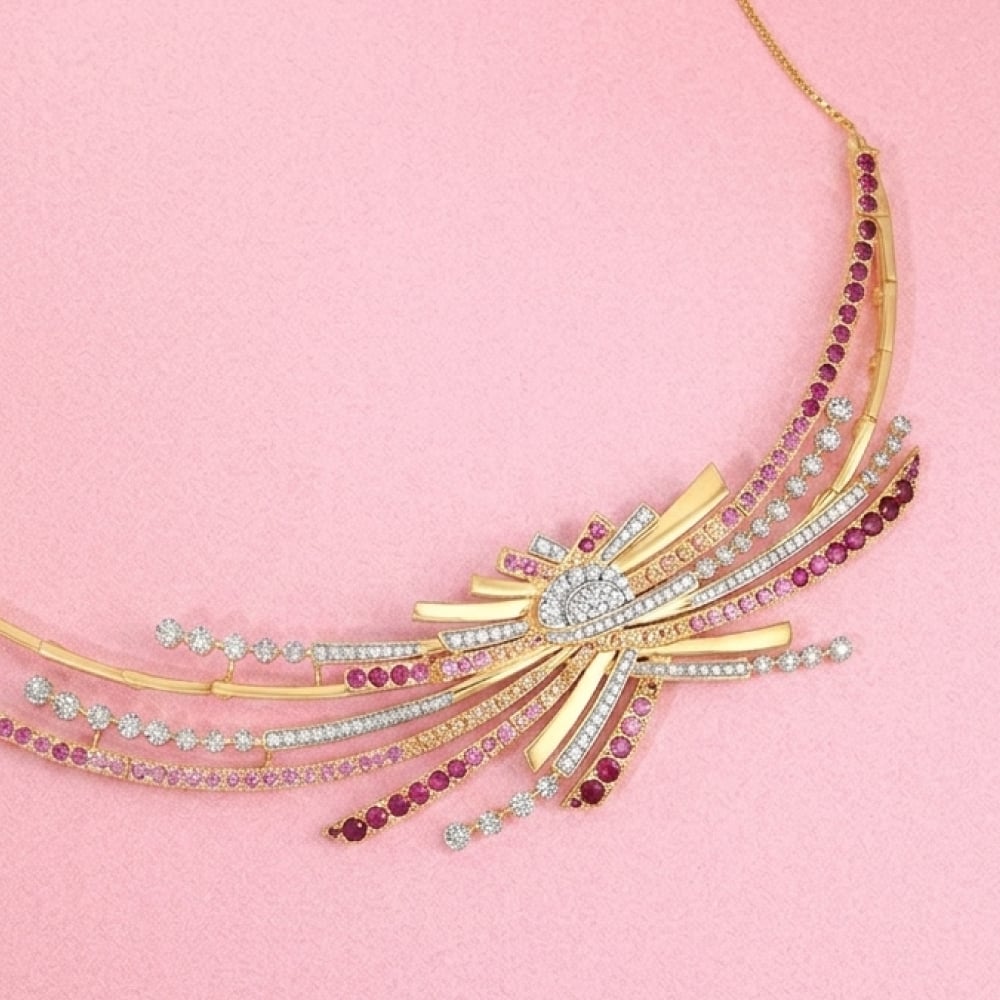
 In the pavé diamond setting, smaller-sized diamonds are closely set together with the assistance of little metal beads/prongs holding them in place. This setting props up a continuously sparkling surface and is synonymous with the term ‘drama’!
Pavé diamond settings are featured in diamond chokers, band rings and brilliantly sparkly earrings. Perfect for making a statement, the gleam of pavé diamond settings makes it ultimately easy to slay!
4. Channel Setting
In the pavé diamond setting, smaller-sized diamonds are closely set together with the assistance of little metal beads/prongs holding them in place. This setting props up a continuously sparkling surface and is synonymous with the term ‘drama’!
Pavé diamond settings are featured in diamond chokers, band rings and brilliantly sparkly earrings. Perfect for making a statement, the gleam of pavé diamond settings makes it ultimately easy to slay!
4. Channel Setting
 The channel setting features horizontal line-ups of diamonds, typically embedded between two metal strips. There’s no use of prong details here; minimalistic clean lines intensify the sparkle.
Channel settings are popularly featured across eternity bands and wedding rings. Lovers looking to get engaged in 2026 are also leaning towards engagement bands in channel settings. Plus, you can level up your ring stacks by picking out versatile stackable rings in this design.
5. Bar Setting
The channel setting features horizontal line-ups of diamonds, typically embedded between two metal strips. There’s no use of prong details here; minimalistic clean lines intensify the sparkle.
Channel settings are popularly featured across eternity bands and wedding rings. Lovers looking to get engaged in 2026 are also leaning towards engagement bands in channel settings. Plus, you can level up your ring stacks by picking out versatile stackable rings in this design.
5. Bar Setting
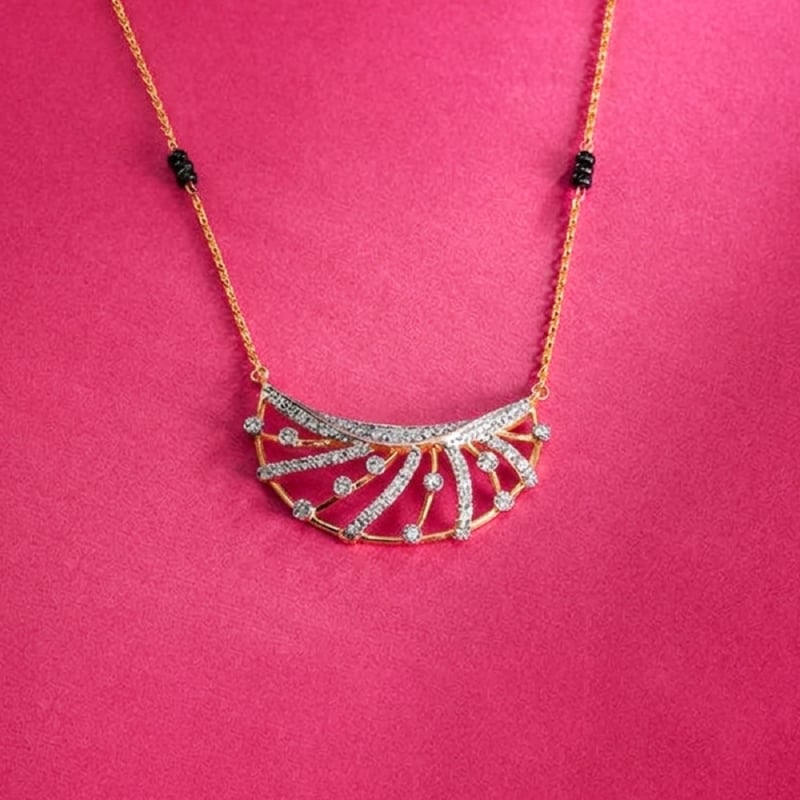
 The bar setting belongs to the same family as the channel setting. This setting makes use of vertical metal bars introduced between diamonds to hold them in place. It creates a sleek, structured and geometric aesthetic; perfect for fashionistas who prefer to keep it subtle and sophisticated.
Contemporary jewellery items popularly feature the bar setting, adding to the structural appeal of delicate and minimalist patterns. This approach is also popular for diamond ring setting types.
6. Tension Setting
The bar setting belongs to the same family as the channel setting. This setting makes use of vertical metal bars introduced between diamonds to hold them in place. It creates a sleek, structured and geometric aesthetic; perfect for fashionistas who prefer to keep it subtle and sophisticated.
Contemporary jewellery items popularly feature the bar setting, adding to the structural appeal of delicate and minimalist patterns. This approach is also popular for diamond ring setting types.
6. Tension Setting
 The tension diamond setting creates the illusion of a gem floating mid-air. This setting approach uses the metal band’s pressure, holding the diamond in position. If you’re the type to experiment and try out innovative styles, this futuristic and irresistible design is your winner. The tension setting is popularly seen gracing modern rings and minimalist jewellery styles.
7. Half Bezel Setting
A half bezel setting marks the halfway point between a bezel and a prong style. It covers a portion of the diamond with a slender metal arc. This results in an aesthetic combination of visibility and security.
Innovative, modern rings and other jewellery designs which combine different vibes feature the half bezel setting. Fashionistas who want to flaunt the best of both worlds via fashion (their outlet) choose experimental styles like these.
8. Cathedral Setting
The tension diamond setting creates the illusion of a gem floating mid-air. This setting approach uses the metal band’s pressure, holding the diamond in position. If you’re the type to experiment and try out innovative styles, this futuristic and irresistible design is your winner. The tension setting is popularly seen gracing modern rings and minimalist jewellery styles.
7. Half Bezel Setting
A half bezel setting marks the halfway point between a bezel and a prong style. It covers a portion of the diamond with a slender metal arc. This results in an aesthetic combination of visibility and security.
Innovative, modern rings and other jewellery designs which combine different vibes feature the half bezel setting. Fashionistas who want to flaunt the best of both worlds via fashion (their outlet) choose experimental styles like these.
8. Cathedral Setting
 The cathedral setting upholds an elegant, architectural pattern. It often features symmetrical arches rising from the band, in support of and elevating the centre gem. This makes the stone appear much larger and more brilliant. More light is allowed in; excellent security and structure are maintained without added height (suits daily wear). It ideally showcases the prominent gem.
The cathedral setting is popularly featured as a setting type for rings, especially in engagement rings, bold fashion rings and right-hand rings.
9. Halo Setting
The cathedral setting upholds an elegant, architectural pattern. It often features symmetrical arches rising from the band, in support of and elevating the centre gem. This makes the stone appear much larger and more brilliant. More light is allowed in; excellent security and structure are maintained without added height (suits daily wear). It ideally showcases the prominent gem.
The cathedral setting is popularly featured as a setting type for rings, especially in engagement rings, bold fashion rings and right-hand rings.
9. Halo Setting
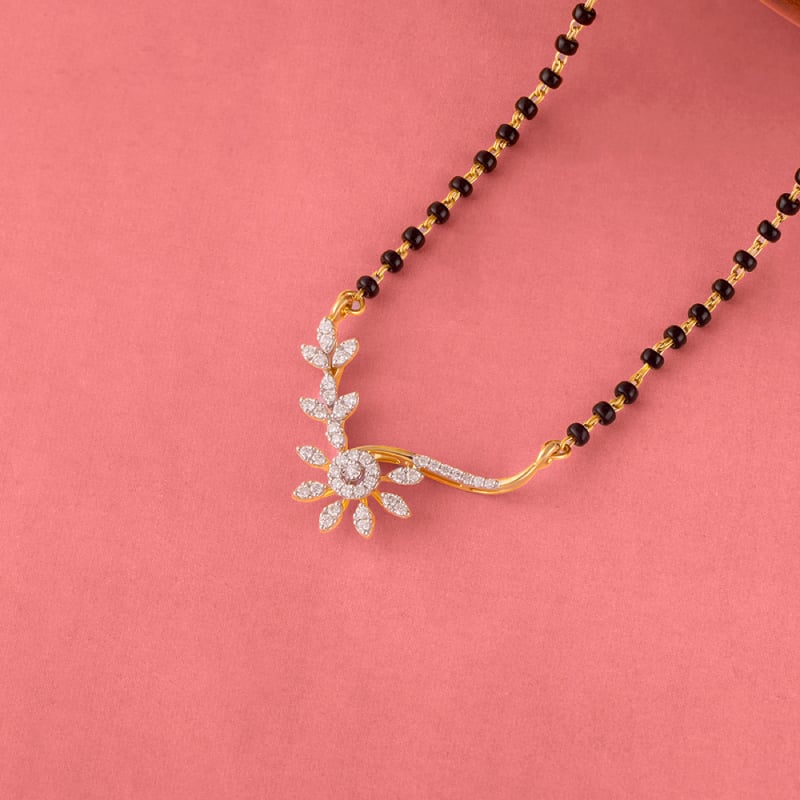
 A halo diamond setting encircles the centre gemstone. The ring of tinier diamonds or gems makes the main stone appear significantly brighter, bigger and more dazzling through intense light reflection.
It radiates a vintage, glamorous aura while maintaining the modern flair. The halo setting’s enhanced visual impact combines tradition with a contemporary outlook, creating a radiant, mesmerising vibe linked to protection and eternity.
Halo settings are popularly seen across engagement and wedding rings, earrings and pendants where the central stone is enhanced to a statement- making level!
10. Cluster Setting
A halo diamond setting encircles the centre gemstone. The ring of tinier diamonds or gems makes the main stone appear significantly brighter, bigger and more dazzling through intense light reflection.
It radiates a vintage, glamorous aura while maintaining the modern flair. The halo setting’s enhanced visual impact combines tradition with a contemporary outlook, creating a radiant, mesmerising vibe linked to protection and eternity.
Halo settings are popularly seen across engagement and wedding rings, earrings and pendants where the central stone is enhanced to a statement- making level!
10. Cluster Setting
 A cluster diamond setting features several smaller diamonds ‘clustered’ or grouped closely together. It creates an illusion of a bigger, statement diamond or higher-carat stone. In reality, the clustered setting prompts superior shine at an affordable rate.
This setting enhances the overall brilliance of the diamonds by reflecting light from numerous facets. It provides design versatility while being a durable, secure option for everyday wear.
Why is it Important to Choose the Right Diamond Setting?
Your diamond is the star of your jewellery arrangement, whether we’re talking rings, necklaces or piercings. The setting, on the other hand, is equal to the stage lighting, sound and spotlight! So, only when the setting is right, the ‘star’ can shine its brightest. Beyond complementing the diamond, the setting also impacts:
Ease of wearing
The sparkle (how much light is entering the diamond)
Ease of maintenance
Security of the gem
Final Word
It’s crucial to make the right pick of your diamond setting type as it goes beyond aesthetic appeal, striking sentiments and meaning. Make your pick considering factors like lifestyle, comfort and how intensely you need the diamond to sparkle.
Do you adore a classic vibe? Choose the prong setting. In the mood for something that’s modern yet low maintenance? Give the bezel setting a chance. Need your sparkle to make a statement? The pavé setting is your calling.
Discover some of the trendiest diamond setting types with us, at Mia by Tanishq, where we understand that every sparkle is unique!
A cluster diamond setting features several smaller diamonds ‘clustered’ or grouped closely together. It creates an illusion of a bigger, statement diamond or higher-carat stone. In reality, the clustered setting prompts superior shine at an affordable rate.
This setting enhances the overall brilliance of the diamonds by reflecting light from numerous facets. It provides design versatility while being a durable, secure option for everyday wear.
Why is it Important to Choose the Right Diamond Setting?
Your diamond is the star of your jewellery arrangement, whether we’re talking rings, necklaces or piercings. The setting, on the other hand, is equal to the stage lighting, sound and spotlight! So, only when the setting is right, the ‘star’ can shine its brightest. Beyond complementing the diamond, the setting also impacts:
Ease of wearing
The sparkle (how much light is entering the diamond)
Ease of maintenance
Security of the gem
Final Word
It’s crucial to make the right pick of your diamond setting type as it goes beyond aesthetic appeal, striking sentiments and meaning. Make your pick considering factors like lifestyle, comfort and how intensely you need the diamond to sparkle.
Do you adore a classic vibe? Choose the prong setting. In the mood for something that’s modern yet low maintenance? Give the bezel setting a chance. Need your sparkle to make a statement? The pavé setting is your calling.
Discover some of the trendiest diamond setting types with us, at Mia by Tanishq, where we understand that every sparkle is unique!
Frequently Asked Questions
1. What are the popular types of ring settings for engagement?
Different types of diamond settings in rings are popularly opted for in 2026, including the Solitaire, Halo, Pavé, Bezel, Prong, and Cluster. It’s ultimately dependent on the recipient's personal style.
2. Which diamond setting types are appropriate for daily wear?
The Bezel and Channel diamond settings are perfect for everyday wear as they securely encase the diamond. Thus, they protect the gems from chips or snagging. This makes them ideal for active lifestyles.
3. Which types of ring settings are good for stacking?
Bar and tension settings of rings are the most versatile picks when it comes to curating the perfect base for ring stacking. Further, you can opt for singular statement diamond ring settings like the prong or pavé detail.
Stories you might also like




×