Get a Callback
We'll find it for you 💌
Obsessed with this piece? A Mia store expert will call you to help find it nearby.
You're all set!
A Mia store expert will call you shortly to help you find this piece at your nearest store.
Expect a call within 24 hoursDiscover similar or identical jewellery by uploading a picture.
Discover similar or identical jewellery by uploading a picture.
})
The file size should not exceed 5 MB
File size exceeds the limit

















 Blogs & Articles
- Home
- Blogs & Articles
- indian-jewellery-design-evolution
8 Apr 2026

by Mia
8 Apr 2026
Read:
4 Mins
Spread the Fashion Love!


Be the first to see
Explore Mia’s latest jewellery collection, crafted to feel precious, every day!
The catalogue has been sent to you via email!
Be the first to see
Explore Mia’s latest jewellery collection, crafted to feel precious, every day!
The catalogue has been sent to you via email!
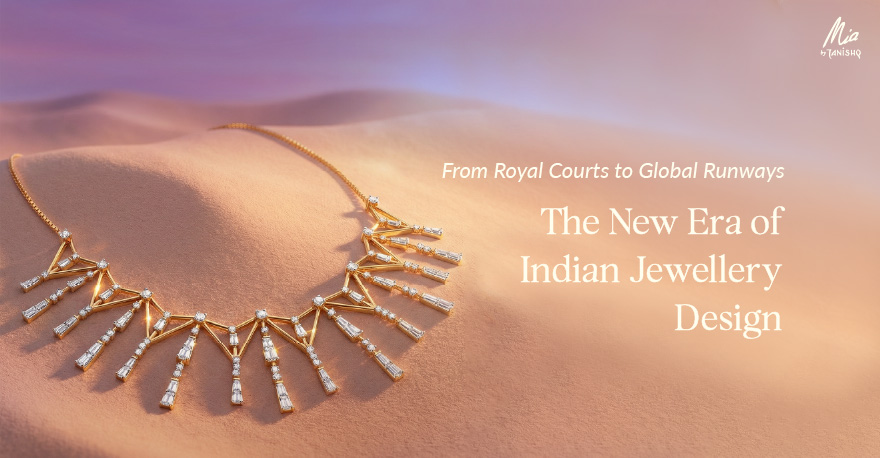

From Royal Courts to Global Runways: The New Era of Indian Jewellery Design
Ever so awe-stricken by the amount of ‘desi’ representation across global couture showcases? The aesthetic galore of Indian jewellery, once dominating the royal darbar only, is now making international statements, and you've reserved the front row in 2026!
Indian jewellery is undergoing a revolutionary shift from the traditional, heavy moulds to versatile, contemporary 'modern masterpieces', perfect for globally set runways. But at no point do the styles ditch that royal-courts-fitting flavour.
This new era combines ancient craftsmanship through re-imagined paisleys and arches that pose as museum pieces with the minimalist, functional outlook. Let us paint a fresh fashion vision for you in this blog.
How Has Indian Jewellery Evolved to Fit the 2026 Modern Aesthetic?
Indian jewellery designers are regulars at global fashion hubs. They’re bringing in notes of practicality from the west and delivering regal ‘beauts’ that are centuries-tested, in return! Isn’t that a bargain? Jewellery innovators are designing pieces that blend heritage stories with avant-garde aesthetics.
Here’s how the Indian jewellery ethos is looking in all its glory, this 2026:
1. Versatility in Fusion
Contemporary brides and consumers are loving the looks created through mixing traditional, intricate pieces and contemporary attire. This has led to an increase in the popularity of lightweight, everyday fine jewellery.
Indian wedding jewellery aesthetic now incorporates a more charismatic glisten that feels personal, and not simply like a wealth statement. It’s tasteful, elegant, and non-boastful.
The paisley pattern originated in Persia and Central Asia about 2,500 years ago. Its aesthetic roots stem back to the Achaemenid Empire, during 550–330 BC. Even with foreign roots, its presence throughout Indian history is one to note. The paisley became a cornerstone of Indian textile art at the time of the Mughal Empire’s reign, during the 16th-19th century period.
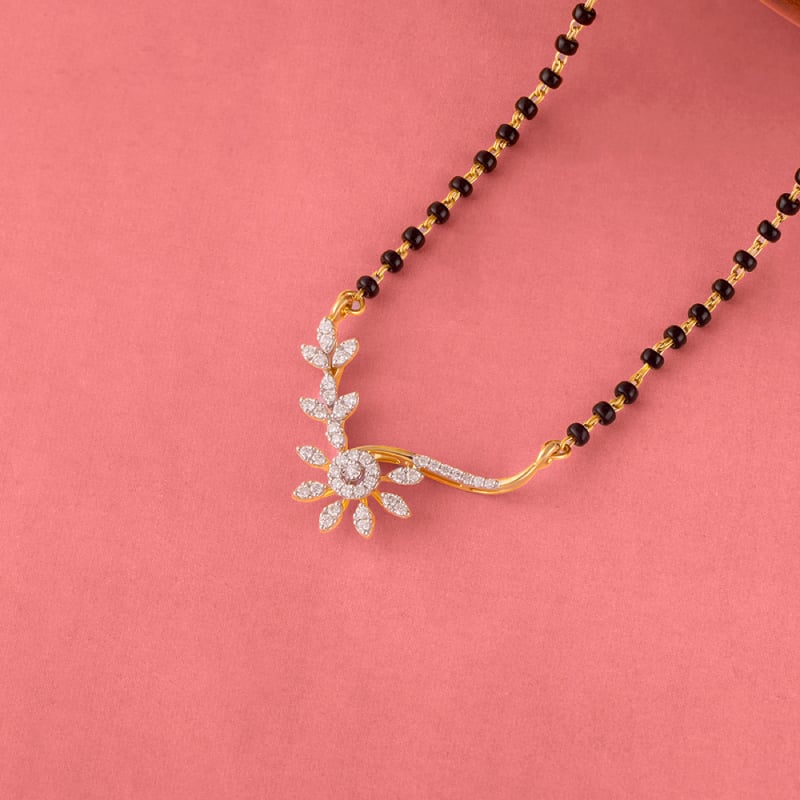
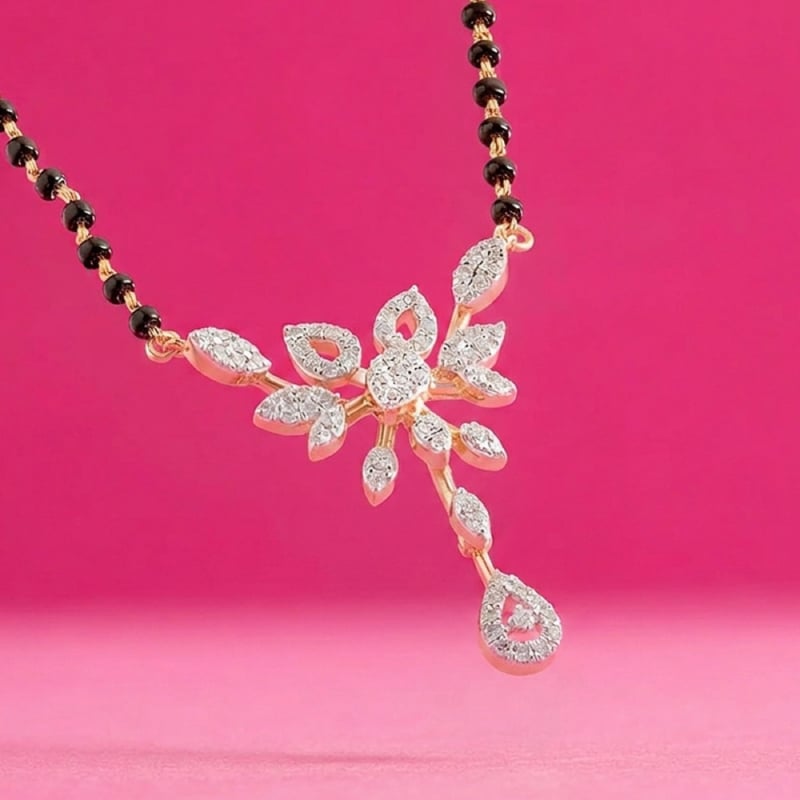
Popularly known to represent a swaying cypress tree, a mango, or even a growing shoot, the teardrop shape symbolises life and fertility. It poses as a natural connection to new life, marriage, and beyond.
This timeless Indian motif gained global popularity through Indian Kashmir shawl features, turning into a fashion staple especially in early-century Europe. Now it continues to be worn, with its visual story fitting a more modern style.
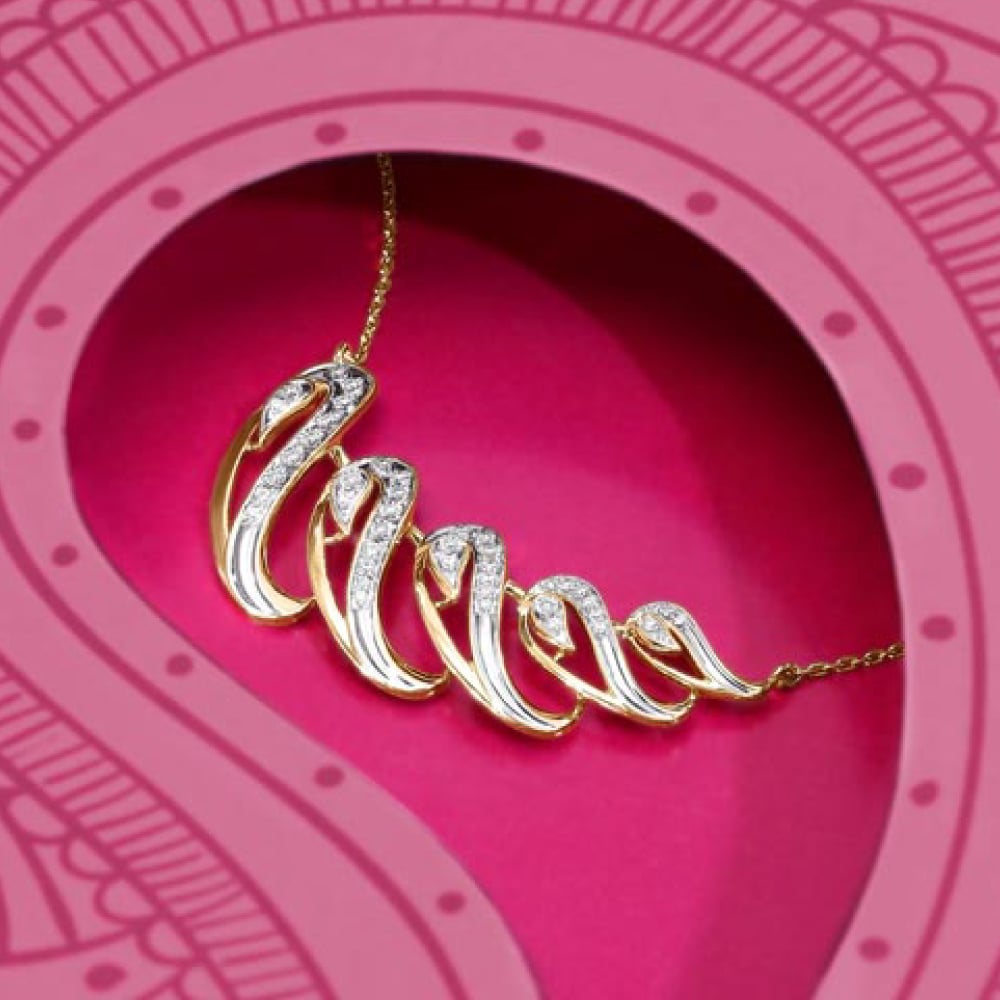
Minimally animated but maximised in shine, the diamond-dotted paisley is a statement accent across global magazine features and everyday silhouettes.
2. Cultural Revivals ft. the Minimalist Twist
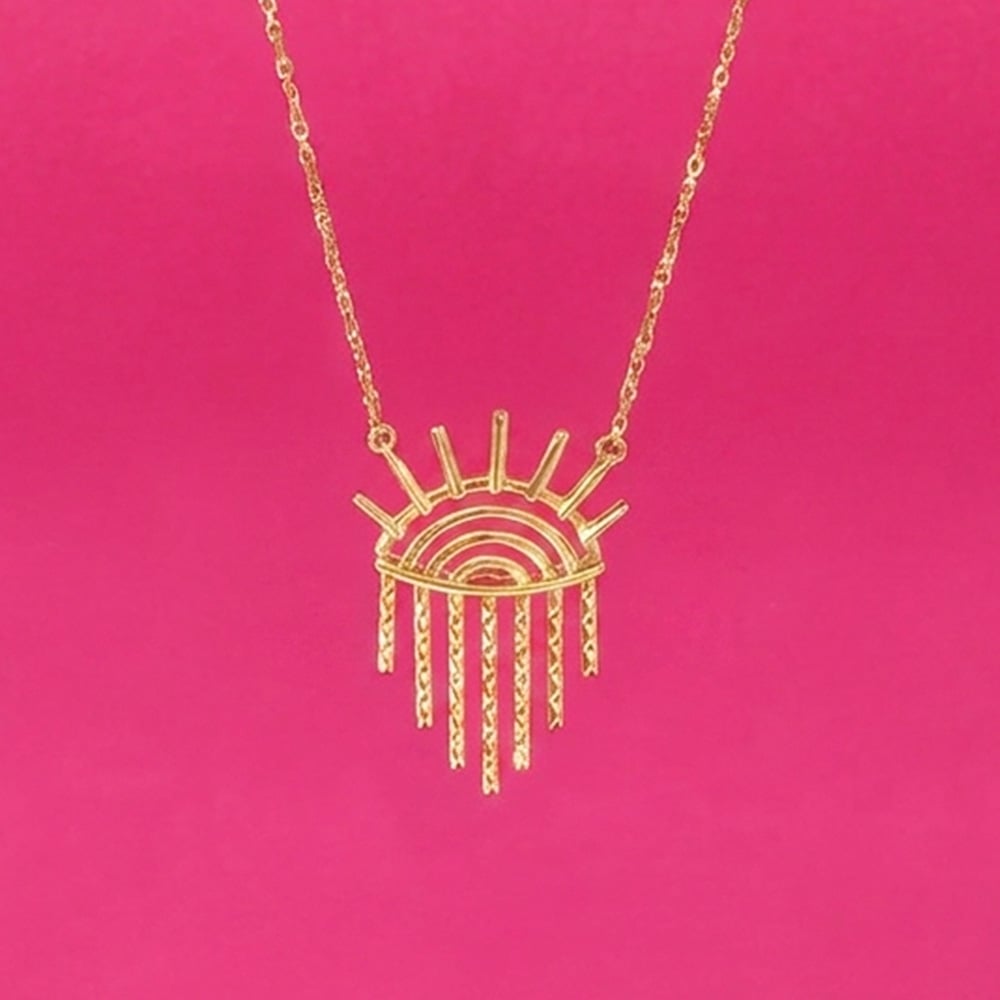
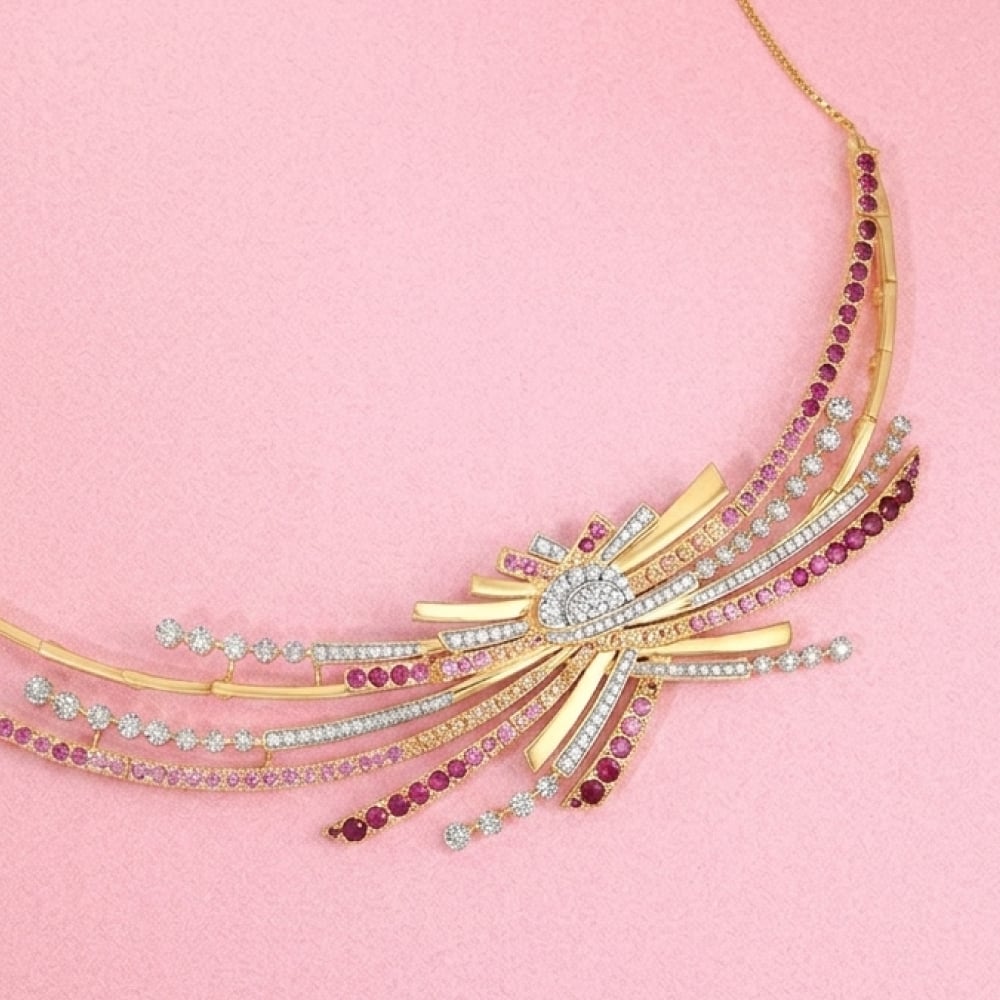
Traditionally associated artistry is being reinterpreted to appease the modern visionary, and in all the right ways! Temple jewellery, for example, is moving beyond traditional, heavy designs to include dainty filigree work, minimalist gold danglers, and gemstone chokers.
The new generation of jewellery designers here, at Mia by Tanishq, are blending traditional techniques with experimental strokes to create jewels, both historically-inspired and globally ‘in’.
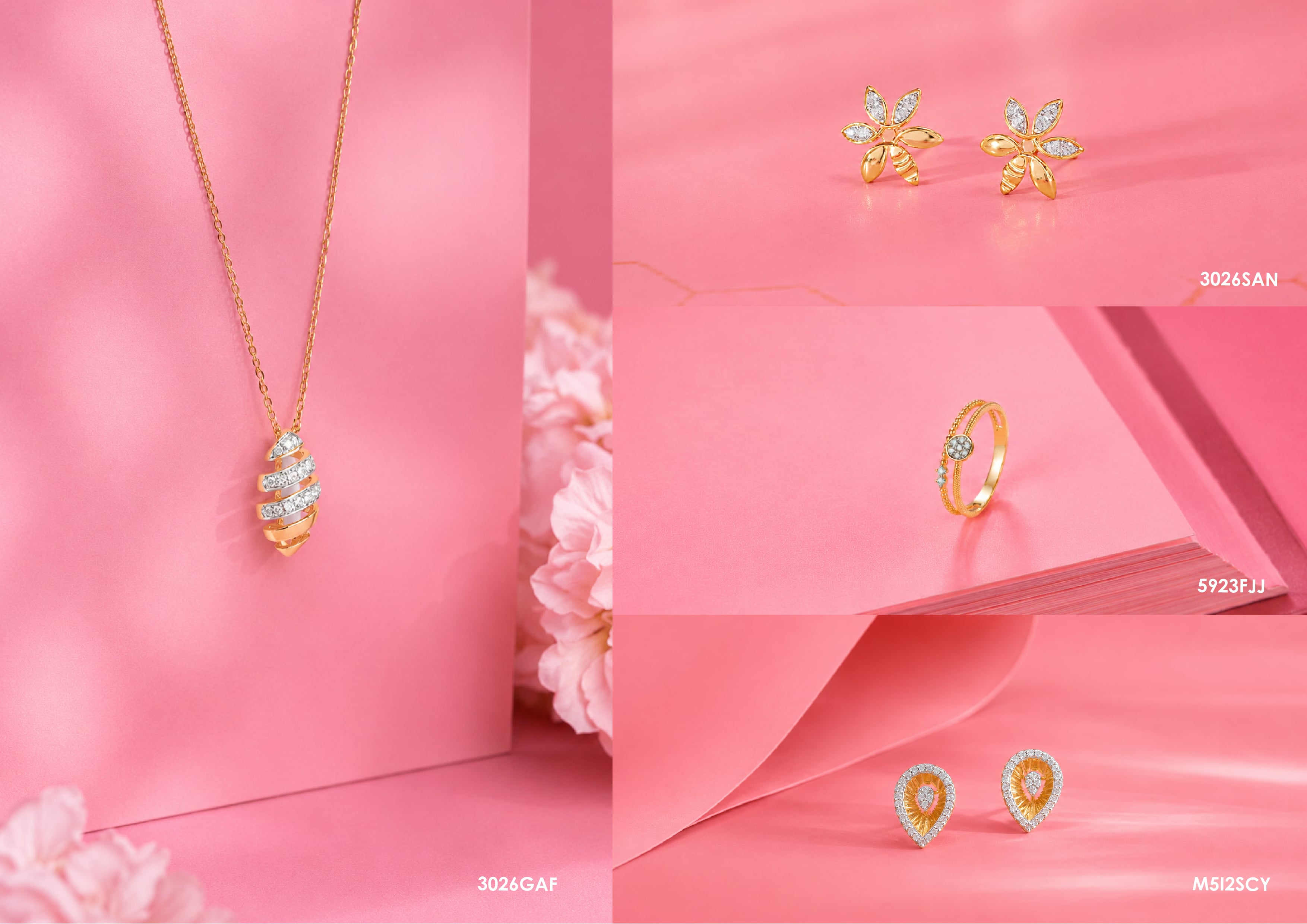
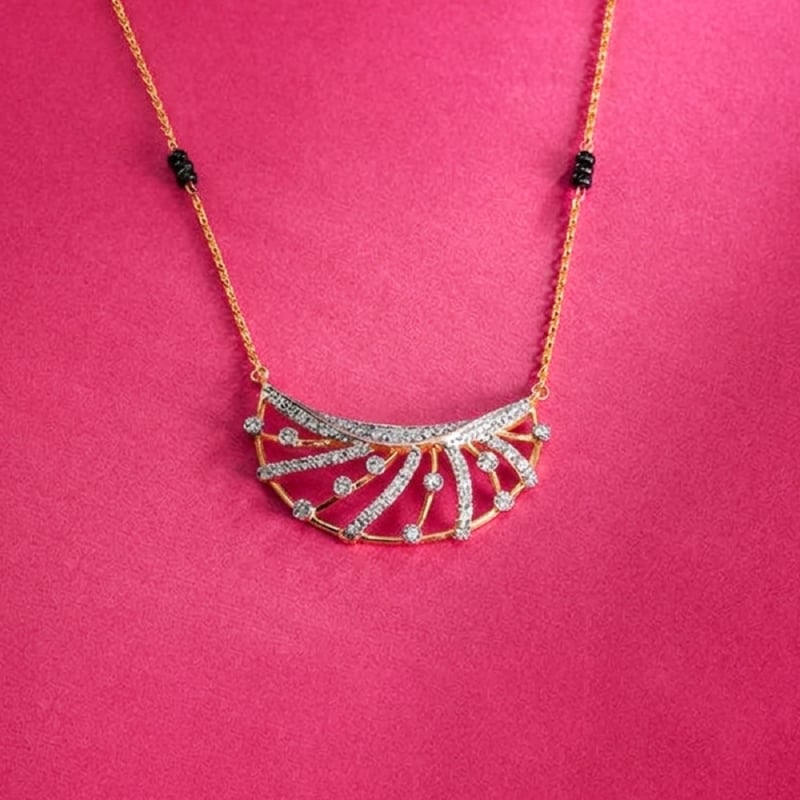
An example would be that of the anciently existing 'arch' architecture, symbolically viewed as a visual declaration of majesty, power, and cultural identity. This defining element of palaces has now been reimagined in jewellery form, appearing as carved structures and sleek, symbolic forms.
3. The Jhumka Impact
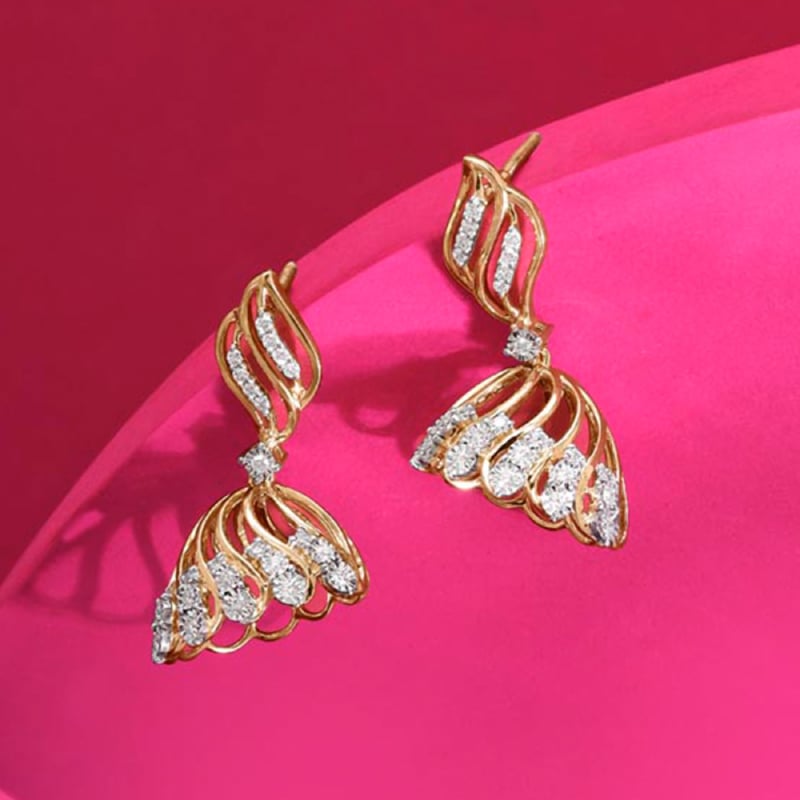
Jhumkas and chandbalis are popularly recognised earrings from India, dominating global platforms for a while now. From being the go-to jewellery for Coachella looks to serving as versatile, powerful accents that go beyond costumes, jhumkas have seen a shift, and how!
They're not just traditional bridal pieces anymore, but a 'desi fashionista favourite' and the perfect sparkling cocktail of style, culture, and dazzle!
4. The Navratna Magic
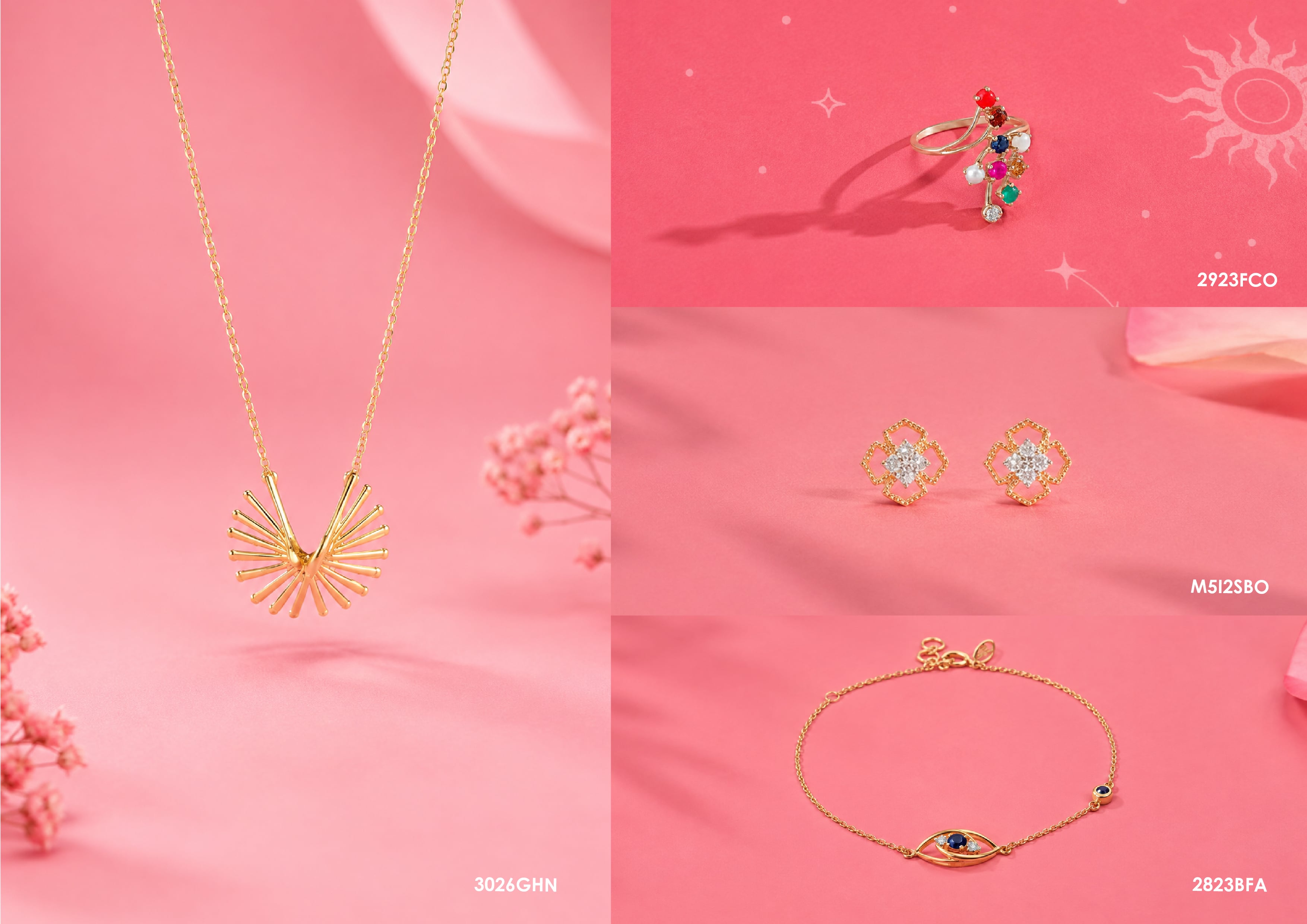
The Navratna magic originated in ancient India and was immediately and widely adopted by Mughal, Rajput, and Nizam courts. These 9 gemstones were the ruby, pearl, red coral, emerald, yellow sapphire, diamond, blue sapphire, hessonite, and cat's eye.
They were arranged in a defined, symmetrical pattern mirroring the Nine Planets or Navagrahas. The gems symbolised everything, from cosmic power to artistry that transcended ages.
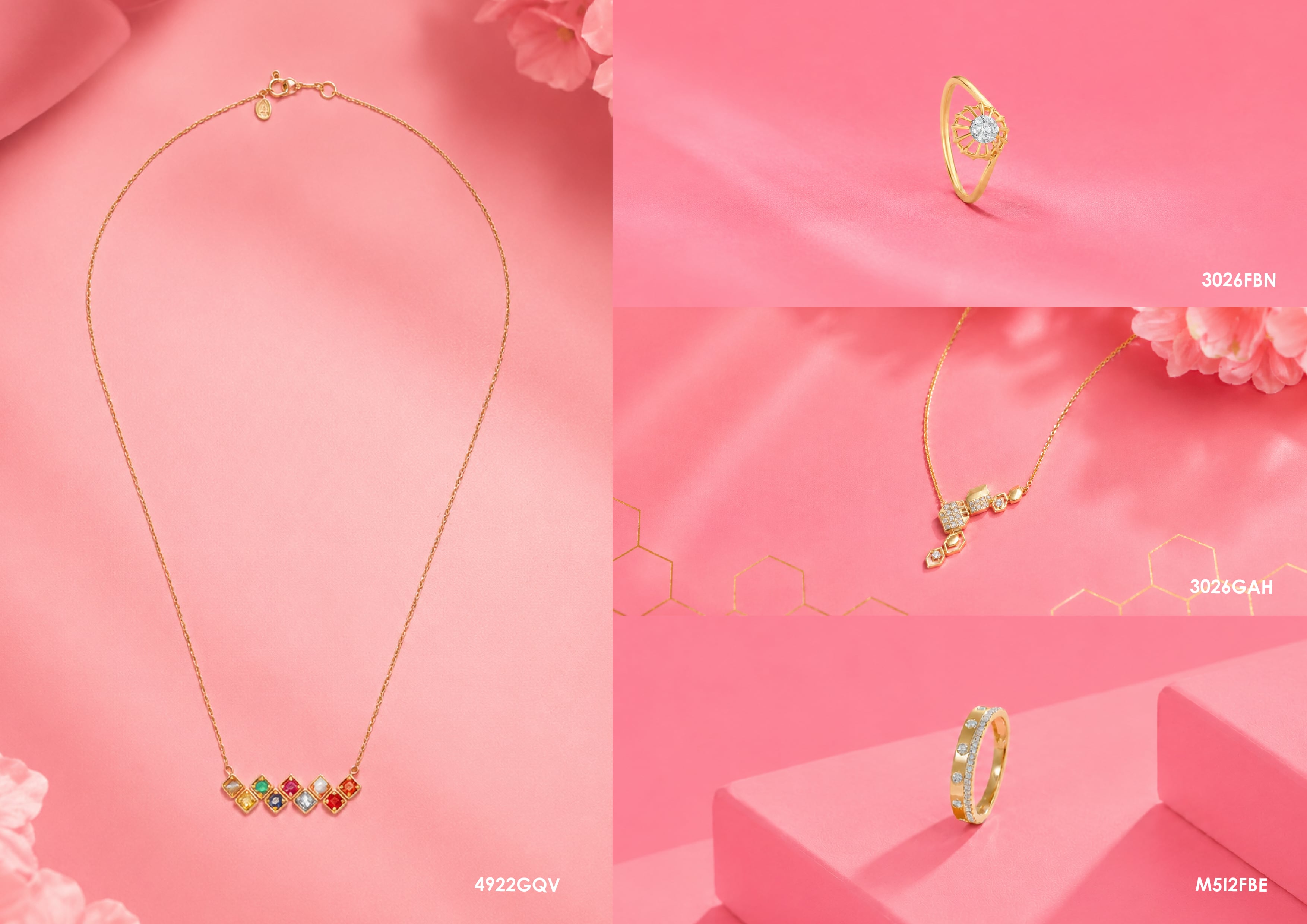
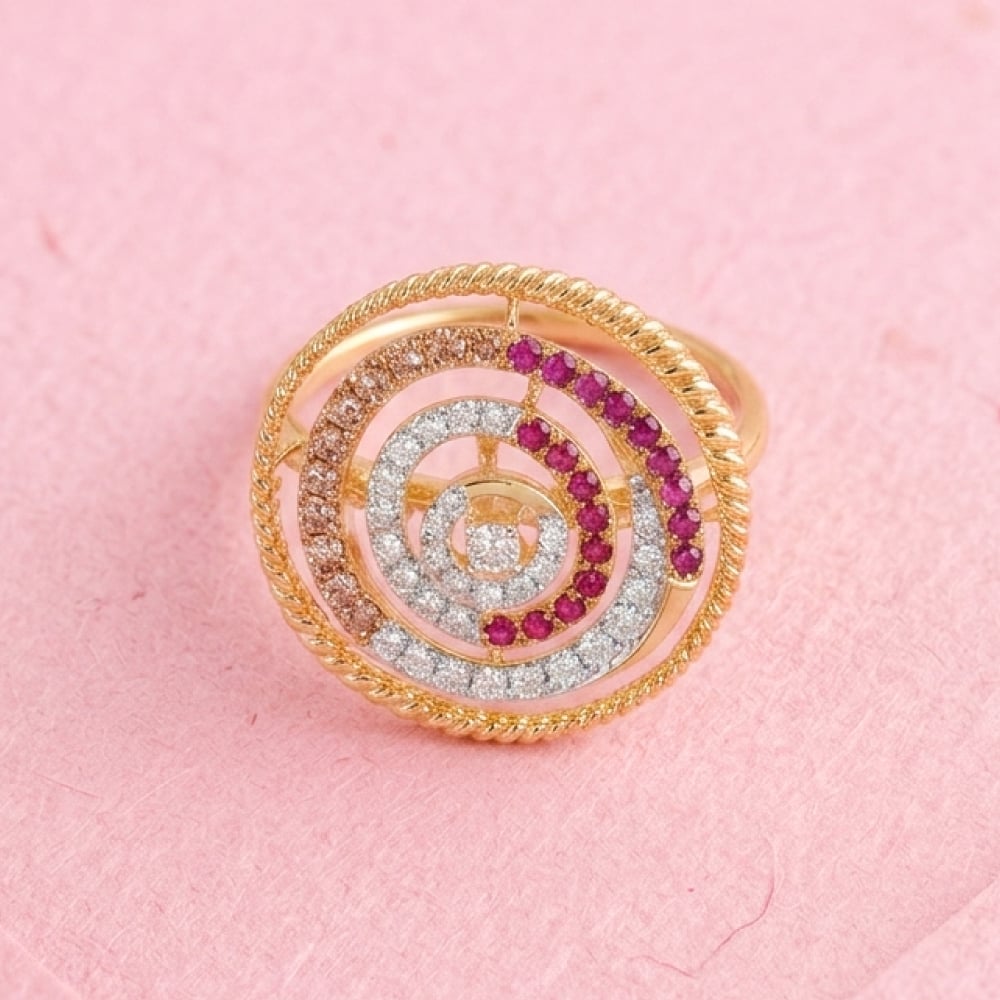
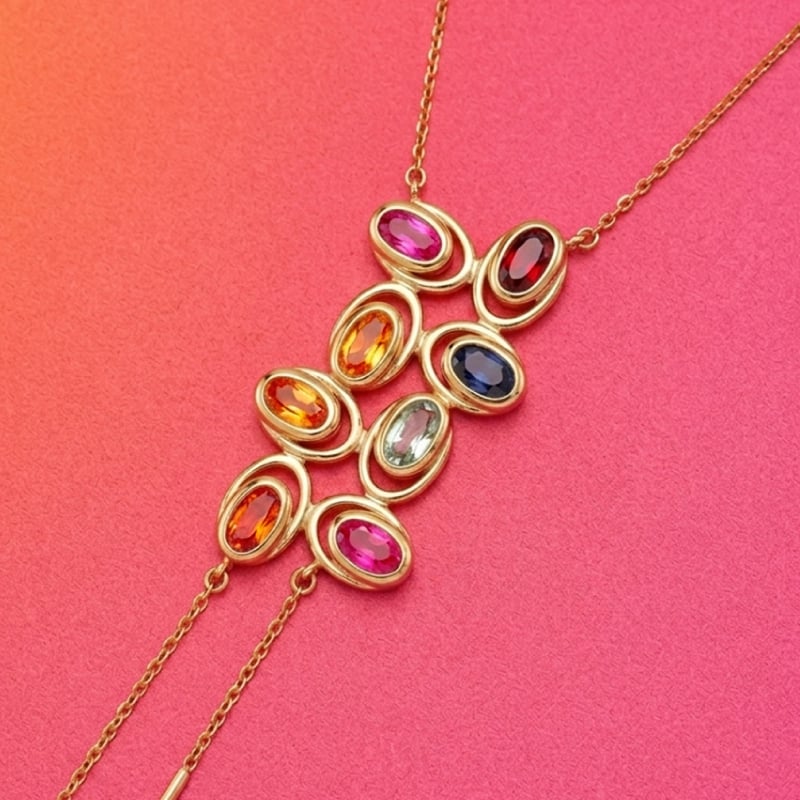
Today, modern Indian gemstone jewellery features the navratna hues in sleek and elegant moulds, perfect for adding a pop of colour to daily wear. With us, at Mia by Tanishq, explore a range of Indian necklaces, earrings, and rings featuring the navratna twist. Paint your looks with cultural intention and a knack for personalised style.
5. The Art of ‘You’
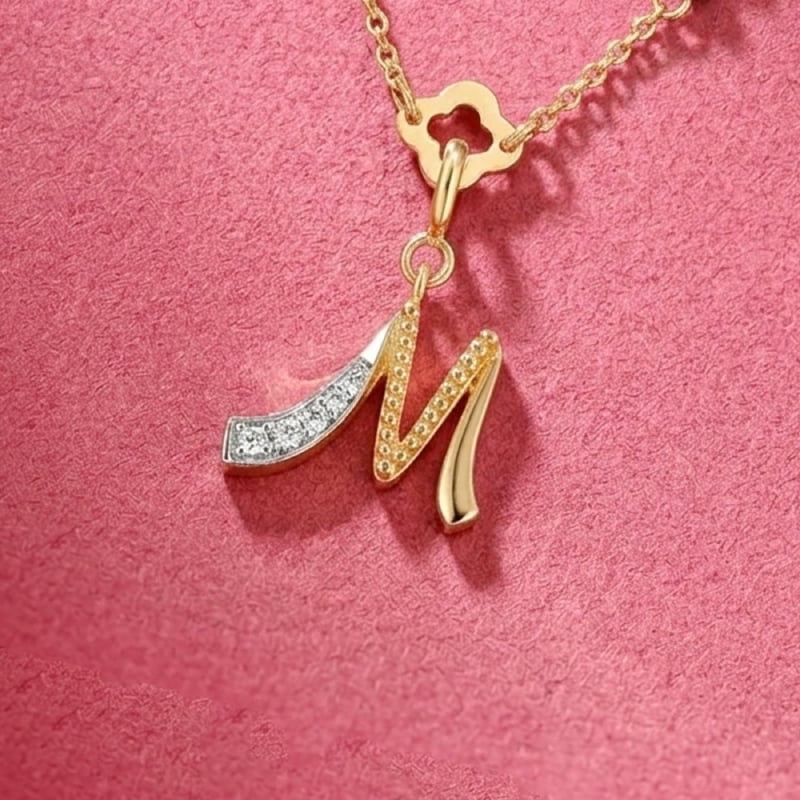
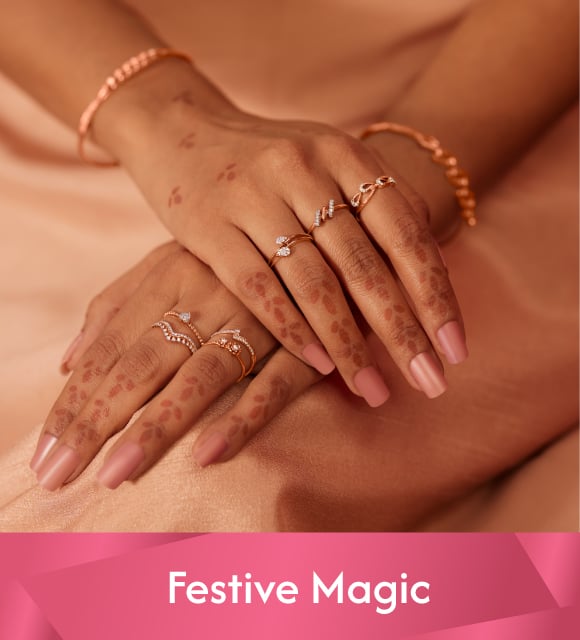
The modern world emphasises meaningful jewellery, with trends focusing on personalised stacking approaches. You're letting 'you' shine with your picks of necklaces, earrings, bracelets, or rings. Arrange the vintage piece next to an abstract design; thus, combine the 'rare find' with the designated 'modern muse'.
The year 2026 is all about breaking moulds and doing ‘you’. It’s the motto that allows for your deepest longings to take foreground in artistic form.
6. Impact of Pop Culture Sensation
This year, American singer Lara Raj turned heads at the 68th Grammy Awards, topping her look with a statement maang tikka and a delicate Om pendant.
While claiming her Tamil roots, there’s also an unmistakable influence of the Western Red-carpet aesthetic traced. This mash-up has inspired fashionistas around the world to reclaim their cultural elements. It’s why the royal-court trends are resurfacing like never before!
Does all that inspire you to level up your style game? We simply have to buckle up as you truly do 'you' this season of life!
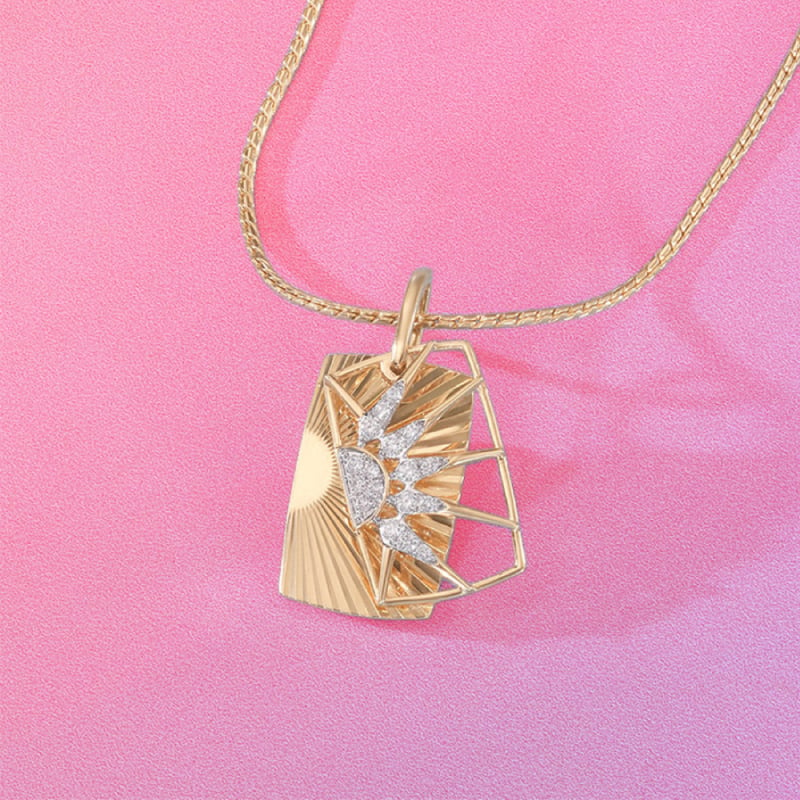
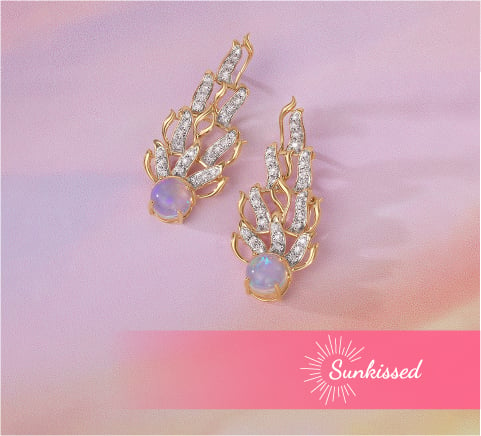
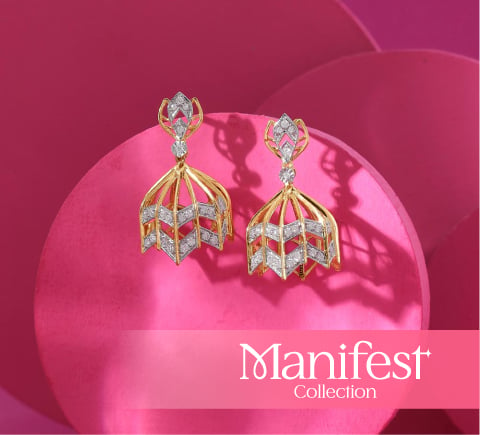
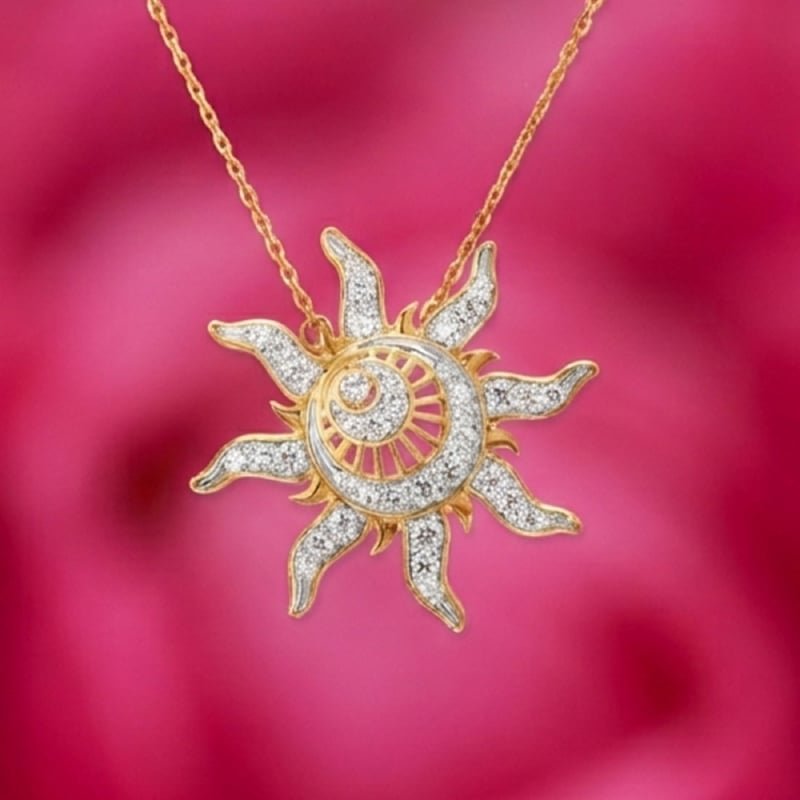
Check out our Manifest Collection to indeed manifest your most iconic drip to reality. And if you’re looking for summer-coded accents rooted in culture, explore the trendy, sunny motifs in our Sunkissed Collection.
What are the Popular Indian Jewellery Styles Reshaping the New Era?
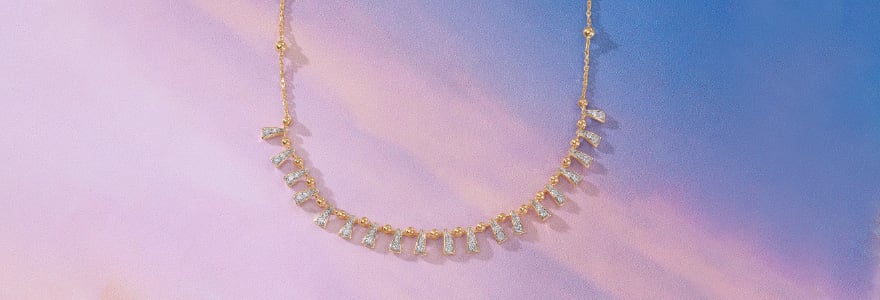 Popular Indian jewellery categories in the new era are focused on blending traditional vibes with modern comfort. The emphasis naturally rests on lightweight designs, sustainable recycled materials, and gender-fluid aesthetics.
Here are the key trendy jewellery categories to look out for in 2026:
1. Neo-Heritage Mash-ups
The traditionally popular Kundan, Meenakari and Temple jewellery pieces are redesigned to be lightweight to make them more suited to the daily tread. You can thus pair them with modern outfits like evening A-line gowns or power blazers.
2. Minimalist & Functional Jewellery
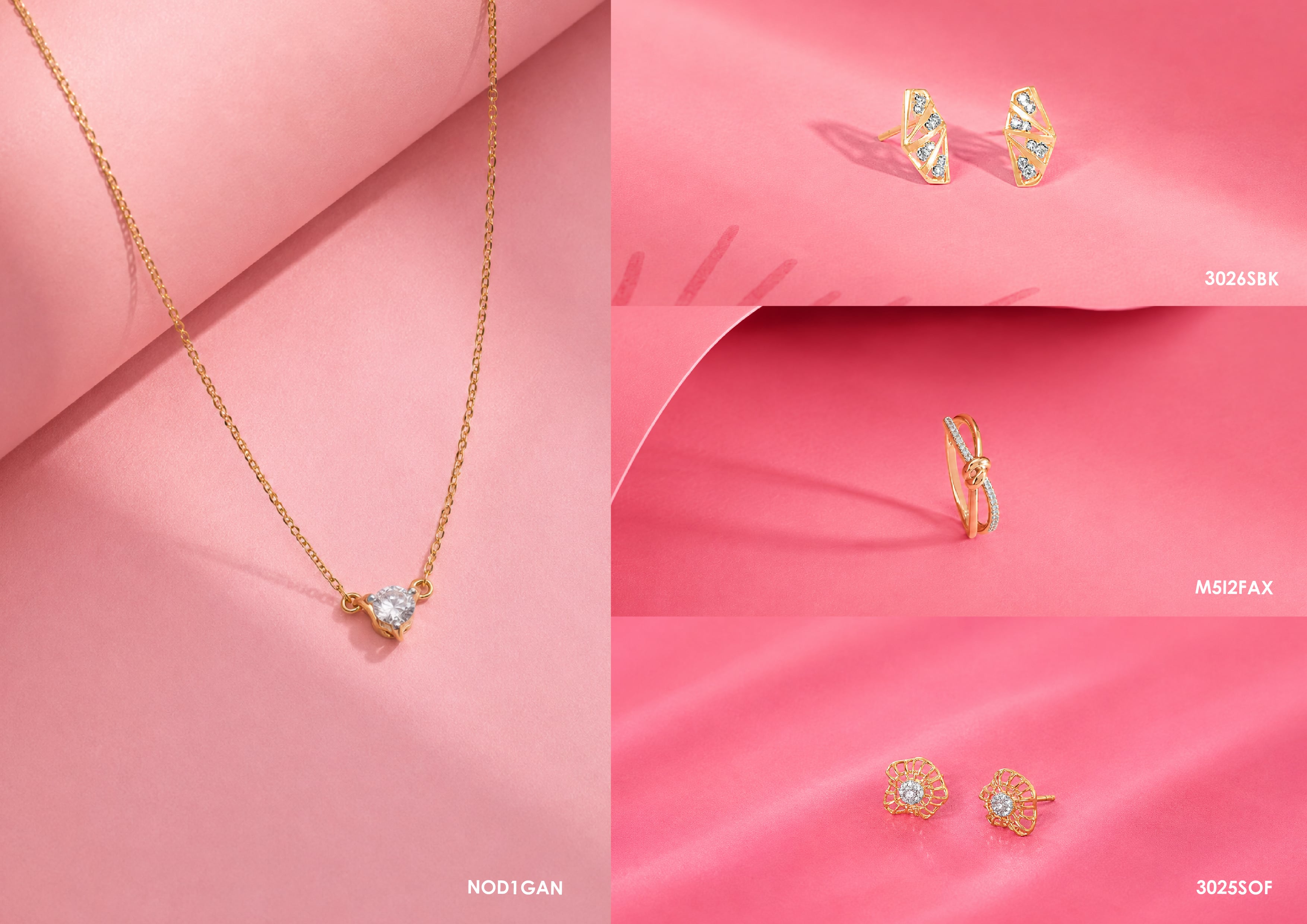
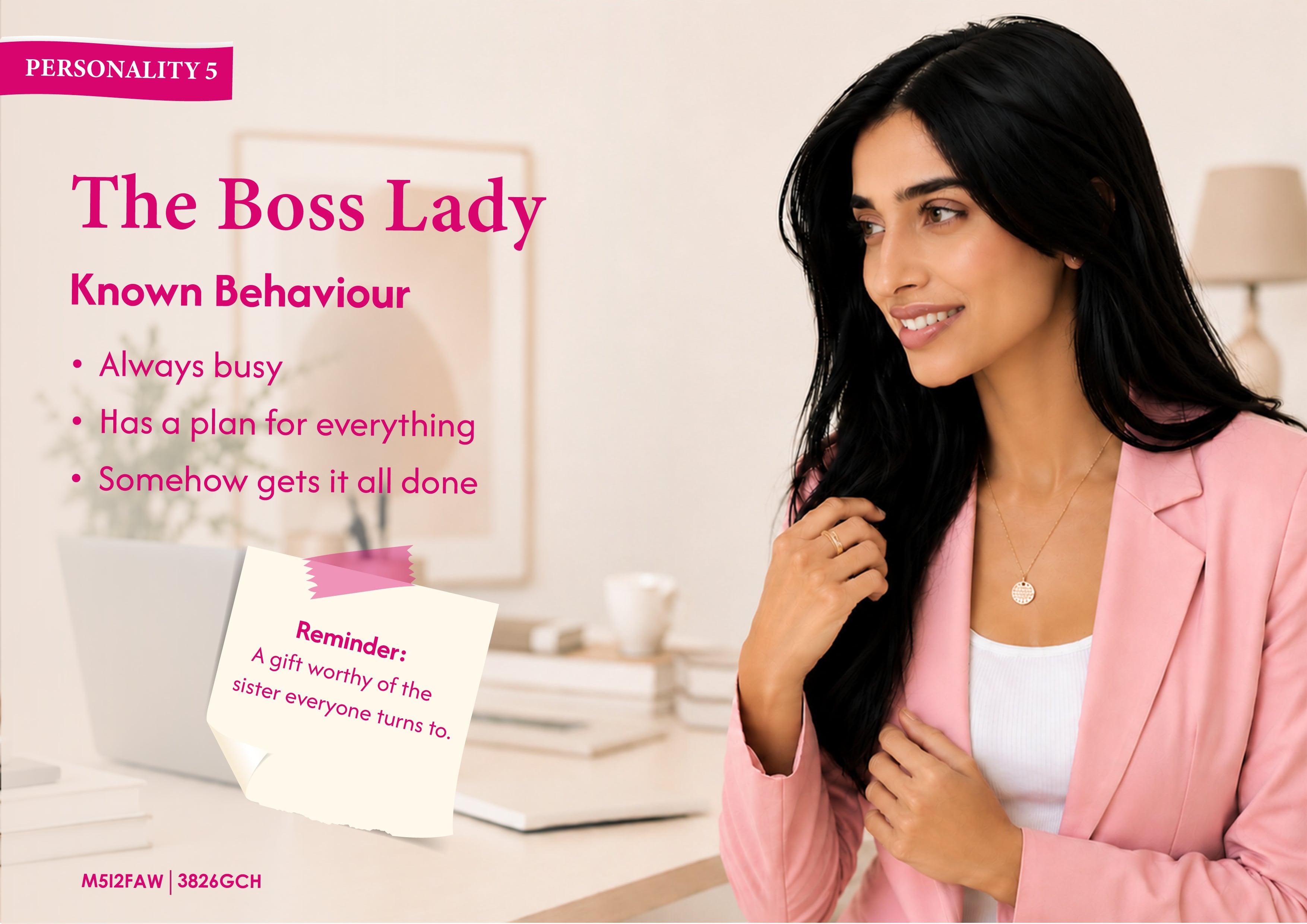
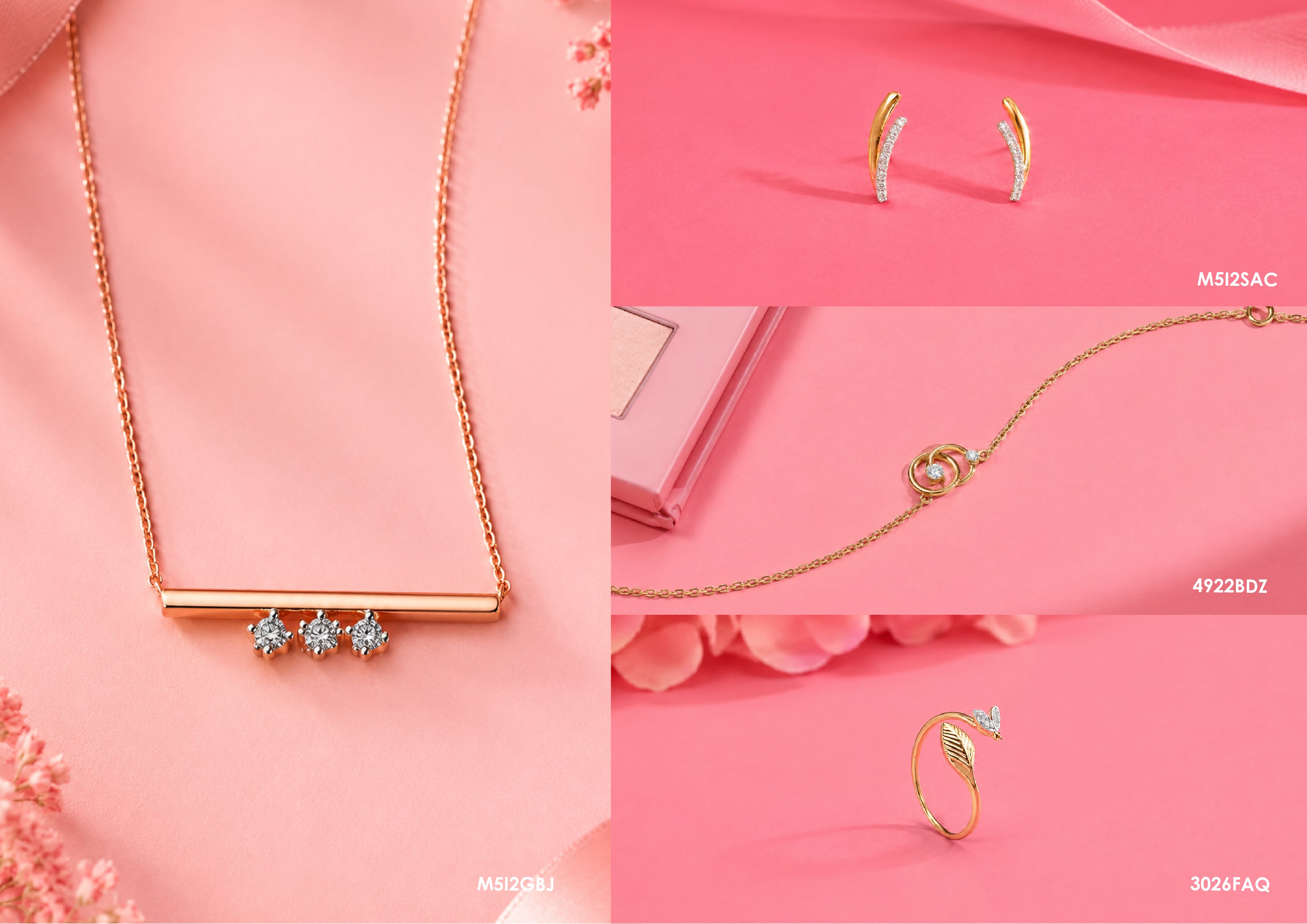
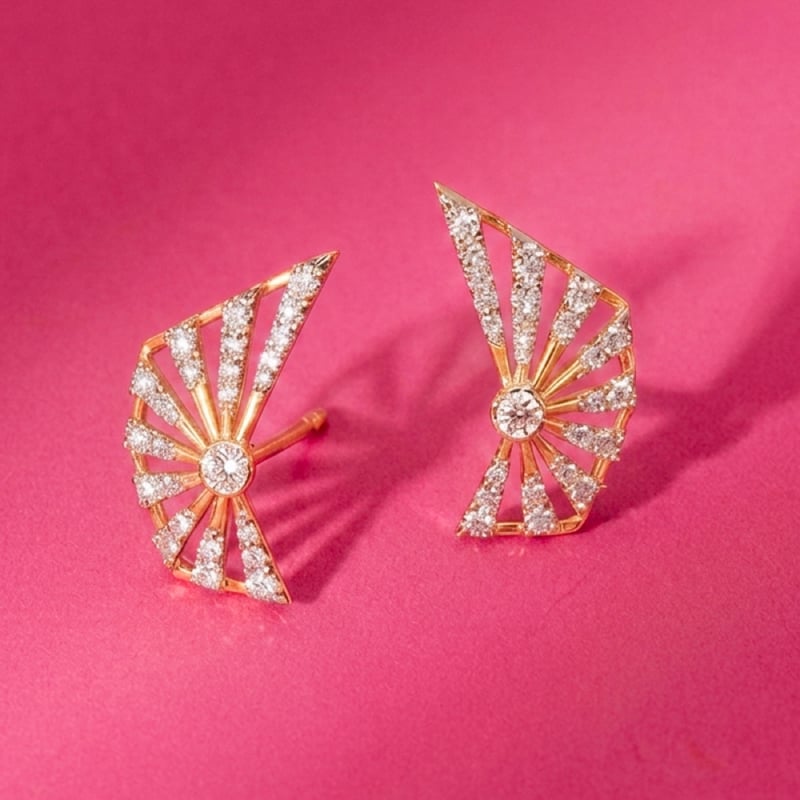
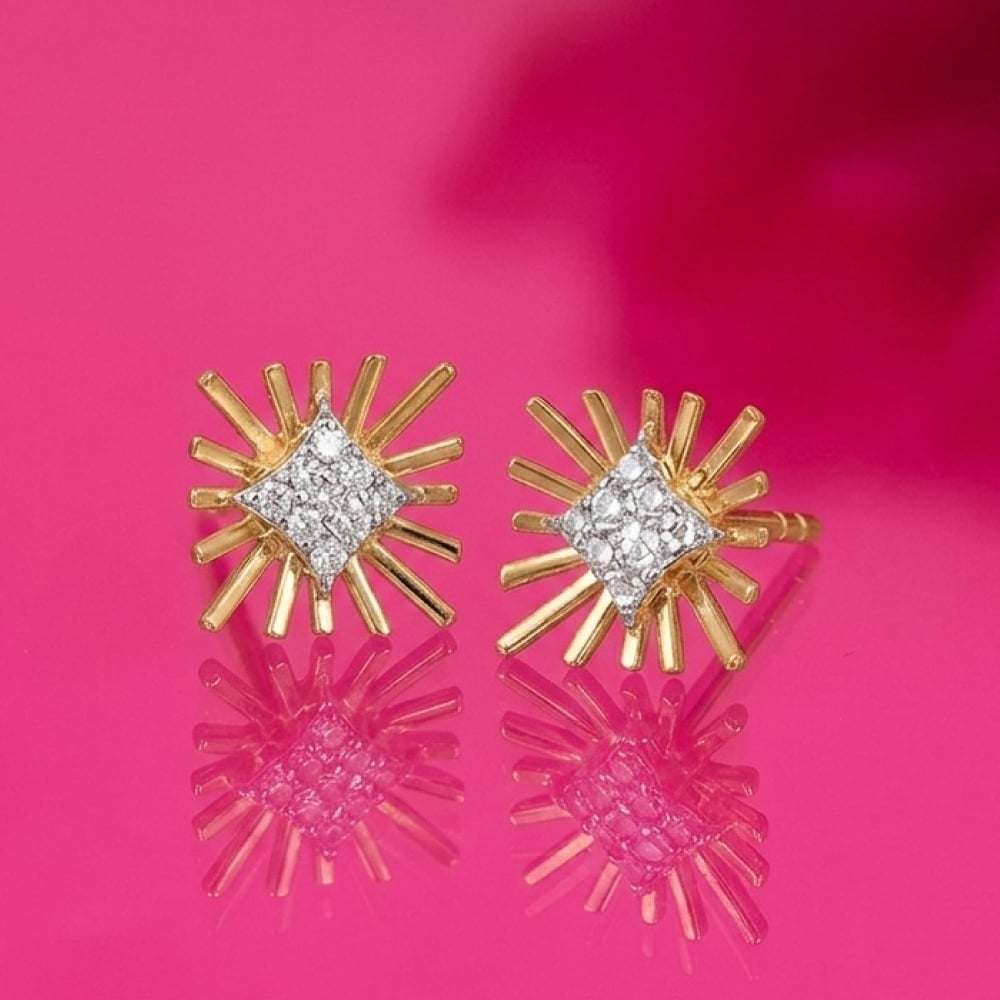
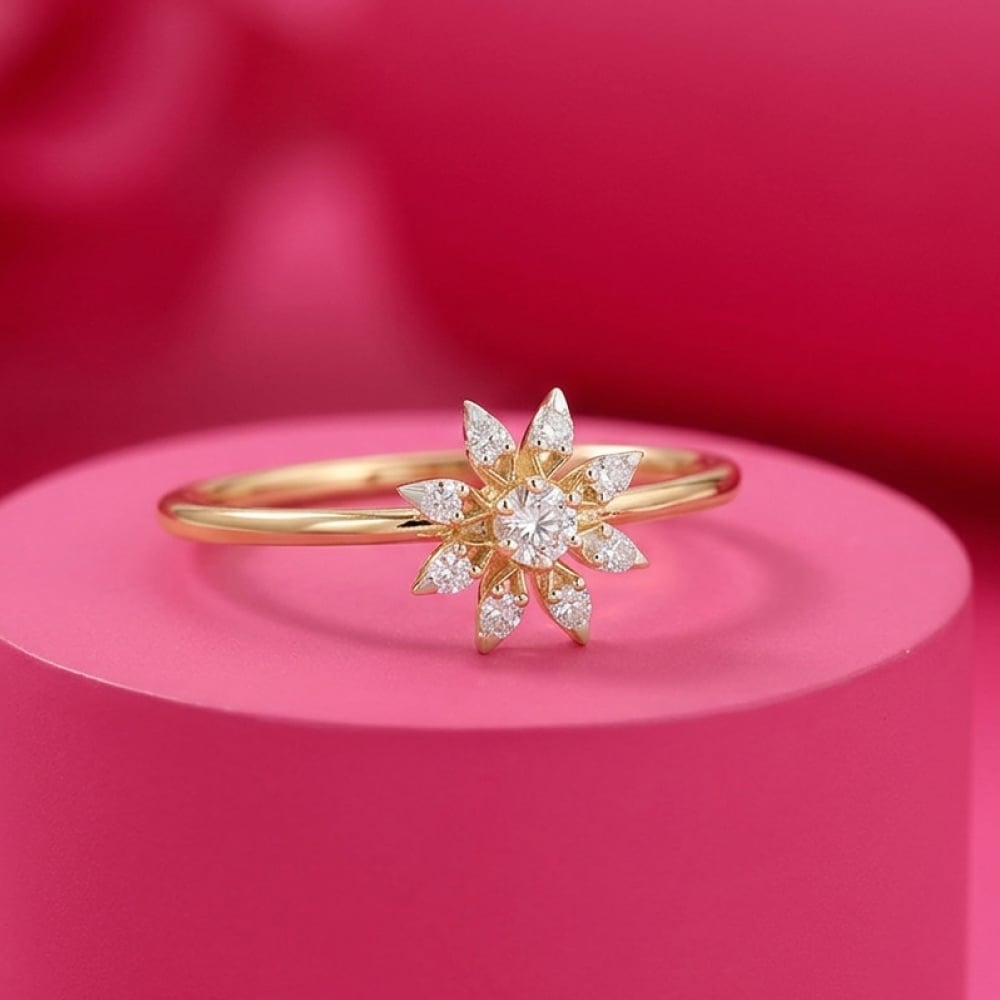
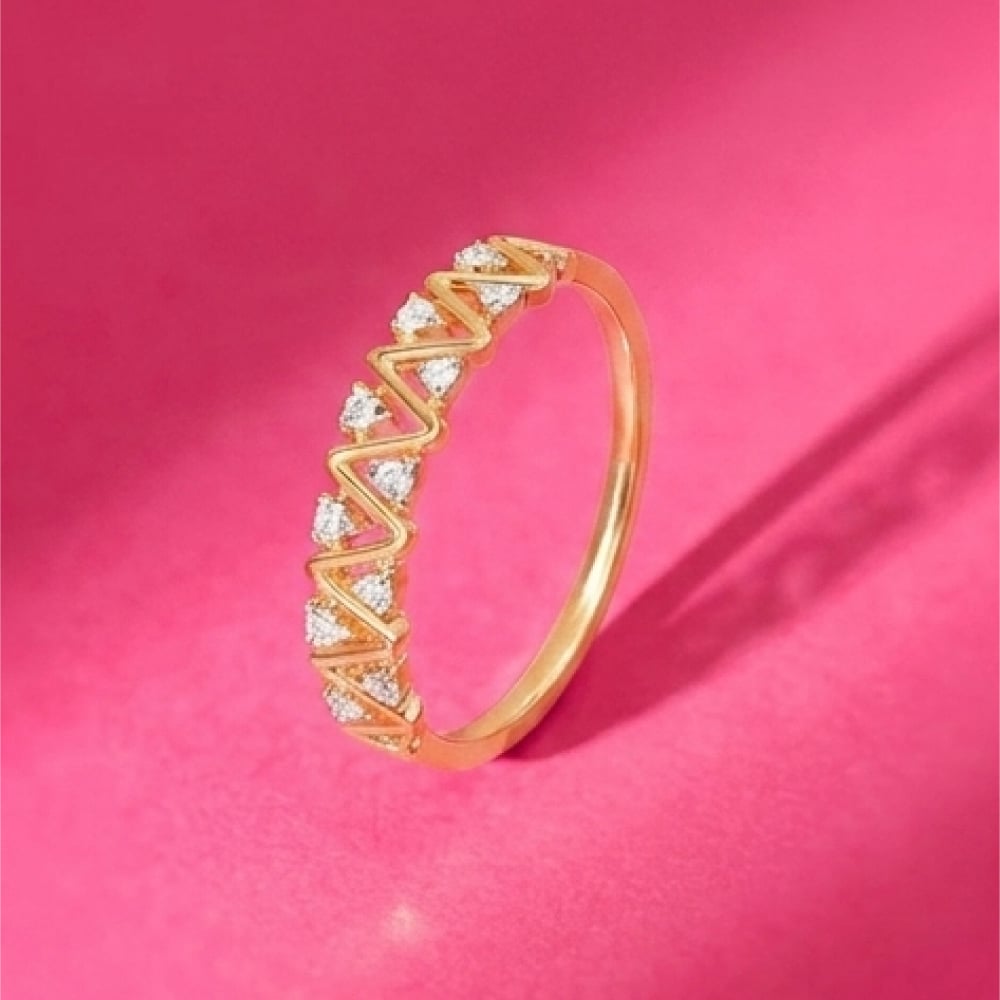
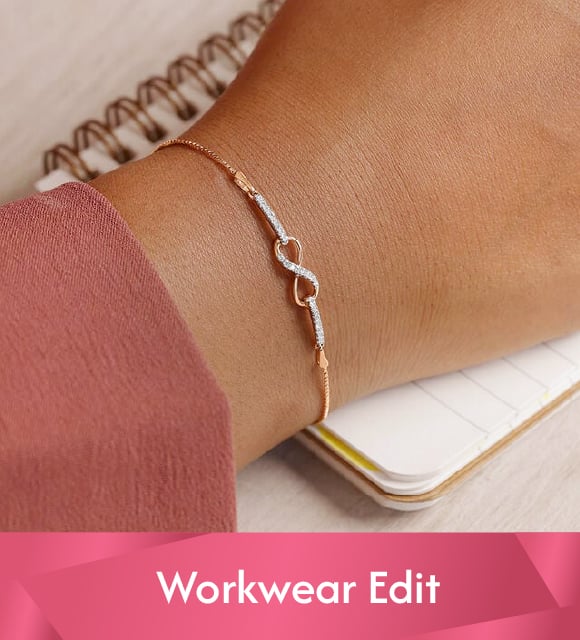
When you think of workwear, you immediately visualise clean lines, sleek angles and preferably, a sparkling ‘cherry on top’! Fashionistas are loving simple, geometry-inspired diamond-studded designs for their versatility. Such jewels allow a seamless transition from work to casual mode.
3. Statements, Anchor Pieces & Maximalism
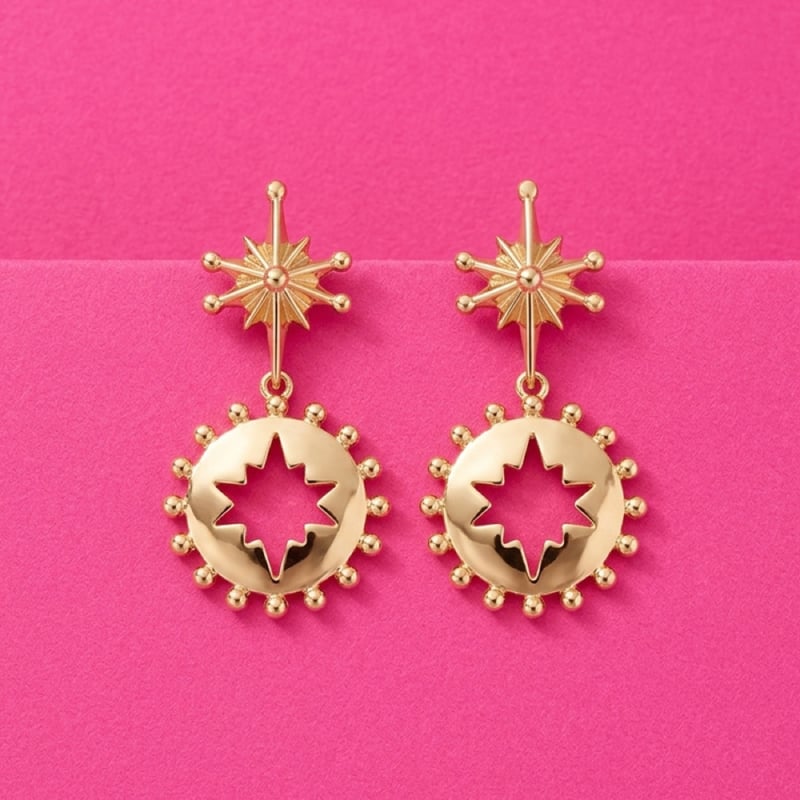
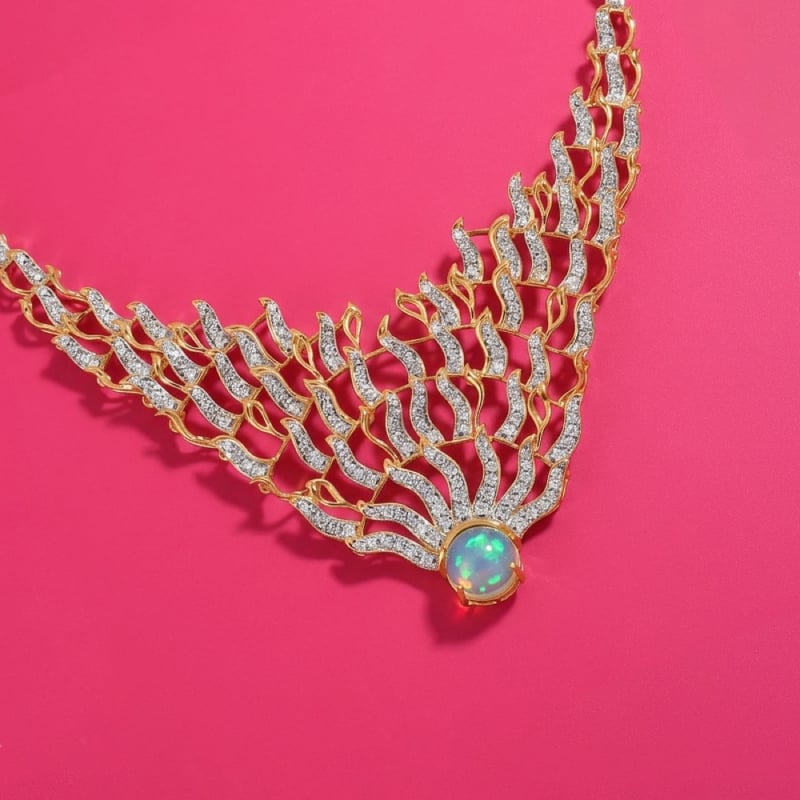
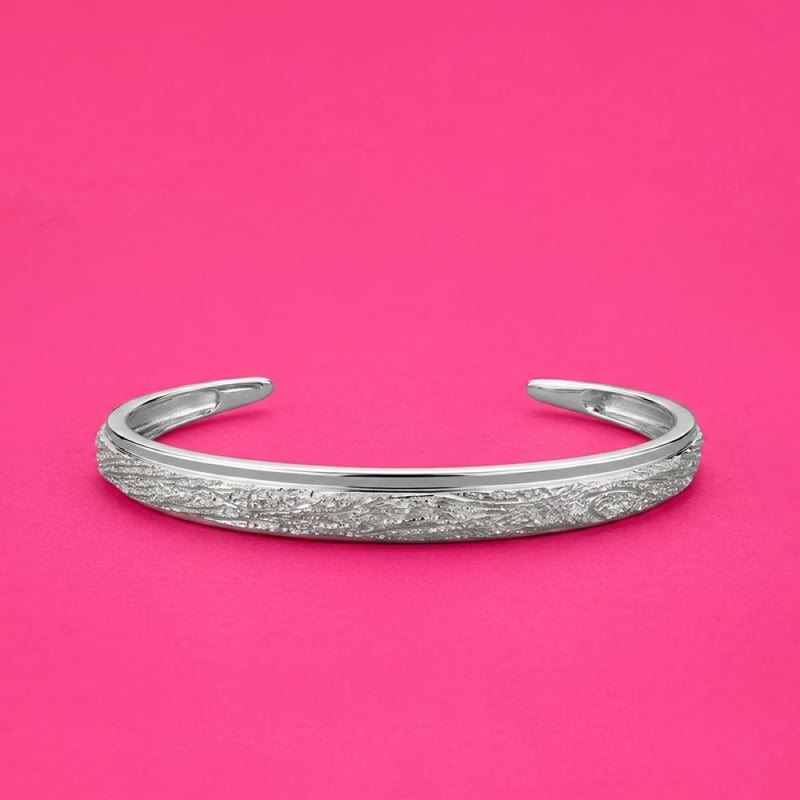
Intricate drop earrings, choker necklaces, statement cuffs, and baroque pearls are super popular for a reason. They're predicted to take over bridal and festive wear this year. The fear of ‘doing more’ has subsided in favour of the notion of ‘keeping it real’. If you’re about all that razzle-dazzle, so be it!
4. Gender-Neutral Approach to Modern Jewellery
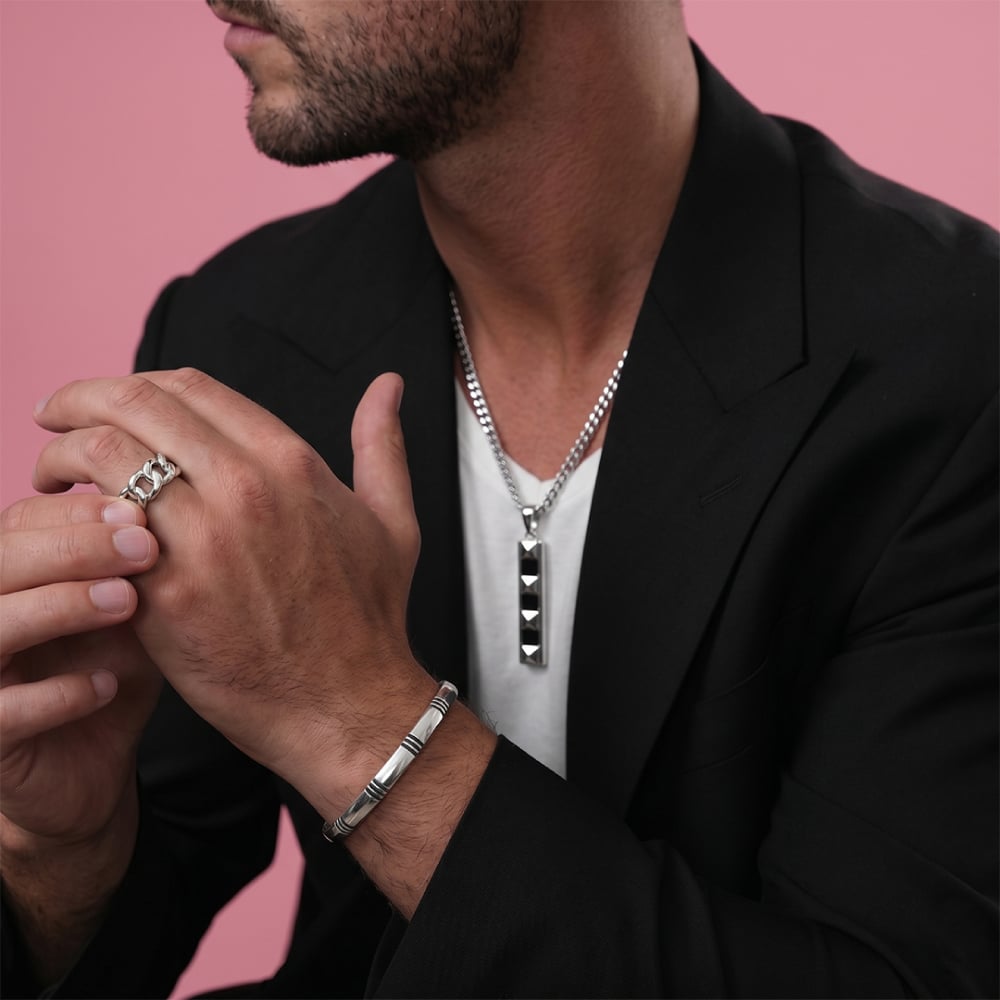
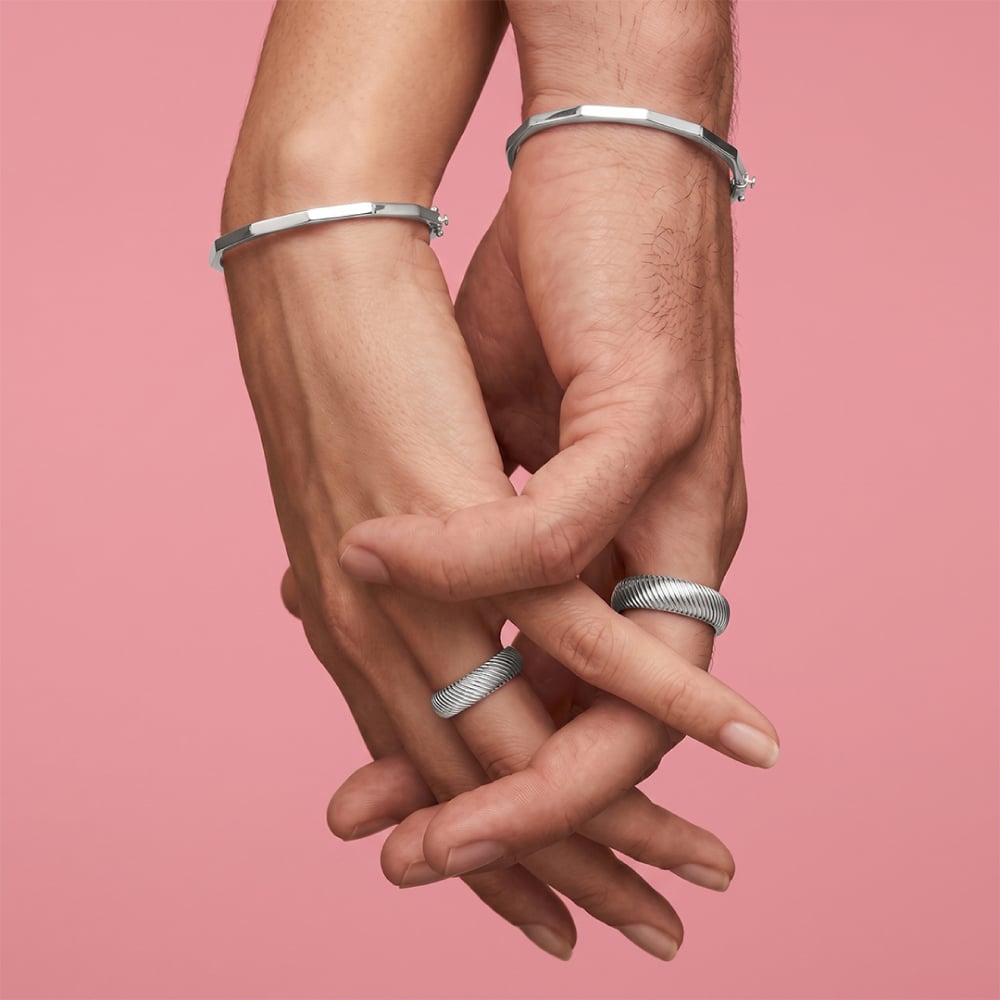
Modern Indian jewellery is becoming less exclusive. It’s going back to its roots, through its interpretations of sleek, bold gold designs and mixed-metal pieces.
Mughal and Rajput kings or maharajas wore heavy necklaces, malas or strings of diamonds, emeralds, and pearls, earrings and armlets. They also resorted to bejewelled turbans, called sarpech or kalgi. Byzantine rulers wore embellished gold bracelets and earrings.
Rulers based in Europe during the Middle Ages wore statement gold chain collars, rings, and even hat jewels. With all that history about men's adornments, it only makes sense for modern pieces to be more fluid, easy to style by all!
5. Sustainable & Conscious Picks
We, at Mia by Tanishq, use recycled gold to produce our jewellery. With a necessary shift towards sustainability and a conscious mindset for shopping, our use of ethically sourced materials was non-negotiable. You can now shop guilt-free for sparkle, investing in pieces that are ethically crafted to last!
Final Word
Indian jewellery designs continue to evolve, and it's clear that the industry has now truly come of age. The new era can be marked by a perfect blend of tradition and modernity. It’s where ancient craftsmanship meets contemporary aesthetics.
At Mia by Tanishq, we are constantly inspired by the royal history of Indian jewellery. Thus, we're experimenting with bold styles, innovative techniques, and sustainable practices. Our goal is to offer our Mia audiences the fashion freedom they yearn for, to express their sparkling selves.
Each jewellery piece tells a story, detangled from the shackles of heavy moulds and uncomfortably stiff placements. We're dedicated to binding together India's rich cultural heritage with modern sensibilities.
From royal courts to global runways, Indian jewellery design makes a statement, reflecting the essence of traditional art while embracing the dynamism of internationally appealing trends.
The result, of course, is a vibrant, soulful, eclectic, and distinctive fashion-forward landscape that's captivating the world! So, come, shop, and live the dazzling magic.
Popular Indian jewellery categories in the new era are focused on blending traditional vibes with modern comfort. The emphasis naturally rests on lightweight designs, sustainable recycled materials, and gender-fluid aesthetics.
Here are the key trendy jewellery categories to look out for in 2026:
1. Neo-Heritage Mash-ups
The traditionally popular Kundan, Meenakari and Temple jewellery pieces are redesigned to be lightweight to make them more suited to the daily tread. You can thus pair them with modern outfits like evening A-line gowns or power blazers.
2. Minimalist & Functional Jewellery
When you think of workwear, you immediately visualise clean lines, sleek angles and preferably, a sparkling ‘cherry on top’! Fashionistas are loving simple, geometry-inspired diamond-studded designs for their versatility. Such jewels allow a seamless transition from work to casual mode.
3. Statements, Anchor Pieces & Maximalism
Intricate drop earrings, choker necklaces, statement cuffs, and baroque pearls are super popular for a reason. They're predicted to take over bridal and festive wear this year. The fear of ‘doing more’ has subsided in favour of the notion of ‘keeping it real’. If you’re about all that razzle-dazzle, so be it!
4. Gender-Neutral Approach to Modern Jewellery
Modern Indian jewellery is becoming less exclusive. It’s going back to its roots, through its interpretations of sleek, bold gold designs and mixed-metal pieces.
Mughal and Rajput kings or maharajas wore heavy necklaces, malas or strings of diamonds, emeralds, and pearls, earrings and armlets. They also resorted to bejewelled turbans, called sarpech or kalgi. Byzantine rulers wore embellished gold bracelets and earrings.
Rulers based in Europe during the Middle Ages wore statement gold chain collars, rings, and even hat jewels. With all that history about men's adornments, it only makes sense for modern pieces to be more fluid, easy to style by all!
5. Sustainable & Conscious Picks
We, at Mia by Tanishq, use recycled gold to produce our jewellery. With a necessary shift towards sustainability and a conscious mindset for shopping, our use of ethically sourced materials was non-negotiable. You can now shop guilt-free for sparkle, investing in pieces that are ethically crafted to last!
Final Word
Indian jewellery designs continue to evolve, and it's clear that the industry has now truly come of age. The new era can be marked by a perfect blend of tradition and modernity. It’s where ancient craftsmanship meets contemporary aesthetics.
At Mia by Tanishq, we are constantly inspired by the royal history of Indian jewellery. Thus, we're experimenting with bold styles, innovative techniques, and sustainable practices. Our goal is to offer our Mia audiences the fashion freedom they yearn for, to express their sparkling selves.
Each jewellery piece tells a story, detangled from the shackles of heavy moulds and uncomfortably stiff placements. We're dedicated to binding together India's rich cultural heritage with modern sensibilities.
From royal courts to global runways, Indian jewellery design makes a statement, reflecting the essence of traditional art while embracing the dynamism of internationally appealing trends.
The result, of course, is a vibrant, soulful, eclectic, and distinctive fashion-forward landscape that's captivating the world! So, come, shop, and live the dazzling magic.
Frequently Asked Questions
1. What are the trendy Indian jewellery designs for 2026?
Key Indian jewellery trends include elegant and sleek gold diamond jhumkas, sculptural and chunky anchor pieces, and minimalist everyday essentials like pendants and earrings. Tiered jewellery and vibrant gemstone pieces are also in.
2. Why is sustainable jewellery so popular?
Shoppers are increasingly valuing sustainable jewellery options as these eco-friendly picks do not contribute to the global environmental crisis. We, at Mia, make use of recycled gold and ethically sourced gemstones to support the cause.
3. How is temple jewellery evolving in 2026?
We're reimagining temple jewellery with modern twists, incorporating slim chains, sophisticated motifs, and dainty pendants. We make such traditionally relevant jewellery ultimately wearable for daily occasions.
4. What are the popular jewellery pieces for daily wear?
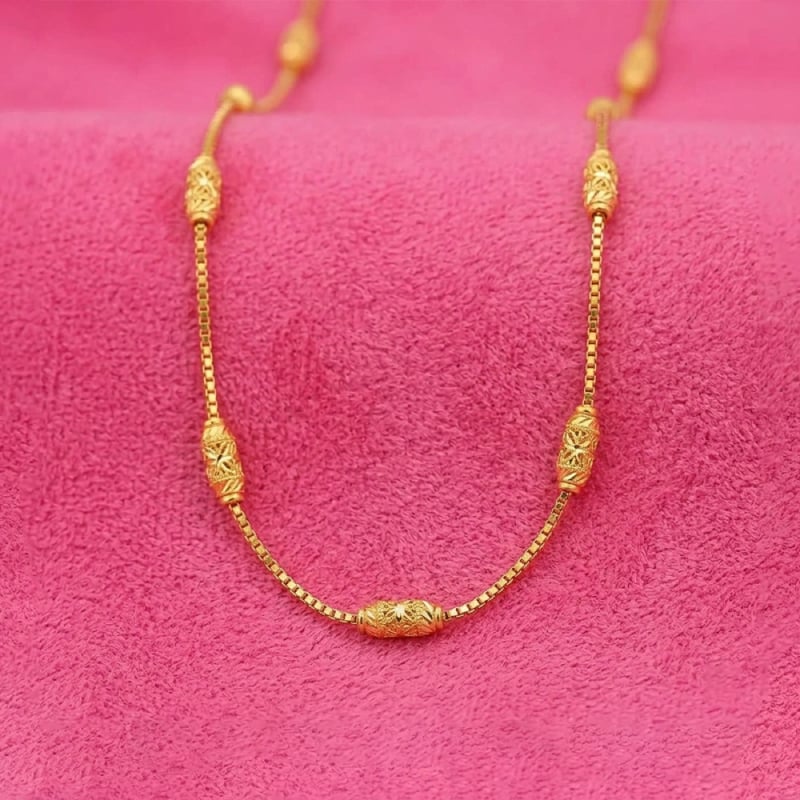
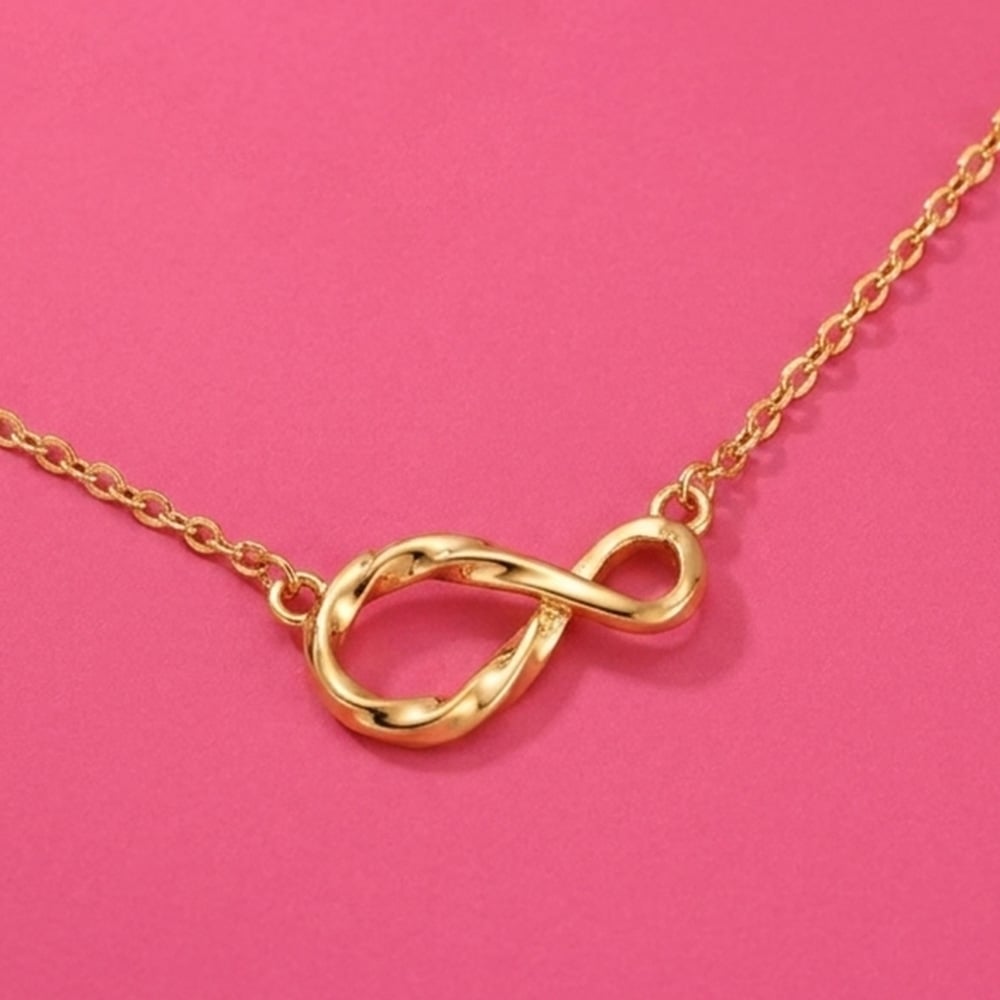
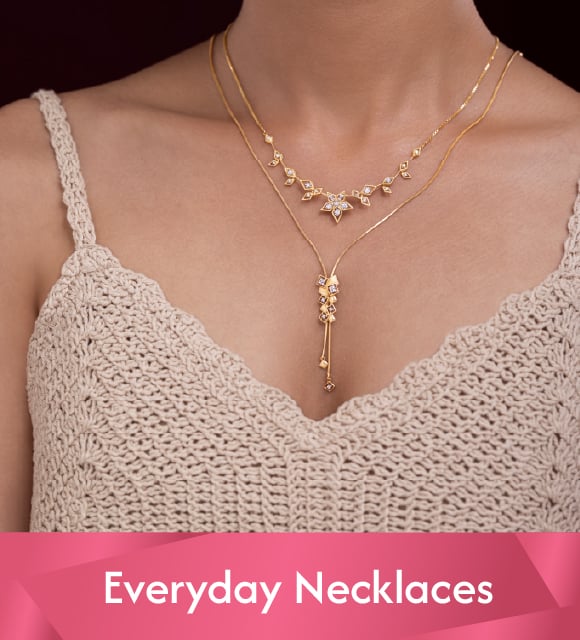
Minimalist gold chains, sleek hoops, small studs, and gemstone-studded rings are popular for daily styling for college, the office, and beyond.
5. How to style chunky gold jewellery effortlessly?
You can pair one bold jewellery piece with a neutral outfit so the former shines as the focus. Or, layer textures for an effortless, old-money look.
Stories you might also like




×