Get a Callback
We'll find it for you 💌
Obsessed with this piece? A Mia store expert will call you to help find it nearby.
You're all set!
A Mia store expert will call you shortly to help you find this piece at your nearest store.
Expect a call within 24 hoursDiscover similar or identical jewellery by uploading a picture.
Discover similar or identical jewellery by uploading a picture.
})
The file size should not exceed 5 MB
File size exceeds the limit









 Blogs & Articles
- Home
- Blogs & Articles
- Types of Rings: Meanings, Styles & Significance
11 Feb 2026

by Mia
11 Feb 2026
Read:
4 Mins
Spread the Fashion Love!


Be the first to see
Explore Mia’s latest jewellery collection, crafted to feel precious, every day!
The catalogue has been sent to you via email!
Be the first to see
Explore Mia’s latest jewellery collection, crafted to feel precious, every day!
The catalogue has been sent to you via email!
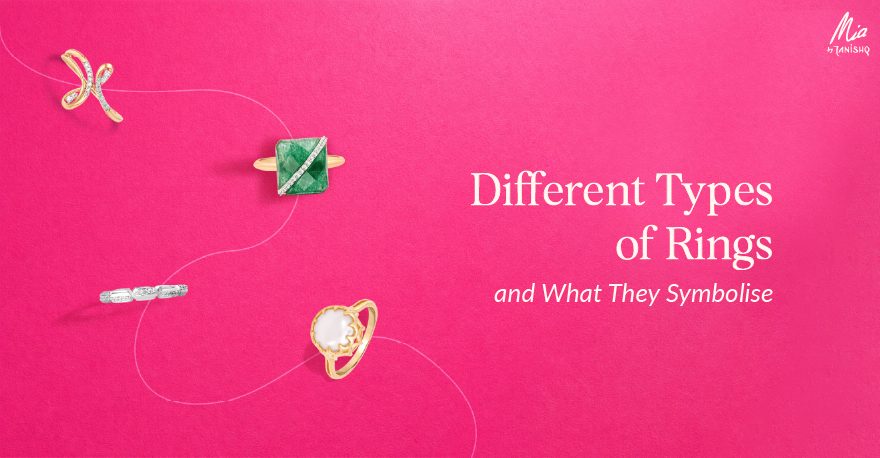

Different Types of Rings and What They Symbolise
A ring may be small, but the meaning it carries often runs deep. It can mark love, independence, a personal milestone, or simply reflect who you are at this point in life.
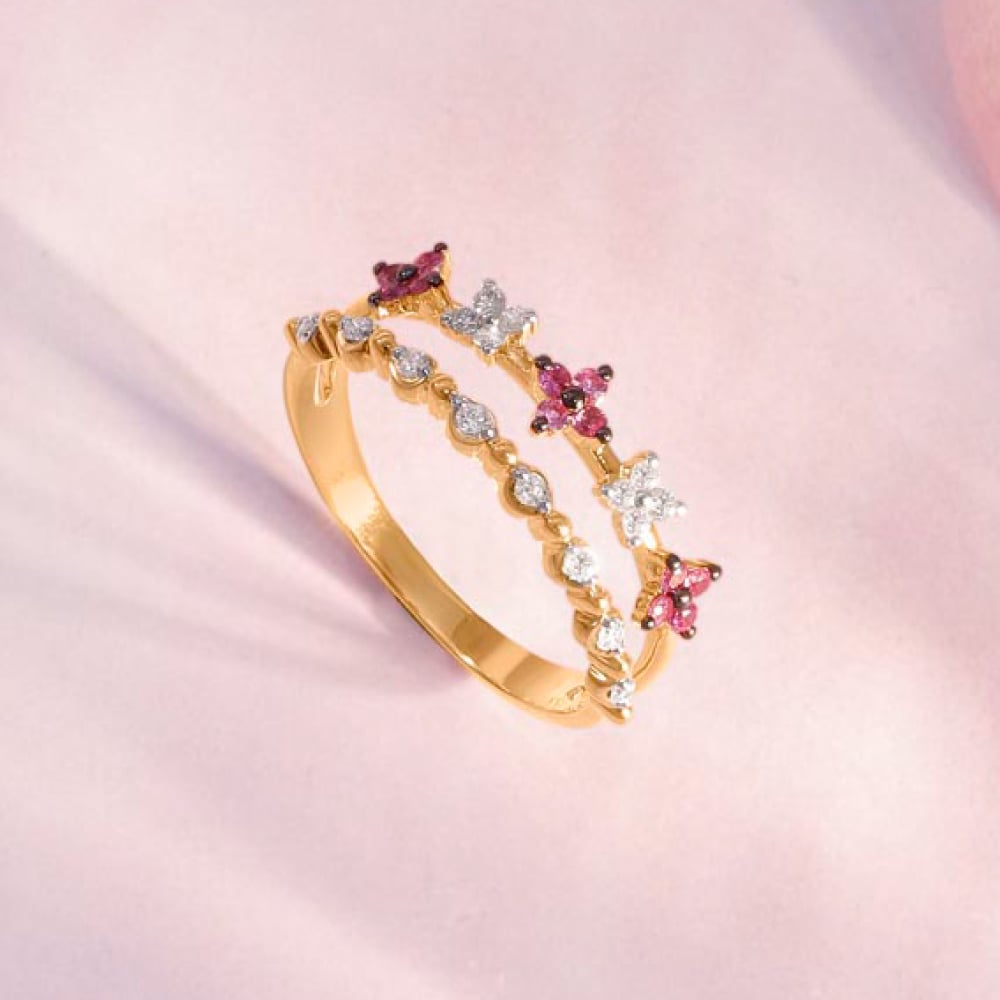
Today, rings are no longer reserved for big moments alone. Gold ring designs for occasions now move easily between everyday wear and meaningful milestones, becoming part of daily routines rather than waiting for special days. Understanding the different types of rings for women and what they symbolise helps make sense of how design, emotion, and wearability come together, especially when rings are meant to be worn often and cared for with ease.
Rings as Symbols, Not Statements
Across cultures and generations, rings have symbolised continuity, connection, and intention. Their circular form has long represented wholeness and eternity, but what makes rings especially personal is how closely they’re tied to everyday life.
Unlike other jewellery, rings stay with you through workdays, celebrations, quiet moments, and change. Over time, they stop feeling like accessories and become part of you.
Everyday Rings and Minimal Bands
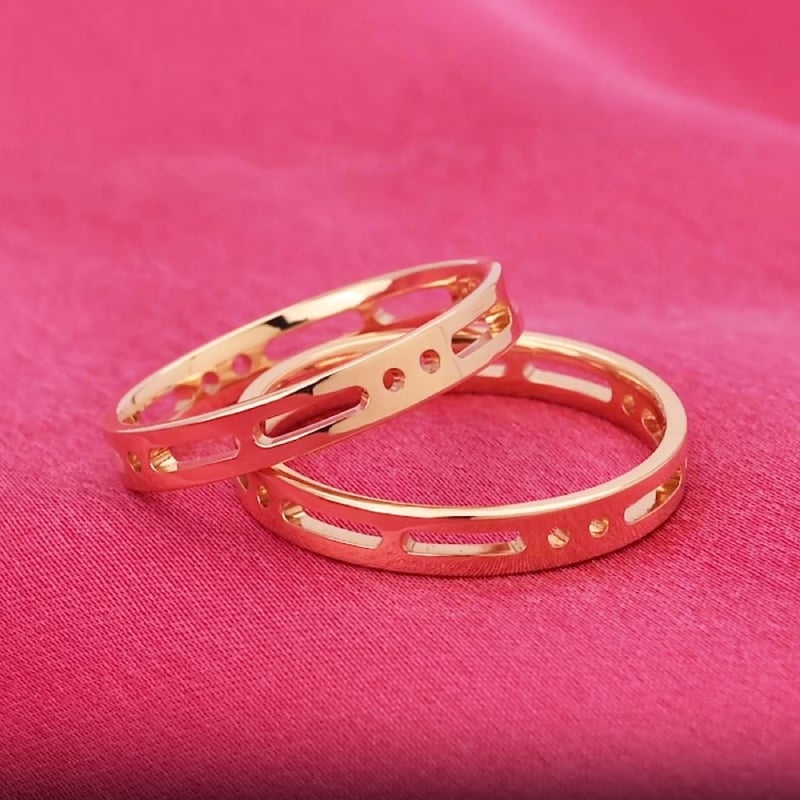
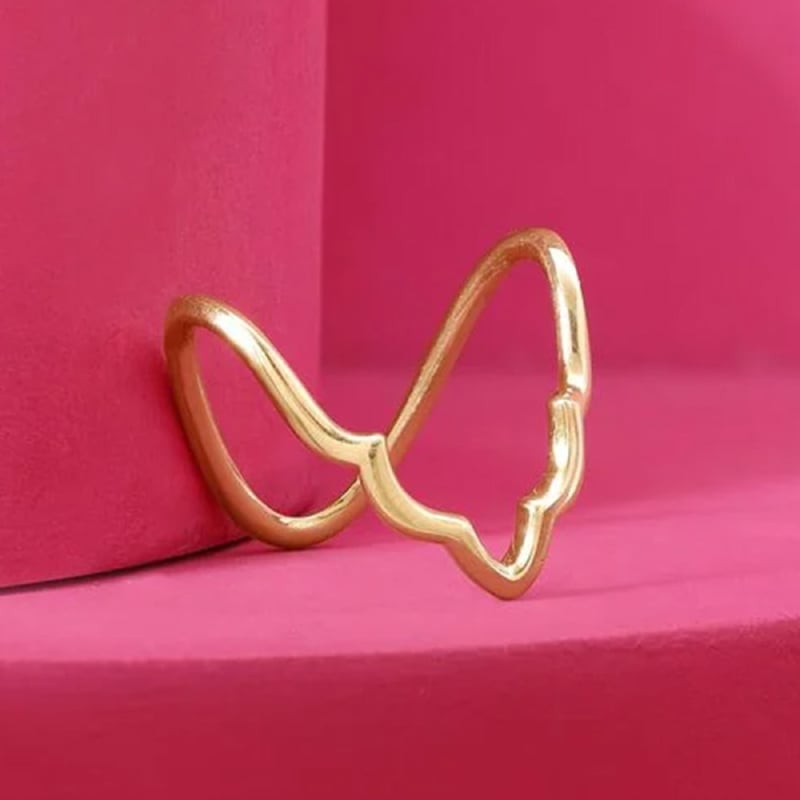
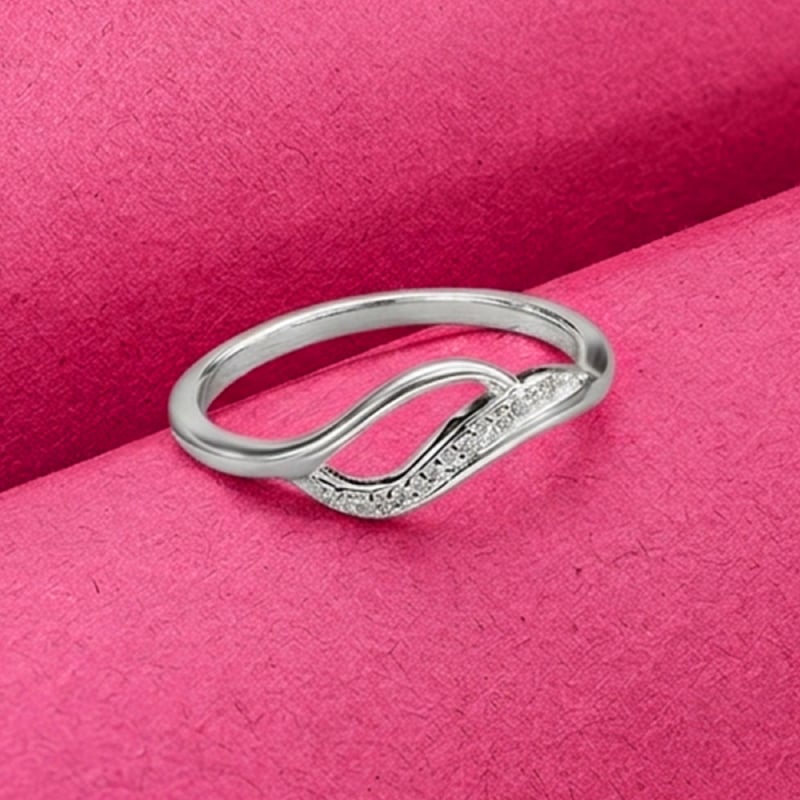
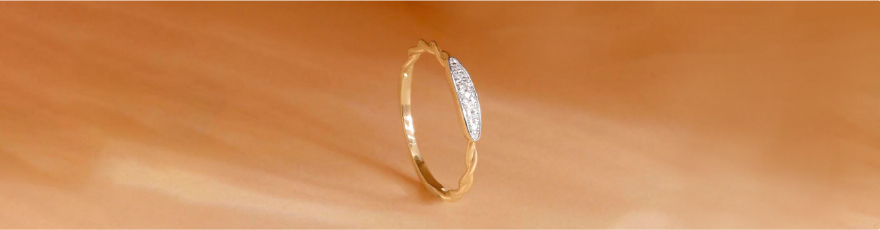 Minimal rings are chosen for one simple reason: they’re easy to live with. Slim gold bands and understated designs feel unobtrusive, making them ideal for daily wear.
Symbolically, they reflect balance, consistency, and quiet confidence. Because they’re worn often, durability matters. Lighter gold alloys such as 9 KT, 14 KT, and 18 KT offer a practical balance that is strong enough for everyday use while retaining their finish with regular, gentle care.
Stackable Rings and Personal Expression
Minimal rings are chosen for one simple reason: they’re easy to live with. Slim gold bands and understated designs feel unobtrusive, making them ideal for daily wear.
Symbolically, they reflect balance, consistency, and quiet confidence. Because they’re worn often, durability matters. Lighter gold alloys such as 9 KT, 14 KT, and 18 KT offer a practical balance that is strong enough for everyday use while retaining their finish with regular, gentle care.
Stackable Rings and Personal Expression
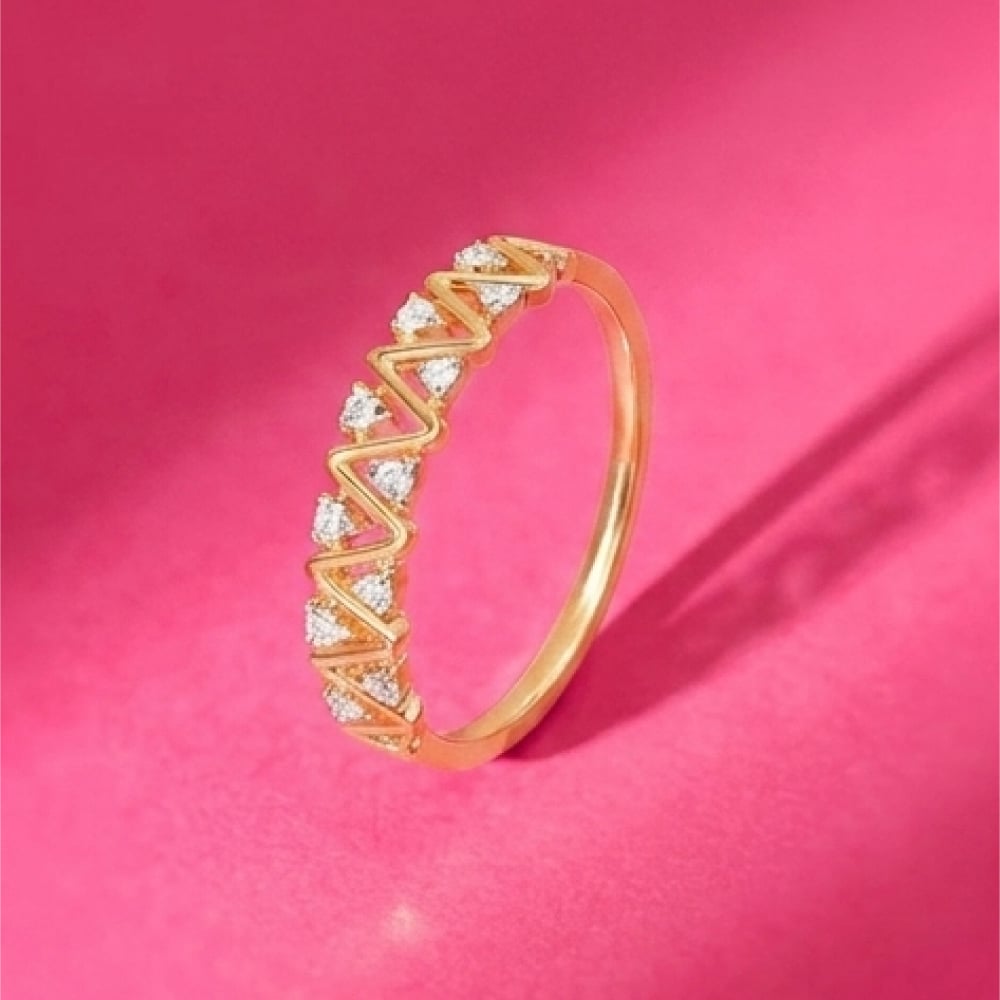
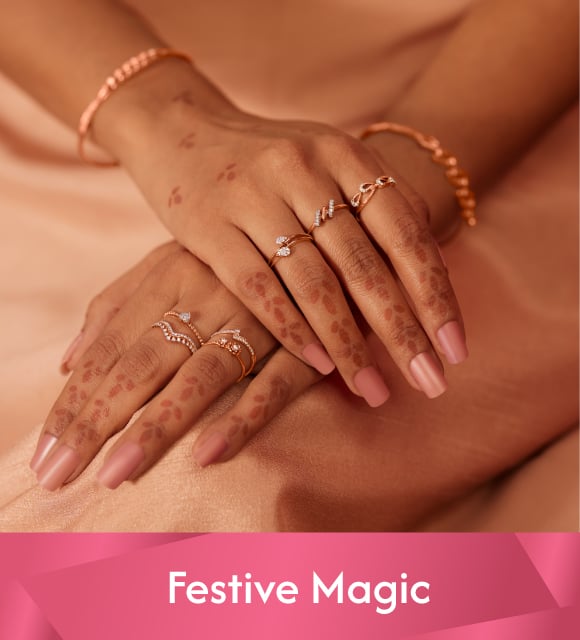
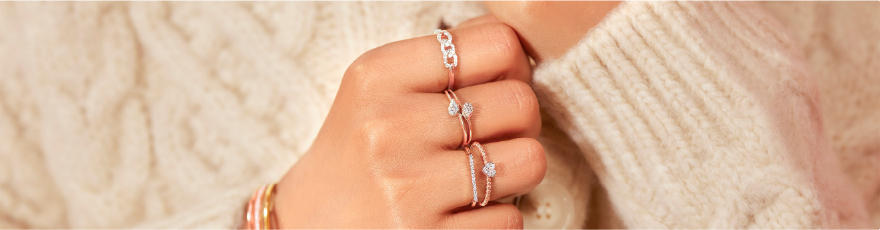 Stackable rings have changed how meaning is expressed through jewellery. Instead of one ring carrying all the symbolism, multiple rings worn together allow for a layered, evolving story.
Each ring can represent a memory, a phase, or simply a mood. Worn alone on regular days or layered for occasions, stackable rings symbolise individuality and personal evolution. These are ideas that resonate strongly with modern jewellery wearers.
Statement Rings for Occasions
Stackable rings have changed how meaning is expressed through jewellery. Instead of one ring carrying all the symbolism, multiple rings worn together allow for a layered, evolving story.
Each ring can represent a memory, a phase, or simply a mood. Worn alone on regular days or layered for occasions, stackable rings symbolise individuality and personal evolution. These are ideas that resonate strongly with modern jewellery wearers.
Statement Rings for Occasions
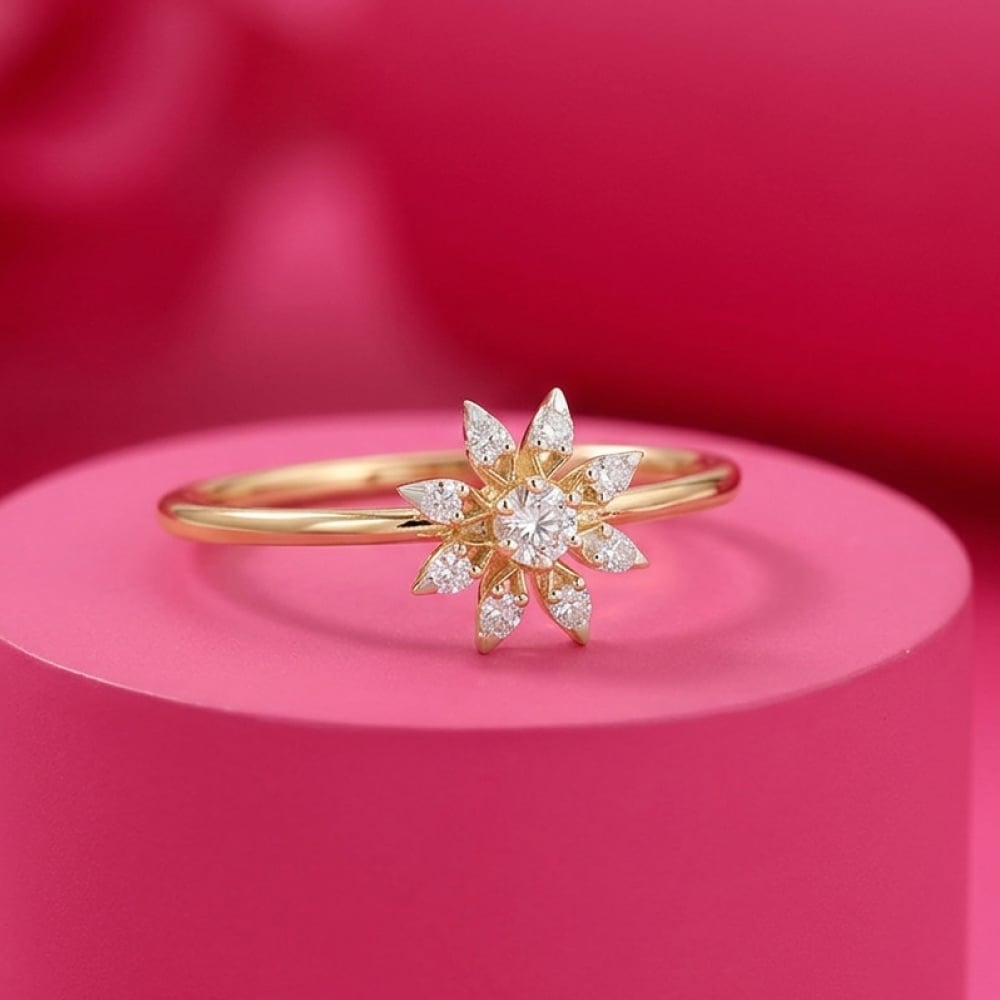
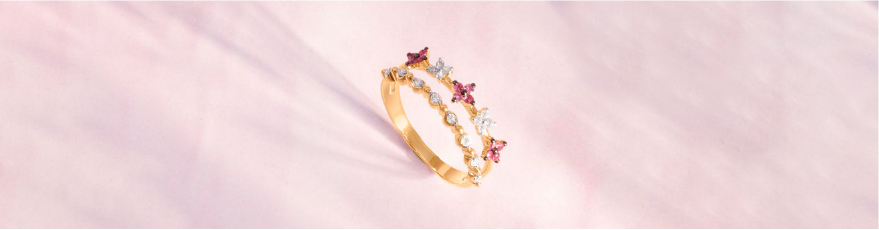 Statement rings are chosen with intention. Their bold forms, sculpted surfaces, or textured finishes make them ideal for moments when confidence takes centre stage.
Symbolically, they represent strength and self-assurance. While they may not be worn every day, thoughtful design ensures they remain comfortable for extended wear, which is important when celebrations stretch longer than expected.
Engagement Rings
Statement rings are chosen with intention. Their bold forms, sculpted surfaces, or textured finishes make them ideal for moments when confidence takes centre stage.
Symbolically, they represent strength and self-assurance. While they may not be worn every day, thoughtful design ensures they remain comfortable for extended wear, which is important when celebrations stretch longer than expected.
Engagement Rings
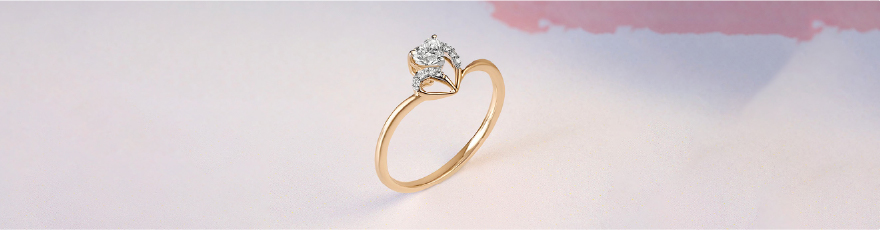 An engagement ring has traditionally symbolised commitment and partnership. Traditionally set with a diamond, it is worn on the ring finger to represent a shared future and an unbroken bond.
What’s changed is how these rings look and feel. Today, many women prefer styles that feel thoughtful rather than elaborate and those that fit seamlessly into everyday life. This has made diamond rings set in gold and white gold especially popular, valued for their clean lines, balanced proportions, and timeless appeal. The meaning of these engagement rings remains timeless, but the expression feels more personal and practical.
Commitment Rings
An engagement ring has traditionally symbolised commitment and partnership. Traditionally set with a diamond, it is worn on the ring finger to represent a shared future and an unbroken bond.
What’s changed is how these rings look and feel. Today, many women prefer styles that feel thoughtful rather than elaborate and those that fit seamlessly into everyday life. This has made diamond rings set in gold and white gold especially popular, valued for their clean lines, balanced proportions, and timeless appeal. The meaning of these engagement rings remains timeless, but the expression feels more personal and practical.
Commitment Rings
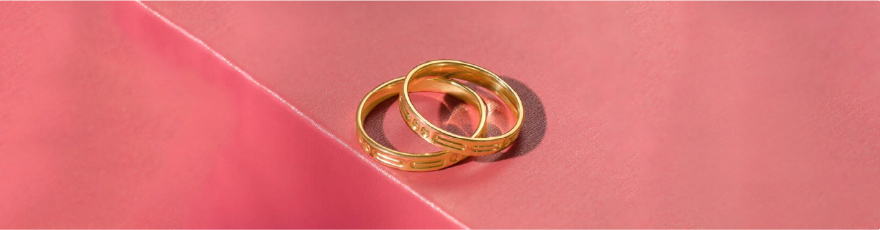 Commitment rings aren’t always tied to ceremonies. For some, they mark anniversaries, long-term relationships, or even promises made to oneself. These rings symbolise trust, stability, and shared growth. Their appeal often lies in simple styles that don’t demand attention but carry meaning quietly, becoming the kind of jewellery that stays on long after the moment has passed.
Cocktail Rings and Celebratory Wear
Commitment rings aren’t always tied to ceremonies. For some, they mark anniversaries, long-term relationships, or even promises made to oneself. These rings symbolise trust, stability, and shared growth. Their appeal often lies in simple styles that don’t demand attention but carry meaning quietly, becoming the kind of jewellery that stays on long after the moment has passed.
Cocktail Rings and Celebratory Wear
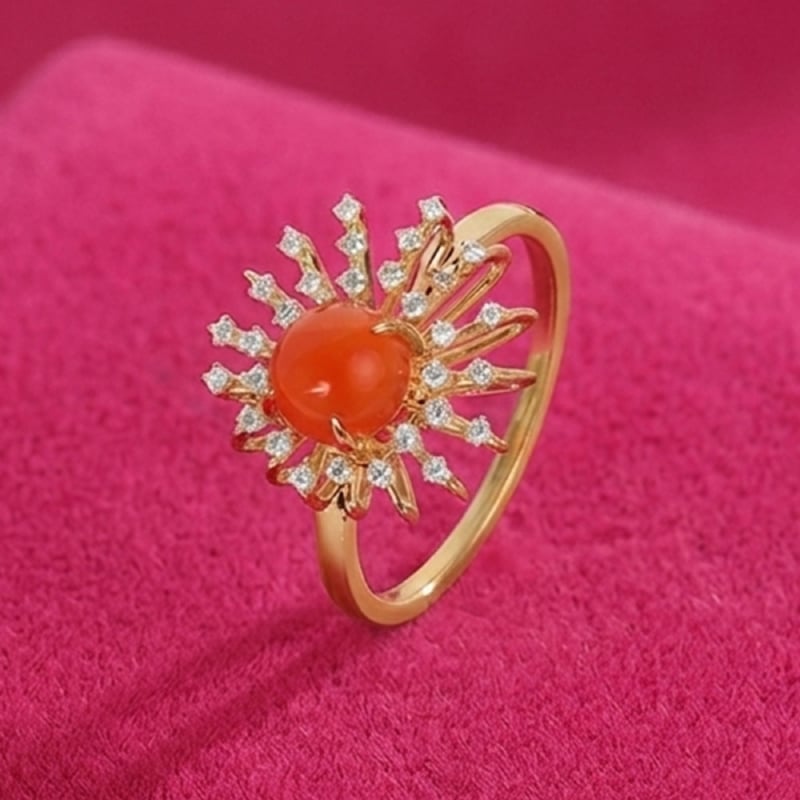
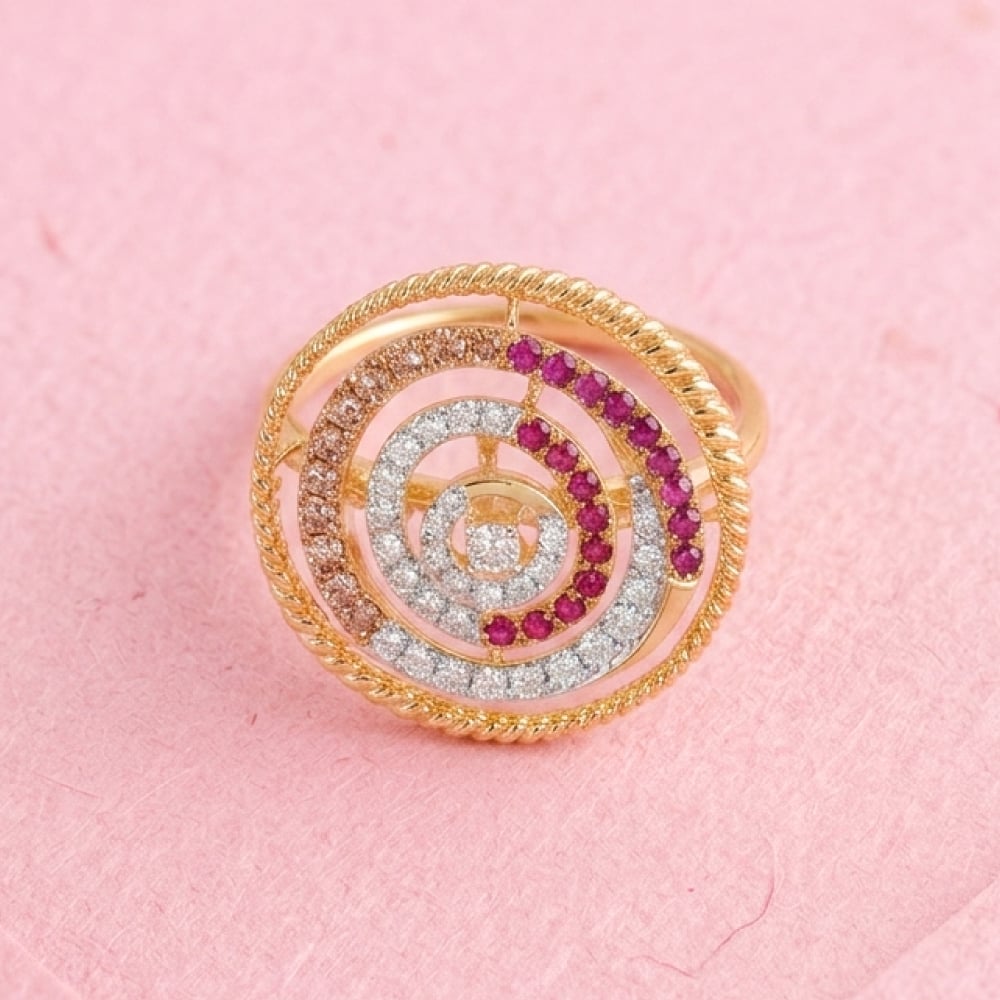
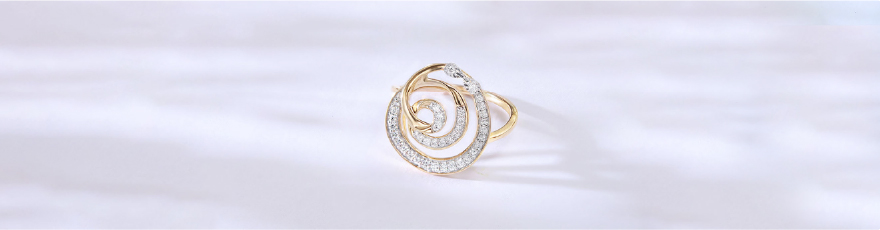 Cocktail rings have always been associated with celebration. Once reserved for evening events, they now appear at weddings, festive gatherings, and cultural occasions.
They symbolise joy, abundance, and self-expression. Modern cocktail ringdesigns focus on balance, ensuring that bold aesthetics don’t feel heavy or impractical, allowing celebration to feel effortless rather than overwhelming.
How Finger Placement Adds Meaning to Rings
Where a ring is worn can subtly shape how it is interpreted, even when the choice is made instinctively. Over time, different fingers have been associated with certain ideas that were influenced by cultural traditions and everyday practices rather than strict rules. This is what wearing a ring on each finger stands for:
Ring finger : Traditionally associated with commitment and partnership, which is why it is most commonly chosen for engagement and wedding rings.
Index finger : Often symbolises confidence, leadership, and self-expression, making it a popular choice for statement or signet-style rings.
Middle finger : Linked to balance and individuality, largely due to its central position on the hand.
Little finger : Historically connected with communication and personal identity; today, it is often chosen for its relaxed and expressive appeal.
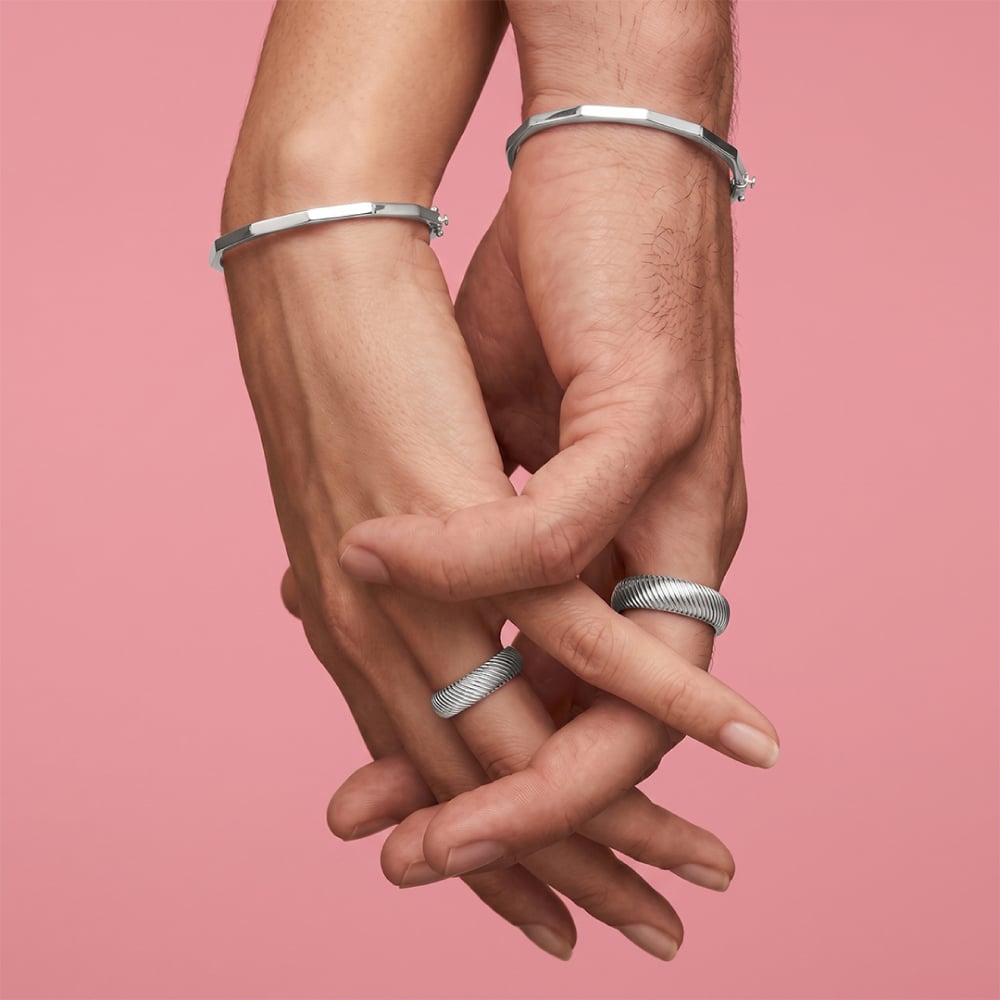
Thumb : Less traditional in ring-wearing, the thumb is commonly associated with independence, strength, and a strong sense of self. Silver rings are mostly worn on the thumbs.
In everyday styling, most people don’t think twice about where they wear a ring. It’s often about what feels comfortable, what looks balanced on the hand, or simply what you’re used to. But knowing what different finger placements traditionally represent can add more meaning to that choice, especially when you’re picking rings you plan to wear often, not just save for special occasions.
Minimal vs. Bold Designs: What Your Choice Reflects
In everyday styling, most people don’t think twice about where they wear a ring. It’s often about what feels comfortable, what looks balanced on the hand, or simply what you’re used to. But knowing what different finger placements traditionally represent can add more meaning to that choice, especially when you’re picking rings you plan to wear often, not just save for special occasions.
Minimal rings are usually the ones you reach for without thinking. They’re easy to wear, don’t get in the way, and quietly fit into your day, whether you’re working, travelling, or just going about your routine. Over time, they start to reflect a preference for comfort, consistency, and a style that doesn’t need to announce itself.
Bold rings, on the other hand, are chosen with intention. They’re the ones you wear when you want your jewellery to be noticed, when the moment calls for something a little more expressive. And most people don’t stick to just one side. Some days call for subtle, others for statement, letting rings move with your mood rather than defining it.
Rings That Feel Right, Every Day
Rings don’t need grand occasions to matter. A minimal band worn every day, a stackable ring that grows with time, or a statement piece saved for celebration, each carries meaning in its own way.
“Today’s rings are designed less around occasions and more around real life. At Mia, we have designed rings that move easily between work and celebration, so that the wearer isn’t constantly stressed about changing their rings according to the occasion.” - Category Manager, Mia by Tanishq
Choosing gold ring designs for occasions is less about rules and more about comfort and its symbolism. It becomes part of how you show up every day.
Cocktail rings have always been associated with celebration. Once reserved for evening events, they now appear at weddings, festive gatherings, and cultural occasions.
They symbolise joy, abundance, and self-expression. Modern cocktail ringdesigns focus on balance, ensuring that bold aesthetics don’t feel heavy or impractical, allowing celebration to feel effortless rather than overwhelming.
How Finger Placement Adds Meaning to Rings
Where a ring is worn can subtly shape how it is interpreted, even when the choice is made instinctively. Over time, different fingers have been associated with certain ideas that were influenced by cultural traditions and everyday practices rather than strict rules. This is what wearing a ring on each finger stands for:
Ring finger : Traditionally associated with commitment and partnership, which is why it is most commonly chosen for engagement and wedding rings.
Index finger : Often symbolises confidence, leadership, and self-expression, making it a popular choice for statement or signet-style rings.
Middle finger : Linked to balance and individuality, largely due to its central position on the hand.
Little finger : Historically connected with communication and personal identity; today, it is often chosen for its relaxed and expressive appeal.
Thumb : Less traditional in ring-wearing, the thumb is commonly associated with independence, strength, and a strong sense of self. Silver rings are mostly worn on the thumbs.
In everyday styling, most people don’t think twice about where they wear a ring. It’s often about what feels comfortable, what looks balanced on the hand, or simply what you’re used to. But knowing what different finger placements traditionally represent can add more meaning to that choice, especially when you’re picking rings you plan to wear often, not just save for special occasions.
Minimal vs. Bold Designs: What Your Choice Reflects
In everyday styling, most people don’t think twice about where they wear a ring. It’s often about what feels comfortable, what looks balanced on the hand, or simply what you’re used to. But knowing what different finger placements traditionally represent can add more meaning to that choice, especially when you’re picking rings you plan to wear often, not just save for special occasions.
Minimal rings are usually the ones you reach for without thinking. They’re easy to wear, don’t get in the way, and quietly fit into your day, whether you’re working, travelling, or just going about your routine. Over time, they start to reflect a preference for comfort, consistency, and a style that doesn’t need to announce itself.
Bold rings, on the other hand, are chosen with intention. They’re the ones you wear when you want your jewellery to be noticed, when the moment calls for something a little more expressive. And most people don’t stick to just one side. Some days call for subtle, others for statement, letting rings move with your mood rather than defining it.
Rings That Feel Right, Every Day
Rings don’t need grand occasions to matter. A minimal band worn every day, a stackable ring that grows with time, or a statement piece saved for celebration, each carries meaning in its own way.
“Today’s rings are designed less around occasions and more around real life. At Mia, we have designed rings that move easily between work and celebration, so that the wearer isn’t constantly stressed about changing their rings according to the occasion.” - Category Manager, Mia by Tanishq
Choosing gold ring designs for occasions is less about rules and more about comfort and its symbolism. It becomes part of how you show up every day.
Frequently Asked Questions
1. What do different types of rings symbolise?
Different types of rings often symbolise personal milestones, relationships, self-expression, or everyday style. While some rings are traditionally linked to commitment or celebration, many today are chosen simply because they reflect personal taste or fit into daily life comfortably.
2. Which type of ring is best for everyday wear?
Minimal rings and slim-profile bands are generally best for everyday wear. Their lightweight designs make them comfortable for regular use and easier to maintain, especially when worn through work, travel, and daily activities.
3. Can the same ring be worn for different occasions?
Yes. Many modern ring designs are created to transition easily between settings. A well-balanced gold ring can be worn daily and still feel appropriate for social gatherings or celebrations, depending on how it’s styled.
4. Does the finger you wear a ring on really matter?
Traditionally, finger placement carried specific meanings, but today it’s largely guided by comfort and personal preference. Understanding these associations can add intention, but there’s no fixed rule; what matters most is how the ring feels to you.
5. How do I choose a ring that I won’t get tired of wearing?
Choosing a ring that suits your lifestyle, feels comfortable, and aligns with your personal style helps ensure long-term wearability. Rings that feel natural from the first wear are often the ones that remain part of everyday life.
Stories you might also like



×